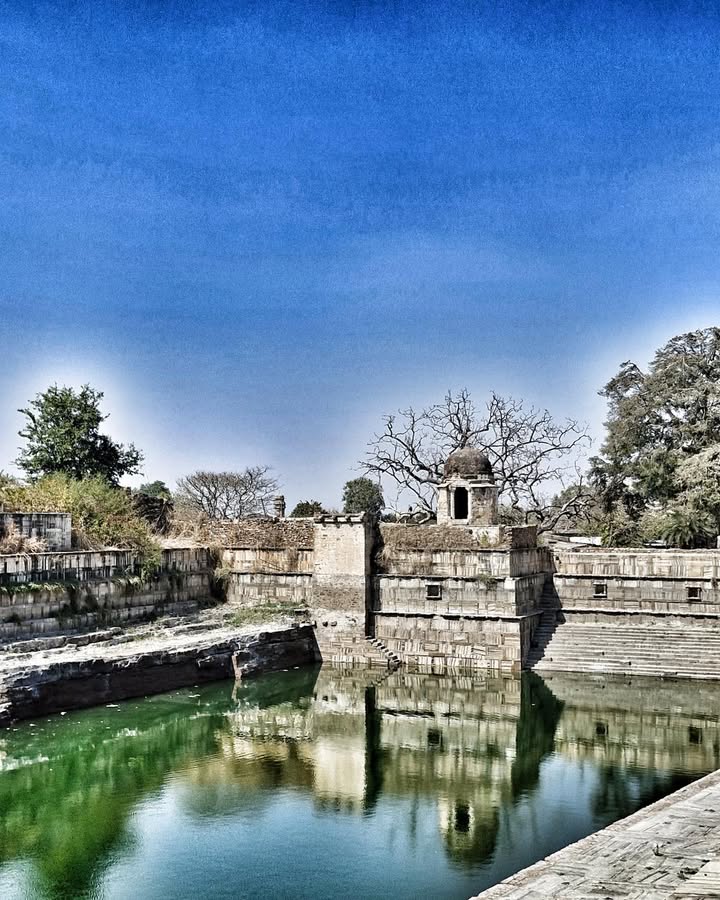
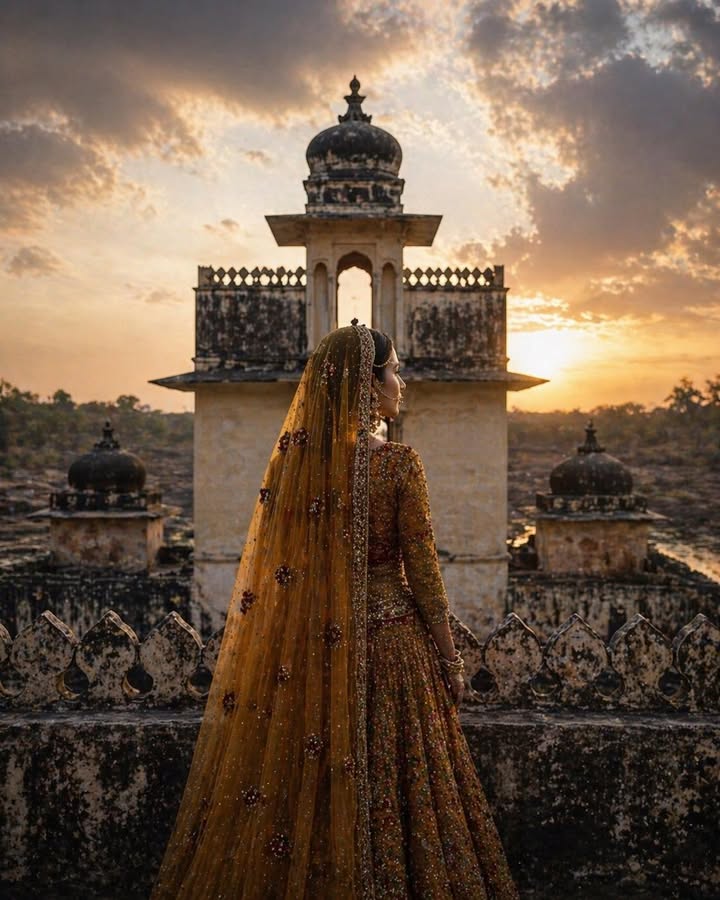
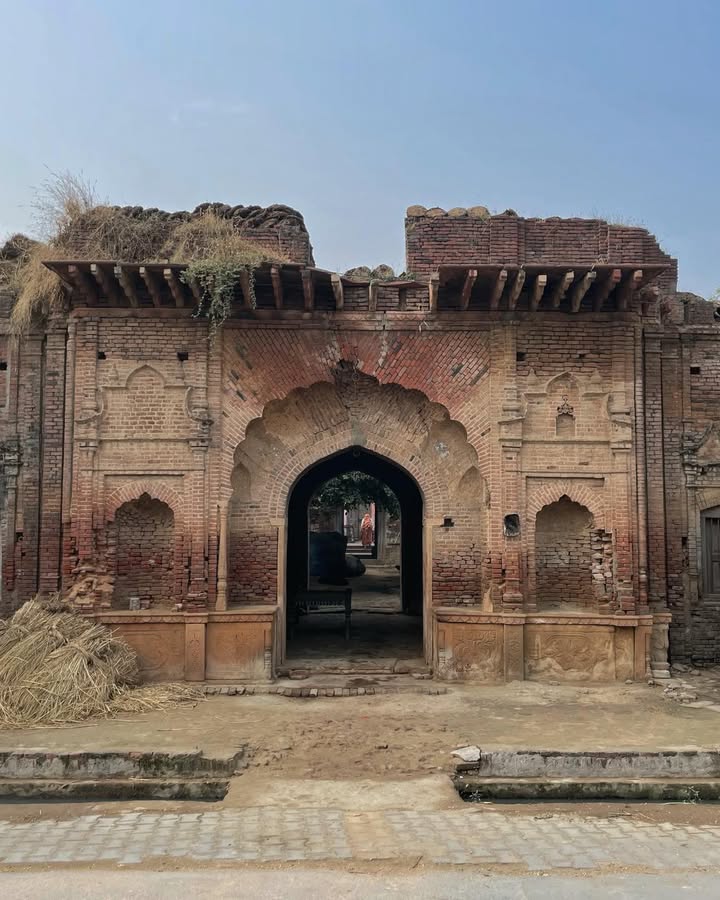
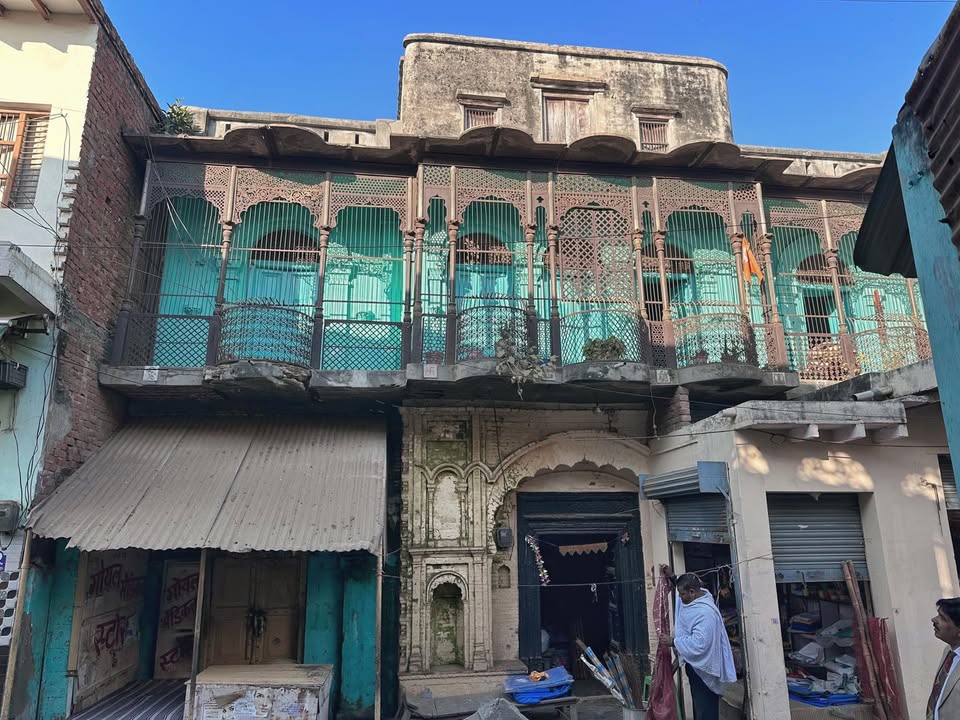









The Painted Palace of Gwalior: Man Singh Palace.
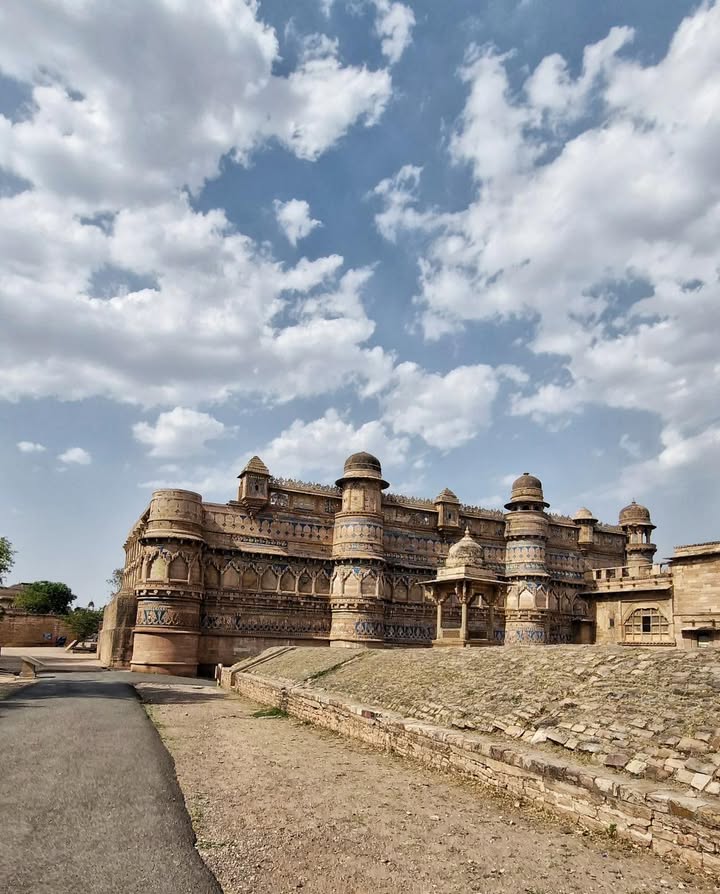
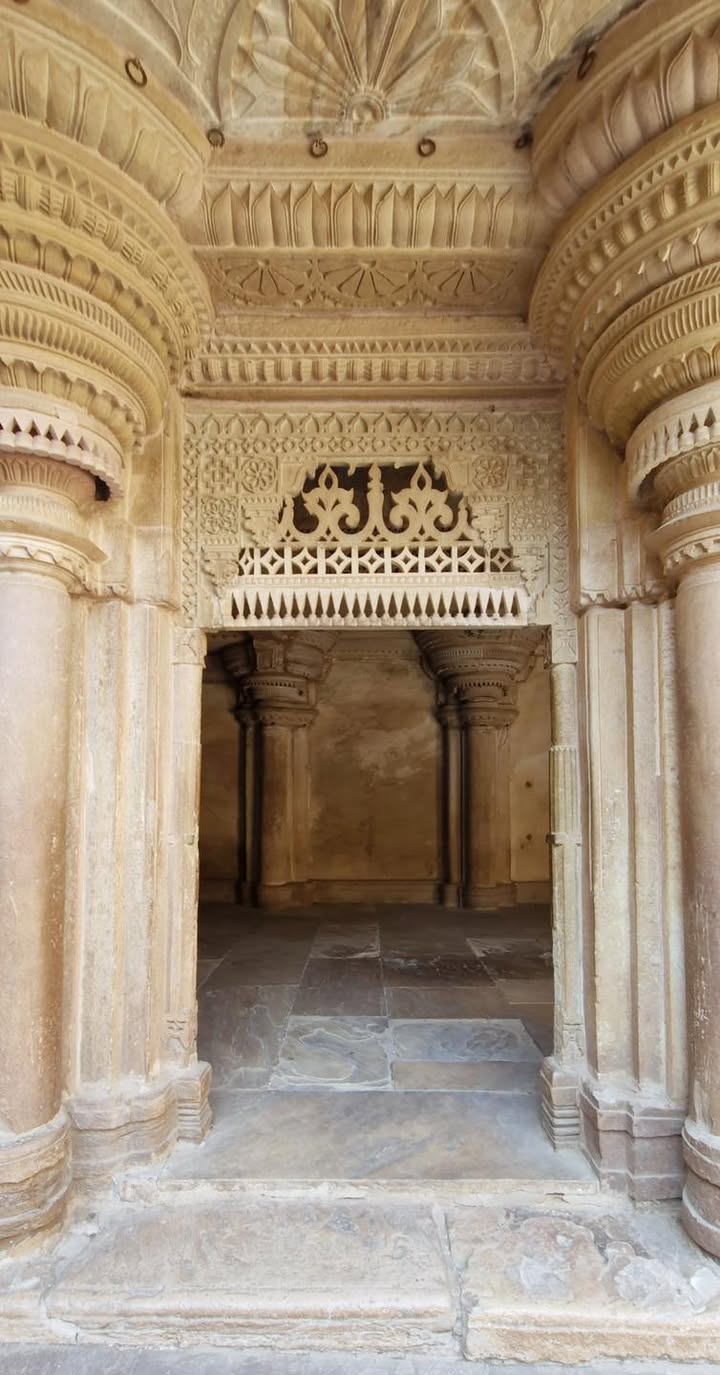
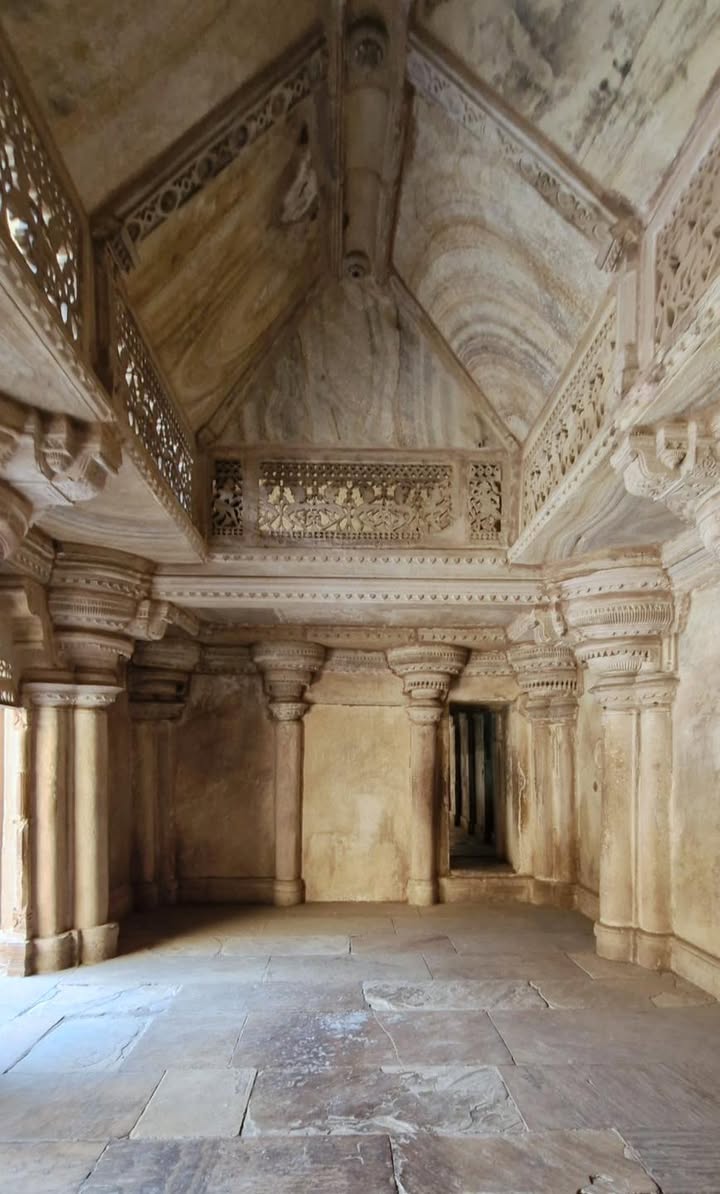
The Painted Palace of Gwalior: Man Singh Palace.
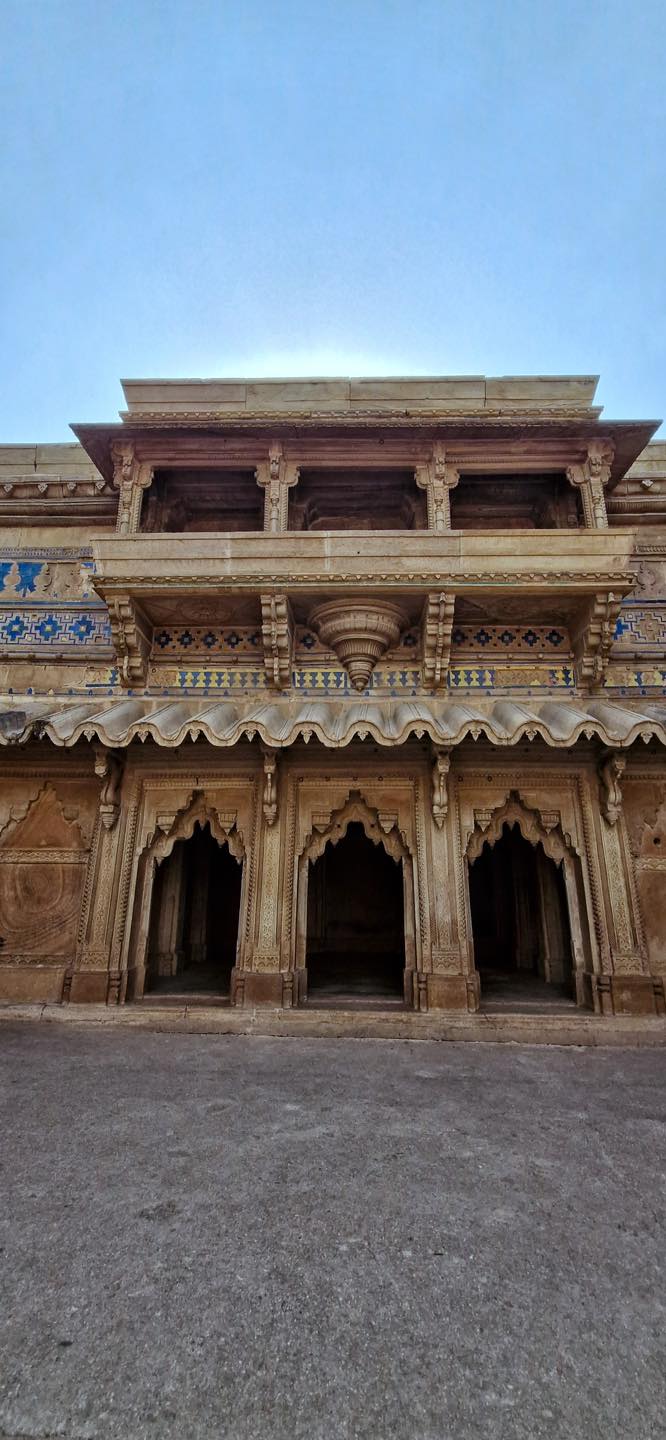
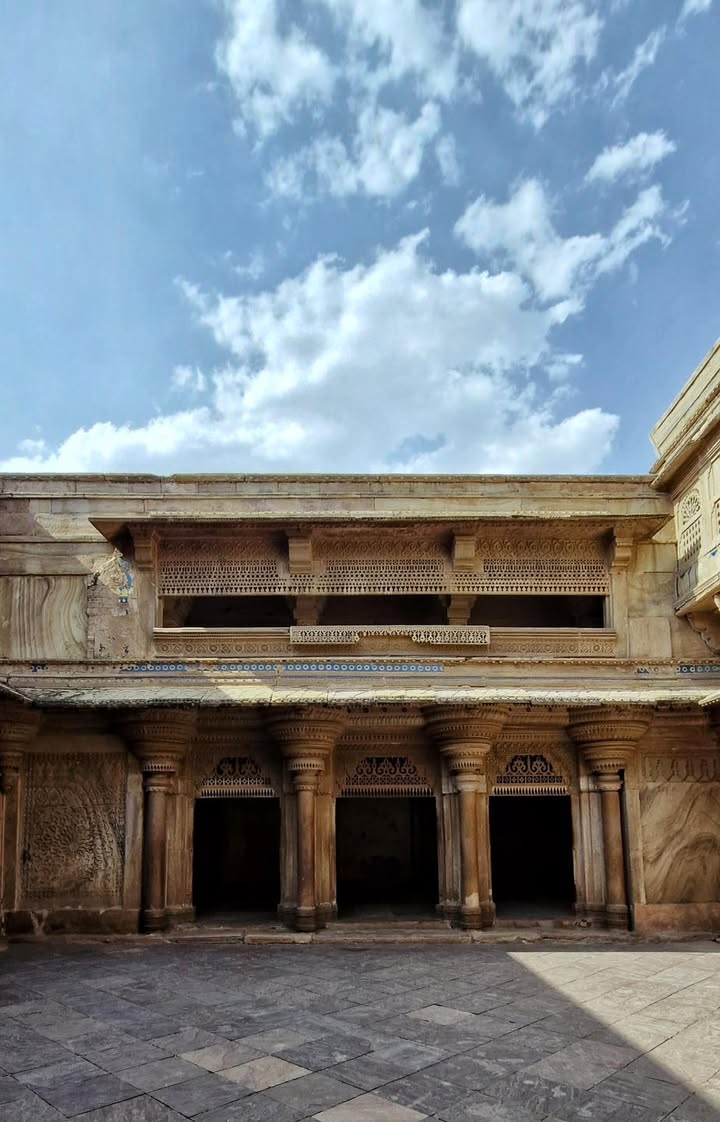
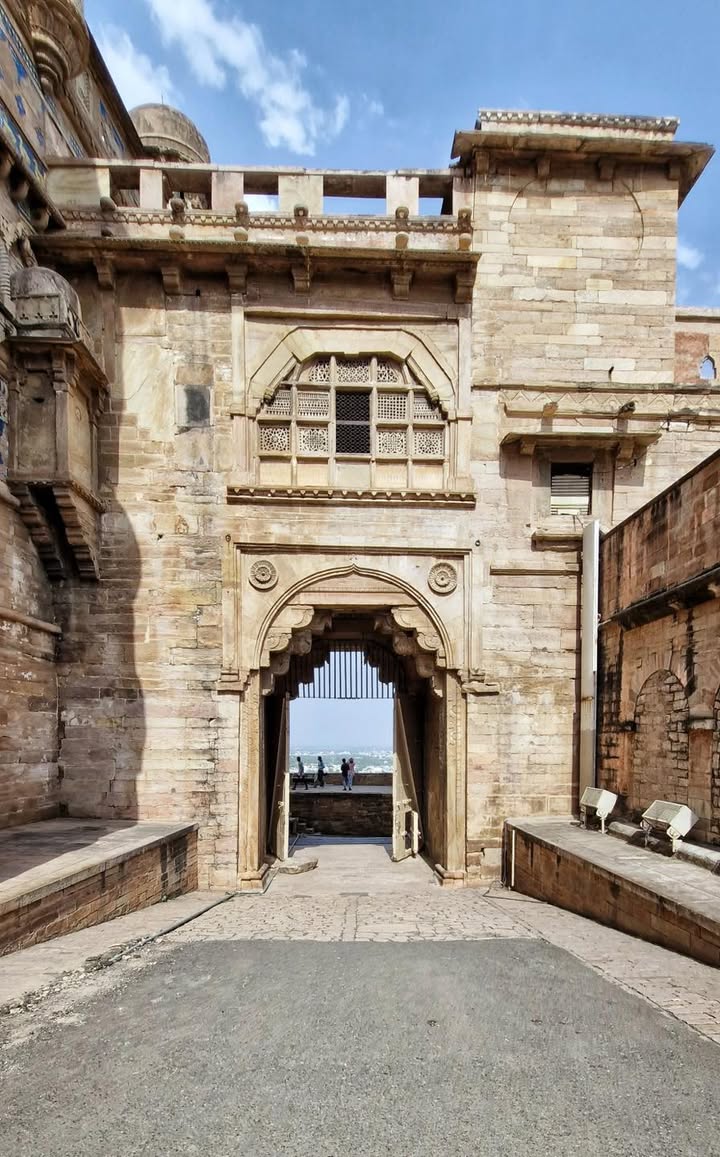
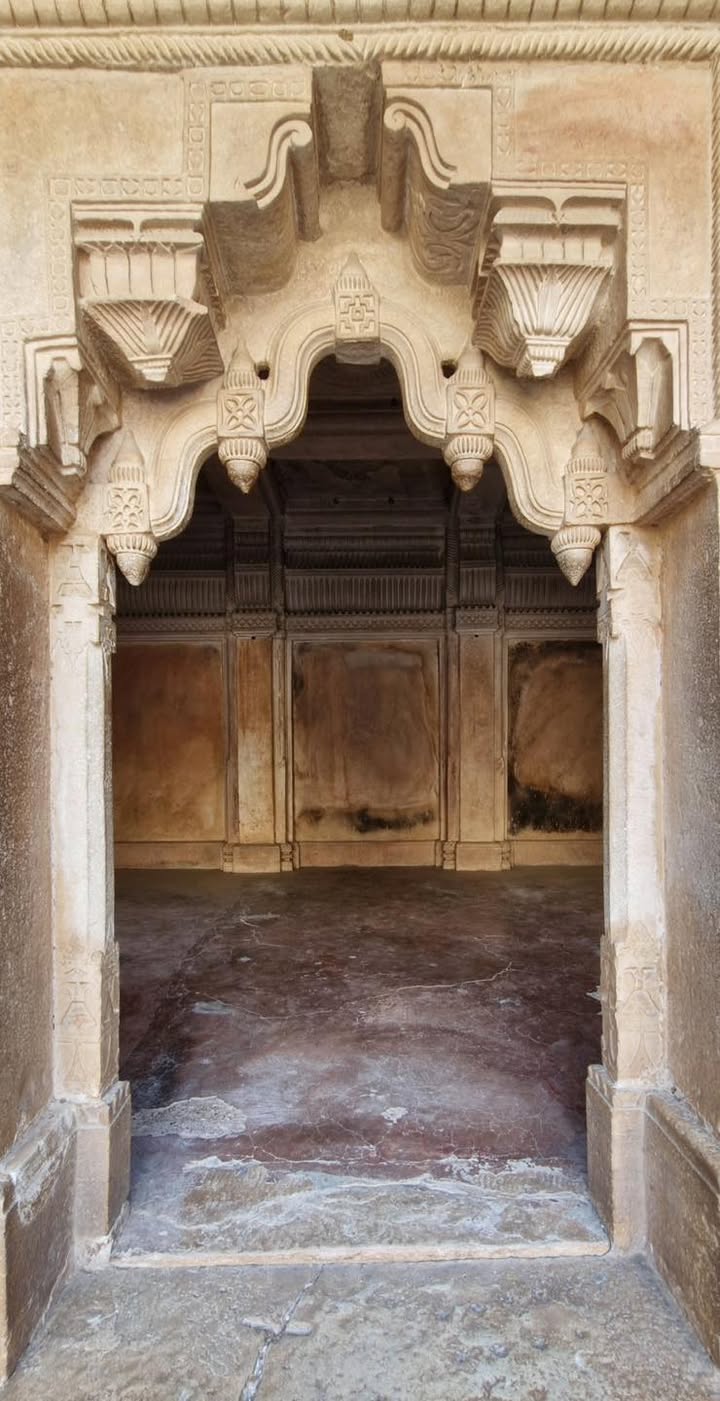
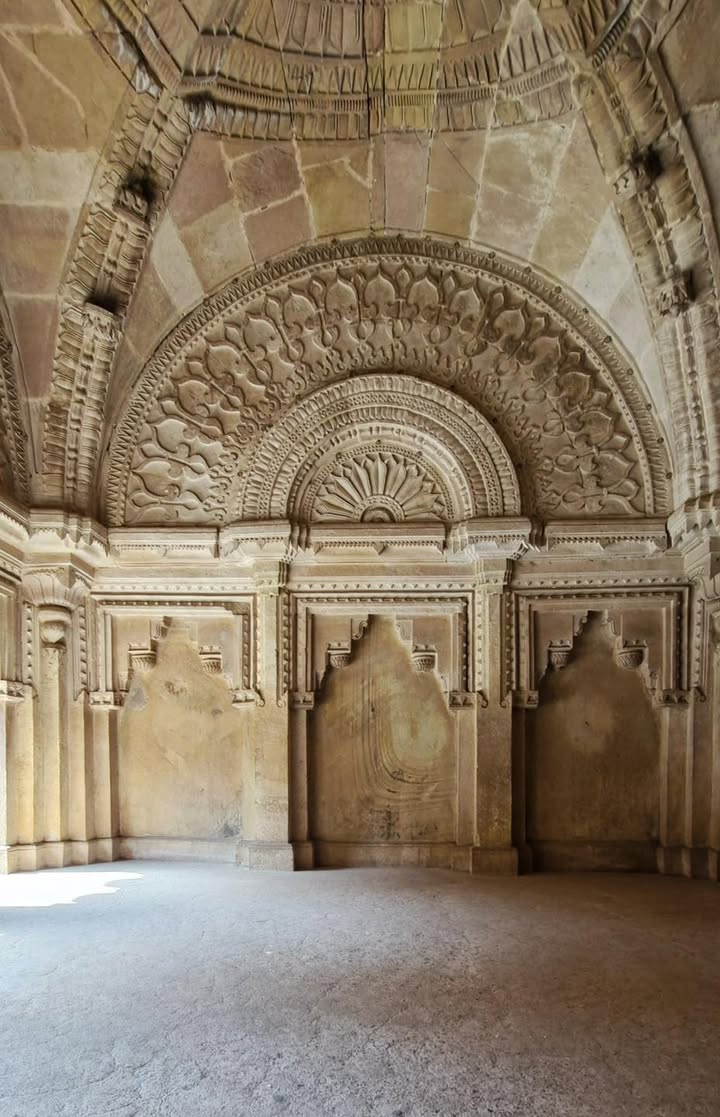
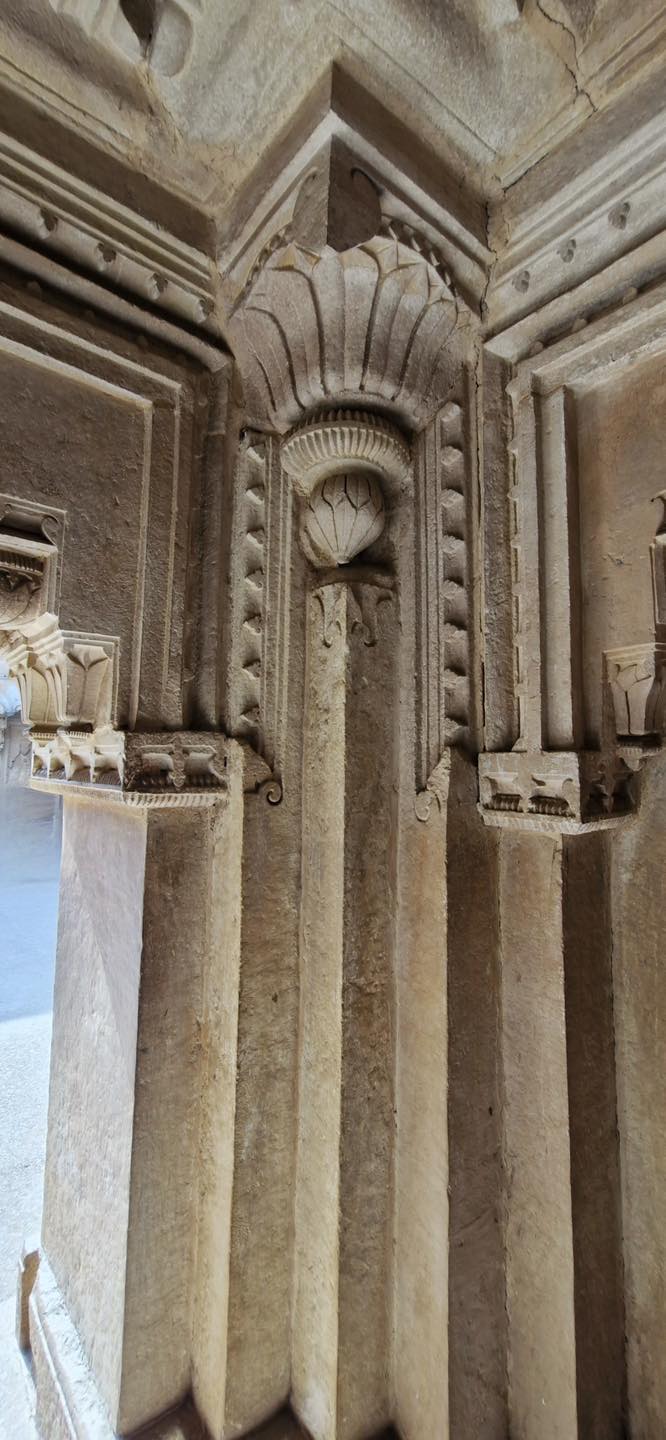
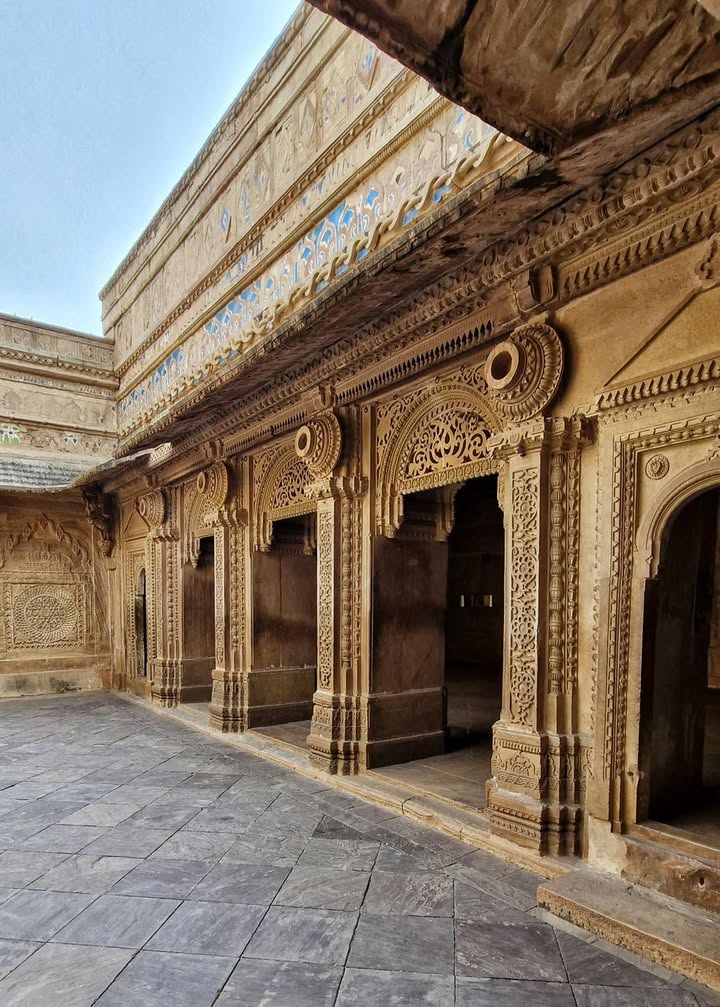
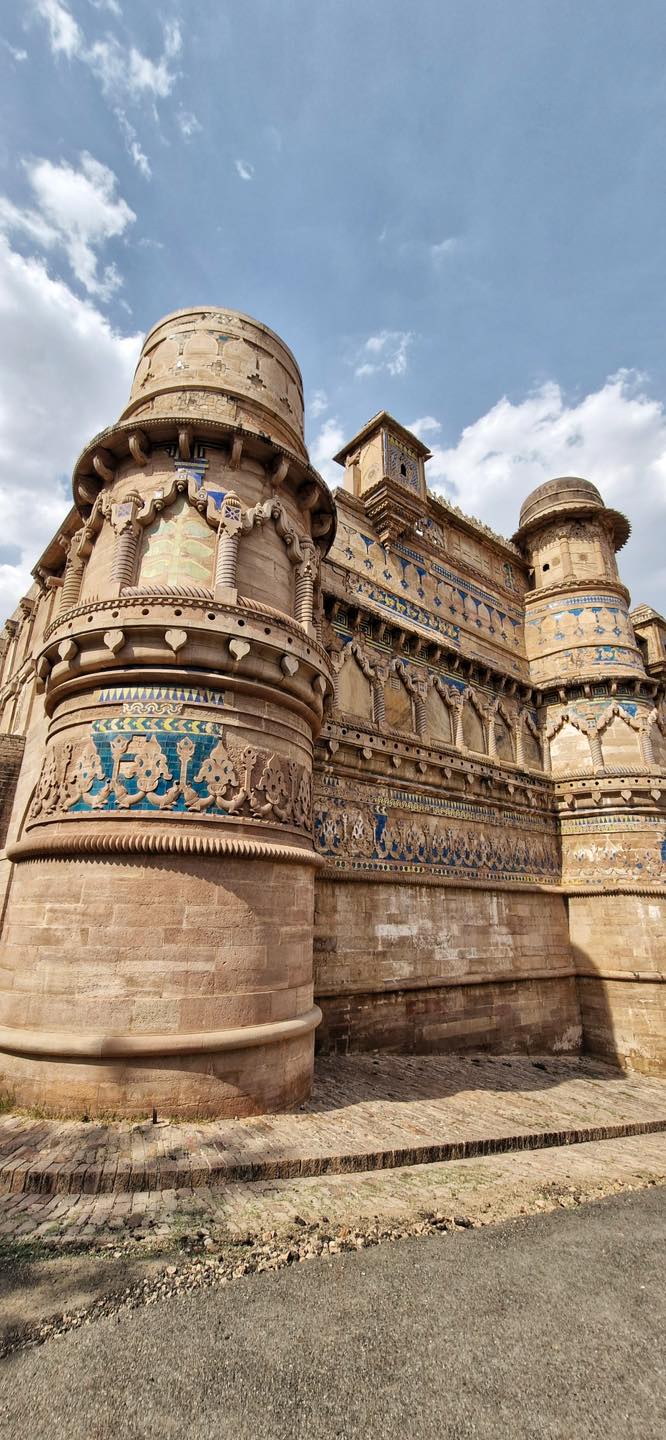
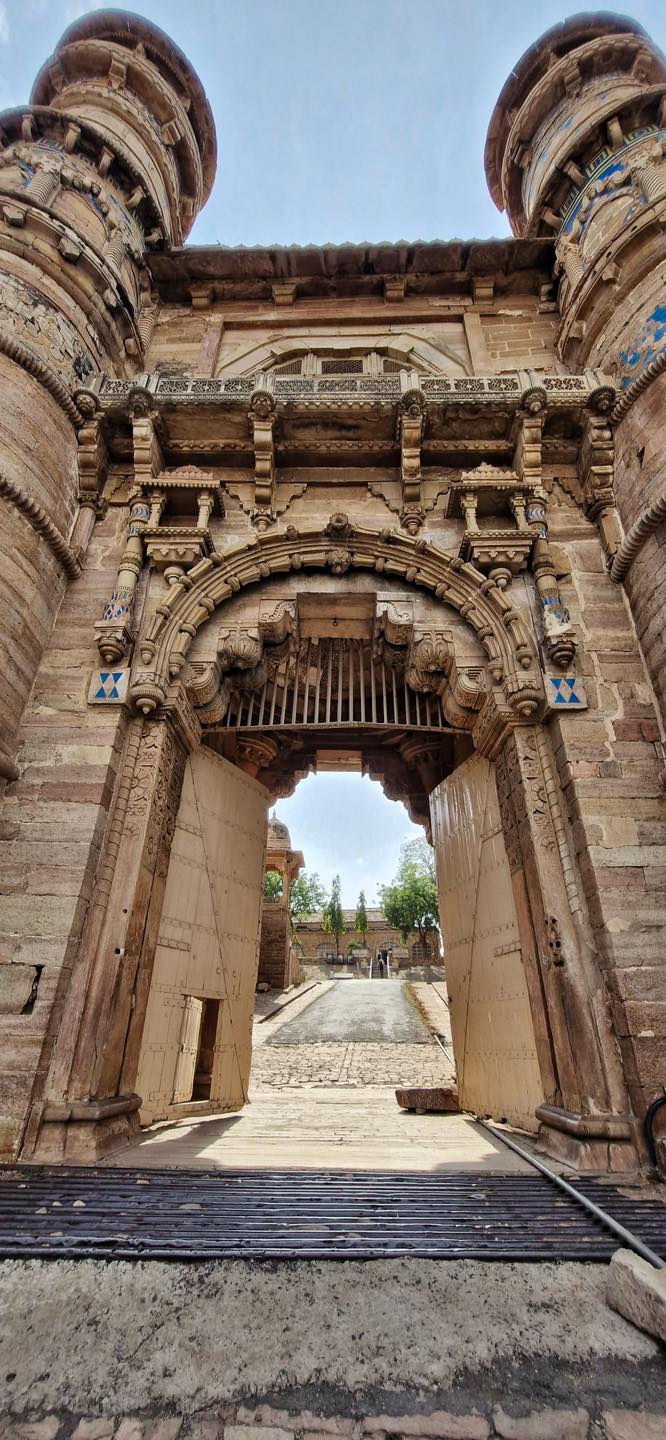
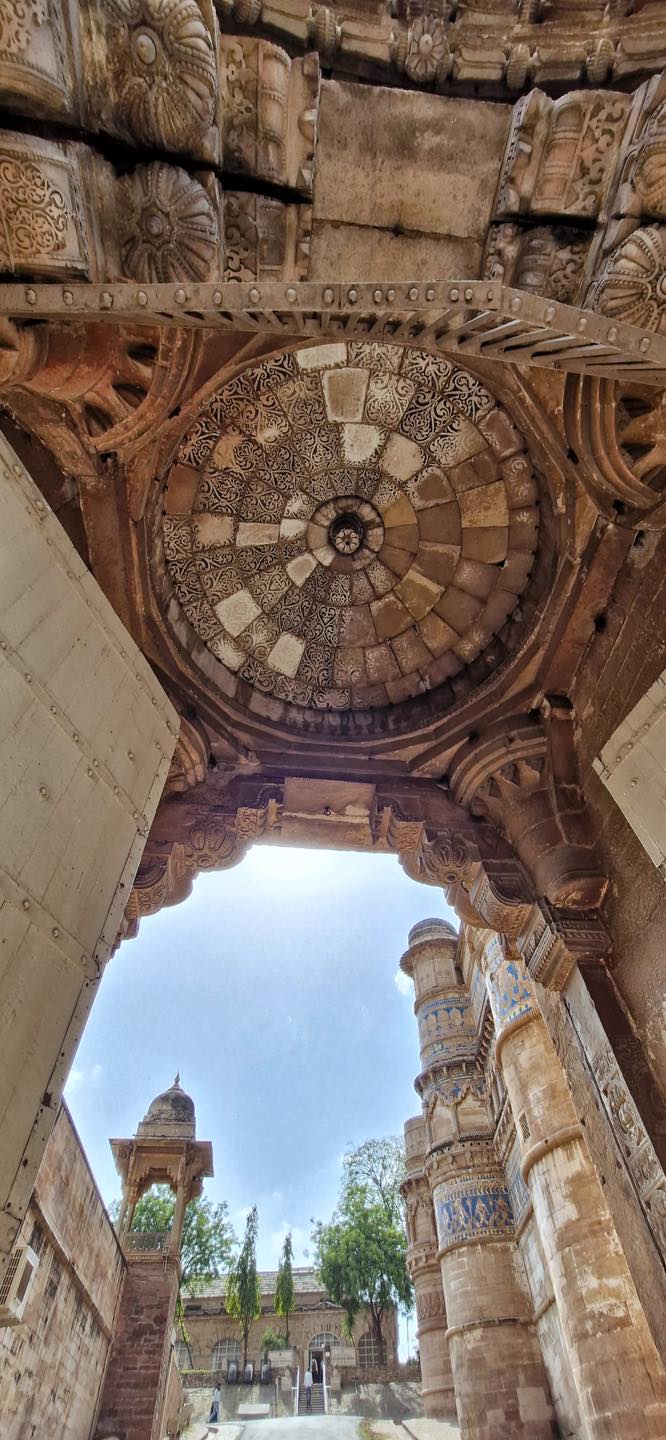
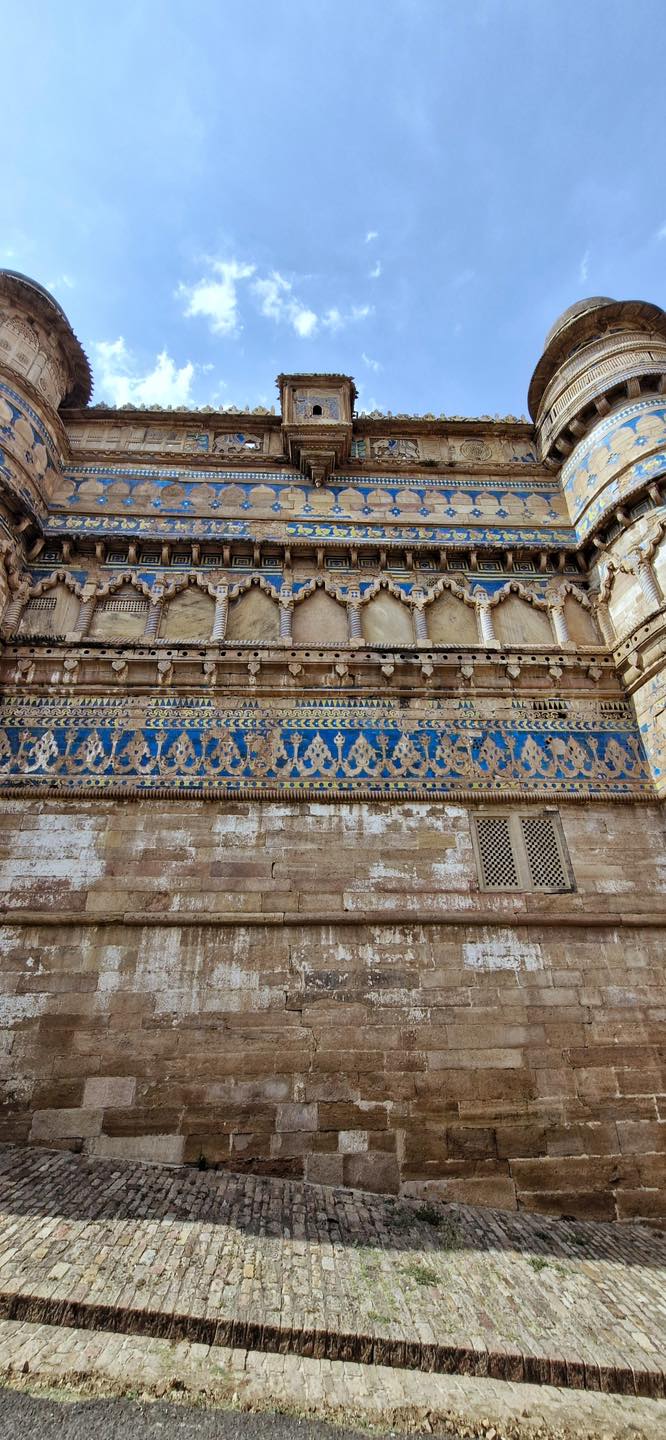
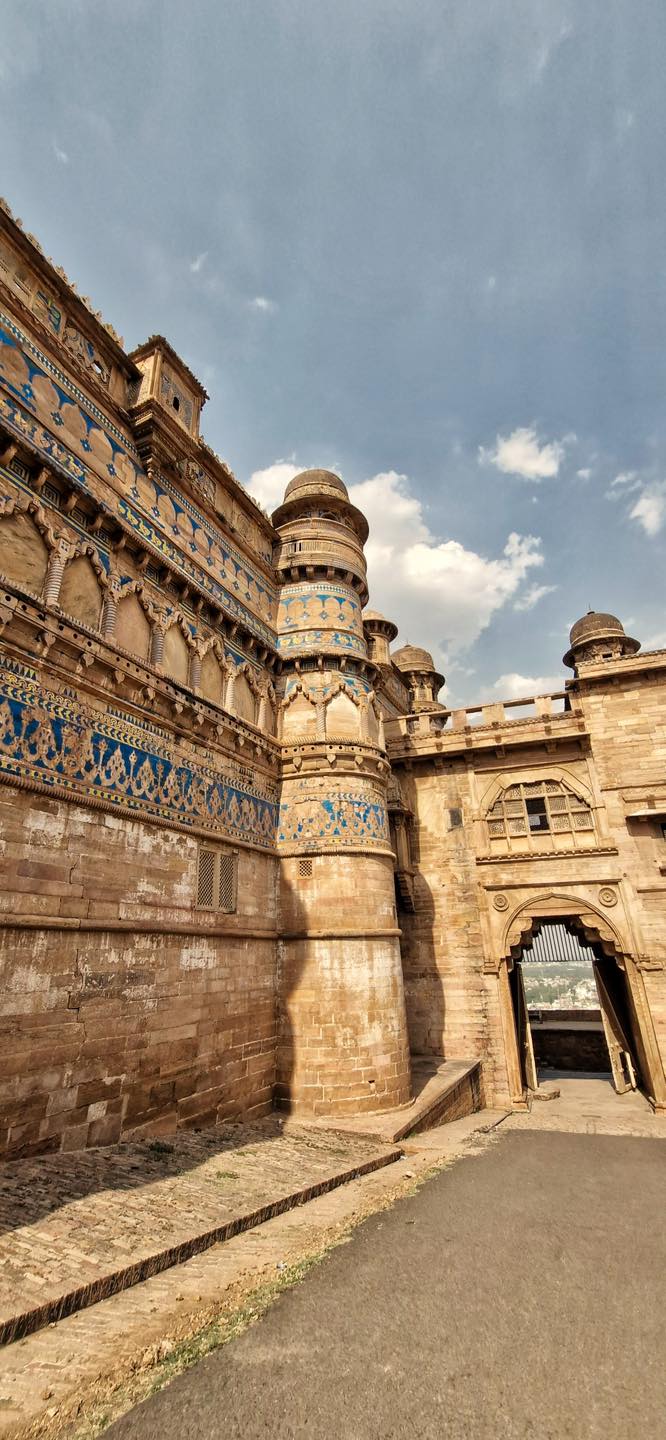
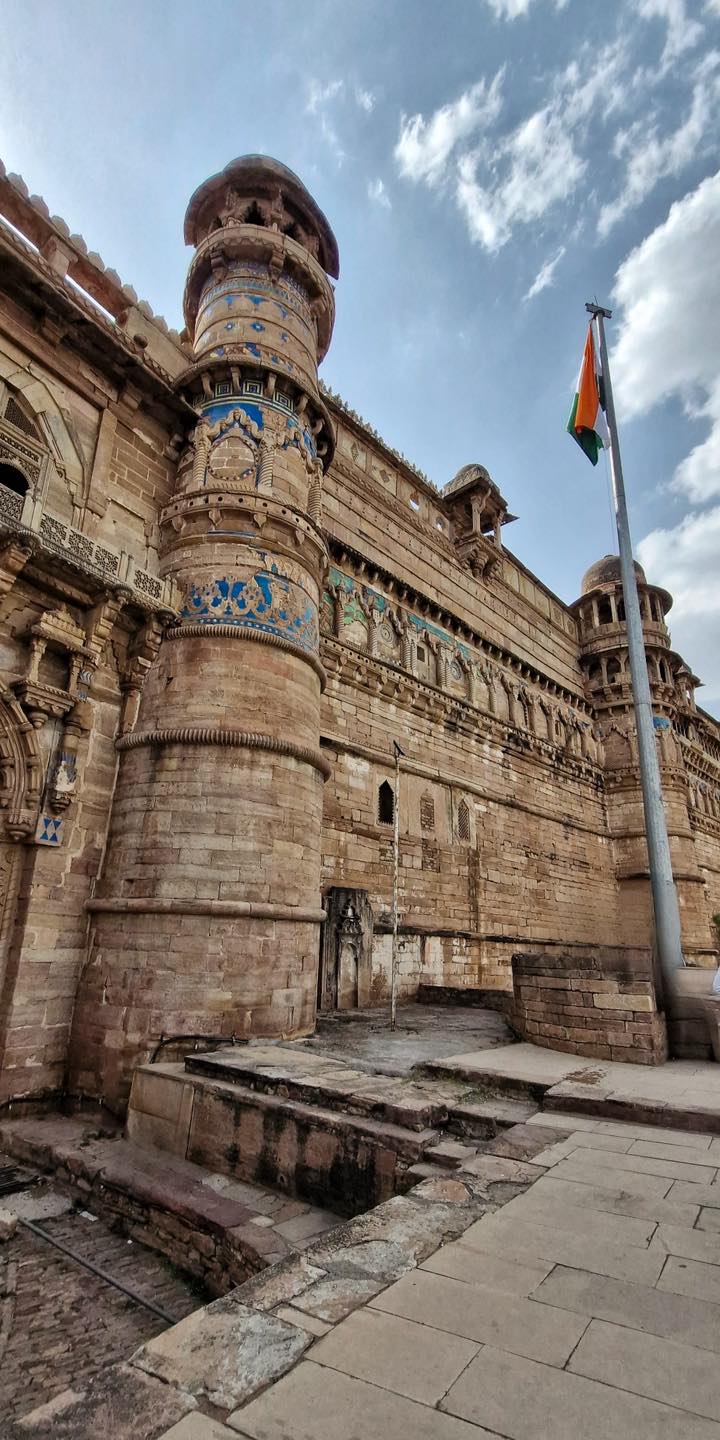
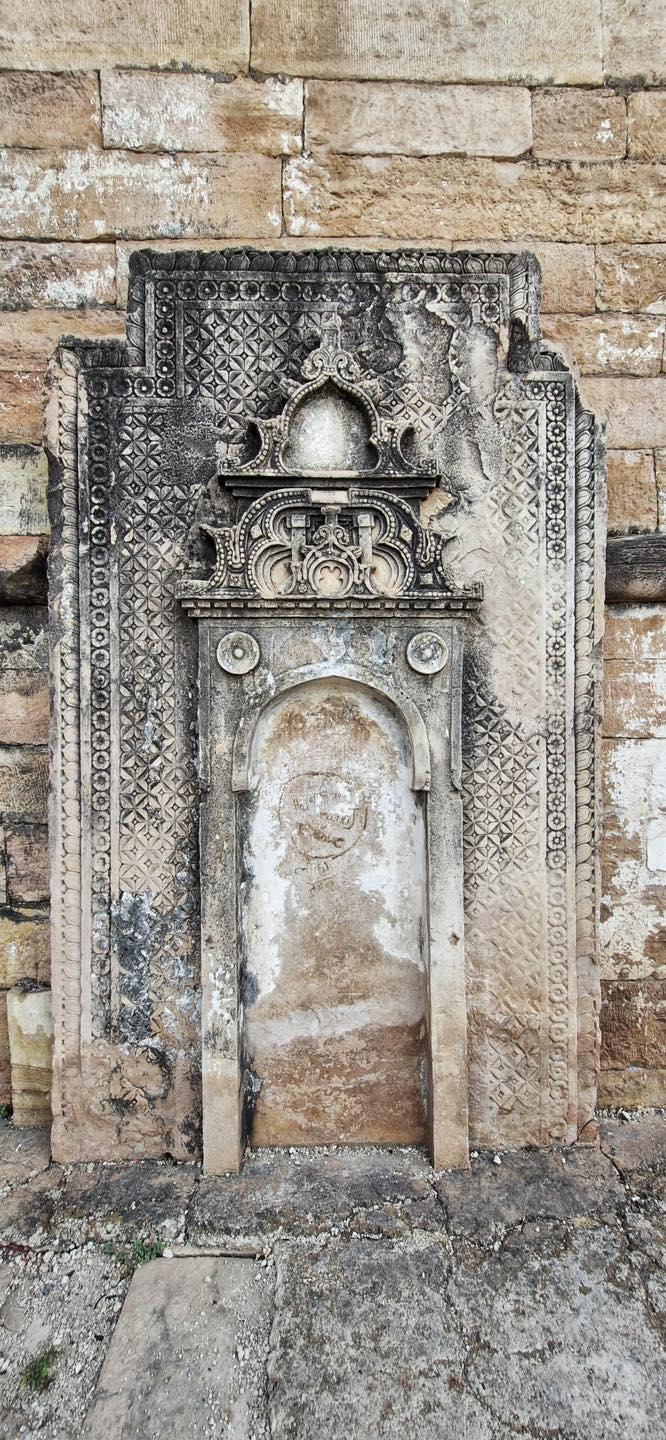
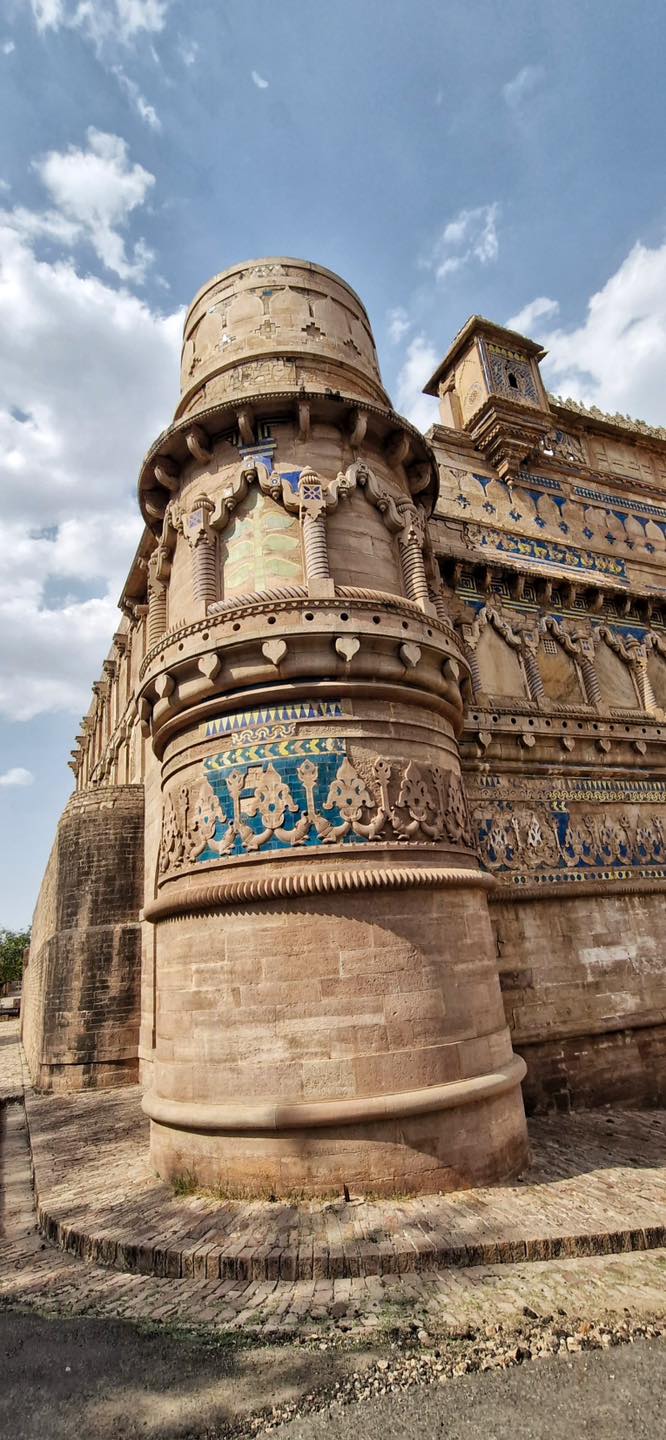
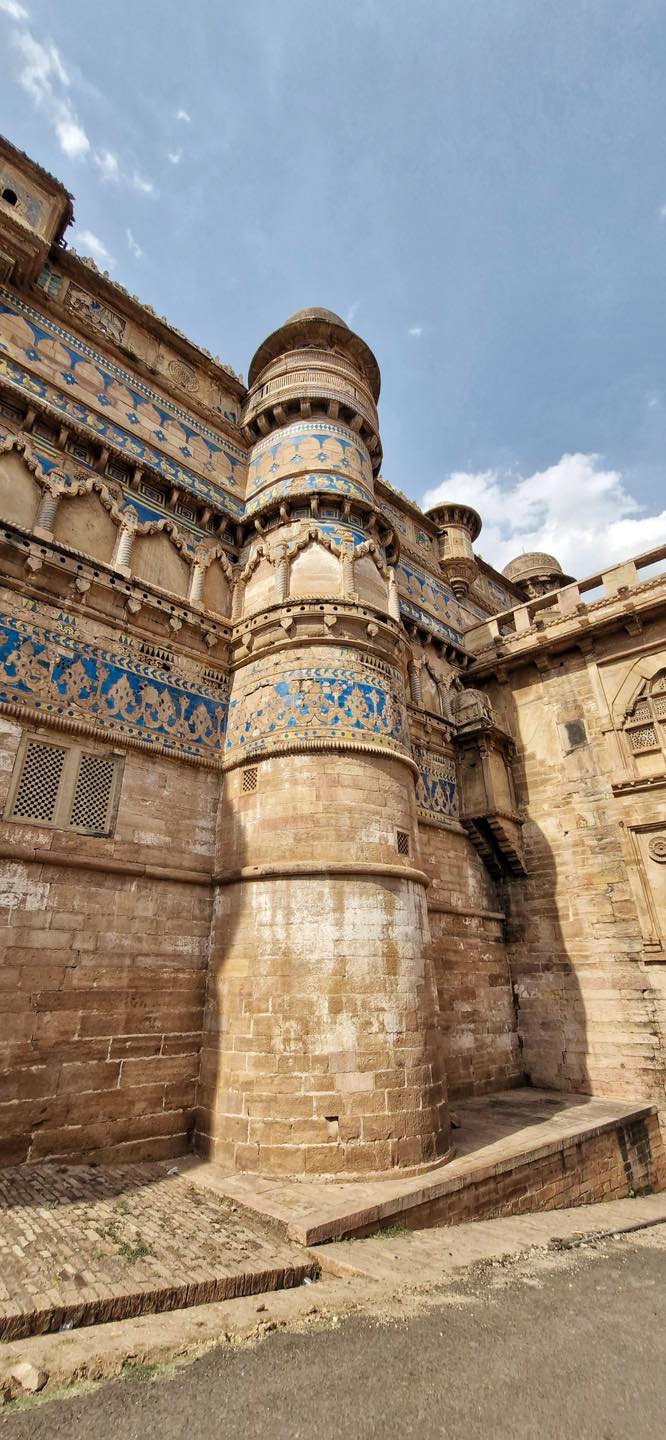
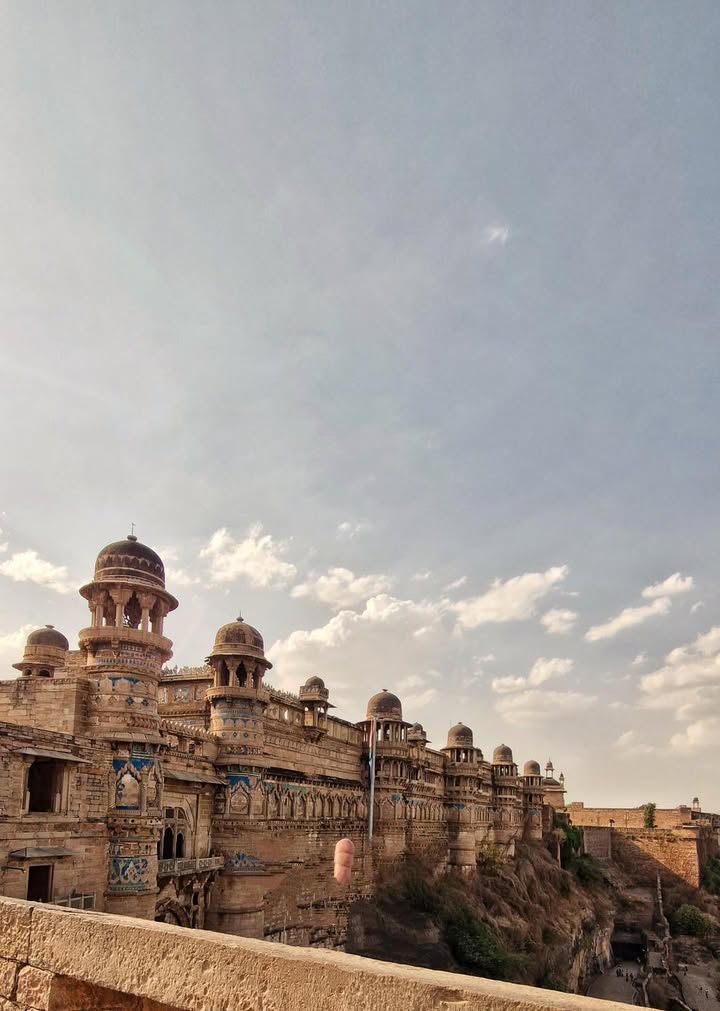
Perched atop the mighty Gwalior Fort, the Man Mandir Palace, built by Maharaja Man Singh Tomar (1486–1516), is a glowing symbol of royal opulence and artistic brilliance. Often called the “Painted Palace”, its turquoise, green, and yellow glazed tiles shimmer against the stone façade in geometric perfection.
But beneath the beauty lies a darker past.
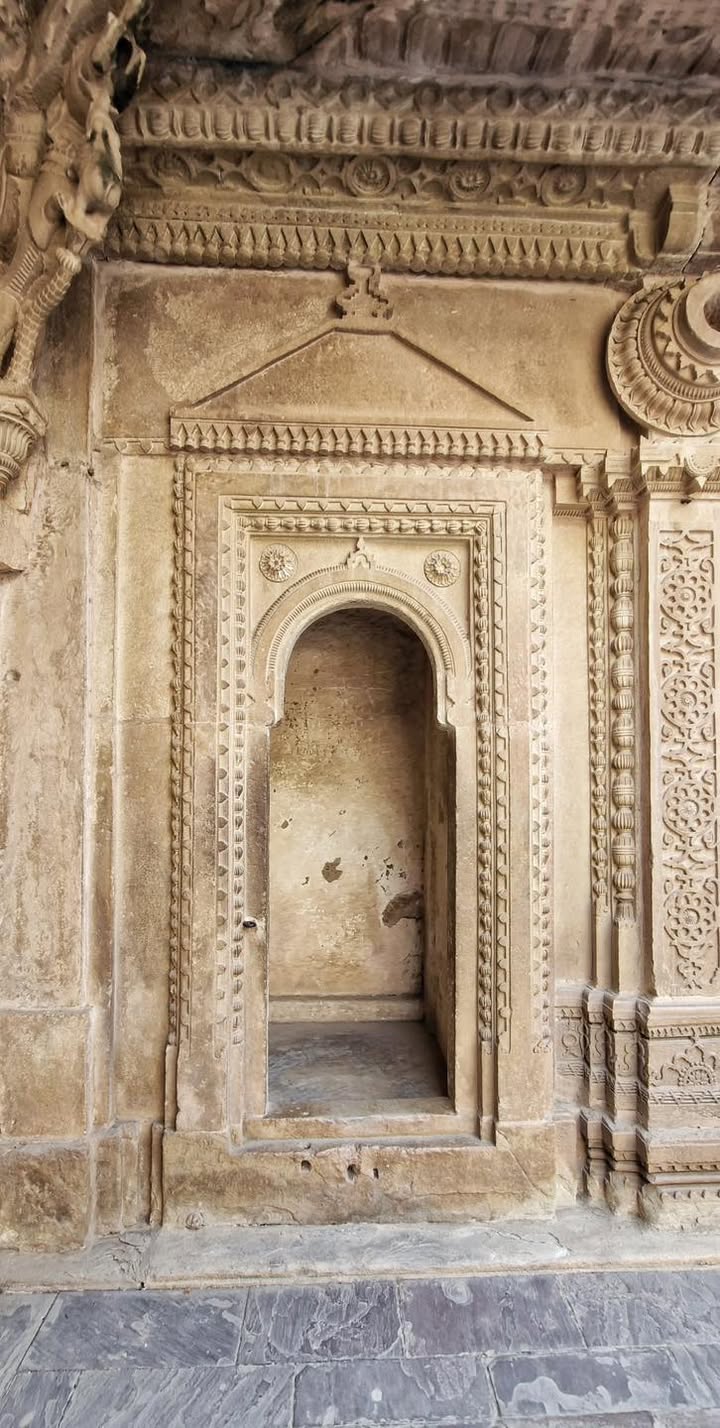
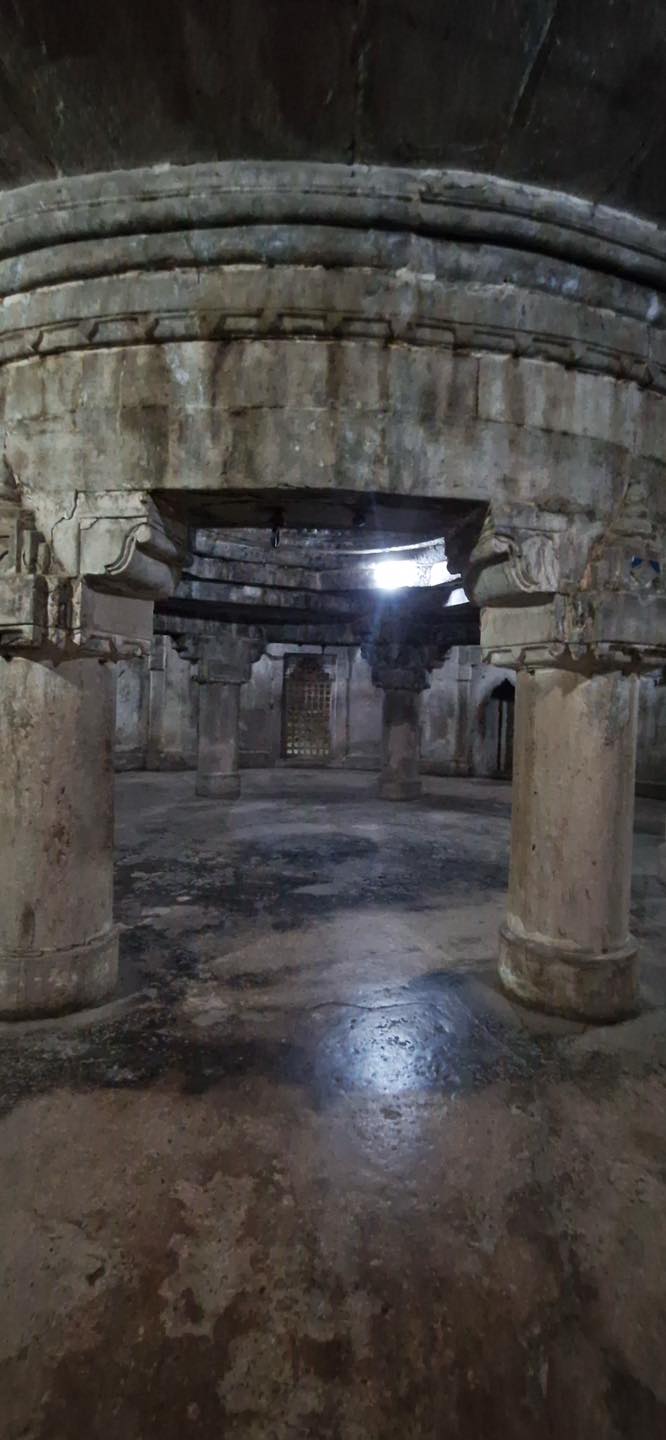
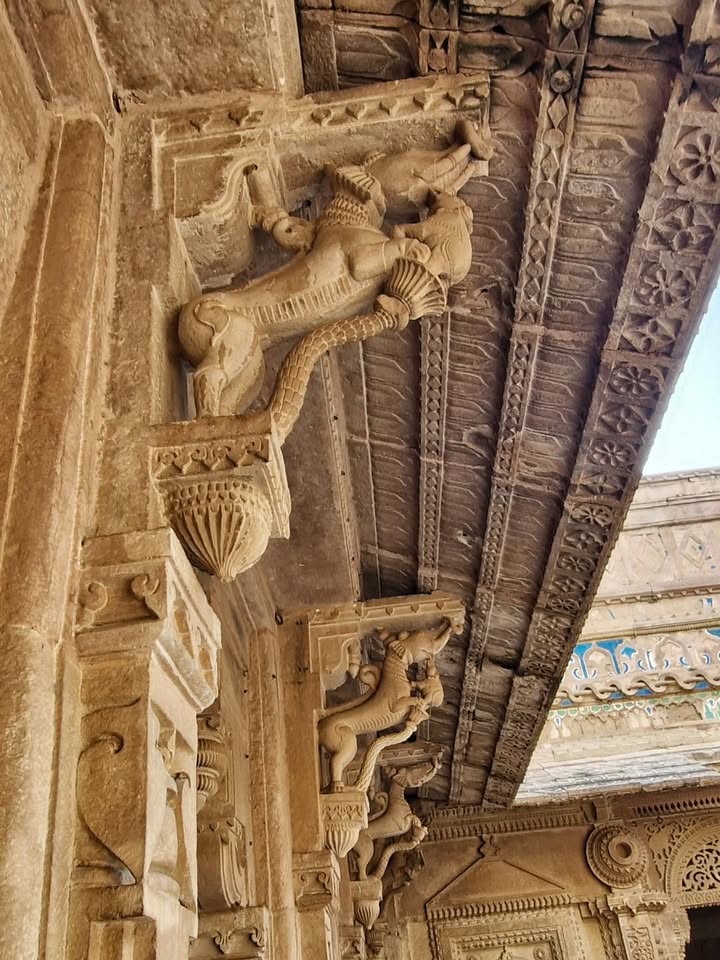
This palace, with its richly decorated courtyards, underground prison chambers, and royal chambers with hanging rings for cots and drapes, has witnessed centuries of political turmoil—from Tomars, Mughals, British to the Scindias.
Notably, Guru Hargobind was imprisoned here, only to later free 52 kings—earning the palace the title of Bandi Chor. Aurangzeb also used it as a dungeon for his own relatives, including Murad Baksh and Muhammad Sultan, who were executed here.
Despite this, the palace stands as a majestic marvel of early Hindu domestic architecture, lauded even by British archaeologist Alexander Cunningham.
Come for the colors, stay for the stories.
ग्वालियर का रंगीन महल – मान मंदिर महल
तोमर वंश के महान राजा मान सिंह द्वारा 1486 से 1516 के बीच बनवाया गया मान मंदिर महल, ग्वालियर किले का सबसे अद्भुत रत्न माना जाता है। इसे ‘पेंटेड पैलेस’ इसलिए कहा जाता है क्योंकि इसके बाहरी भाग पर नीले, पीले और हरे टाइल्स से बनी ज्यामितीय डिज़ाइन आज भी चमकती है।
लेकिन इस महल की खूबसूरती के नीचे छुपे हैं कई काले अध्याय।
यहाँ के तहखानों में मुगल बादशाह जहाँगीर ने कैदियों को यातनाएं दीं। सिखों के छठे गुरु हरगोबिंद जी को भी यहीं कैद किया गया था, लेकिन उन्होंने 52 अन्य राजाओं को भी मुक्त कर ‘बंदी छोड़’ की उपाधि पाई।
औरंगज़ेब ने भी अपने भाई मुराद बख्श और भतीजों को यहीं कैद कर मौत दी।
इसके बावजूद, यह महल अपने वैभव और वास्तुकला की भव्यता के लिए आज भी जीवित है। अलेक्ज़ेंडर कनिंघम ने इसे “उत्तर भारत की श्रेष्ठ हिंदू घरेलू वास्तुकला का उदाहरण” कहा था।
रंगों की चमक के साथ इतिहास की गहराई भी महसूस करें।
.1