




༺༻ ꧁ The Royal Echoes of Awadh — Hussainabad Picture Gallery ꧂ ༺༻.
༺༻ ꧁ The Royal Echoes of Awadh — Hussainabad Picture Gallery ꧂ ༺༻.
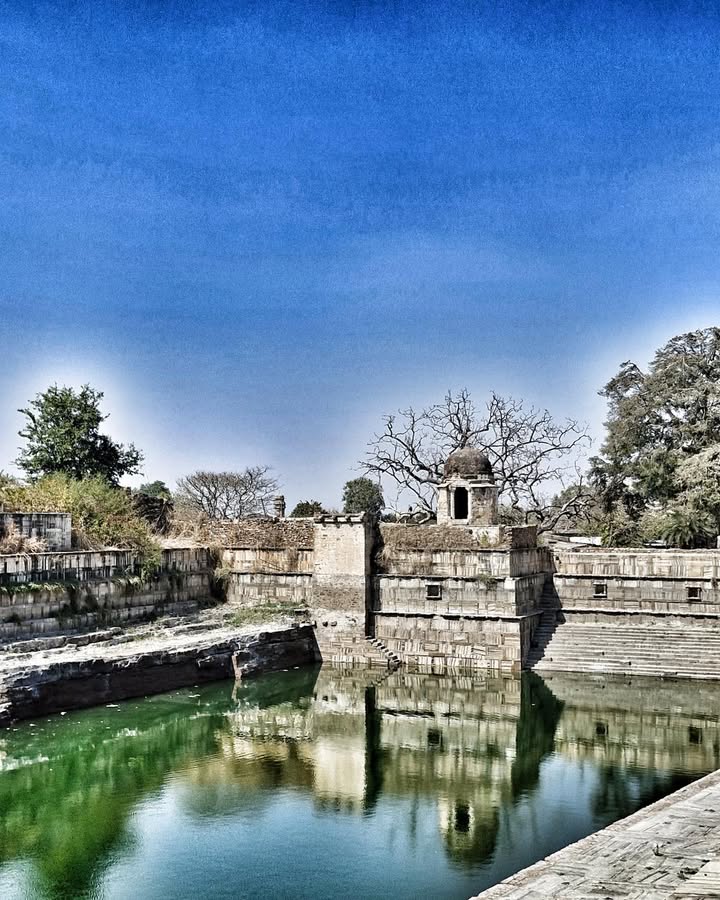
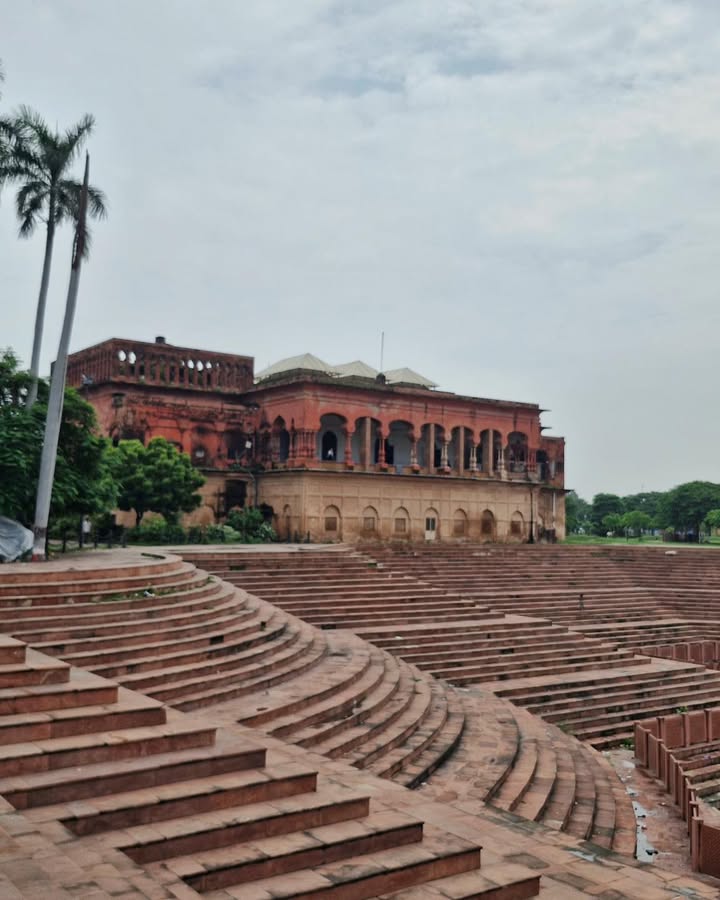
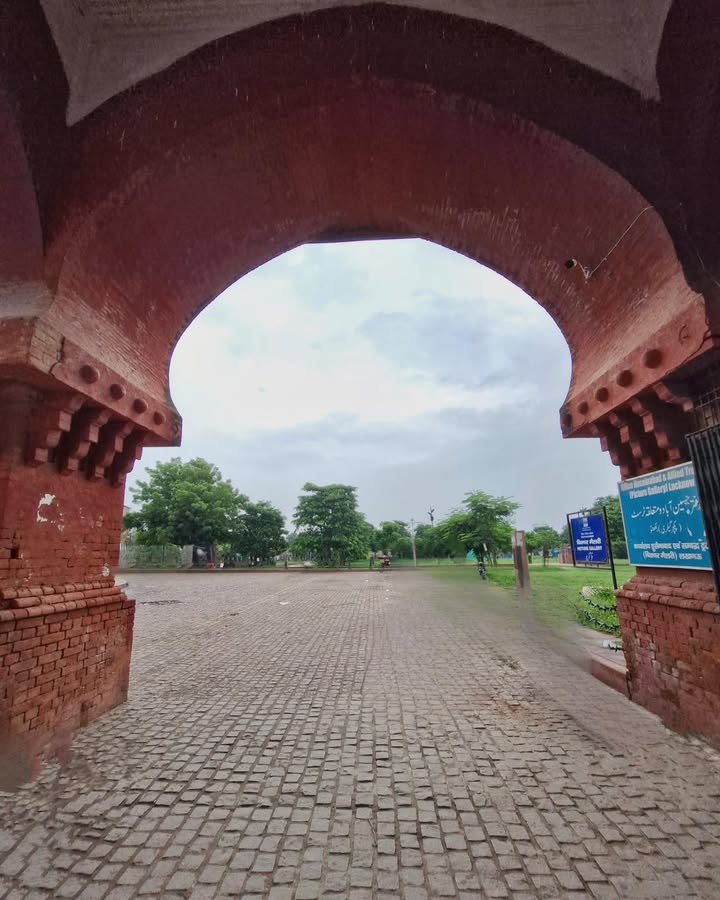
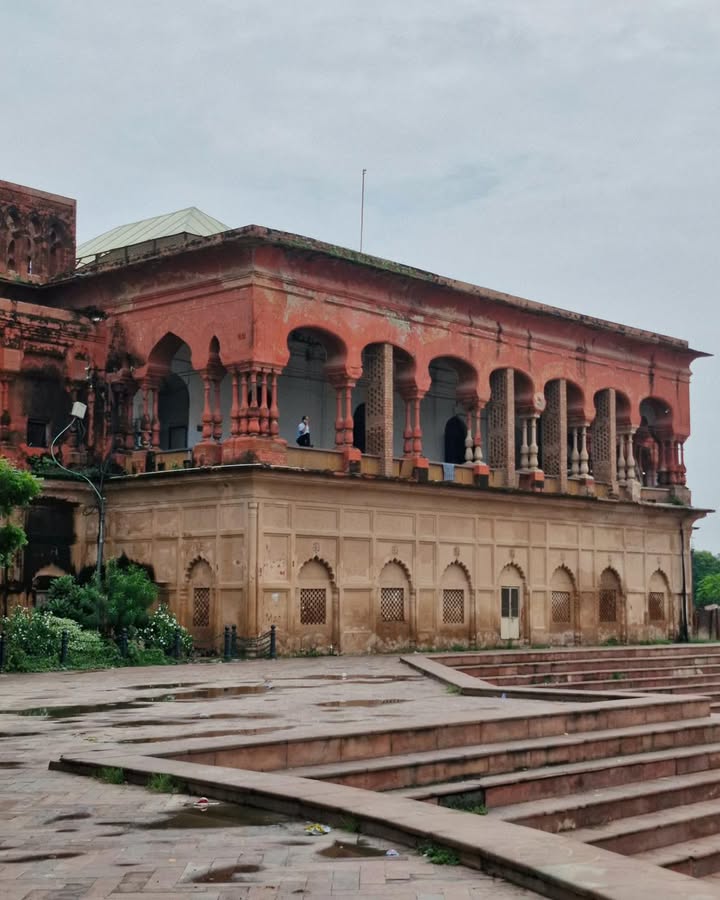
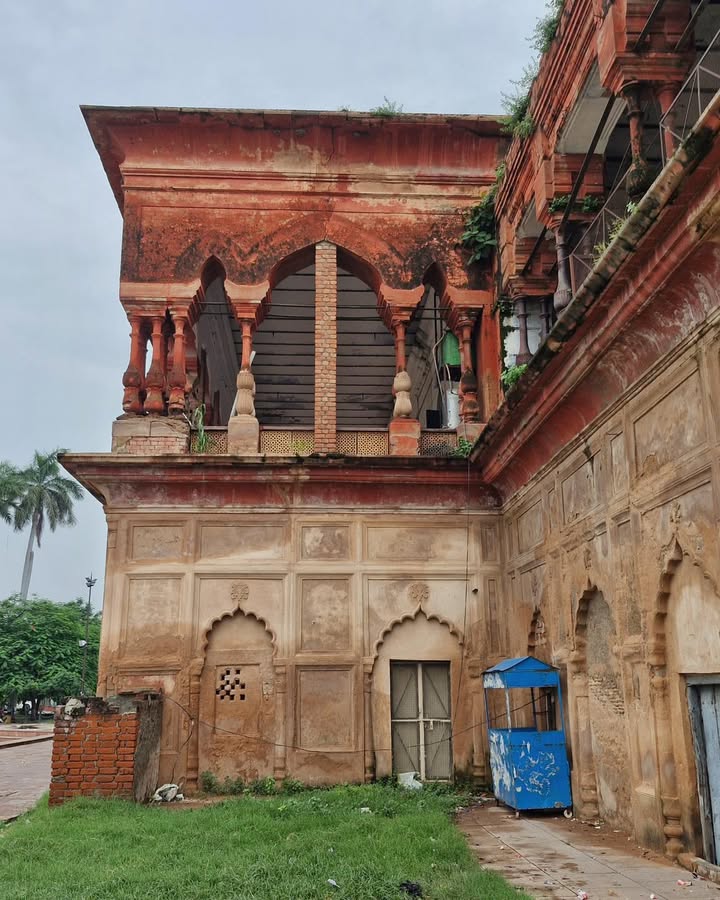
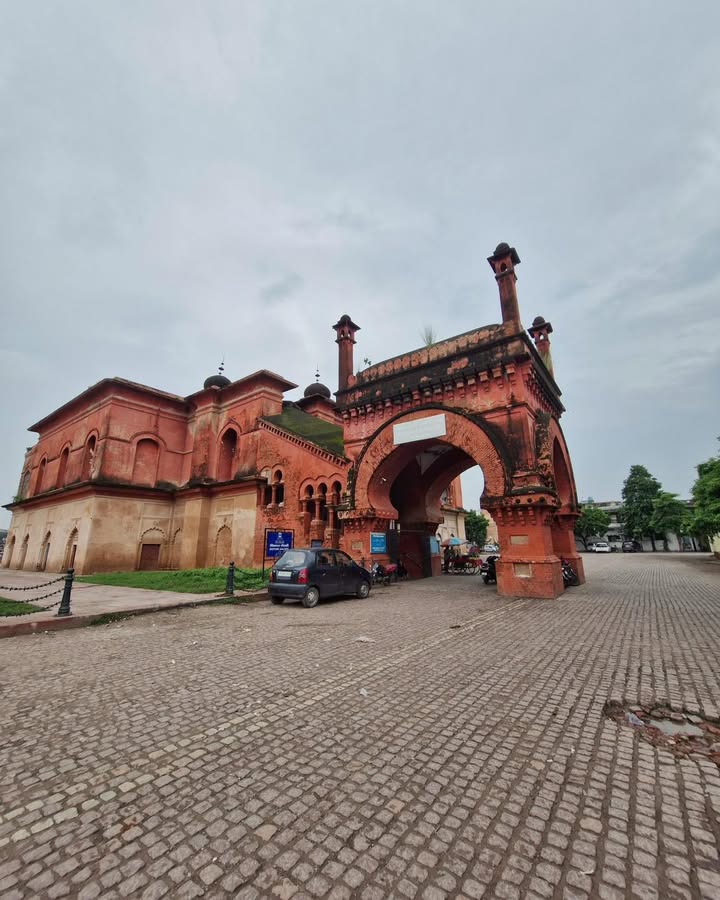
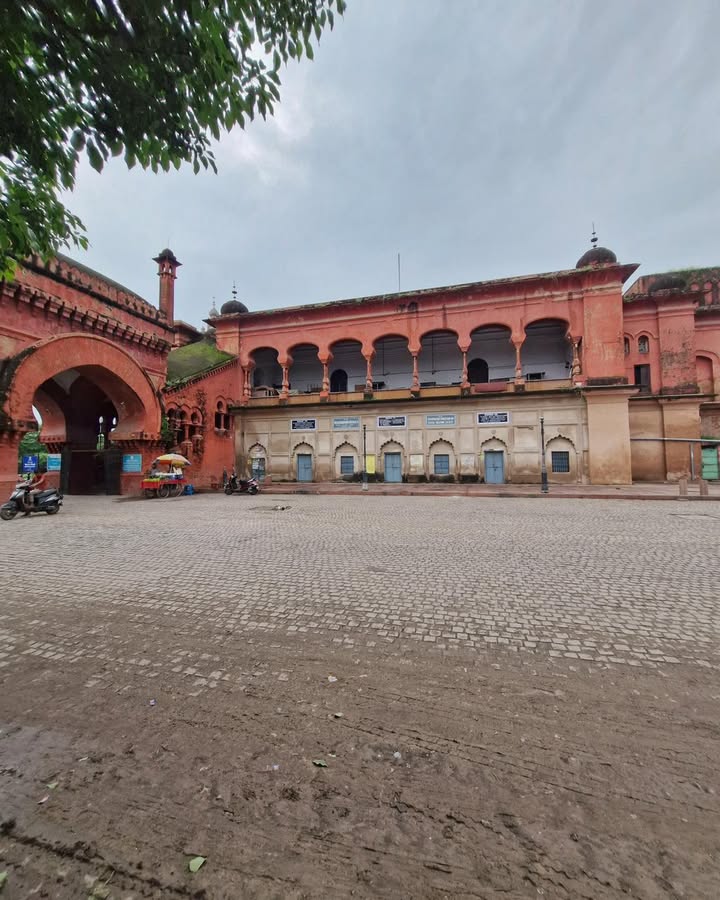
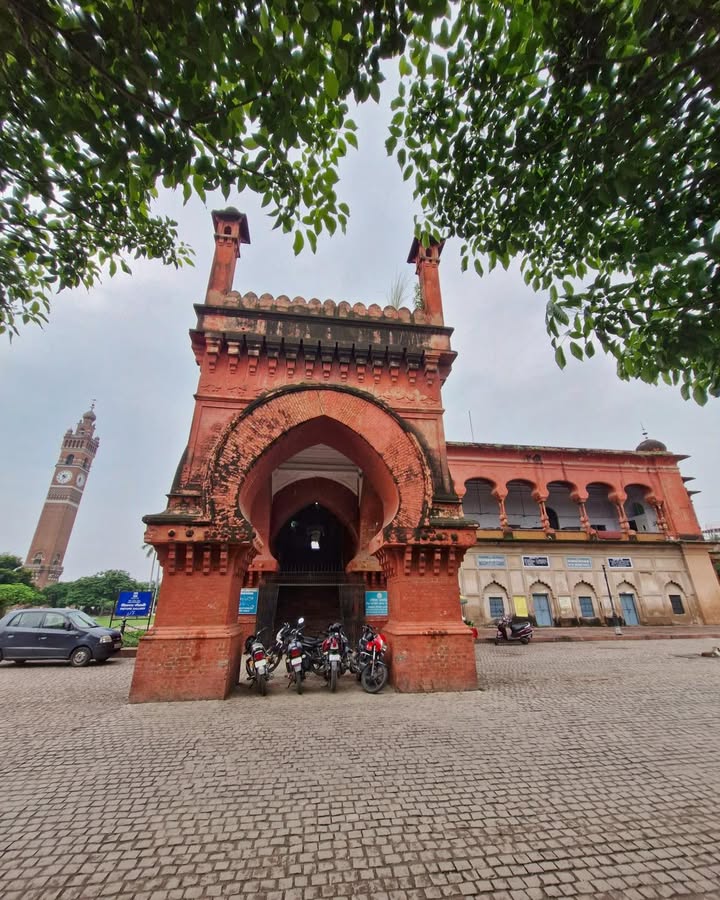
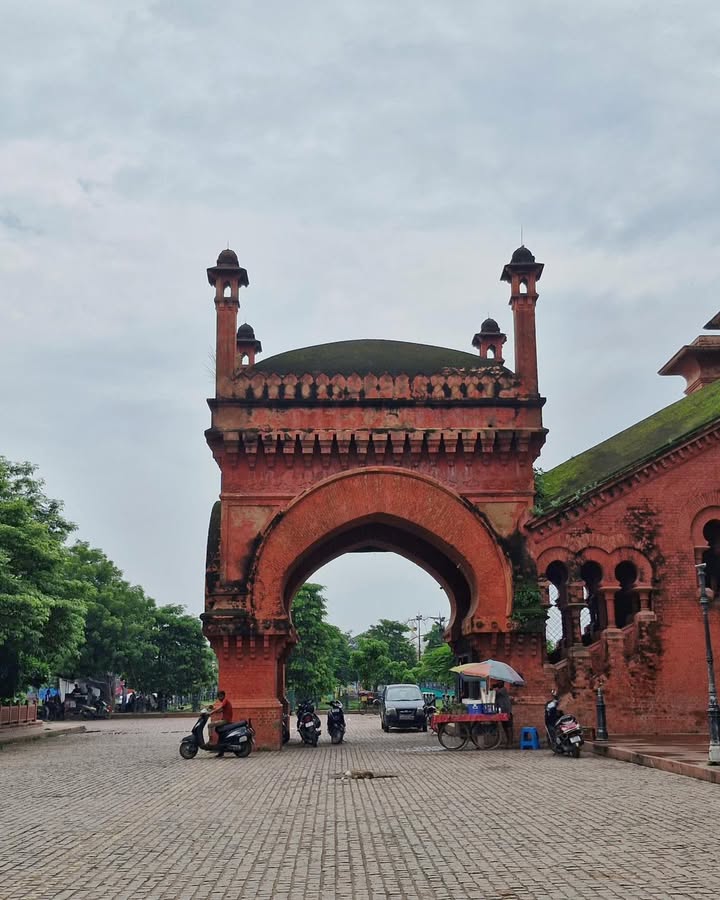
In the summer of 1838, as the era of the Nawabs of Awadh shimmered with elegance, Nawab Muhammad Ali Shah commissioned a baradari — a pavilion of twelve open doorways — overlooking a quiet pond in Hussainabad. What began as a royal retreat soon became one of the most remarkable artistic legacies of Lucknow: the Hussainabad Picture Gallery.
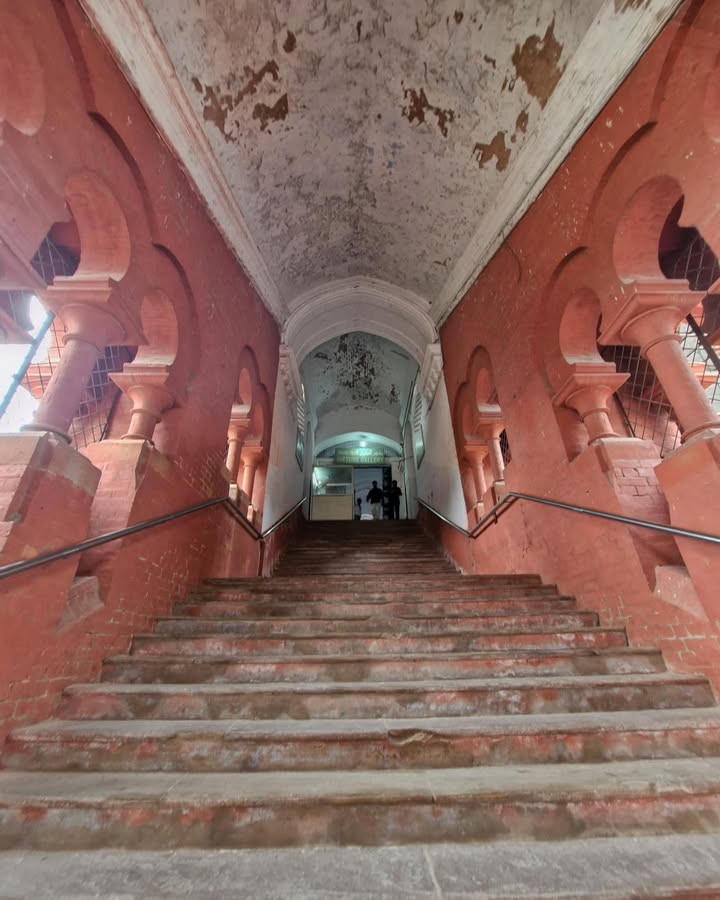
Climbing the long flight of stairs, you enter a hall where time seems suspended. Here, life-size portraits of the Nawabs stand in silent grandeur. Their costumes sparkle with the meticulous strokes of European artists like Dawling, Gravet, and Harrison, joined by Indian artist D. S. Singh between 1882 and 1885. So fine is the craftsmanship that even the royal footwear appears to shift as you move, an optical illusion that has fascinated visitors for more than a century. Many of these artworks were believed to be painted on elephant skin — a testament to the precision and richness of the Nawabi era.
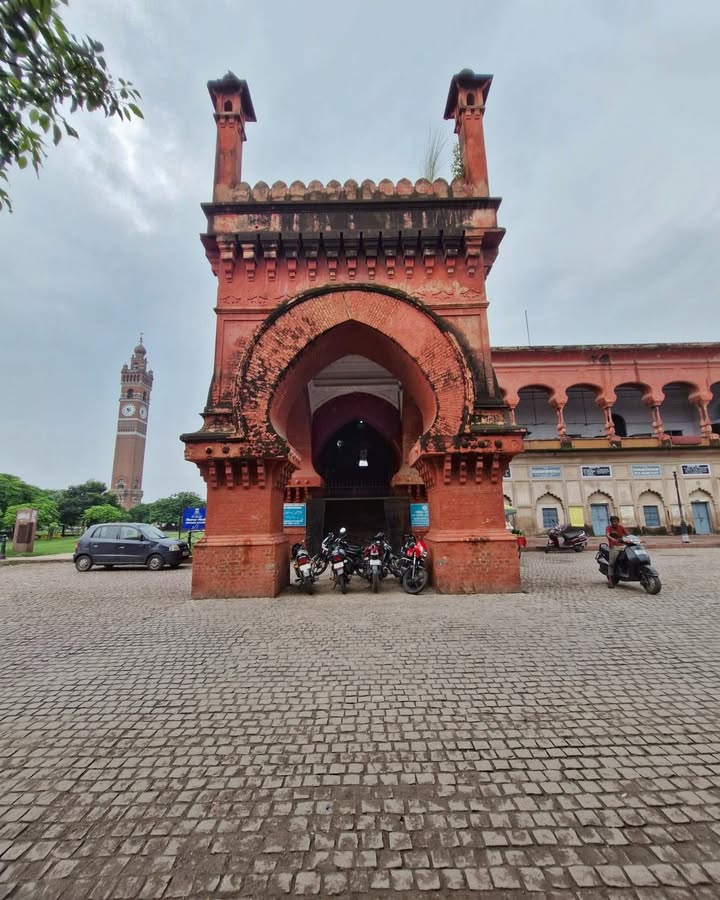
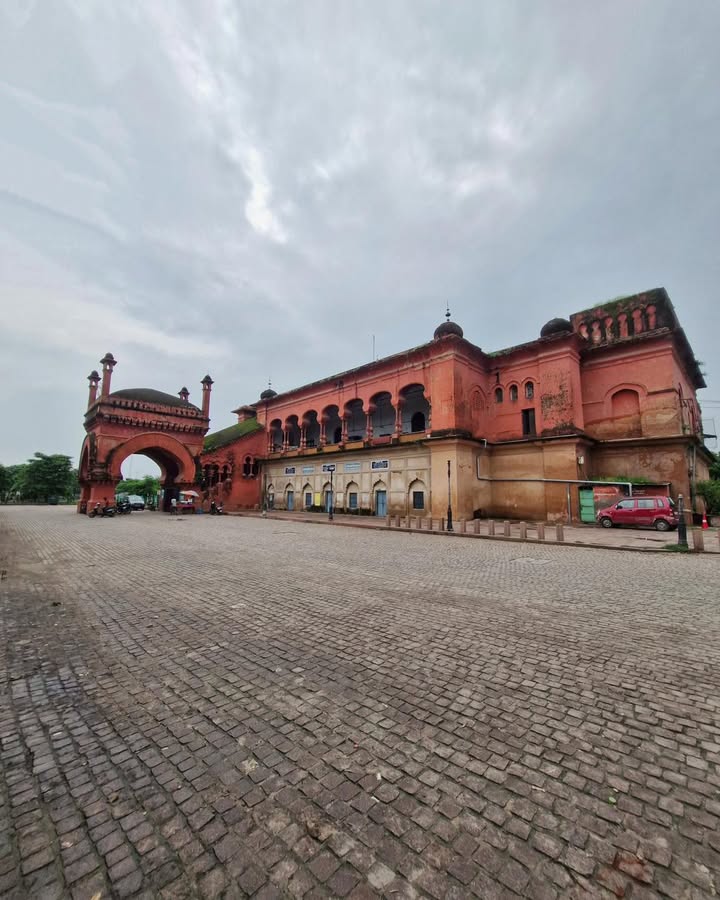
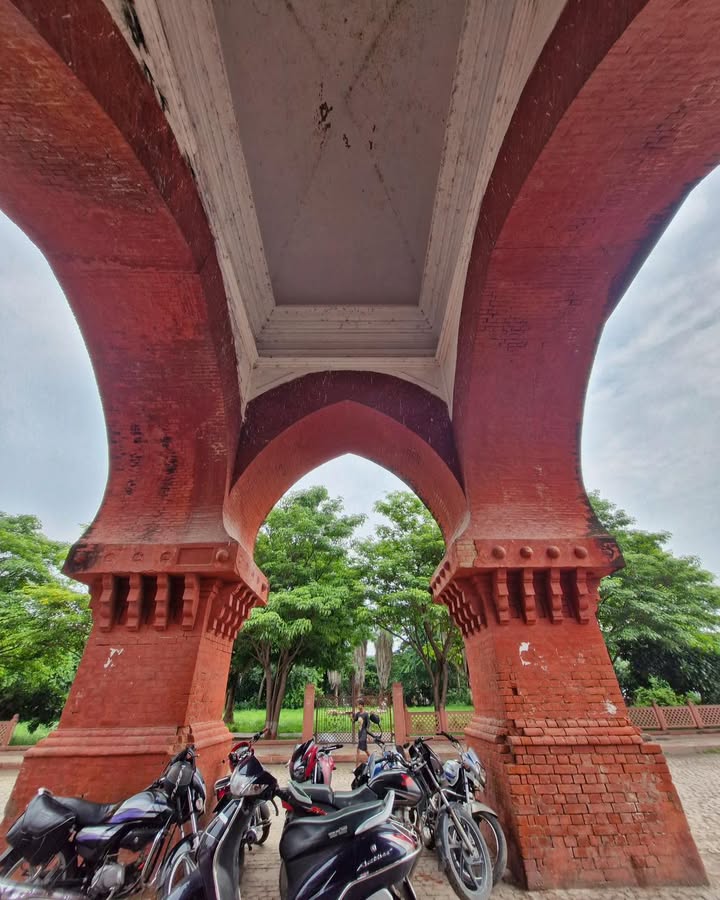
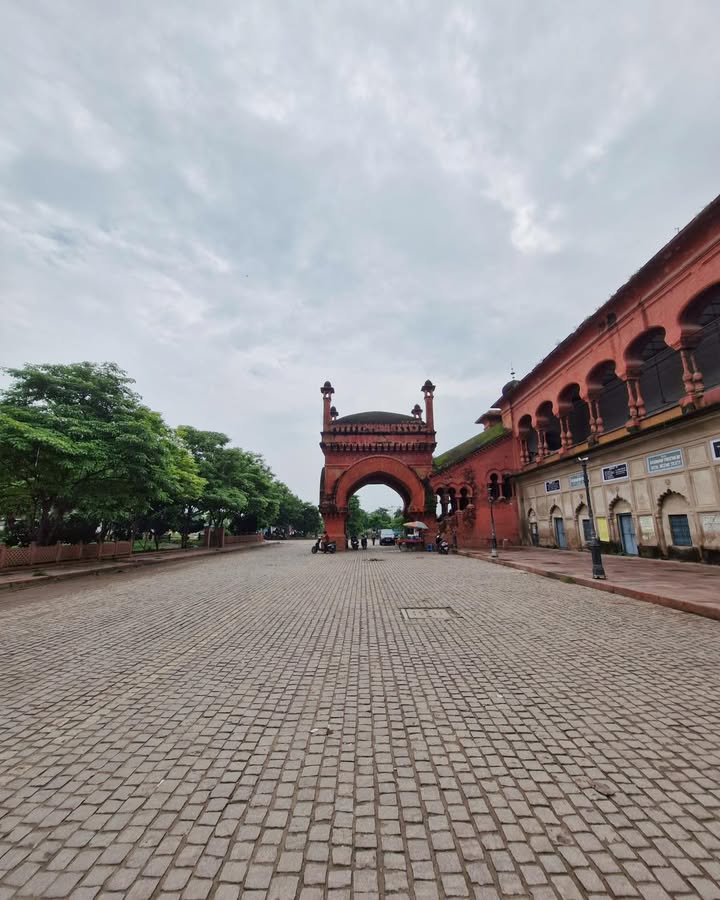
The building itself narrates its own story. It is one of the earliest structures in Awadh to use iron pillars in its upper pavilion — a rare architectural decision for that time. Around it once thrived the Mina Bazaar and royal stables for horses and elephants, forming a vibrant world that hummed around the serene pond and the magnificent baradari.
Today, standing near the Hussainabad Clock Tower and the Chhota Imambara, the Hussainabad Picture Gallery continues to preserve the royal soul of Lucknow. It is not just a museum — it is a doorway into the culture, refinement, and artistic pride of Awadh.
Explore more forgotten heritage stories and timeless architecture in ITIHASNAMA — the premium coffee-table book by StudioDharma featuring 25 handpicked stories of Meerut.
Purchase here:
༺༻ ꧁ अवध की शाही प्रतिध्वनियाँ — हुसैनाबाद पिक्चर गैलरी ꧂ ༺༻
साल 1838 में, जब अवध की नवाबी तहज़ीब अपने शबाब पर थी, नवाब मोहम्मद अली शाह ने हुसैनाबाद में एक खूबसूरत बारादरी का निर्माण करवाया — बारह दरवाज़ों वाला वह ढांचा जो गर्मियों के मौसम में राजपरिवार का ठिकाना भी था और एक कलात्मक धरोहर भी।
सीढ़ियाँ पार करते हुए जैसे ही आप गैलरी के मुख्य कक्ष में पहुँचते हैं, एक बीता हुआ दौर आपके सामने खुल जाता है। यहाँ अवध के नवाबों की लम्बी, जीवन-परक प्रतिमाएँ सजी हैं — इतनी बारीकी से कि पोशाकों की कढ़ाई, आभूषणों की चमक और यहाँ तक कि जूतों की आकृति भी चलते-फिरते सी प्रतीत होती है। यूरोपीय कलाकार Dawling, Gravet, Harrison और भारतीय कलाकार डी. एस. सिंह ने 1882-85 के बीच इन चित्रों को जीवंत बनाया। माना जाता है कि इनमें से कई चित्र हाथी की खाल पर बनाए गए थे, जो उस समय की कलात्मक नज़ाकत को दर्शाते हैं।
इमारत की कहानी भी उतनी ही दिलचस्प है। ऊपरी मंडप में लगे लोहे के स्तंभ नवाबी वास्तुकला में पहली बार इस्तेमाल किए गए थे — अपने समय का एक साहसी प्रयोग। इसी परिसर में कभी शाही अस्तबल और मीना बाज़ार भी हुआ करते थे, जो तालाब के किनारे इस जगह को एक जीवंत सांस्कृतिक केंद्र बनाते थे।
आज हुसैनाबाद के घंटाघर और छोटा इमामबाड़ा के पास स्थित यह पिक्चर गैलरी लखनऊ की शाही आत्मा की एक जीवित झलक है — इतिहास, संस्कृति और कला का संगम।
ऐसी ही और दुर्लभ विरासत कथाएँ पढ़ें ITIHASNAMA — StudioDharma की प्रीमियम कॉफी-टेबल बुक, जिसमें मेरठ की 25 चुनिंदा कहानियाँ शामिल हैं।
अपनी प्रति यहाँ प्राप्त करें:
.1