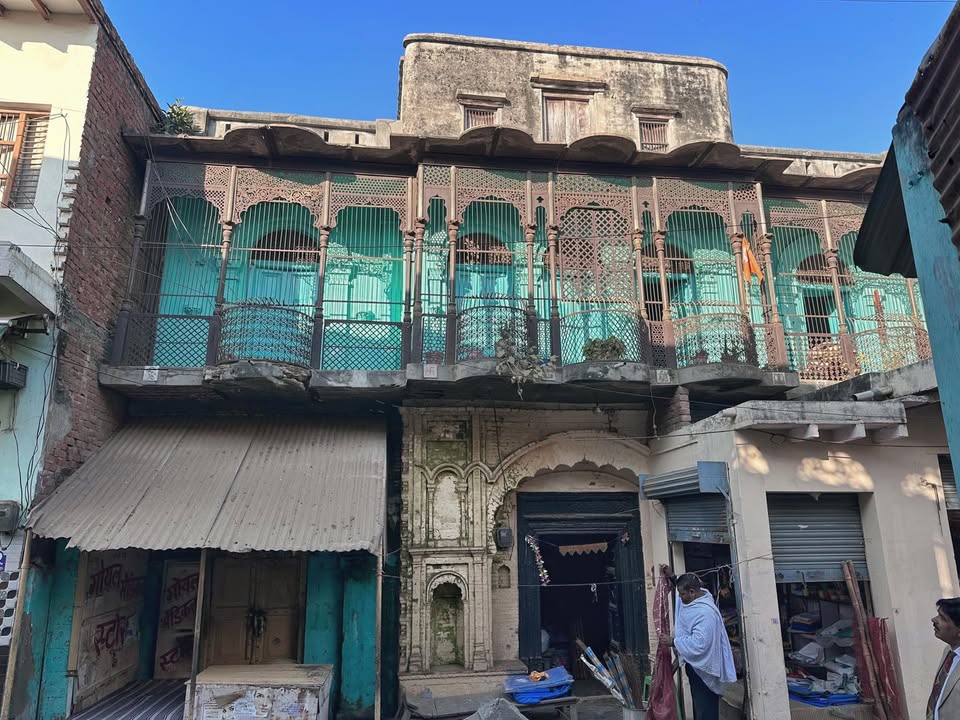
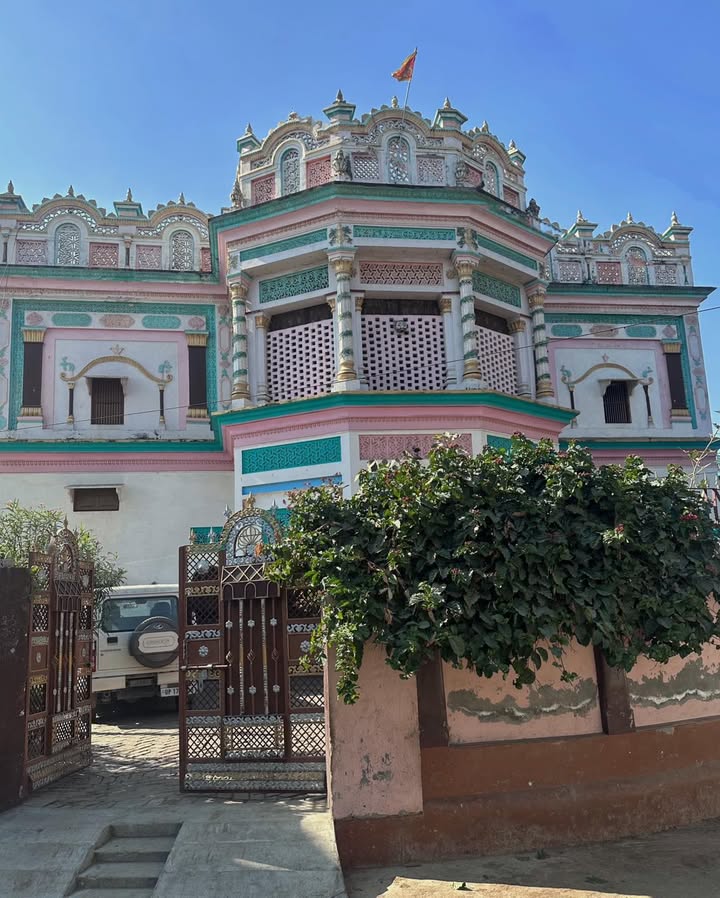

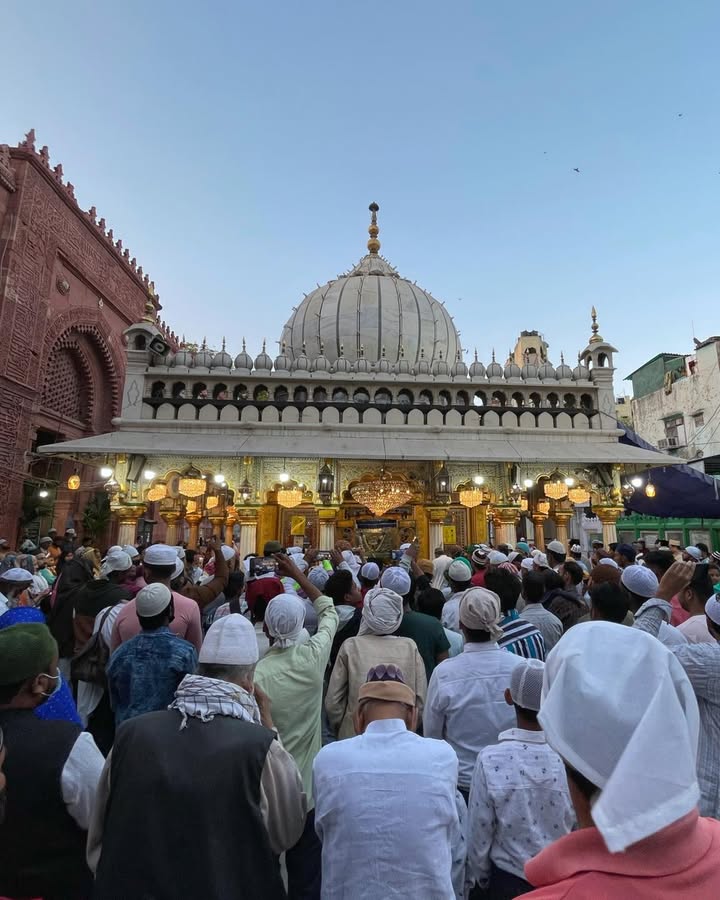
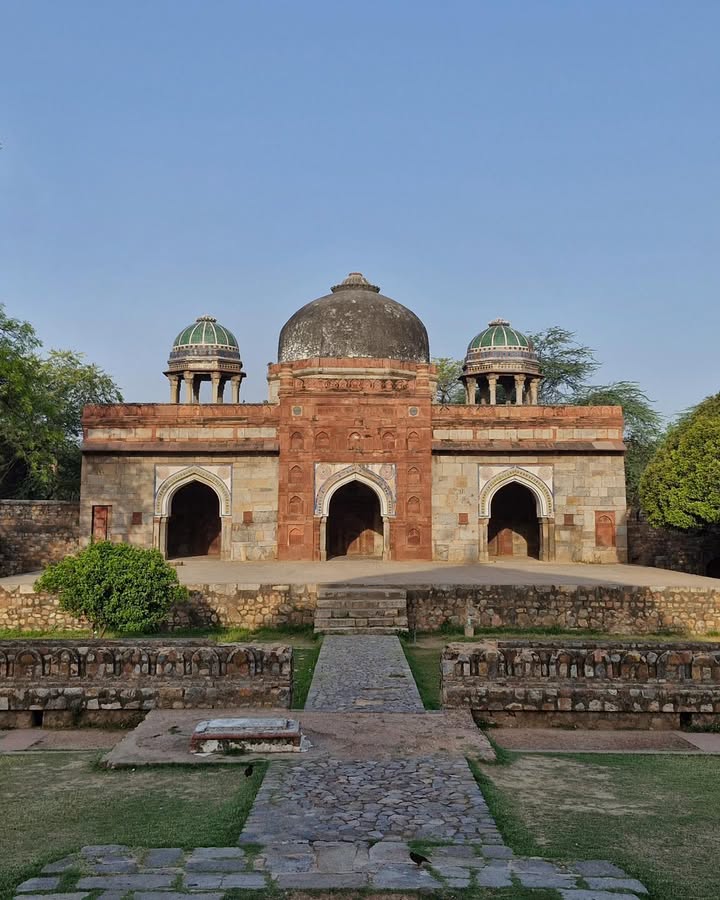











𝓚𝓪𝓵𝓲 𝓑𝓪𝓻𝓲 𝓣𝓮𝓶𝓹𝓵𝓮, 𝓢𝓱𝓲𝓶𝓵𝓪 — 𝓦𝓱𝓮𝓻𝓮 𝓣𝓲𝓶𝓮, 𝓕𝓪𝓲𝓽𝓱 & 𝓗𝓲𝓼𝓽𝓸𝓻𝔂 𝓒𝓸𝓷𝓿𝓮𝓻𝓰𝓮.


𝓚𝓪𝓵𝓲 𝓑𝓪𝓻𝓲 𝓣𝓮𝓶𝓹𝓵𝓮, 𝓢𝓱𝓲𝓶𝓵𝓪 — 𝓦𝓱𝓮𝓻𝓮 𝓣𝓲𝓶𝓮, 𝓕𝓪𝓲𝓽𝓱 & 𝓗𝓲𝓼𝓽𝓸𝓻𝔂 𝓒𝓸𝓷𝓿𝓮𝓻𝓰𝓮.
Perched quietly on Bantony Hill, the Kali Bari Temple is not merely a place of worship—it is a living chapter of Shimla’s early history. Established in 1845 by the Bengali saint Ram Charan Brahmachari, the temple is dedicated to Goddess Kali, revered here in her form as Shyamala.
Historical records indicate that even before the formal construction, a wooden idol of the Goddess was worshipped here as early as 1823, reflecting the deep spiritual presence of Kali in the region. The temple was originally located near Jakhoo Hill, close to Rothney Castle, but during the British period it was relocated to its present site on Bantony Hill—where it stands today as a serene spiritual landmark amid colonial Shimla.
The temple’s significance extends beyond architecture. It is widely believed that the name “Shimla” itself is derived from Shyamala, another name of Goddess Kali—a belief deeply embedded in local tradition. The striking blue wooden idol inside the sanctum reflects a style reminiscent of the Dakshineswar Kali Temple, highlighting the Bengali cultural influence brought by early settlers.
Since 1902, the temple has been managed by a dedicated trust, largely comprising members of the Bengali community. Even today, Kali Bari remains a spiritual anchor for devotees and a place of quiet reflection for travelers—especially vibrant during Navratri, when faith and festivity fill the hill air.
This is not just a temple.
It is where belief quietly shaped the identity of a city.
If you appreciate such authentic heritage narratives, explore ITIHASNAMA by StudioDharma—a premium coffee table book documenting forgotten and living histories through images and research-driven storytelling.
To order your copy, use the official link below:
काली बाड़ी मंदिर, शिमला — आस्था, इतिहास और समय का संगम
बेंटनी हिल पर स्थित काली बाड़ी मंदिर, शिमला केवल एक धार्मिक स्थल नहीं, बल्कि शहर के आरंभिक इतिहास का सजीव प्रमाण है। इसकी स्थापना 1845 में बंगाली संत रामचरण ब्रह्मचारी द्वारा देवी काली—यहाँ उनके श्यामला स्वरूप—को समर्पित करते हुए की गई थी।
ऐतिहासिक संदर्भ बताते हैं कि औपचारिक मंदिर निर्माण से पहले ही 1823 में यहाँ देवी की लकड़ी की मूर्ति की पूजा आरंभ हो चुकी थी। प्रारंभ में यह मंदिर जाखू पहाड़ी के पास, रॉथनी कैसल क्षेत्र में स्थित था, जिसे बाद में ब्रिटिश काल में वर्तमान बेंटनी हिल पर स्थानांतरित किया गया।
स्थानीय मान्यता के अनुसार, “शिमला” नाम देवी श्यामला से ही जुड़ा है—जो देवी काली का ही एक स्वरूप है। मंदिर में स्थापित नीली रंग की लकड़ी की प्रतिमा बंगाली काली उपासना परंपरा की झलक देती है और इसकी शैली कोलकाता के दक्षिणेश्वर काली मंदिर से साम्यता रखती है।
1902 से एक ट्रस्ट द्वारा संचालित यह मंदिर आज भी श्रद्धालुओं और पर्यटकों के लिए आस्था और शांति का केंद्र बना हुआ है, विशेषकर नवरात्रि के दौरान।
ऐसी ही ऐतिहासिक और शोध-आधारित विरासत कथाओं के लिए StudioDharma की प्रीमियम कॉफी टेबल बुक ‘ITIHASNAMA’ अवश्य देखें।
पुस्तक मंगाने के लिए आधिकारिक लिंक: