





𝓜𝓪𝓼𝓪𝓷 𝓚𝓲 𝓗𝓸𝓵𝓲, 𝓥𝓪𝓻𝓪𝓷𝓪𝓼𝓲 – 𝓣𝓱𝓮 𝓕𝓲𝓻𝓮 𝓸𝓯 𝓚𝓪𝓼𝓱𝓲, 𝓣𝓱𝓮 𝓢𝓸𝓾𝓵 𝓸𝓯 𝓑𝓪𝓷𝓪𝓻𝓪𝓼.
𝓜𝓪𝓼𝓪𝓷 𝓚𝓲 𝓗𝓸𝓵𝓲, 𝓥𝓪𝓻𝓪𝓷𝓪𝓼𝓲 – 𝓣𝓱𝓮 𝓕𝓲𝓻𝓮 𝓸𝓯 𝓚𝓪𝓼𝓱𝓲, 𝓣𝓱𝓮 𝓢𝓸𝓾𝓵 𝓸𝓯 𝓑𝓪𝓷𝓪𝓻𝓪𝓼.
In the ancient city of Varanasi, where fire never sleeps and the Ganga flows beside centuries of faith, Holi takes on a form unlike anywhere else in India.
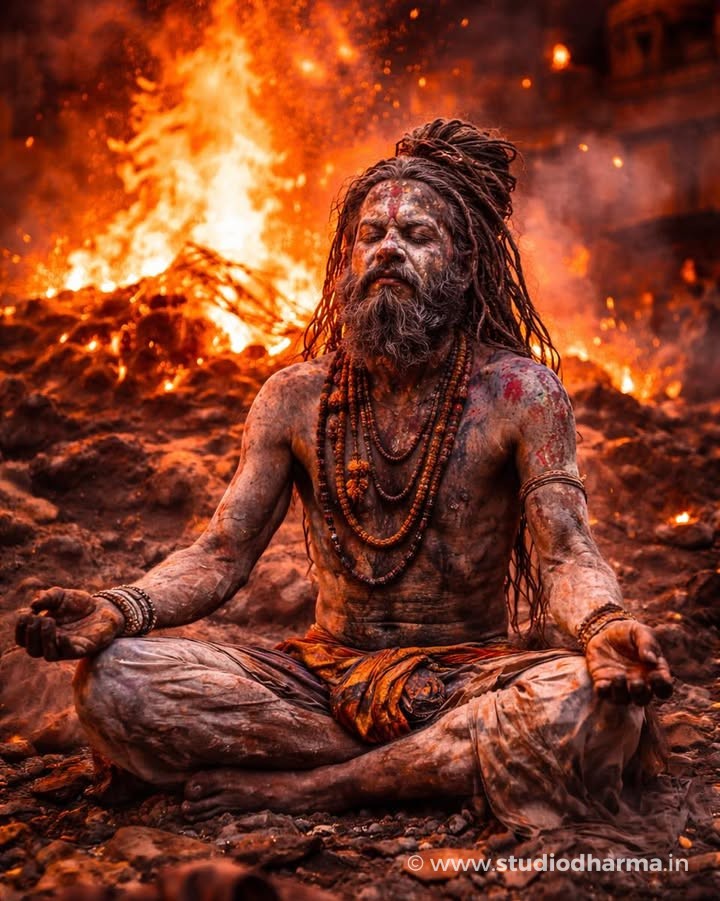
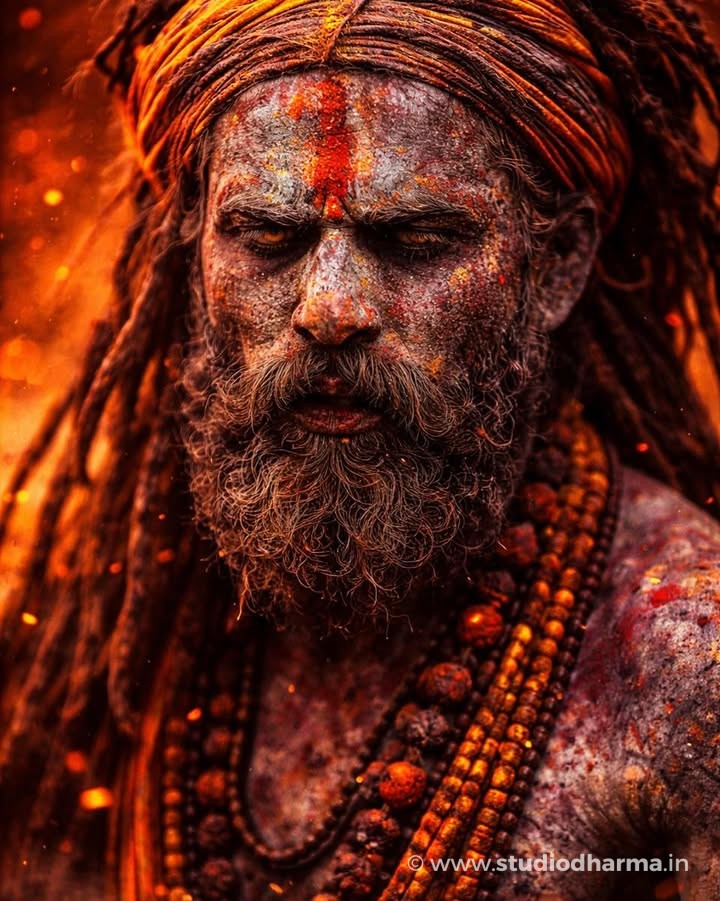
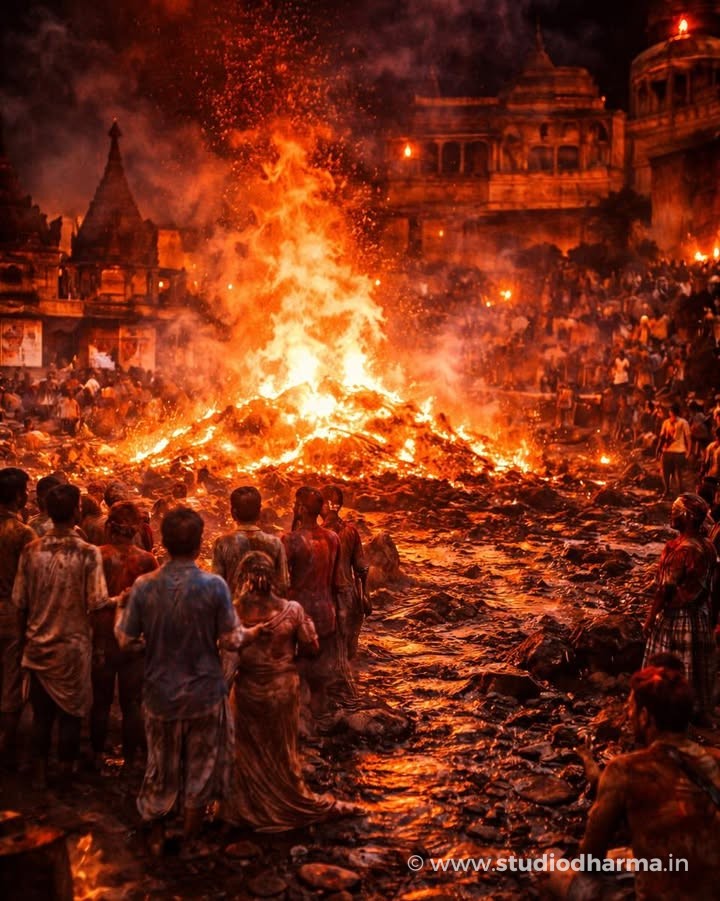
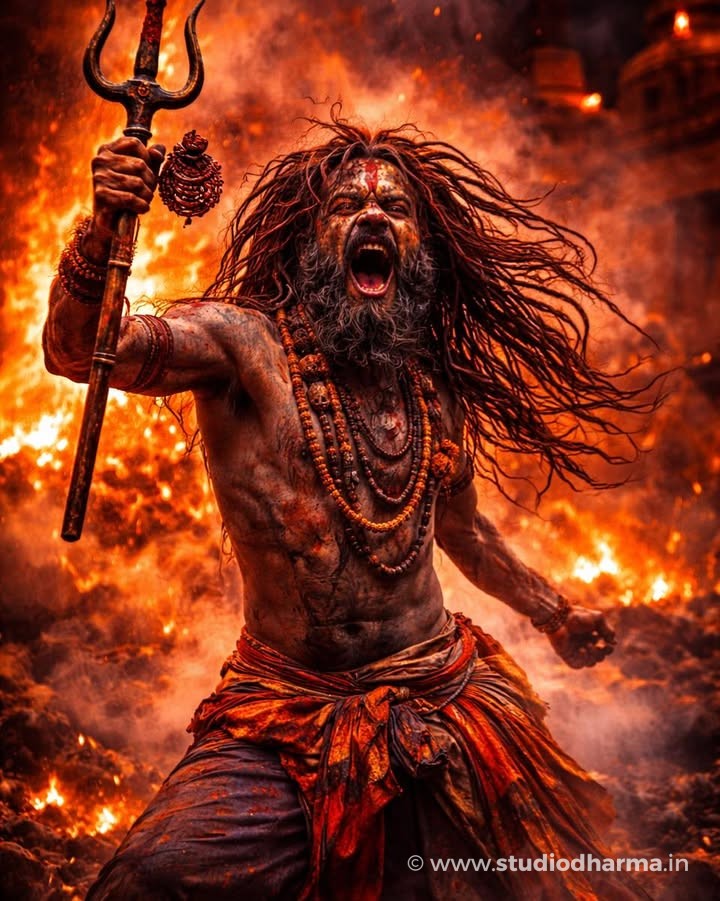
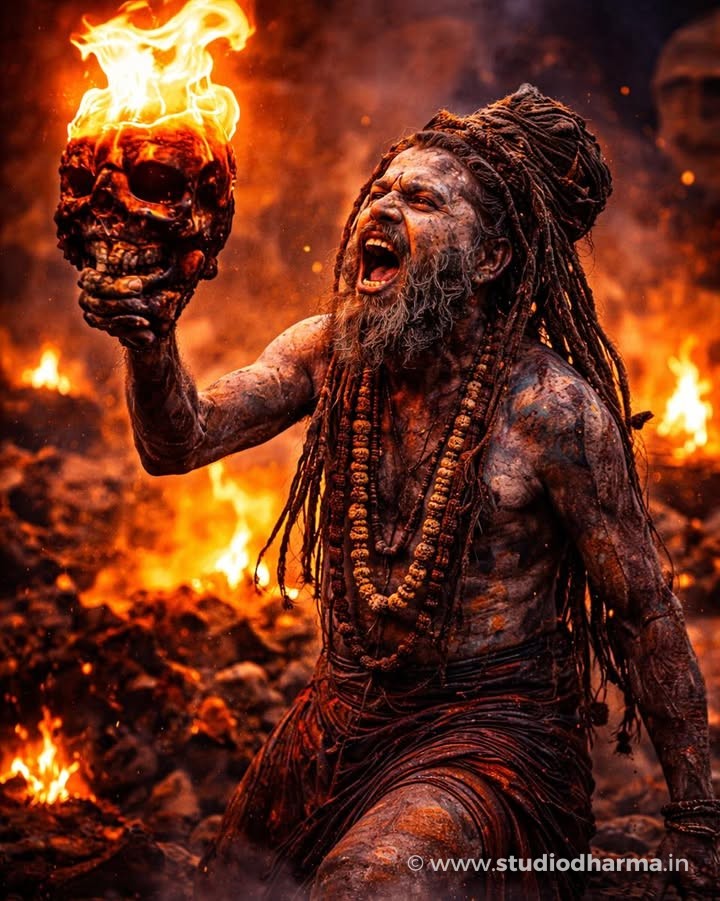
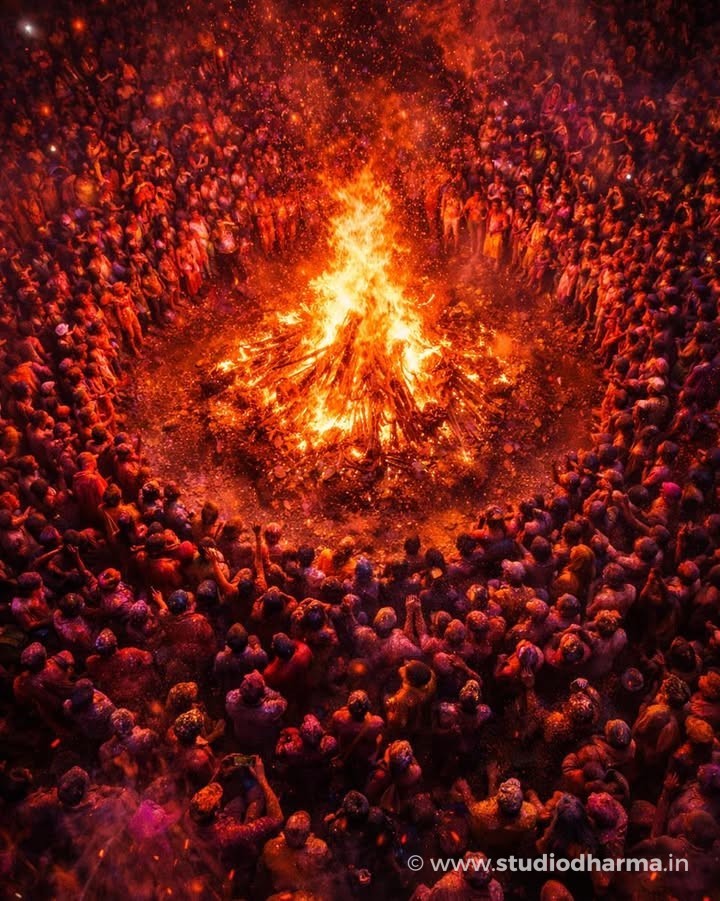
At Manikarnika Ghat, one of Hinduism’s most sacred cremation grounds, a ritual known as Masan Ki Holi unfolds — a celebration that stands at the intersection of life, death, devotion, and detachment.
The word “Masan” means cremation ground. Here, Holi is not merely about colours. It is about transcendence.
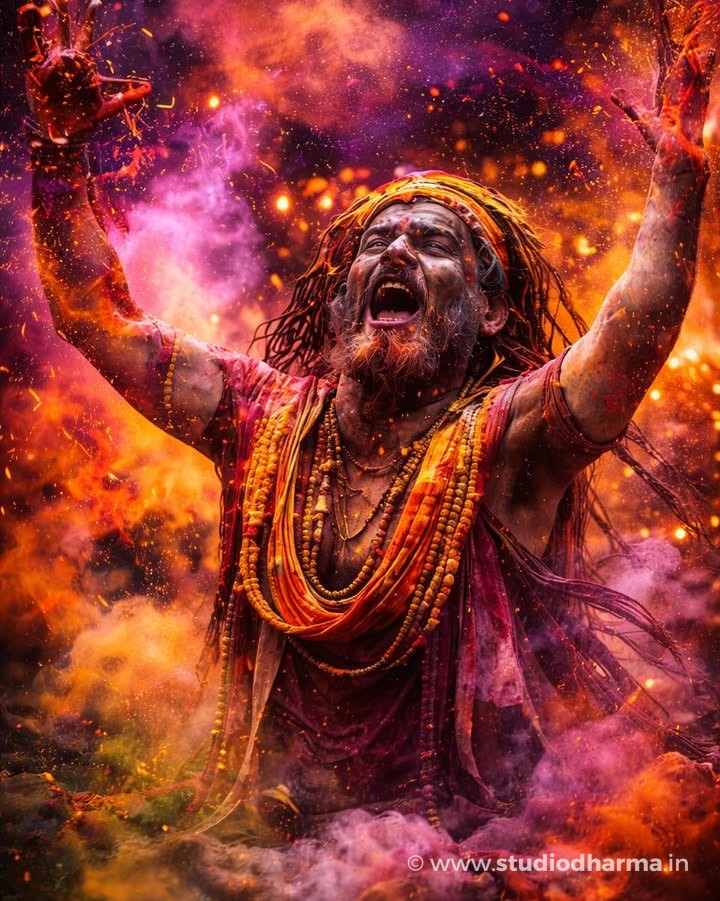
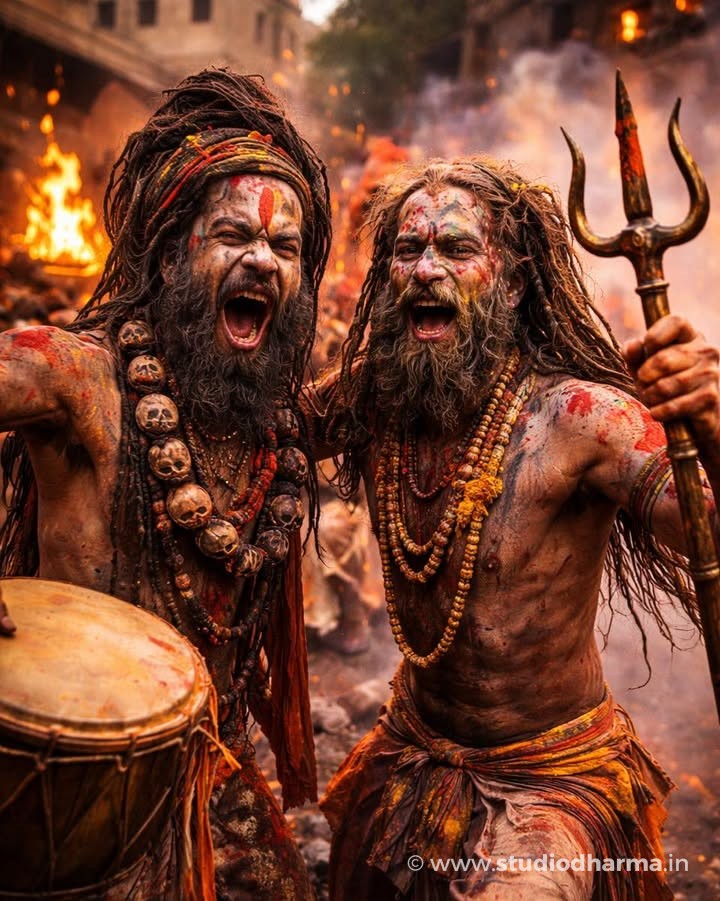
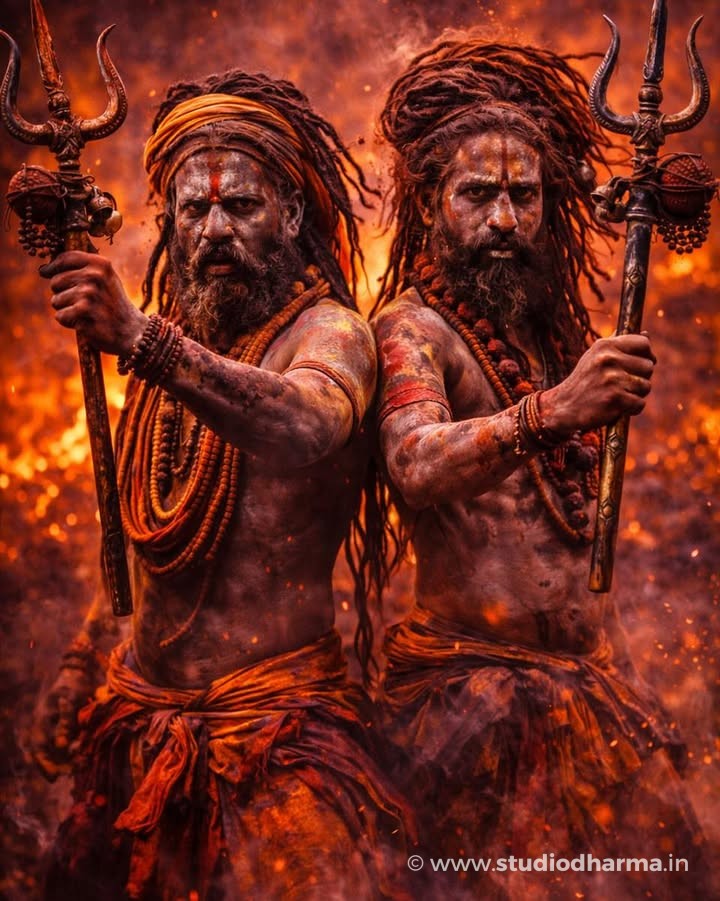
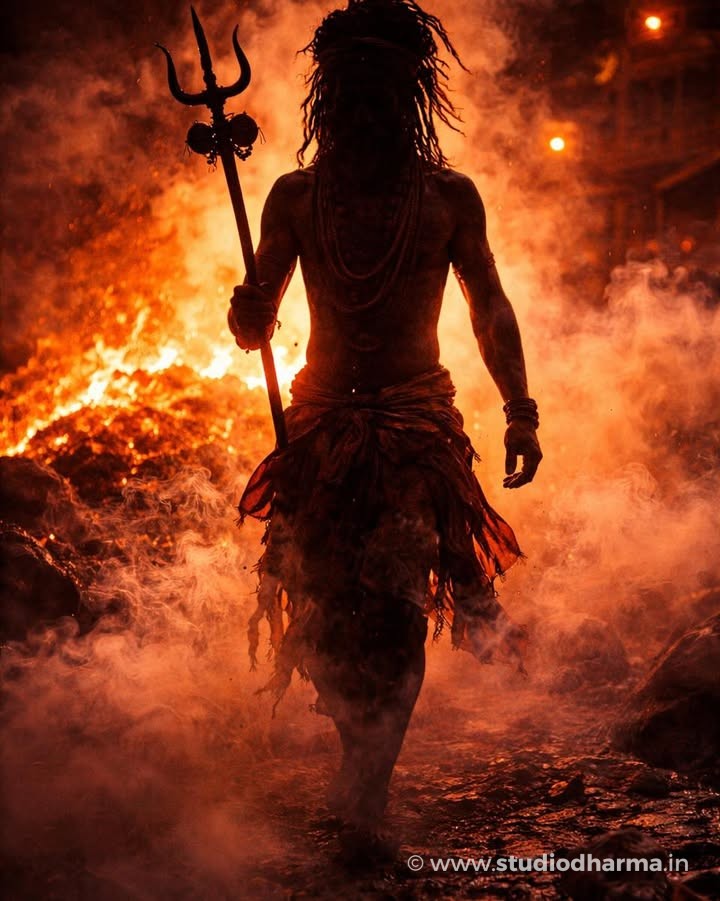
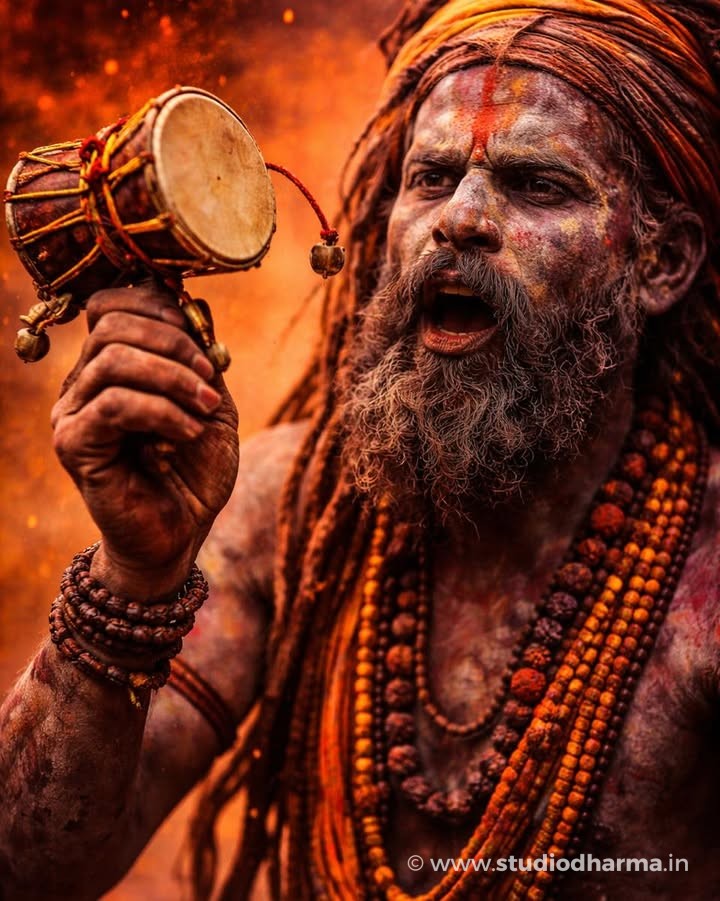
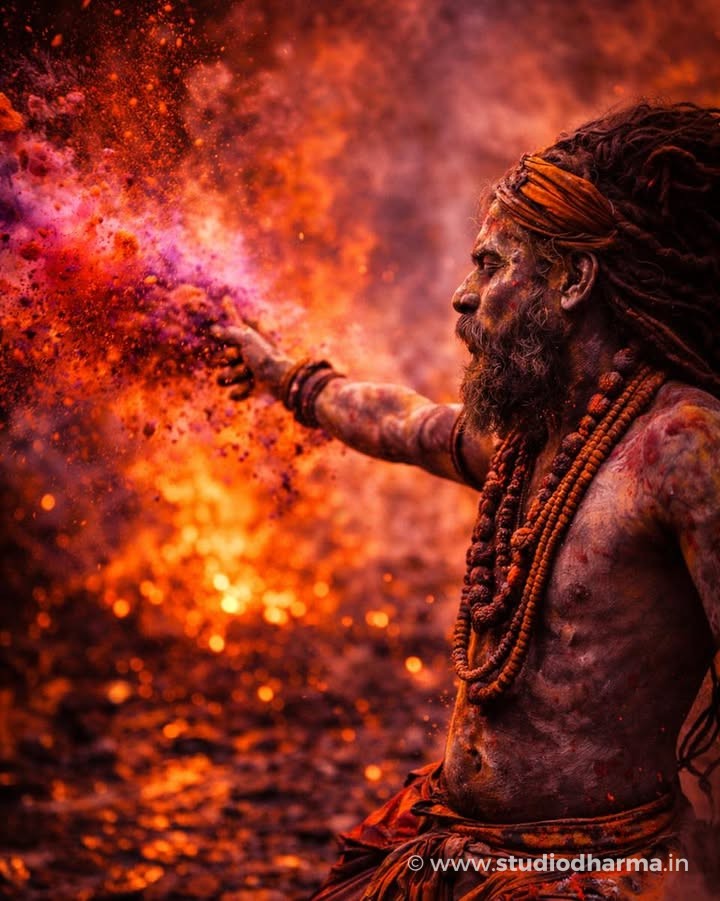
Traditionally observed around Rangbhari Ekadashi — the day believed in Shaivite tradition to mark Lord Shiva’s return to Kashi with Goddess Parvati after marriage — this celebration carries deep symbolic meaning. Devotees gather near the cremation grounds, sadhus chant “Har Har Mahadev,” damarus echo through the smoke-filled air, and colours rise against the glow of funeral pyres.
In some Shaivite ascetic traditions, ashes symbolize detachment from the physical body. The ritual reflects a powerful philosophy: life and death are not opposites, but continuations of the same cosmic cycle.
Masan Ki Holi is not spectacle — it is surrender. It is the acceptance of mortality. It is Vairagya. It is the belief, deeply rooted in Kashi’s spiritual tradition, that liberation awaits where fear dissolves.
Here in Varanasi, even Holi rises from the ashes.
Coffee Table Book Promotion (English)
If stories of forgotten traditions and sacred geographies move you, explore my premium coffee table book ITIHASNAMA by StudioDharma, featuring 25 curated heritage narratives of Meerut.
Available at:
मसान की होली, वाराणसी – काशी की अग्नि, बनारस की आत्मा
वाराणसी, जहाँ अग्नि कभी शांत नहीं होती और गंगा सदियों की आस्था के साथ बहती है, वहीं होली एक अलग ही रूप लेती है।
मणिकर्णिका घाट पर, जिसे हिंदू धर्म का सबसे पवित्र श्मशान स्थल माना जाता है, मनाई जाती है मसान की होली — जीवन और मृत्यु के संगम की एक आध्यात्मिक अभिव्यक्ति।
“मसान” का अर्थ है श्मशान। यहाँ होली केवल रंगों का उत्सव नहीं, बल्कि वैराग्य और स्वीकार का प्रतीक है।
रंगभरी एकादशी के आसपास, जिसे शिव-पार्वती के विवाह उपरांत काशी आगमन से जोड़ा जाता है, साधु-संत “हर हर महादेव” के जयघोष के साथ रंग और भस्म के बीच इस उत्सव को जीवंत करते हैं।
शैव परंपरा में भस्म शरीर की नश्वरता का प्रतीक है। यह होली हमें सिखाती है कि जीवन और मृत्यु विरोध नहीं, बल्कि एक ही चक्र के दो चरण हैं।
काशी में होली भी मोक्ष की बात करती है।
यदि ऐसी विरासत कथाएँ आपको प्रेरित करती हैं, तो मेरी प्रीमियम कॉफी टेबल बुक ITIHASNAMA अवश्य देखें, जिसमें मेरठ की 25 ऐतिहासिक कहानियाँ संकलित हैं।
खरीदने हेतु लिंक: