


















𝓢𝓶𝓲𝓽𝓱’𝓼 𝓕𝓸𝓵𝓵𝔂, 𝓠𝓾𝓽𝓾𝓫 𝓒𝓸𝓶𝓹𝓵𝓮𝔁, 𝓓𝓮𝓵𝓱𝓲.
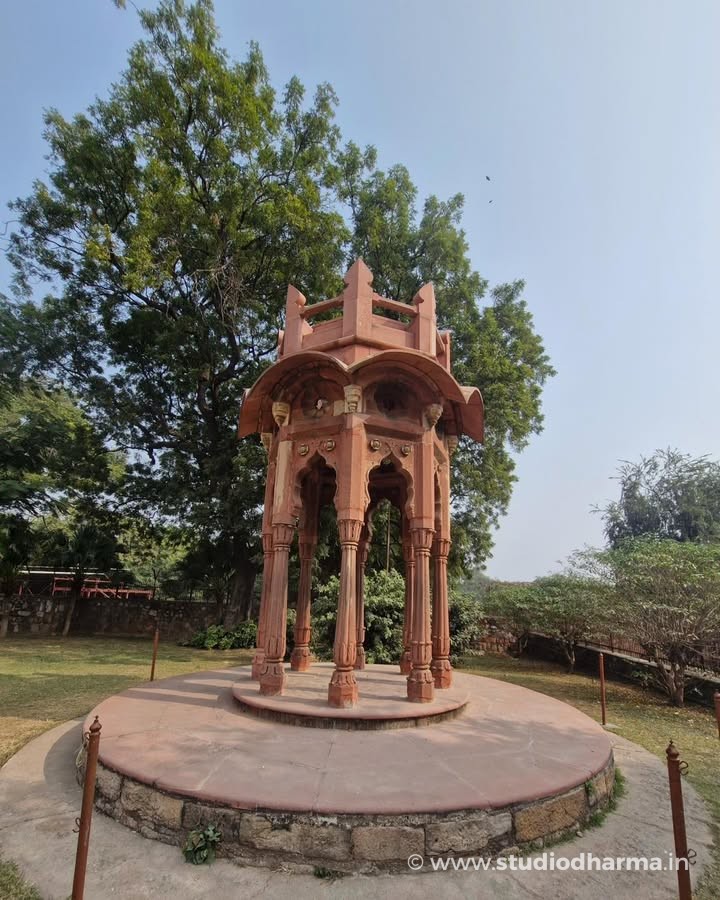
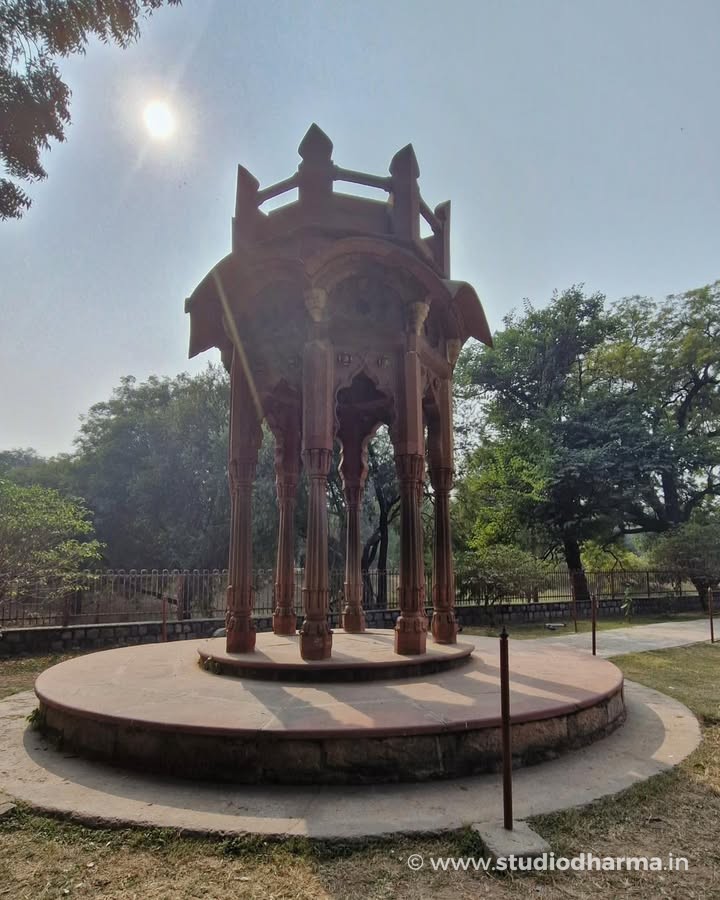
𝓢𝓶𝓲𝓽𝓱’𝓼 𝓕𝓸𝓵𝓵𝔂, 𝓠𝓾𝓽𝓾𝓫 𝓒𝓸𝓶𝓹𝓵𝓮𝔁, 𝓓𝓮𝓵𝓱𝓲.
A Colonial Addition That History Quietly Rejected
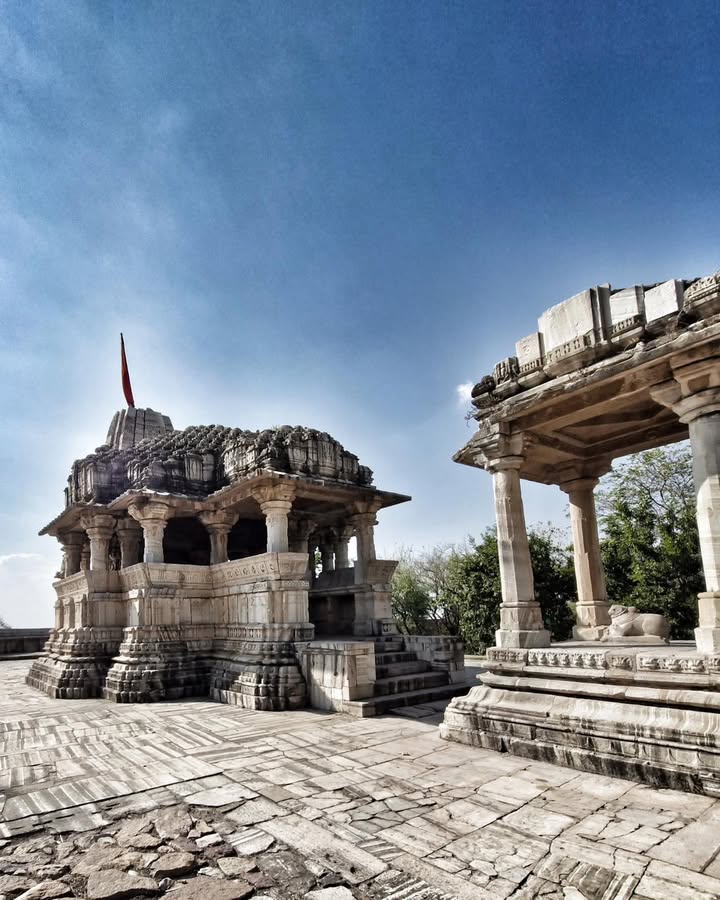
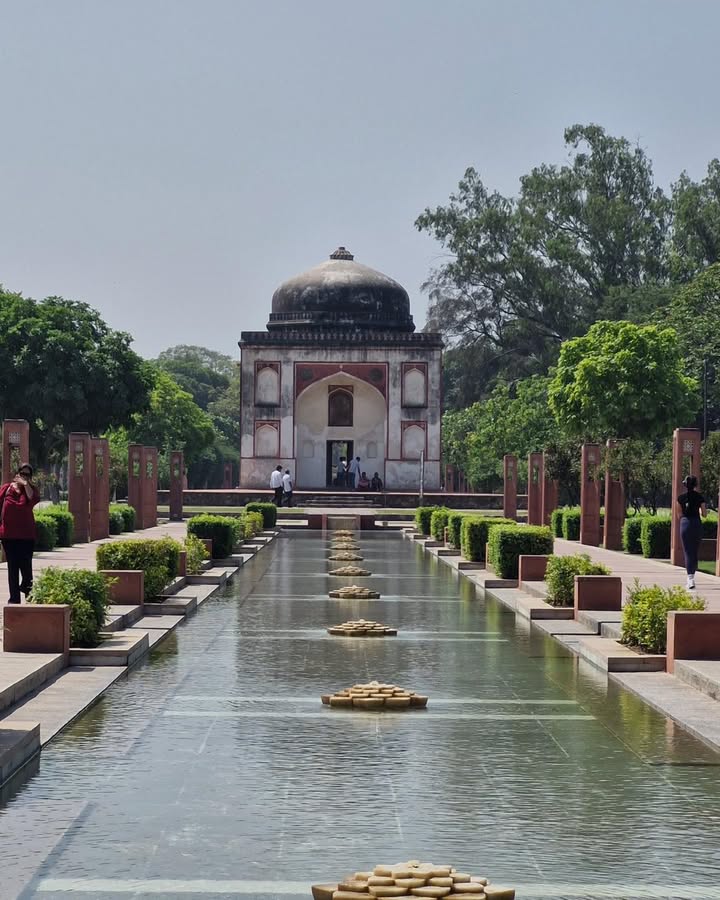
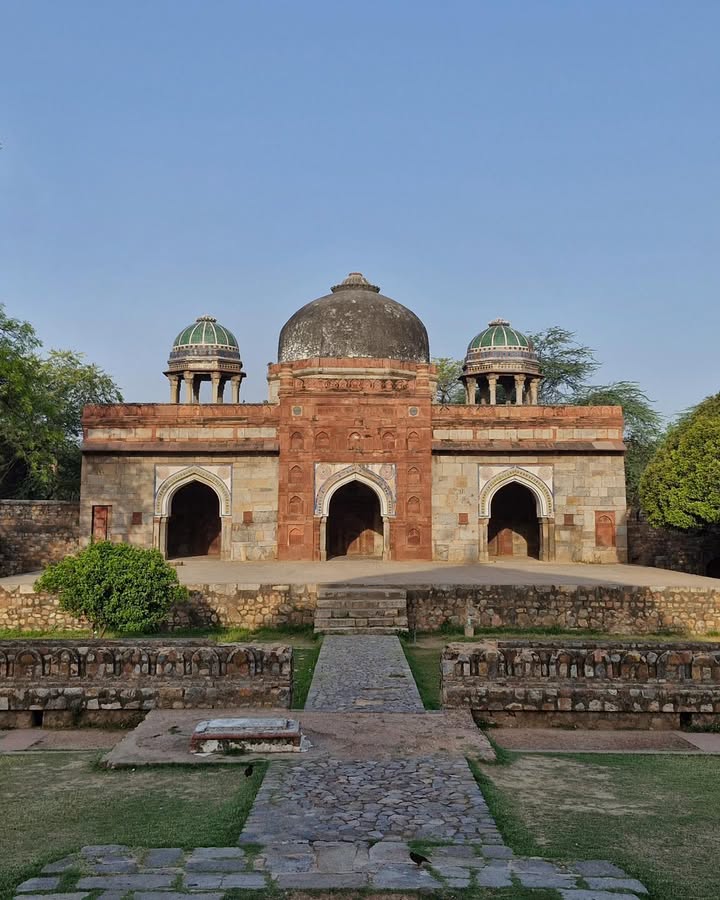
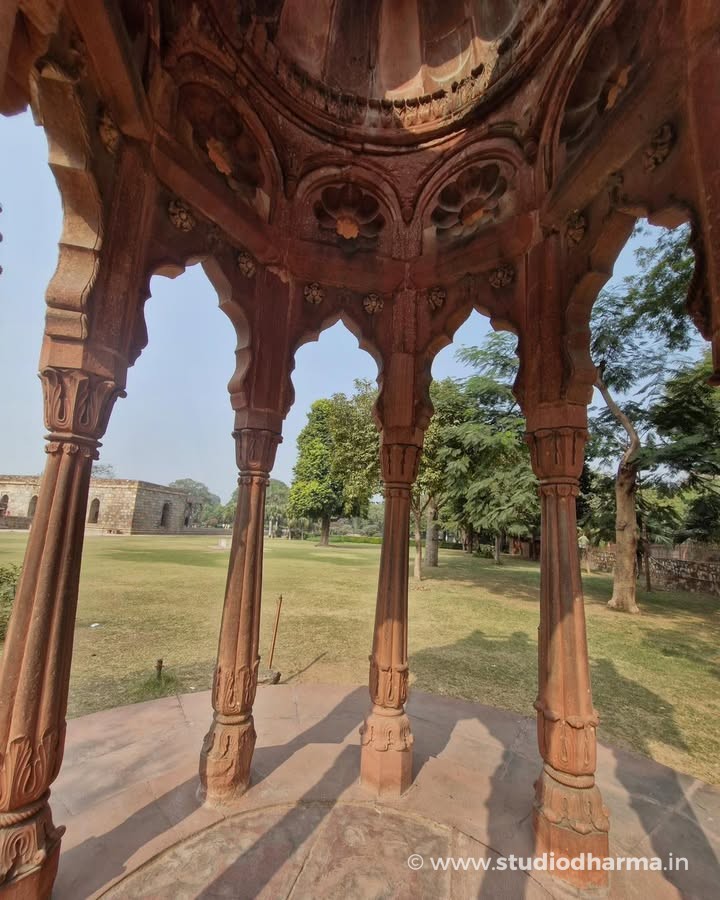
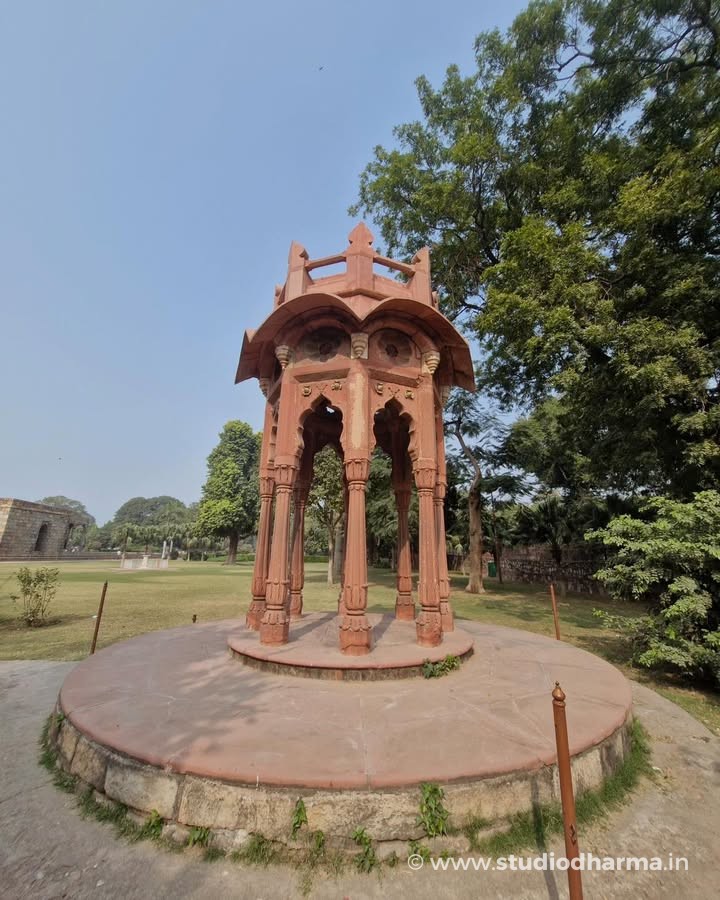
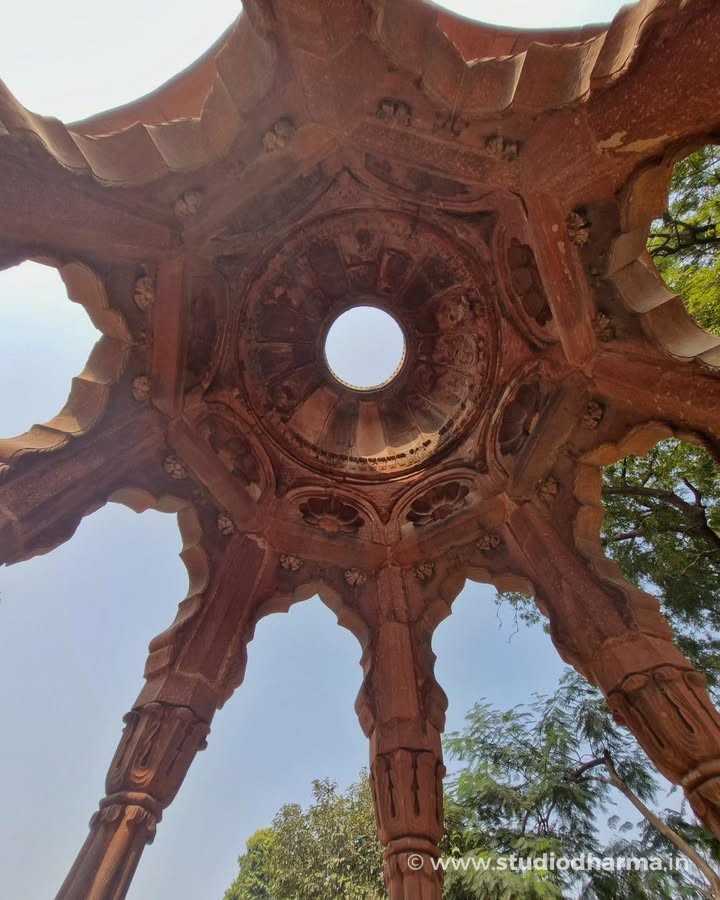
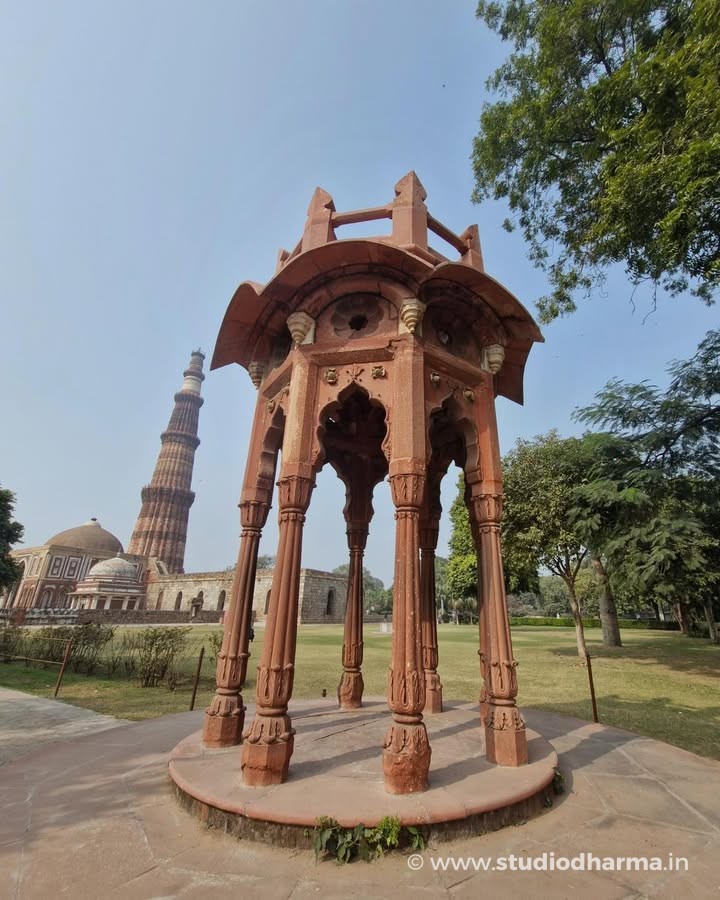
Standing quietly in the gardens of the Qutub Complex, this elegant pillared cupola tells a story of intention, misjudgment, and correction. Known today as Smith’s Folly, this structure once crowned the mighty Qutub Minar.
The Qutub Minar has survived centuries of natural calamities and political change. After a powerful earthquake in 1803 brought down its original cupola—believed to have been added during the reign of Firoz Shah Tughlaq—the monument stood incomplete at its summit. Over earlier centuries, rulers like Firoz Shah Tughlaq and Sikander Lodi had already undertaken careful repairs to preserve its Sultanate character.
In 1828, the task of restoration was entrusted to Robert Smith of the British Indian Army. While repairing the damaged top, Smith went beyond his brief and added an entirely new sixth storey, capped with a Hindu-style pillared chhatri. Though structurally sound, the addition clashed sharply with the Indo-Islamic vocabulary of the minar below.
By 1848, the architectural discord was impossible to ignore. Lord Hardinge ordered the removal of the cupola, judging it unsuitable for the monument’s original design. Instead of discarding it, the structure was carefully relocated to the ground, east of the minar—where it remains today.
This displaced cupola, now famously called Smith’s Folly, stands as a rare and honest reminder of a colonial-era restoration that failed to respect historical context. It is not merely a relic, but a lesson in conservation—showing why restraint and understanding of original intent matter when touching the past.
Coffee Table Book by StudioDharma
Discover such forgotten layers of history through ITIHASNAMA, a premium coffee table book by StudioDharma, documenting heritage with research, sensitivity, and visual depth.
Purchase link:
स्मिथ्स फ़ॉली, क़ुतुब परिसर, दिल्ली
वह औपनिवेशिक प्रयास जिसे इतिहास ने स्वीकार नहीं किया
क़ुतुब परिसर के उद्यान में शांत खड़ी यह स्तंभयुक्त छतरी, इतिहास की एक अनकही परत को सामने लाती है। आज जिसे स्मिथ्स फ़ॉली कहा जाता है, वही कभी क़ुतुब मीनार के शीर्ष पर स्थापित थी।
1803 के भीषण भूकंप में क़ुतुब मीनार की मूल छतरी गिर गई थी, जिसे पहले फ़िरोज़ शाह तुग़लक़ के समय जोड़ा गया माना जाता है। इससे पहले और बाद में फ़िरोज़ शाह तुग़लक़ तथा सिकंदर लोदी जैसे शासकों ने मीनार की मरम्मत कर उसकी मूल पहचान को बनाए रखा।
1828 में ब्रिटिश सेना के अधिकारी मेजर रॉबर्ट स्मिथ ने मरम्मत के दौरान पाँचवीं मंज़िल के ऊपर एक छठी मंज़िल जोड़ दी, जिस पर हिंदू शैली की स्तंभयुक्त छतरी स्थापित की गई। यह संरचना तकनीकी रूप से मज़बूत थी, लेकिन क़ुतुब मीनार की इस्लामी स्थापत्य शैली से पूरी तरह असंगत थी।
1848 में गवर्नर जनरल लॉर्ड हार्डिंग ने इस जोड़ को हटाने का आदेश दिया। छतरी को नष्ट करने के बजाय, उसे सावधानीपूर्वक मीनार के पूर्वी हिस्से में ज़मीन पर स्थापित कर दिया गया, जहाँ यह आज भी मौजूद है।
आज स्मिथ्स फ़ॉली हमें यह सिखाती है कि विरासत संरक्षण केवल निर्माण नहीं, बल्कि संवेदनशील समझ और ऐतिहासिक सम्मान की माँग करता है।
स्टूडियोधर्मा की कॉफी टेबल बुक
ITIHASNAMA — स्टूडियोधर्मा की विशेष कॉफी टेबल बुक, जो शोध और संवेदनशीलता के साथ हमारी विरासत को दर्ज करती है।
खरीदने के लिए लिंक: