













❖◆◆ ꧁ Ashrafi Mahal — Mandu’s Forgotten Chronicle of the Khiljis ꧂ ◆◆❖.
❖◆◆ ꧁ Ashrafi Mahal — Mandu’s Forgotten Chronicle of the Khiljis ꧂ ◆◆❖.
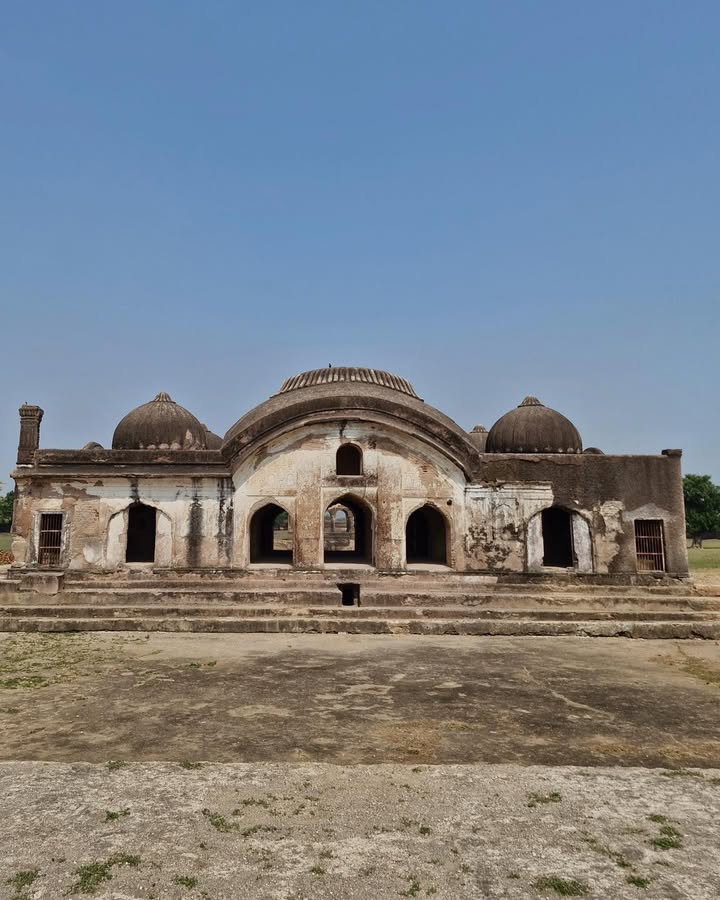
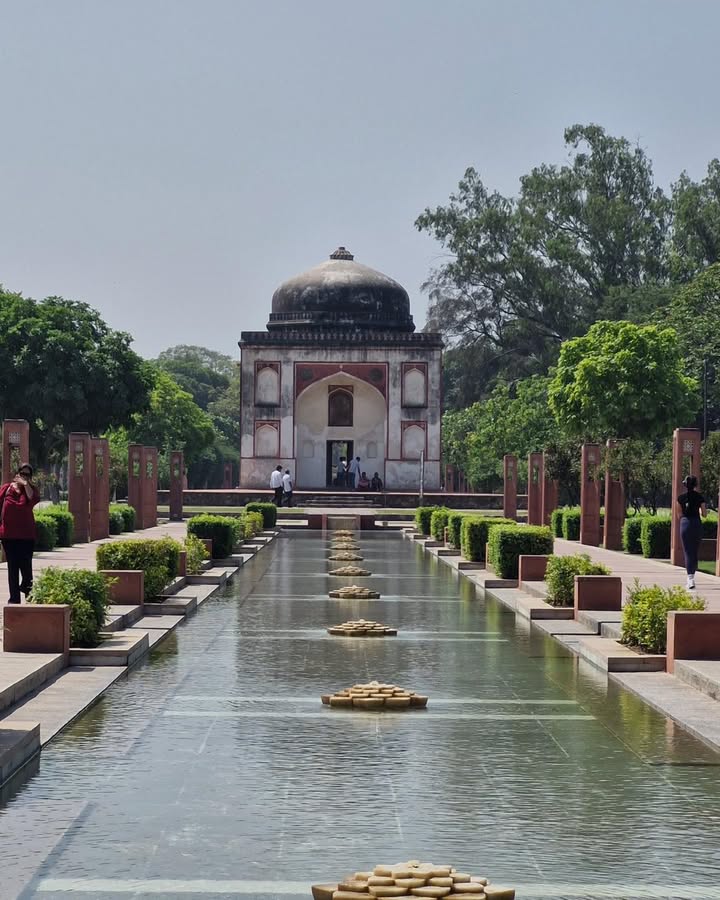
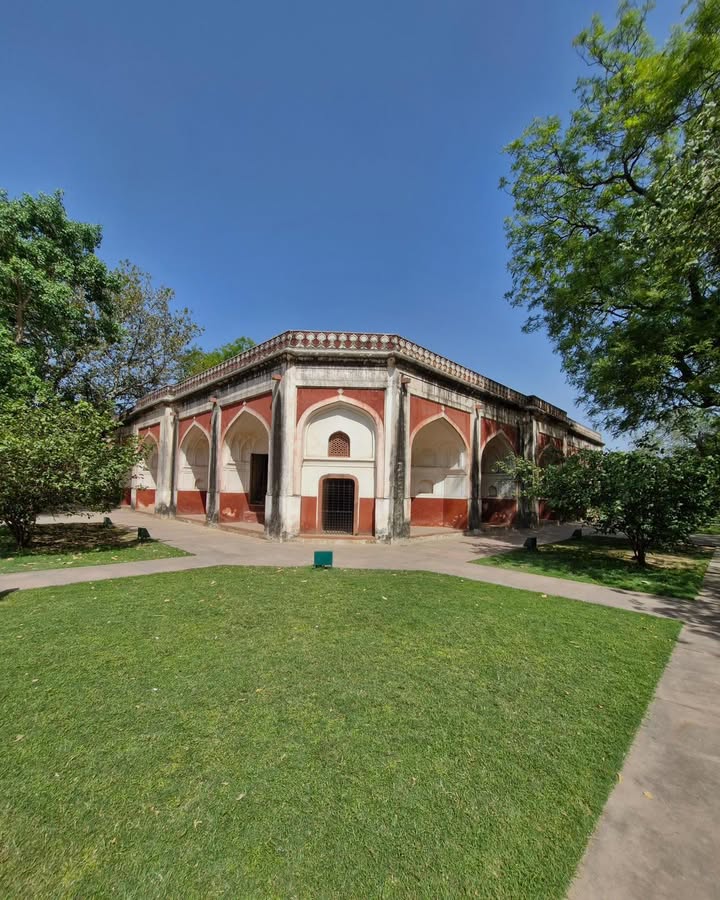
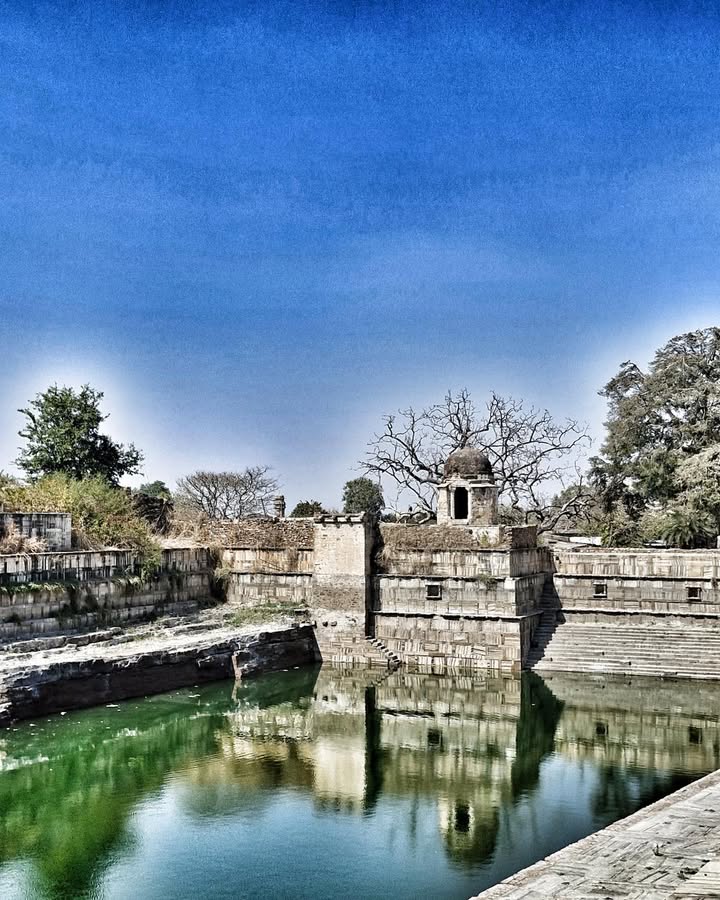
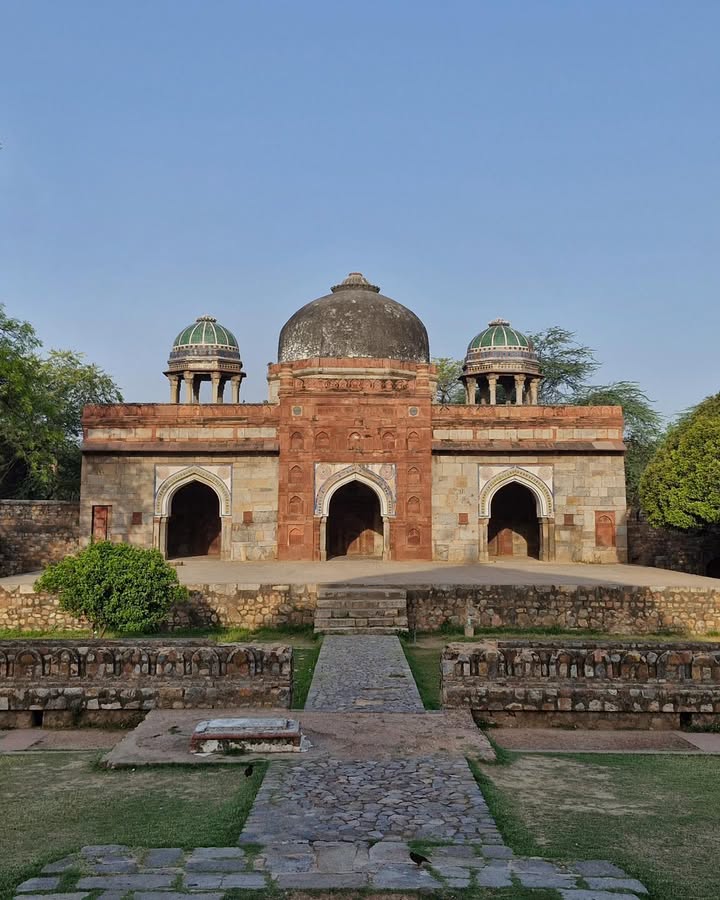
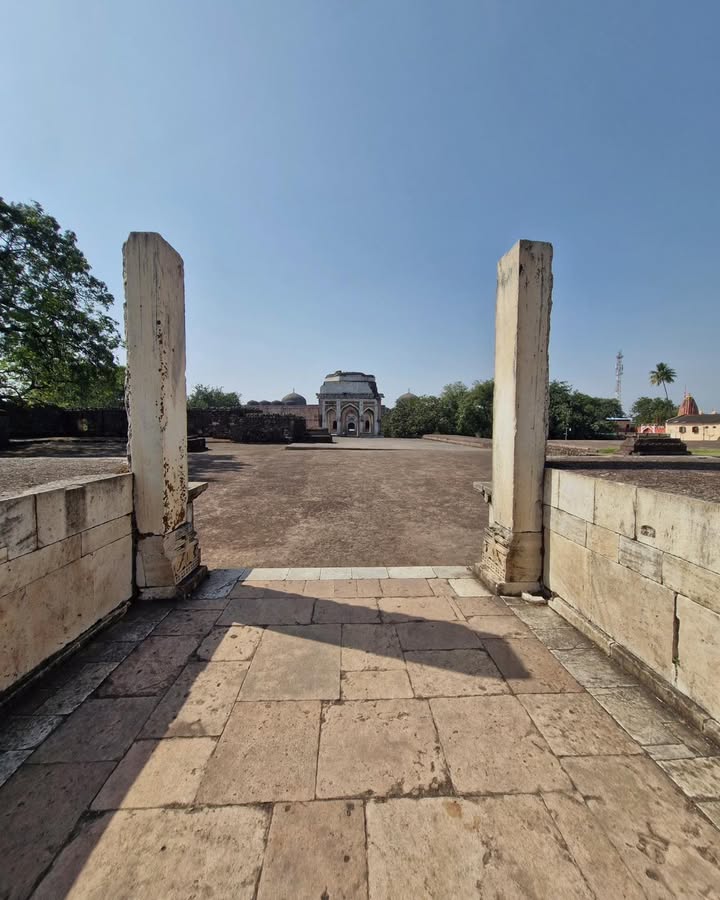
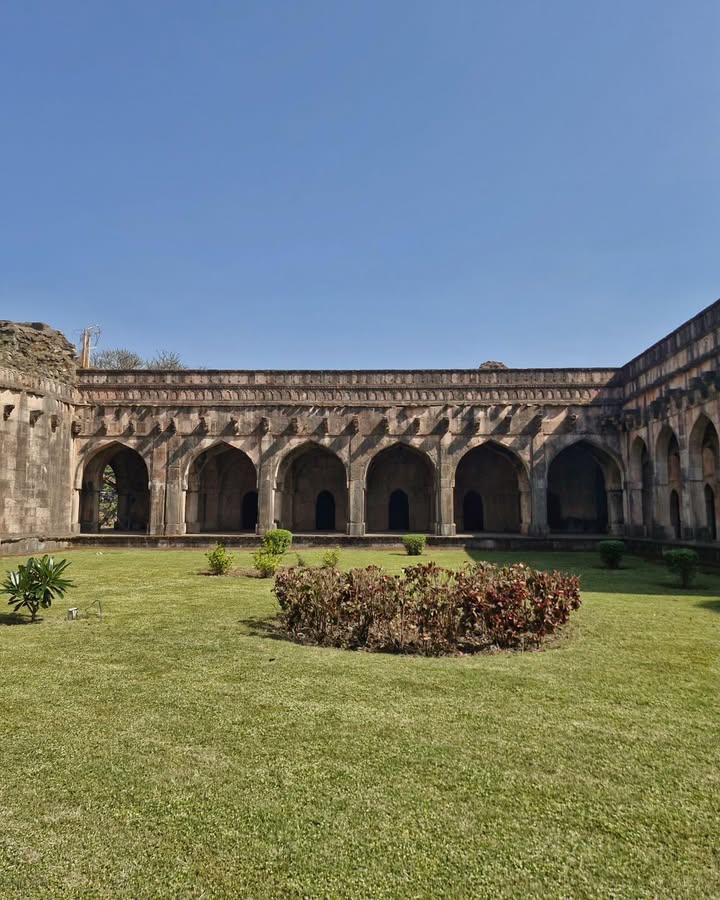
Across from the grand Jama Masjid of Mandu lies a complex that once held three different identities across its lifetime — Ashrafi Mahal, a monument shaped by knowledge, ambition, and the march of time.
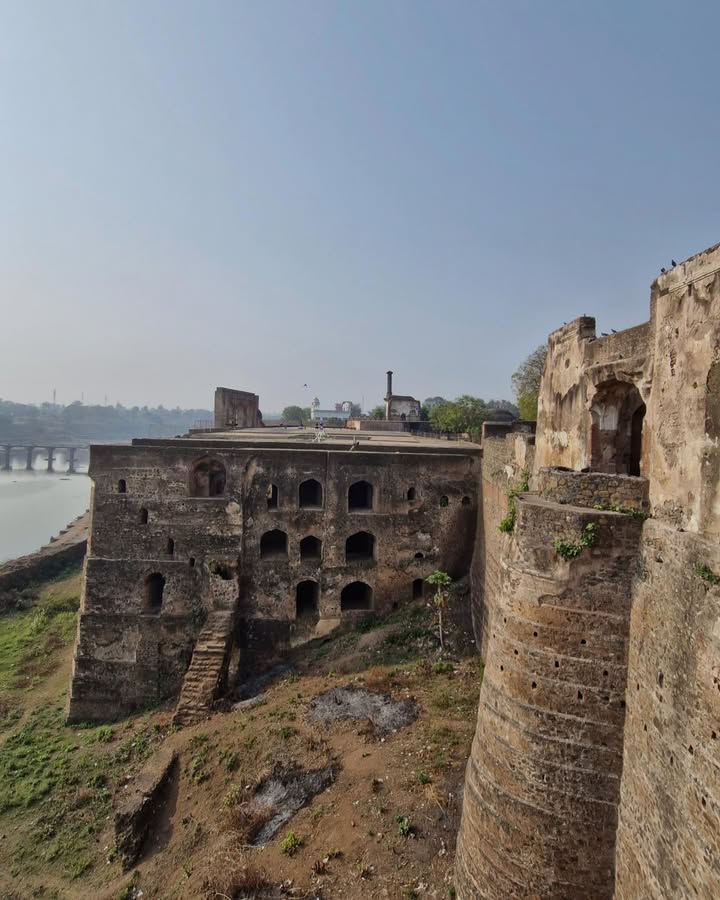
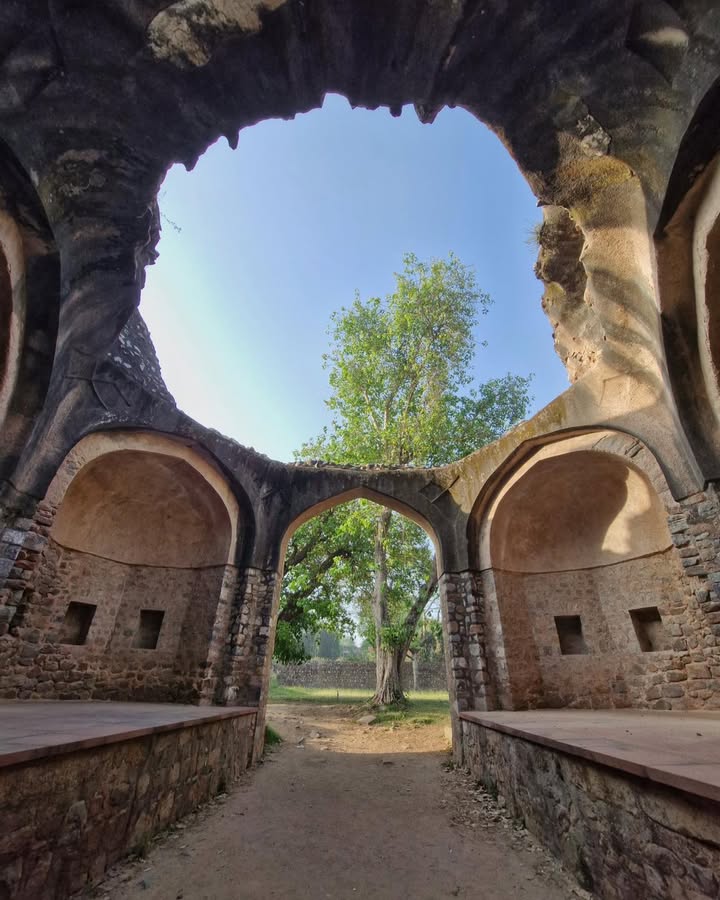
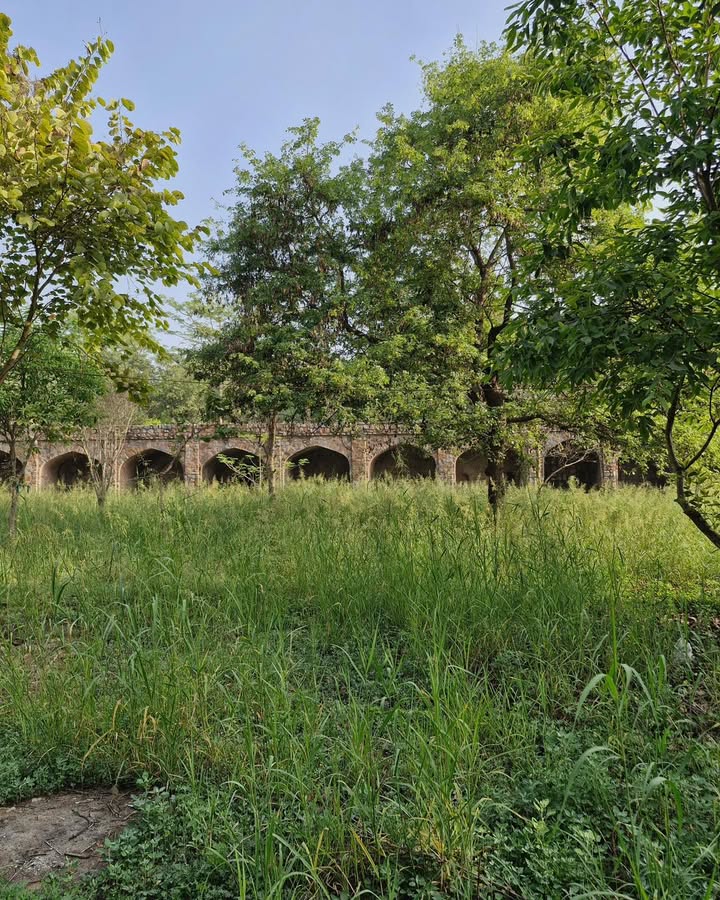
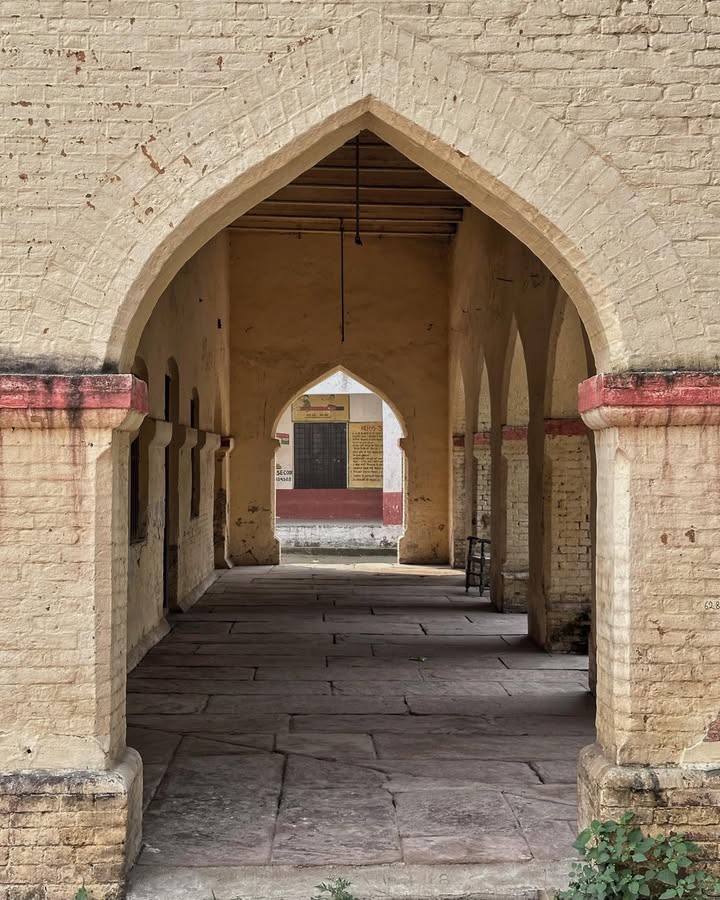
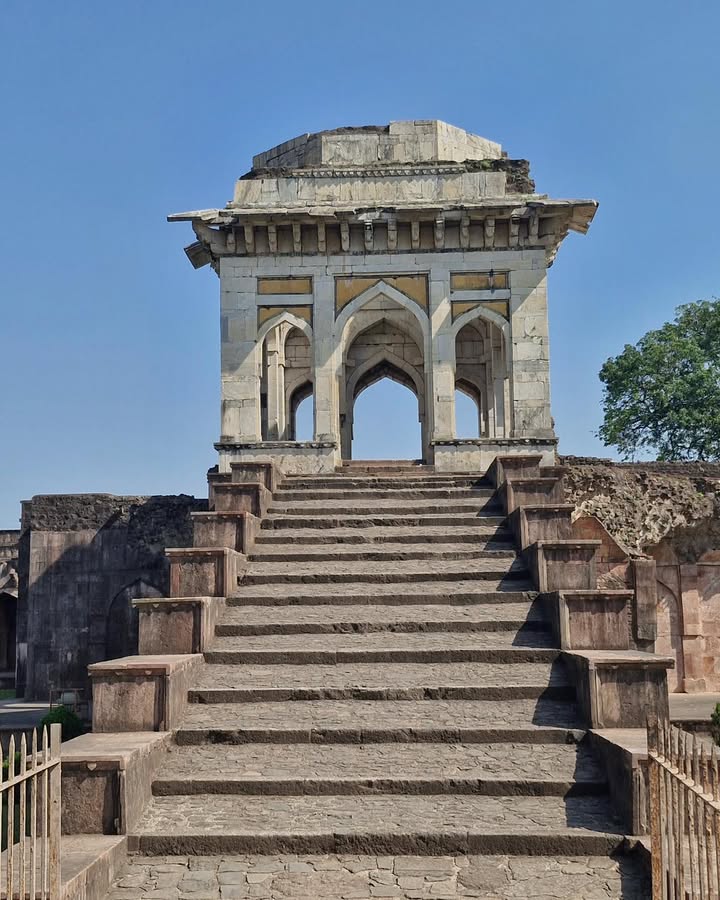
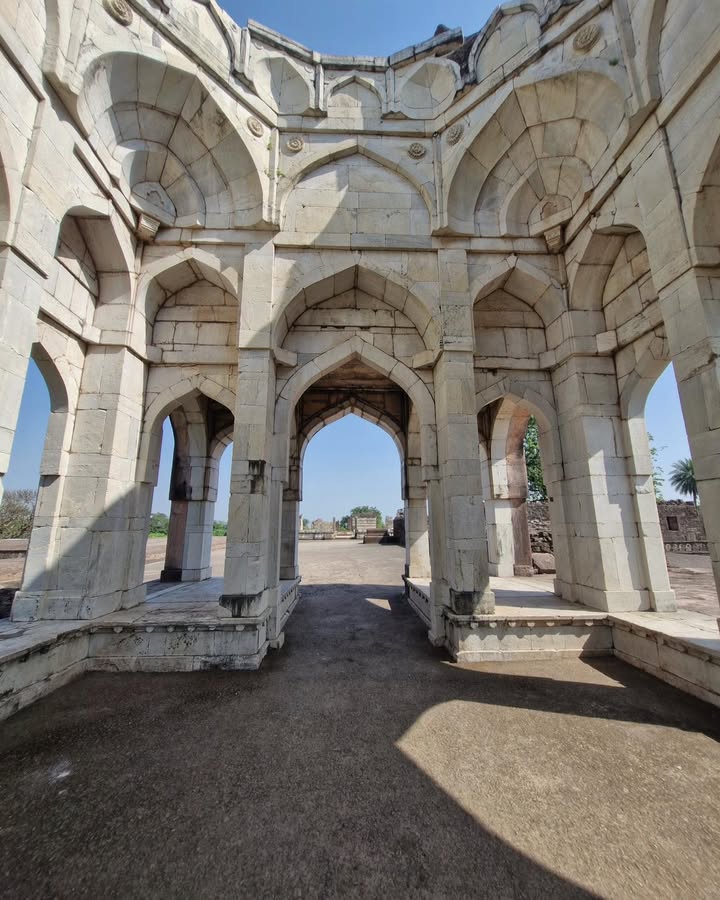
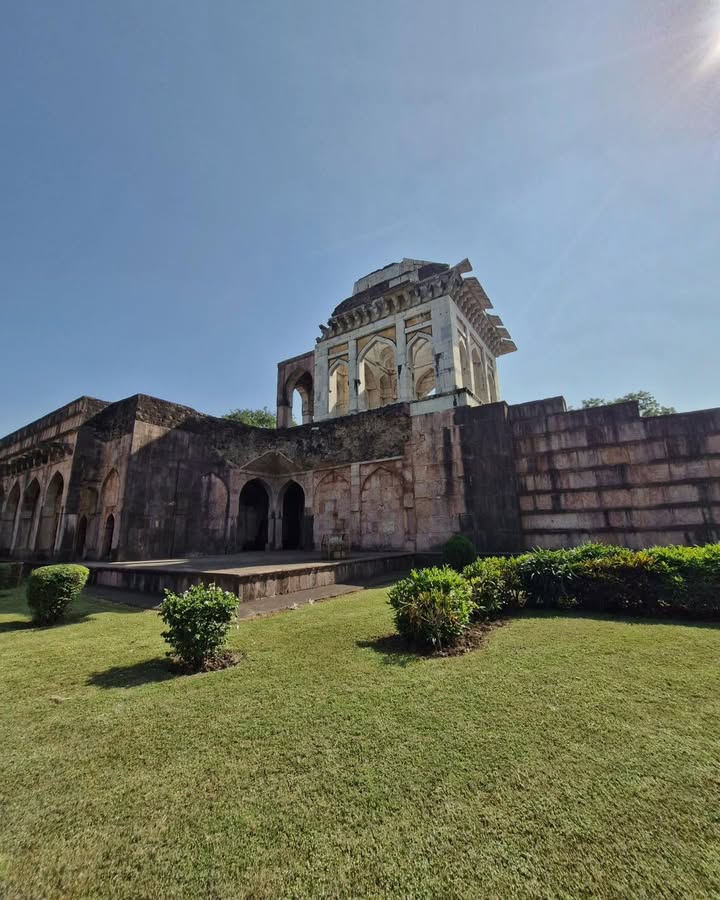
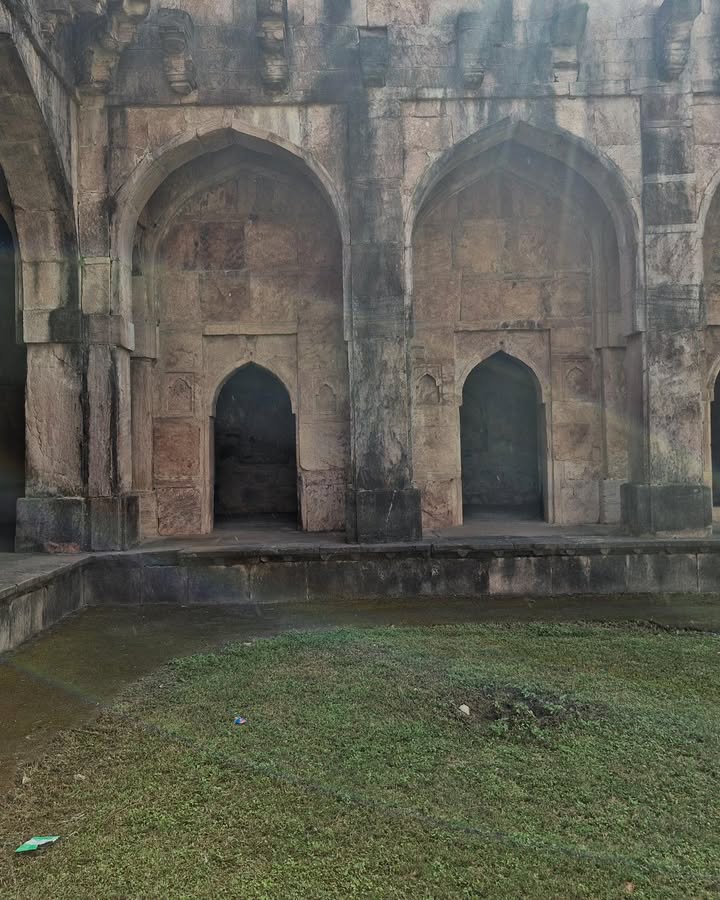
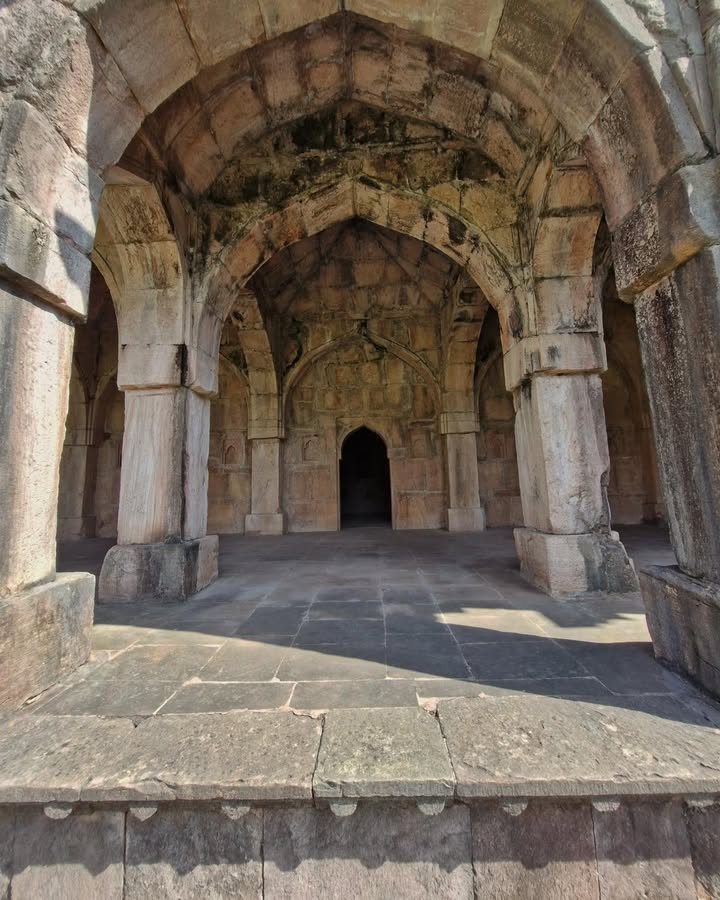
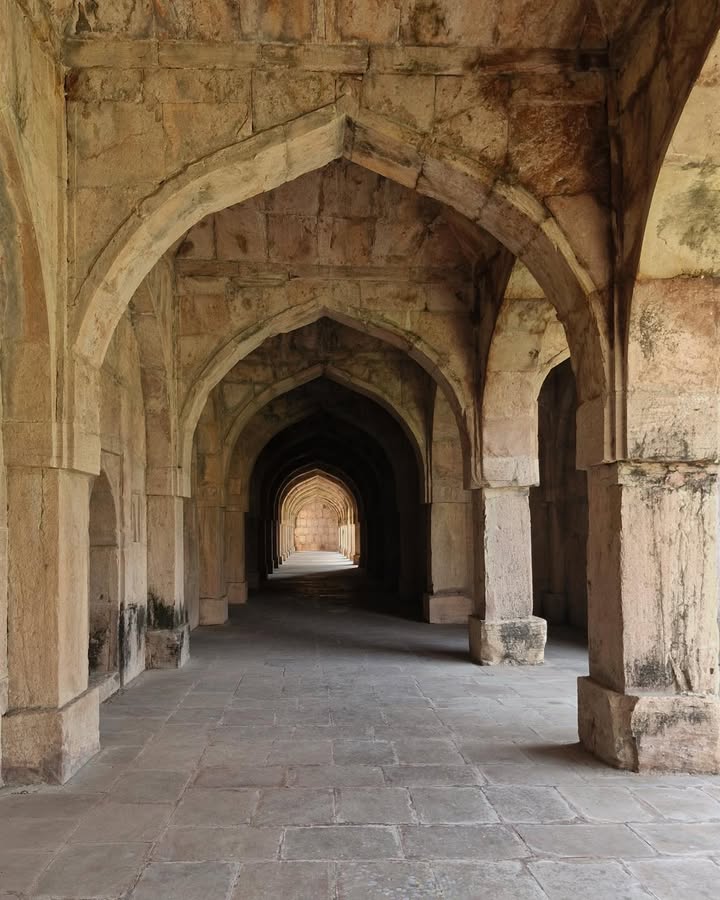
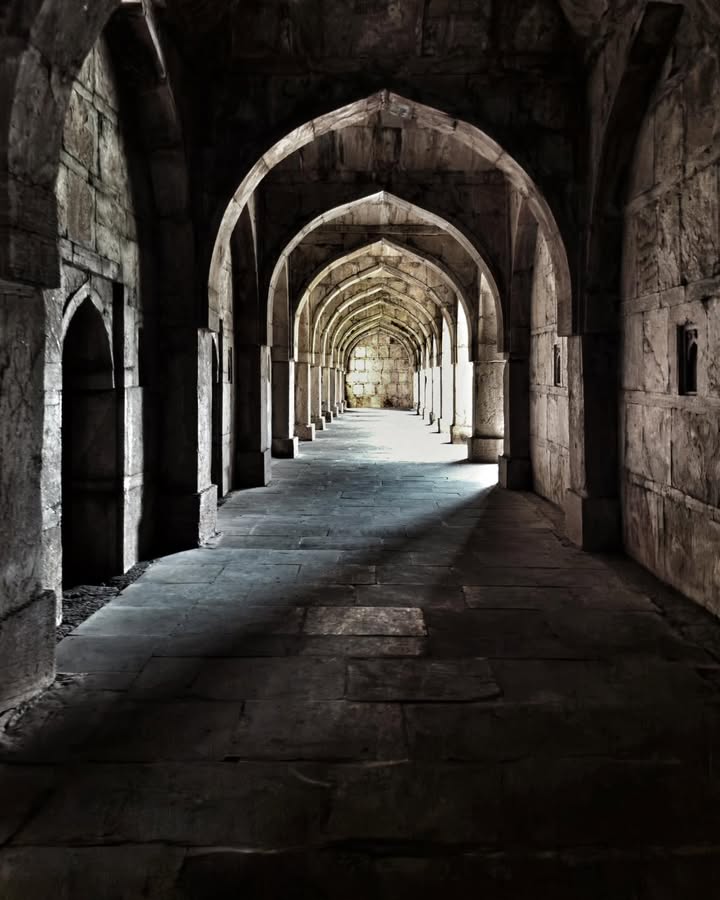
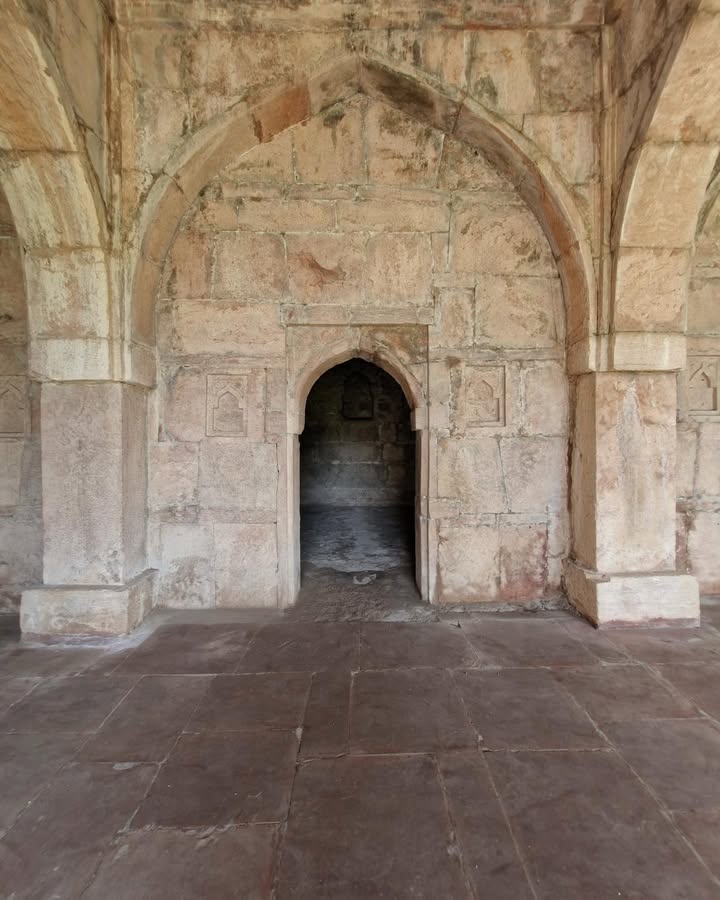
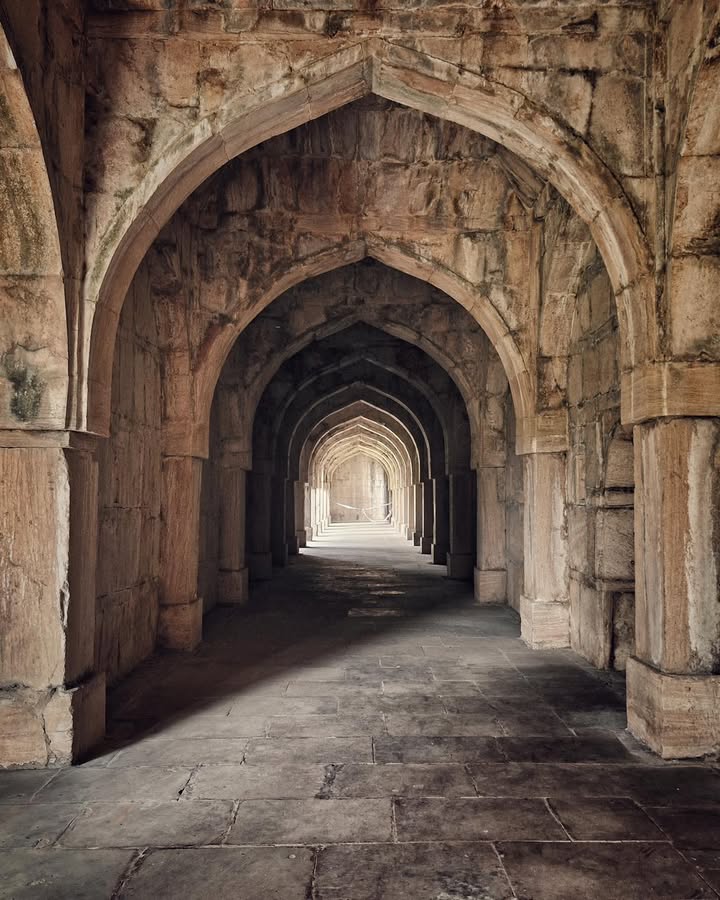
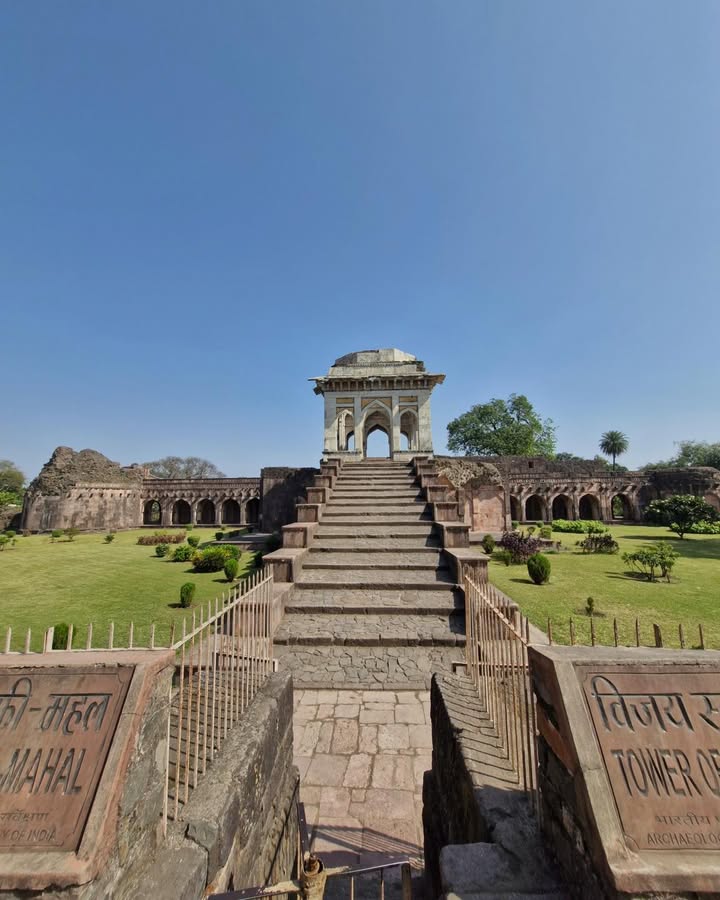
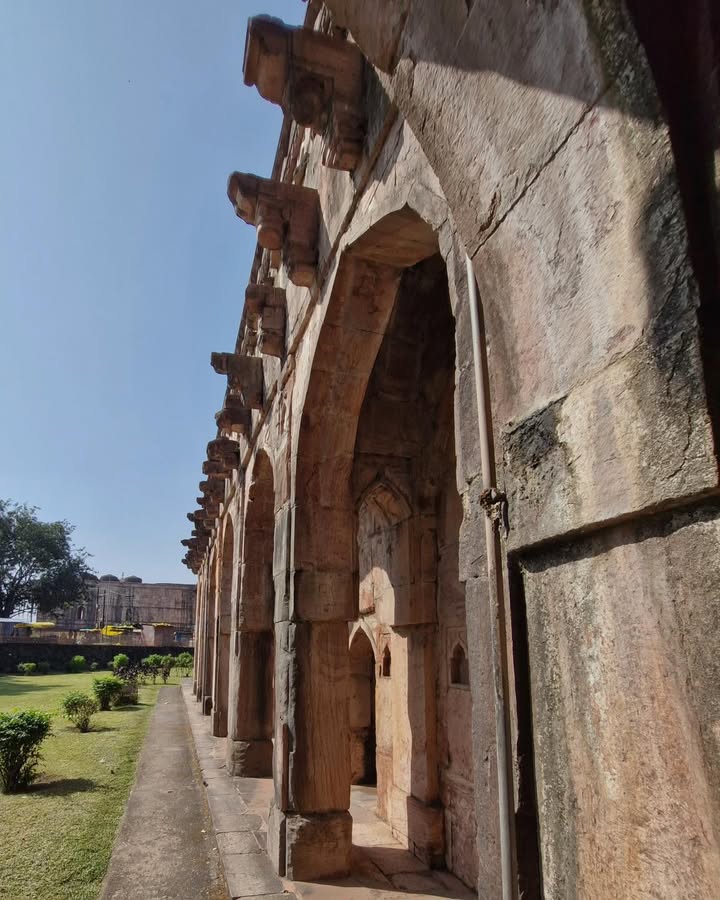
It began in the 15th century, when Sultan Mahmud Shah Khilji built it as a madrasa, a centre of Islamic learning. Students once walked through its arched corridors, studied in open courtyards, and lived in rows of modest scholar cells. Four corner towers framed the complex, giving it the scale and presence of a royal academic institution.
But Mandu’s stories rarely stay still.
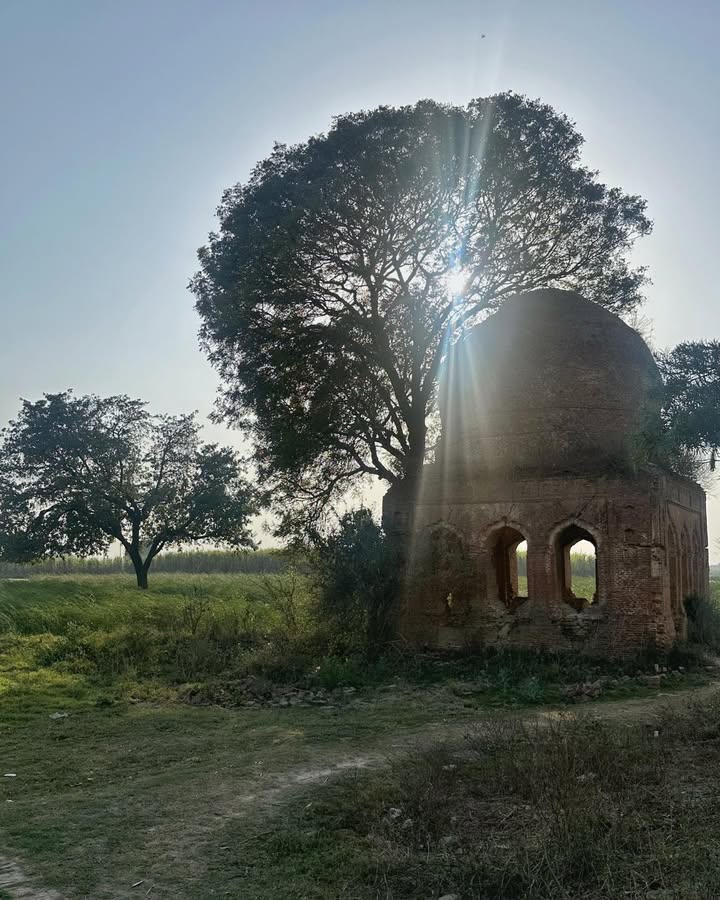
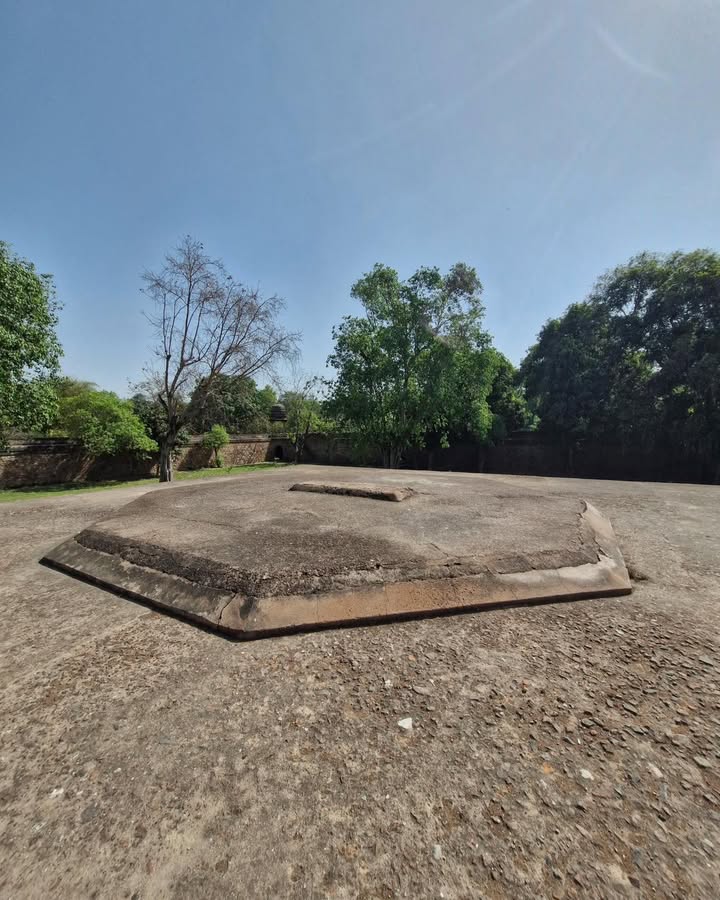
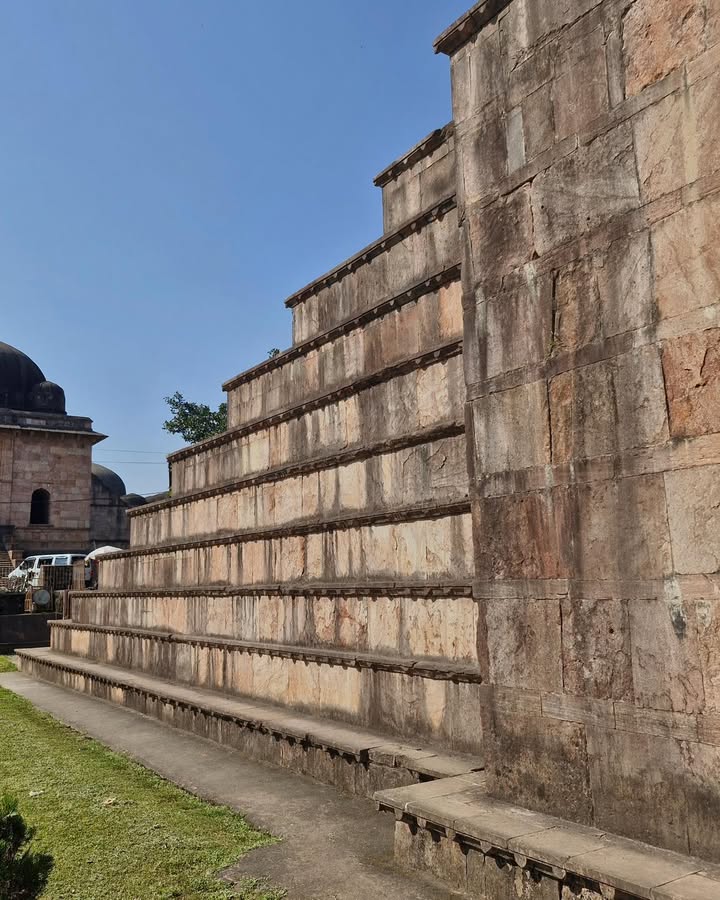
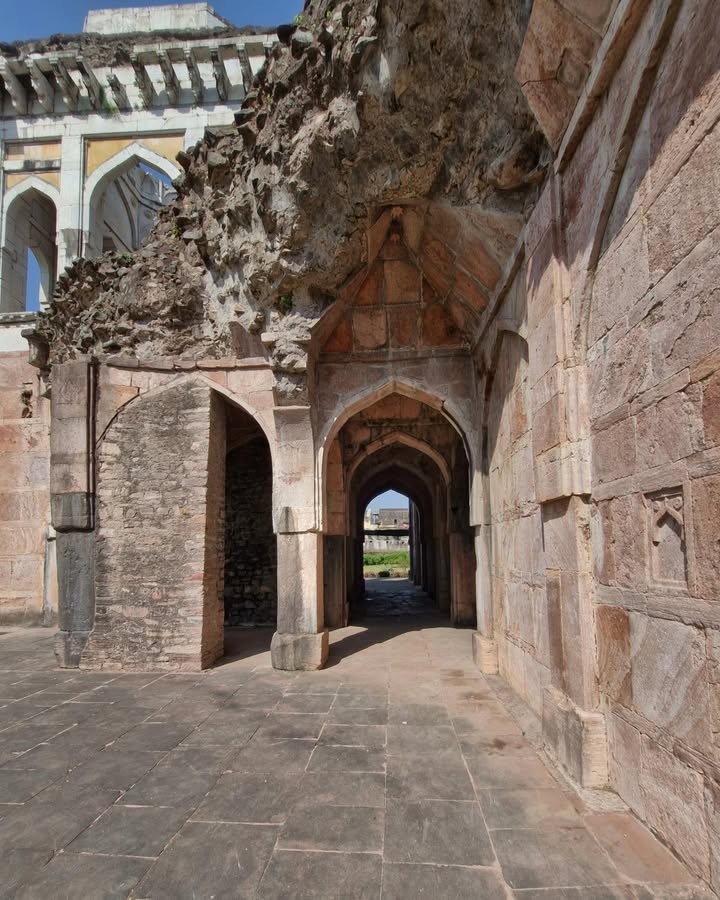
To commemorate his victory over the Rana of Mewar, Mahmud Shah Khilji elevated the northeastern tower into a seven-storey Victory Tower — a symbol of triumph rising above the plateau. Later, the open courtyard was filled in to build a high platform on which the Sultan’s royal mausoleum was constructed. Its dome collapsed long ago, but its base still reveals the outline of a once-grand tomb.
The name Ashrafi Mahal comes from a legend connected with the Khilji court — a tale of Sultan Ghiyas-ud-din, known for rewarding his queens with ashrafis (gold coins) based on the steps they climbed daily. Though partly folklore, the story has endured, giving the site a poetic title that locals still remember.
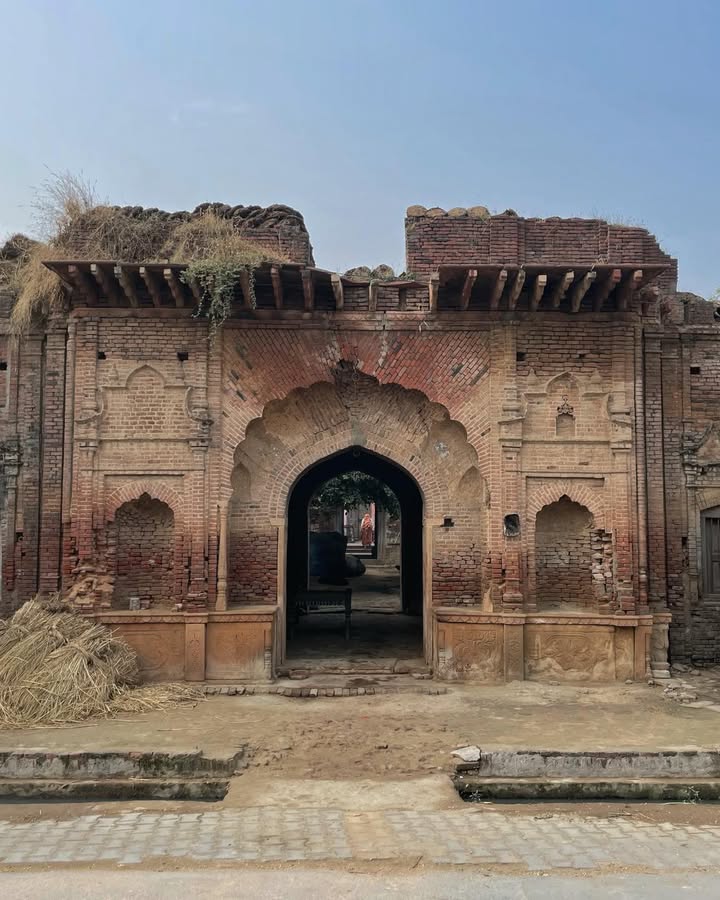
Today, Ashrafi Mahal stands in ruins — but its stones still whisper the journey of Mandu: from scholarship to imperial pride, and finally to quiet surrender before time.
To explore more untold stories and forgotten monuments, you can order the premium coffee-table book ITIHASNAMA by StudioDharma here:
❖◆◆ ꧁ अशर्फ़ी महल — मांडू की ख़िलजी विरासत का खामोश साक्षी ꧂ ◆◆❖
जामा मस्जिद के ठीक सामने खड़ा अशर्फ़ी महल मांडू के इतिहास का वह अध्याय है, जिसमें शिक्षा भी बसती थी, विजय भी गूंजती थी, और समय का क्षय भी दर्शाता है।
15वीं सदी में सुल्तान महमूद शाह खिलजी ने इसे एक मदरसा बनवाया था। यहाँ कभी विद्यार्थी पढ़ते थे, मेहराबदार गलियारों में गुजरते थे, और चारों कोनों की मीनारें इस ज्ञान-केंद्र की गरिमा बढ़ाती थीं।
लेकिन मांडू की कहानी हमेशा एक मोड़ लेती है।
मेवाड़ पर विजय की स्मृति में खिलजी ने उत्तर-पूर्वी कोने की मीनार को ऊँचा उठाकर विजय स्तंभ में बदल दिया। समय बीतने पर आँगन को भरकर एक विशाल मंच बनाया गया, जिस पर उनका राजसी मकबरा खड़ा किया गया। उसकी गुंबद वर्षों पहले ढह चुकी है, पर उसका आधार अब भी इतिहास की रेखाएँ दिखाता है।
‘अशर्फ़ी महल’ नाम एक लोककथा से जुड़ा है—कहा जाता है कि सुल्तान ग़ियास-उद-दीन खिलजी अपनी रानियों को उनके दैनिक परिश्रम के अनुसार अशर्फ़ियाँ (सोने के सिक्के) देते थे। यह कथा इतिहास में पूरी तरह प्रमाणित नहीं, पर मांडू की स्मृति में गहराई से बस गई है।
आज अशर्फ़ी महल भले ही खंडहर है, पर इसकी हर दीवार मांडू की यात्रा सुनाती है—ज्ञान, सत्ता, विजय और समय की अनिवार्य सच्चाई की कहानी।
भारत की भूली-बिसरी धरोहरों की ऐसी ही कहानियाँ पढ़ने के लिए StudioDharma की कॉफ़ी-टेबल बुक ITIHASNAMA अभी ऑर्डर करें:
.1