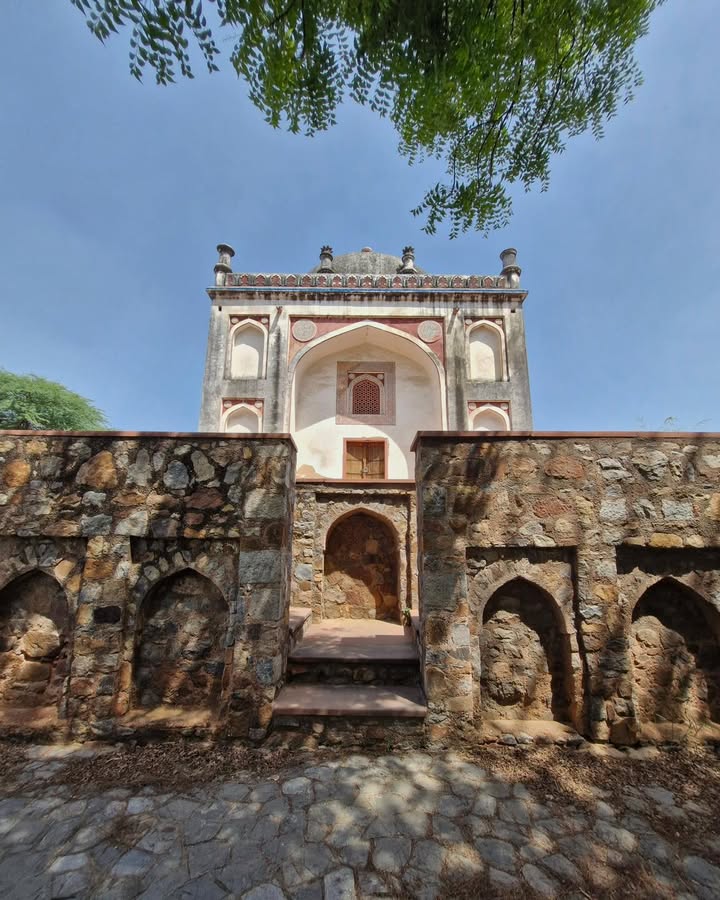
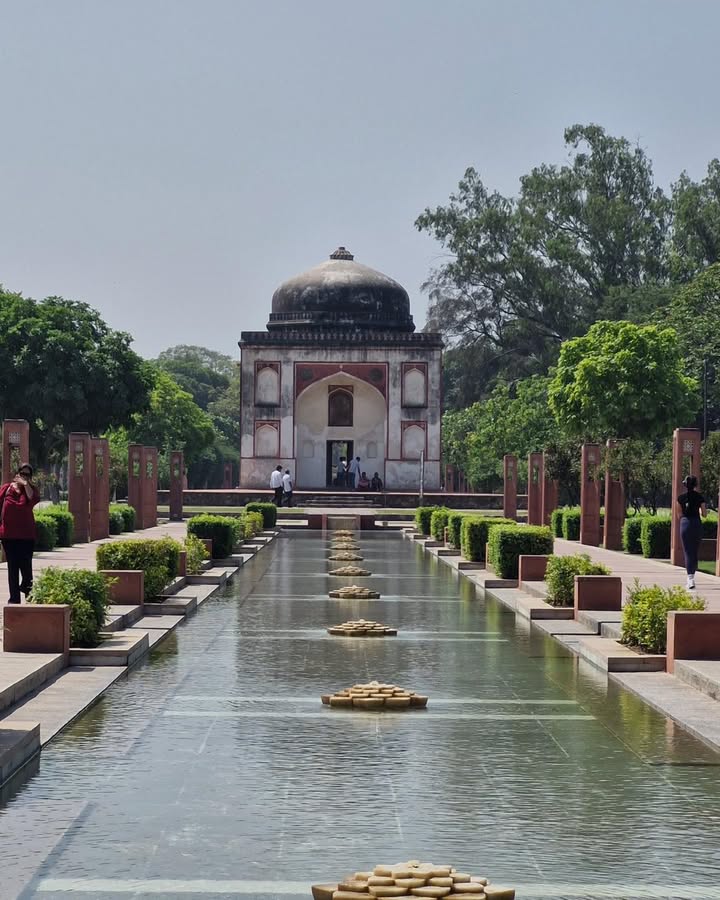
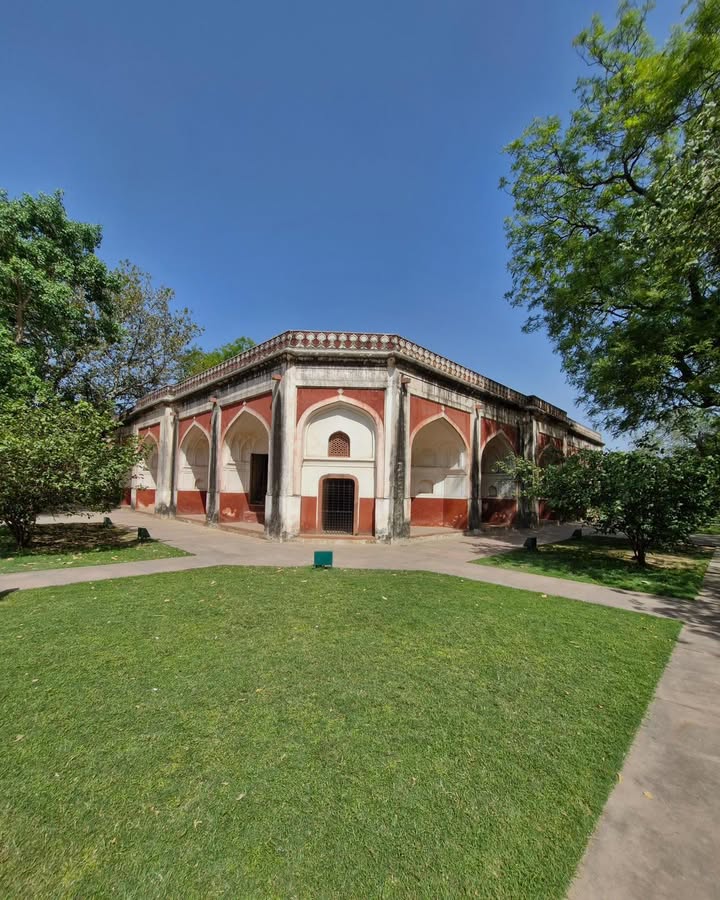
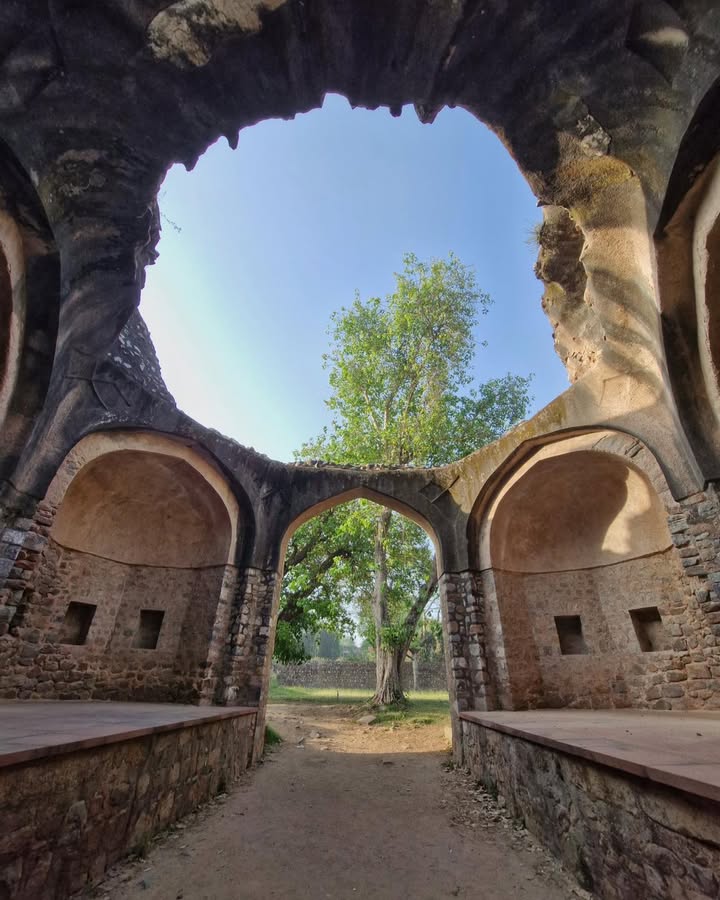
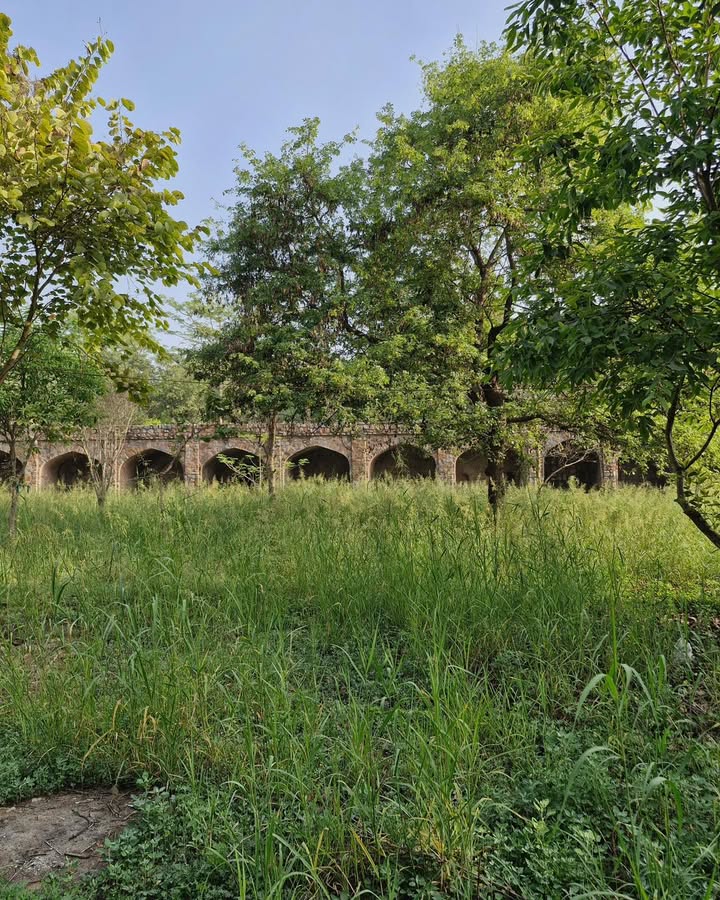
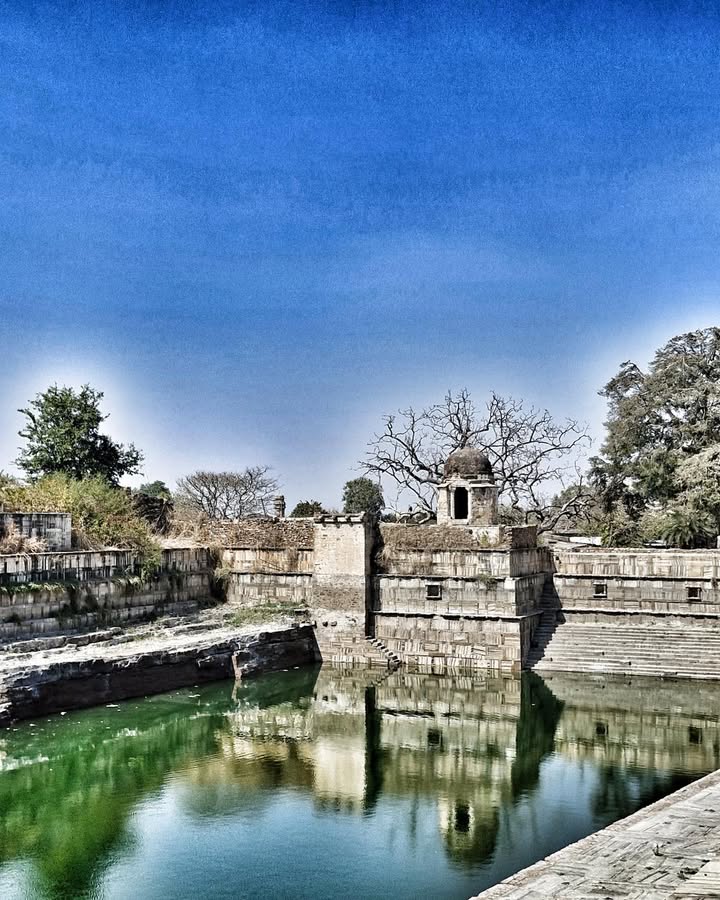
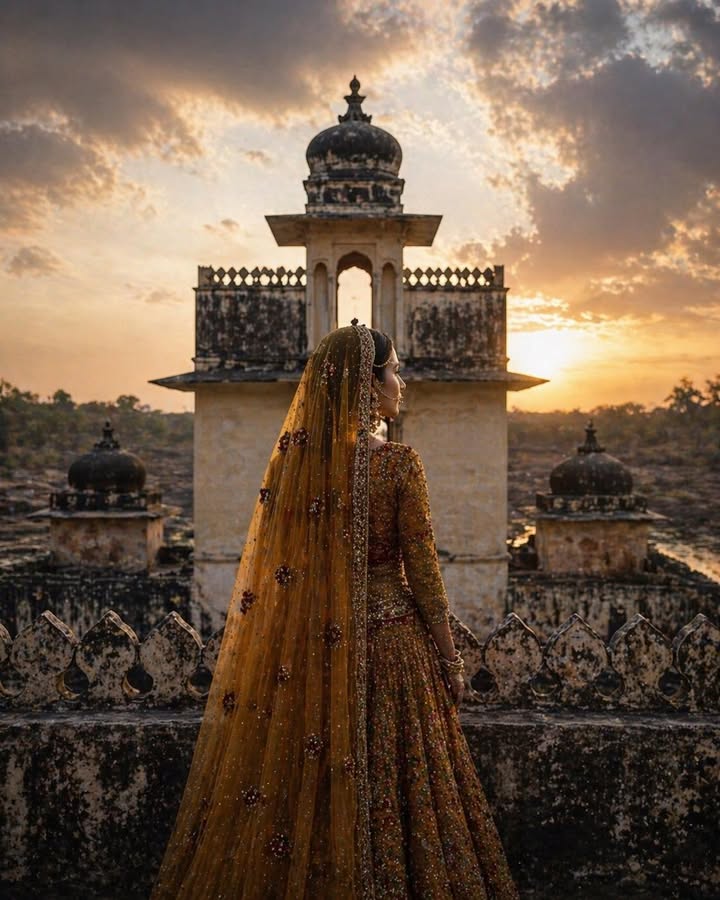
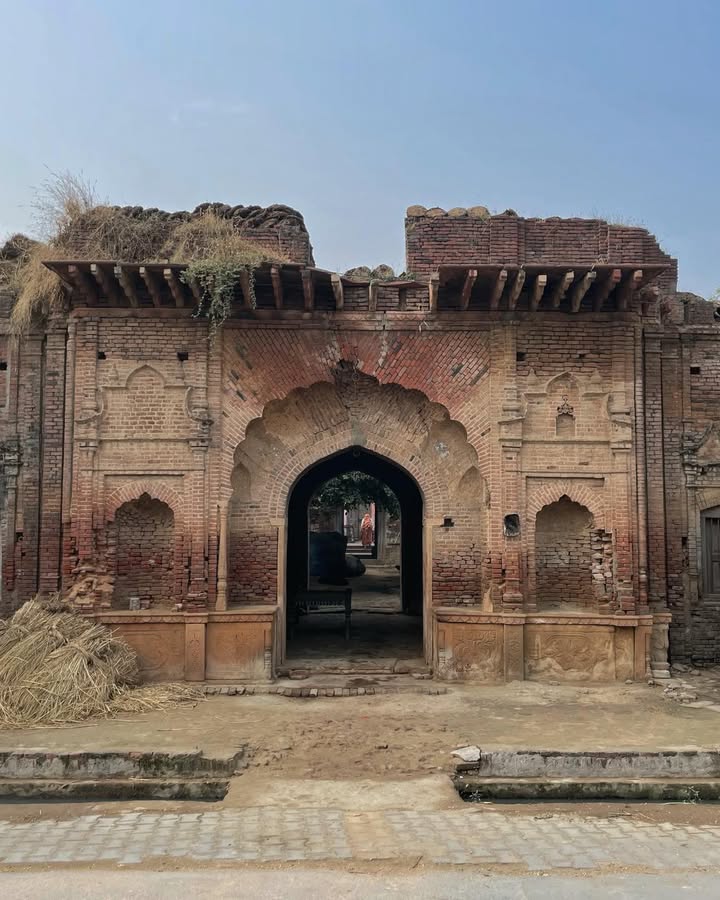
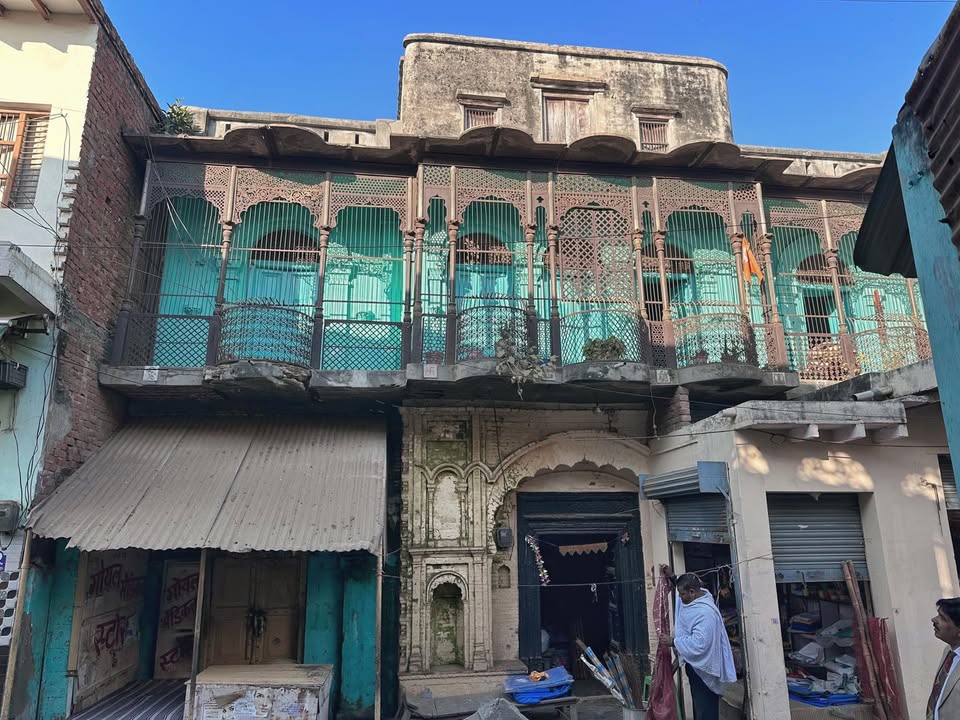
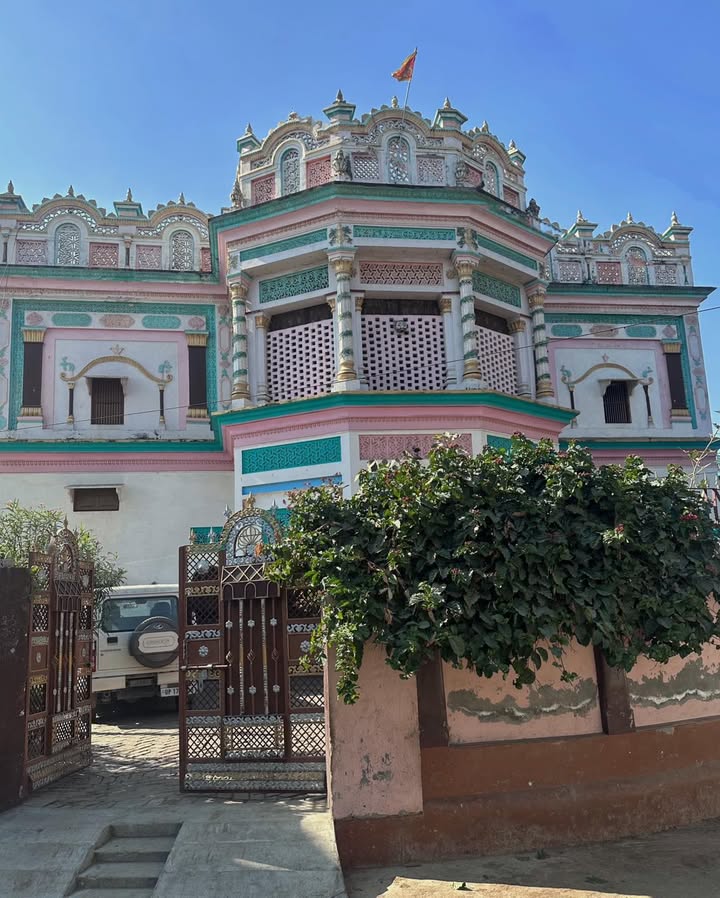

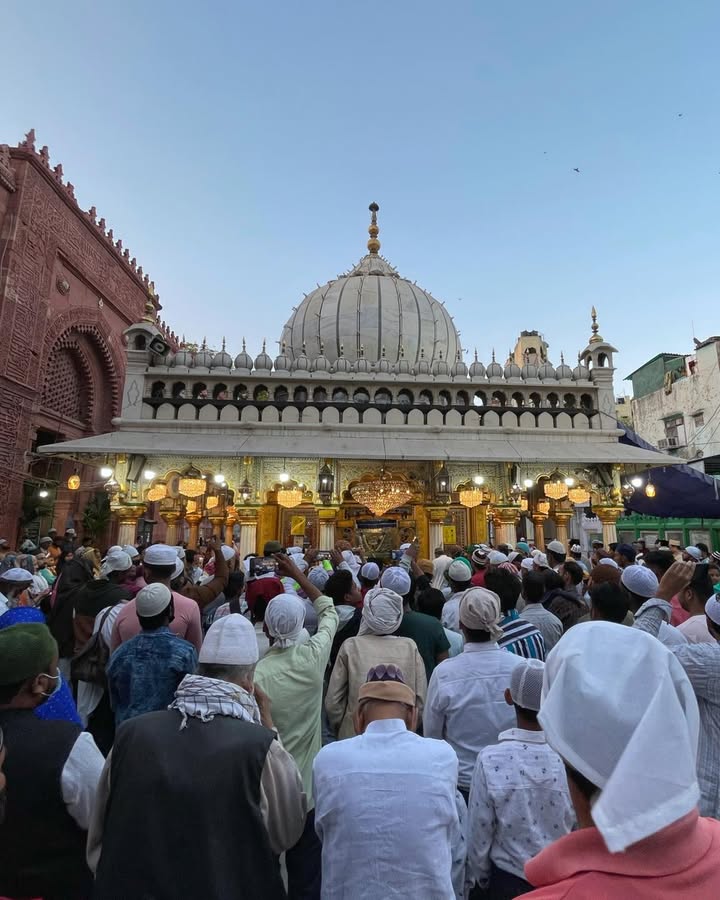
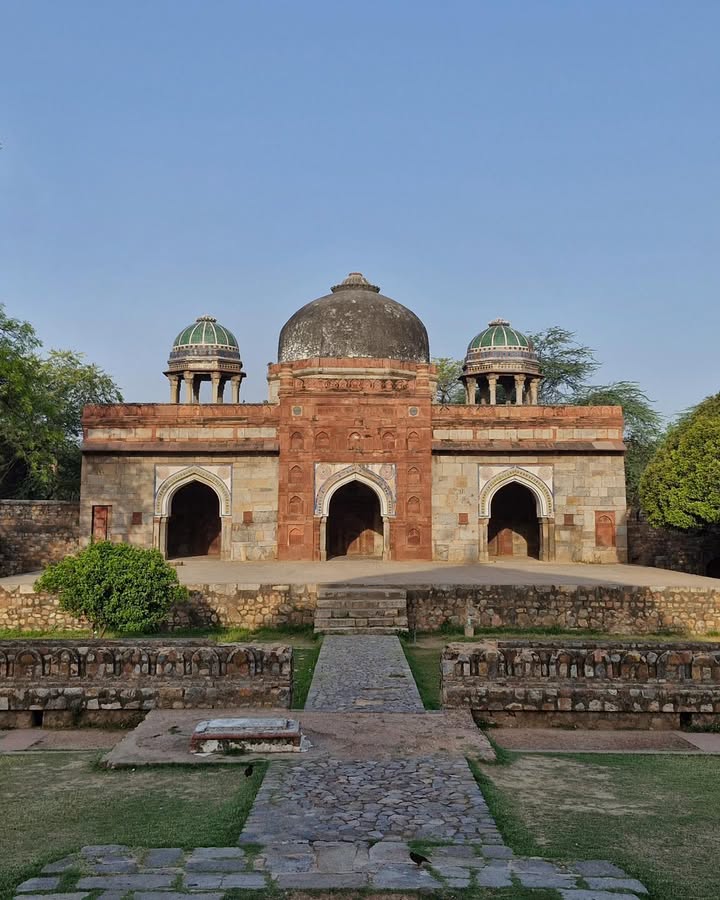
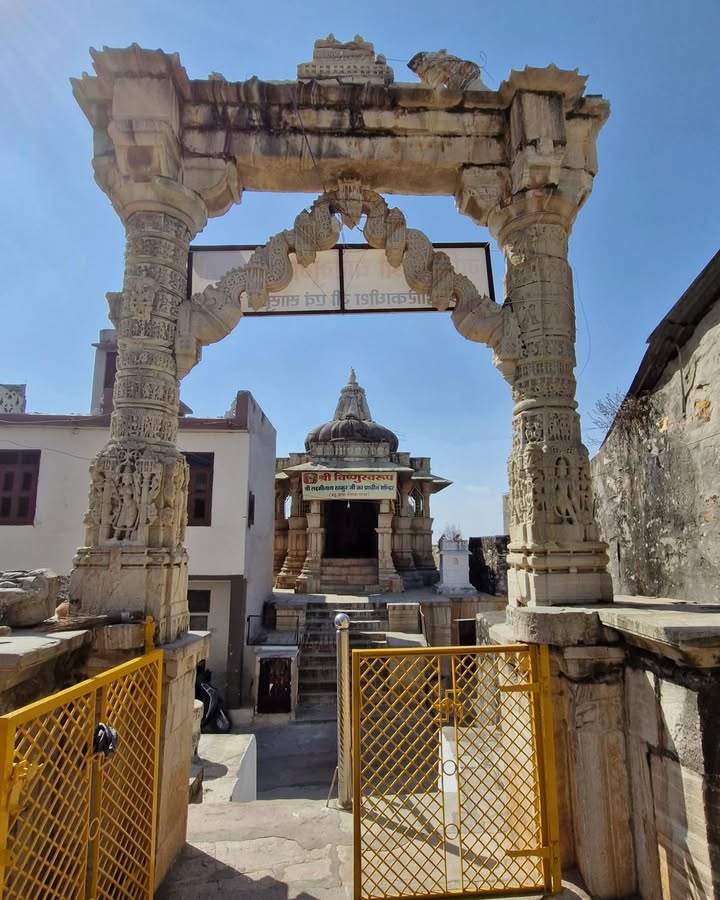
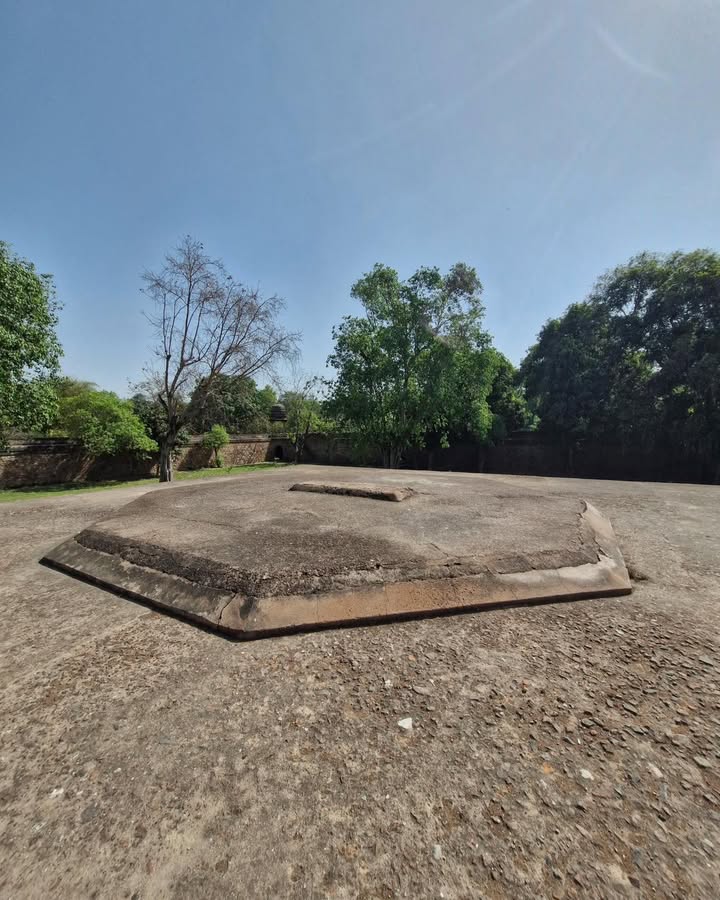
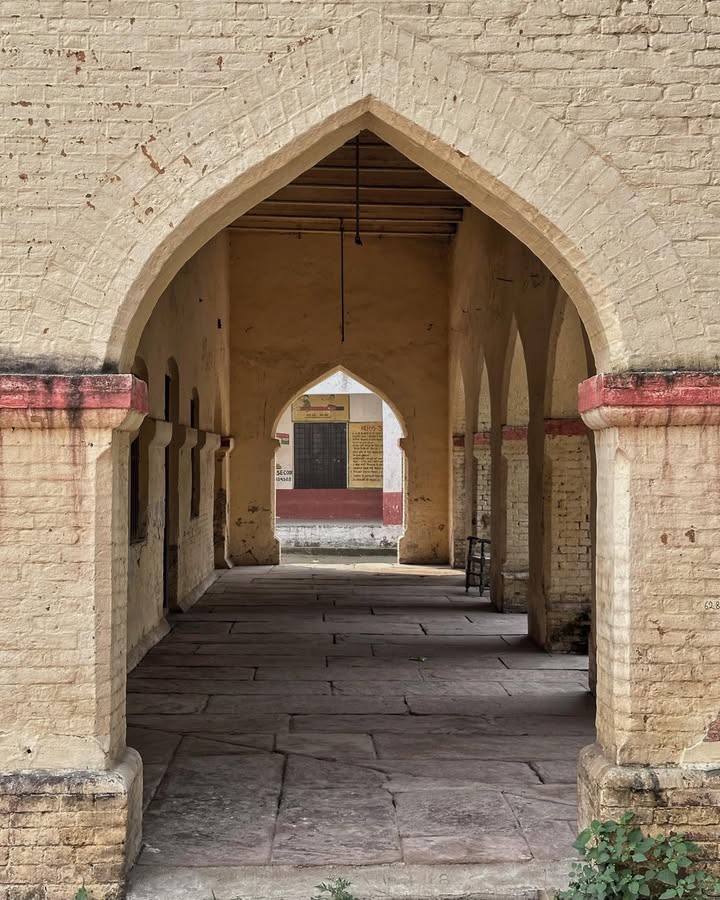










Gujari Mahal, Gwalior Fort .
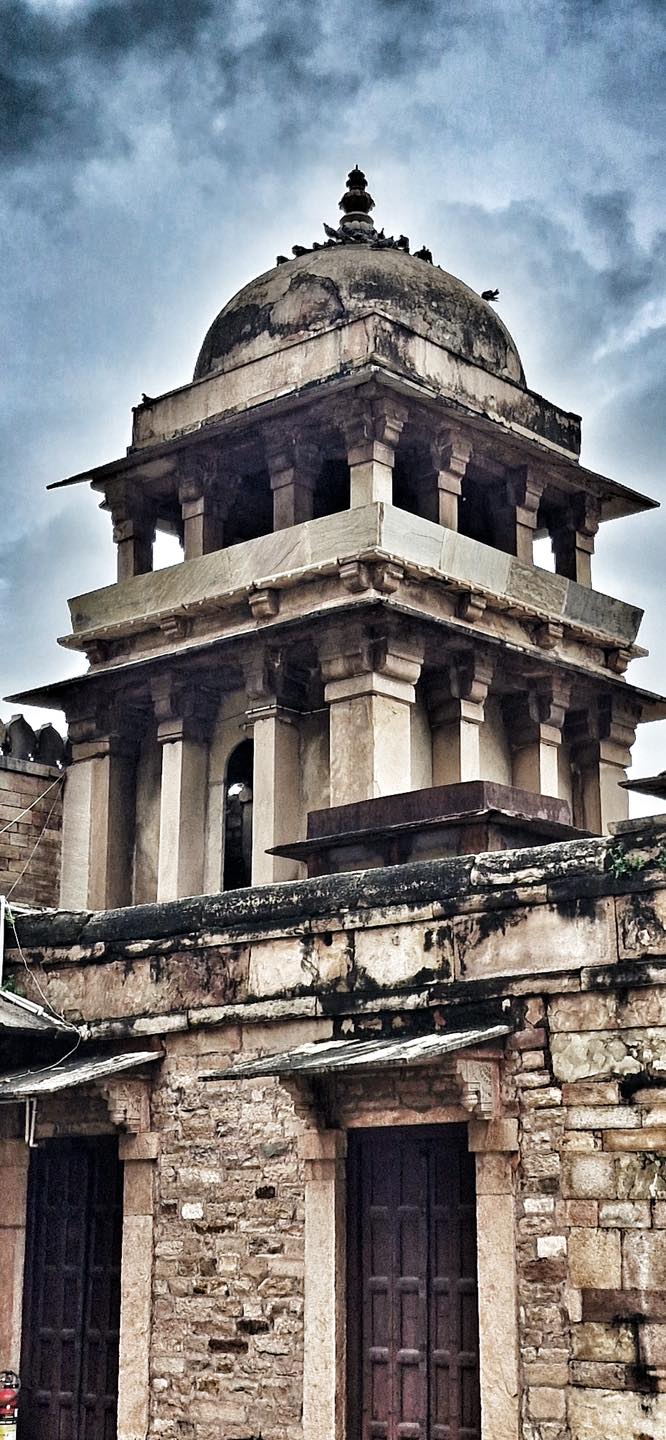
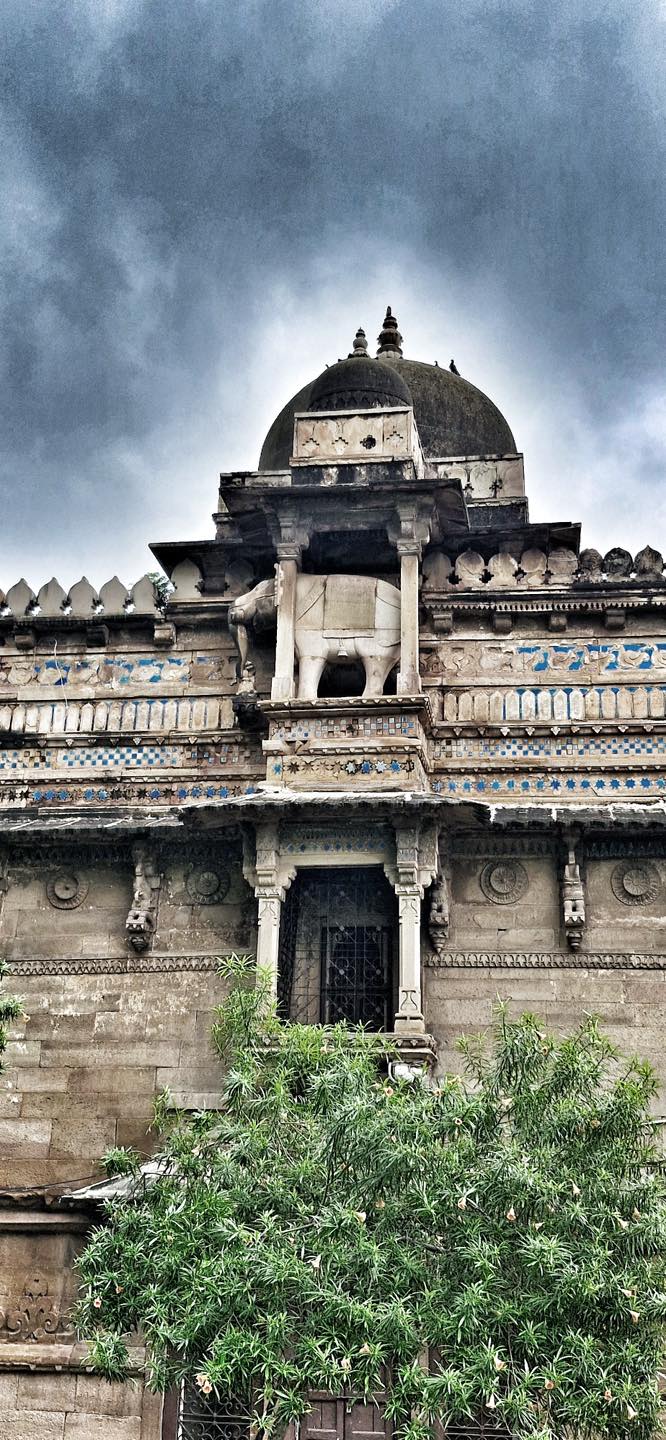
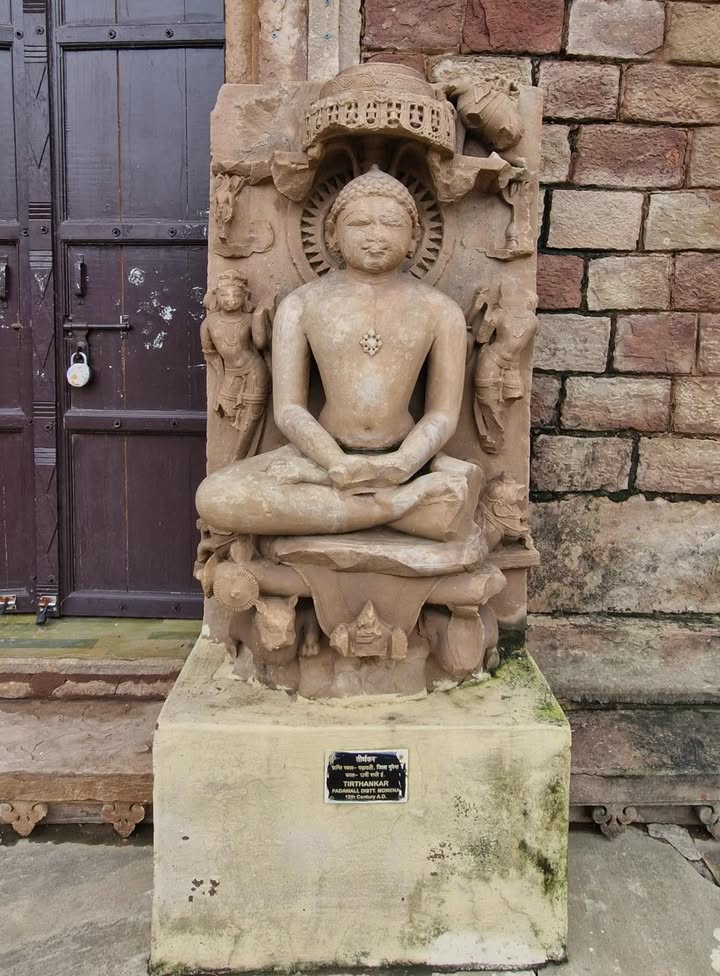
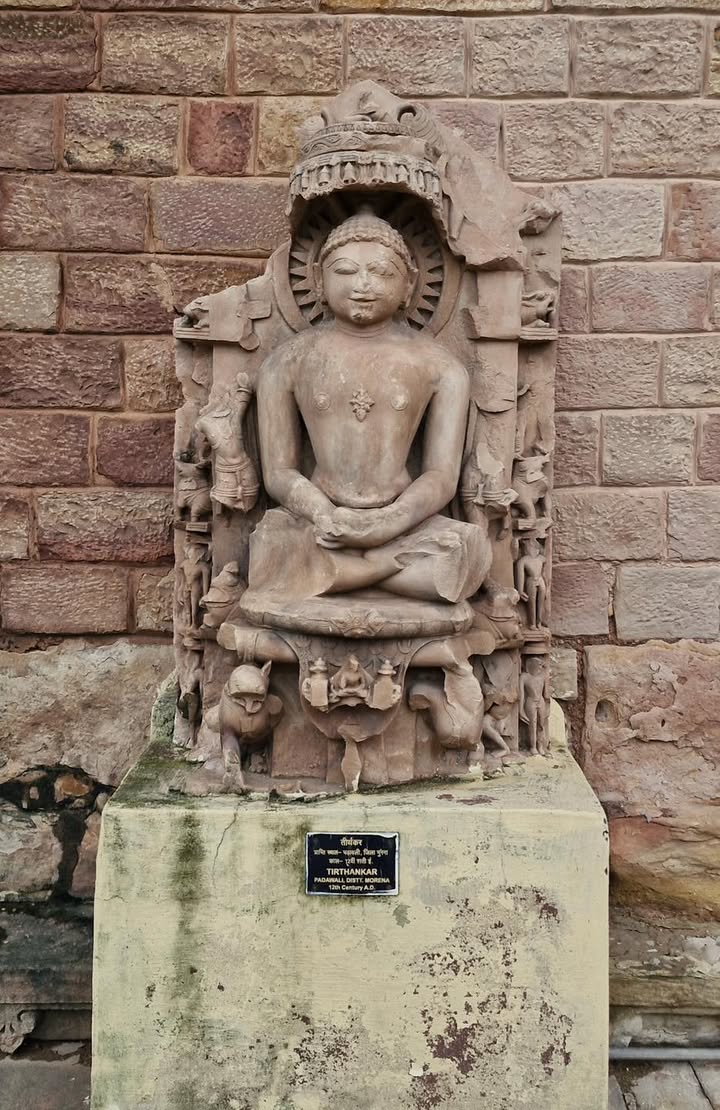
Gujari Mahal, Gwalior Fort .– From a Queen’s Palace to a Museum of Antiquity.
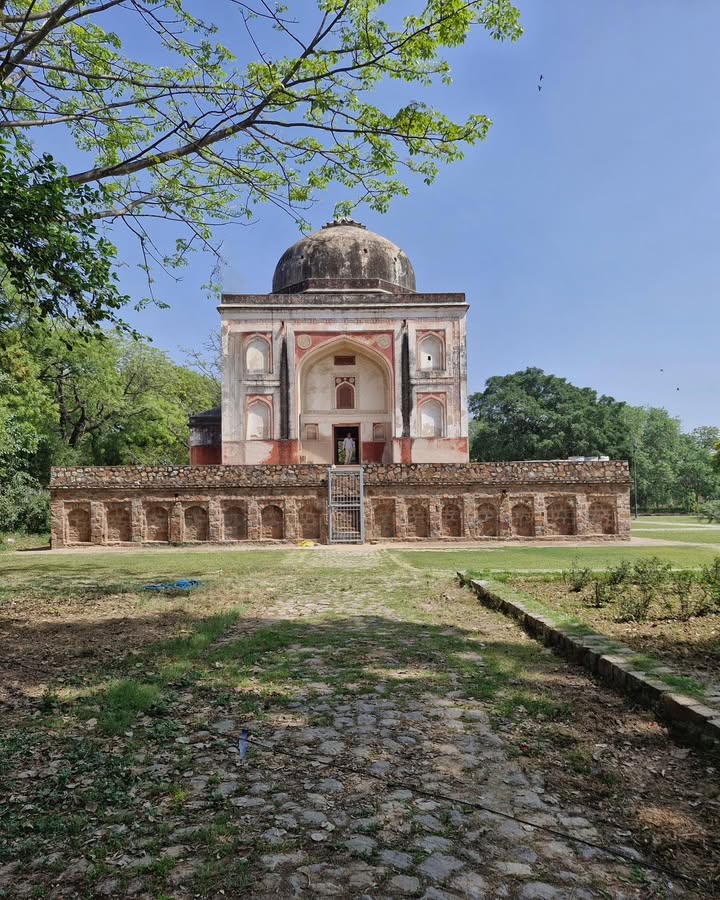
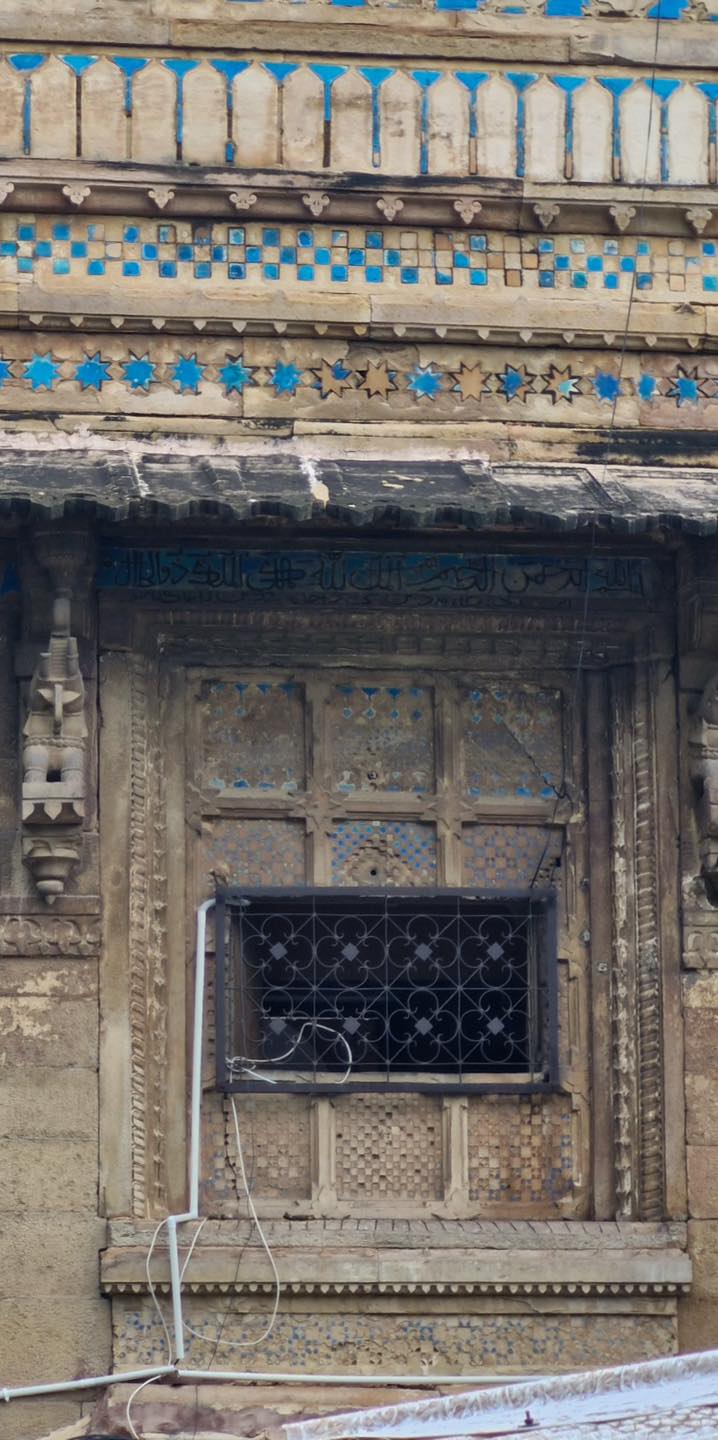
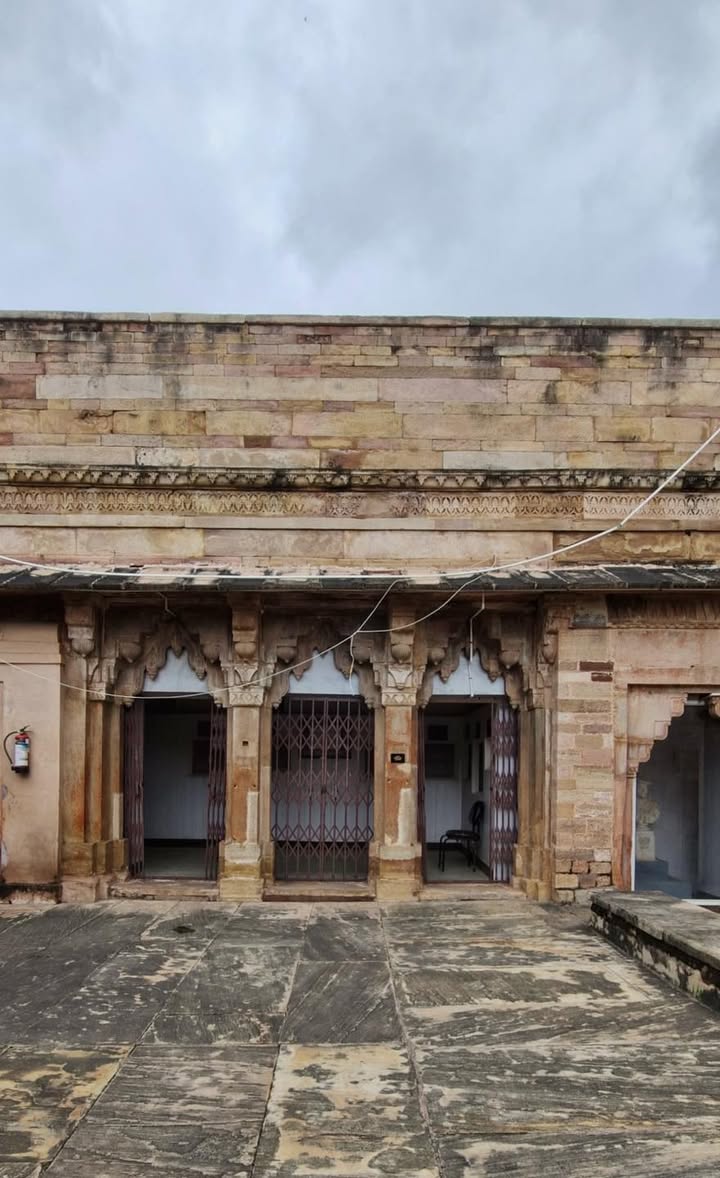
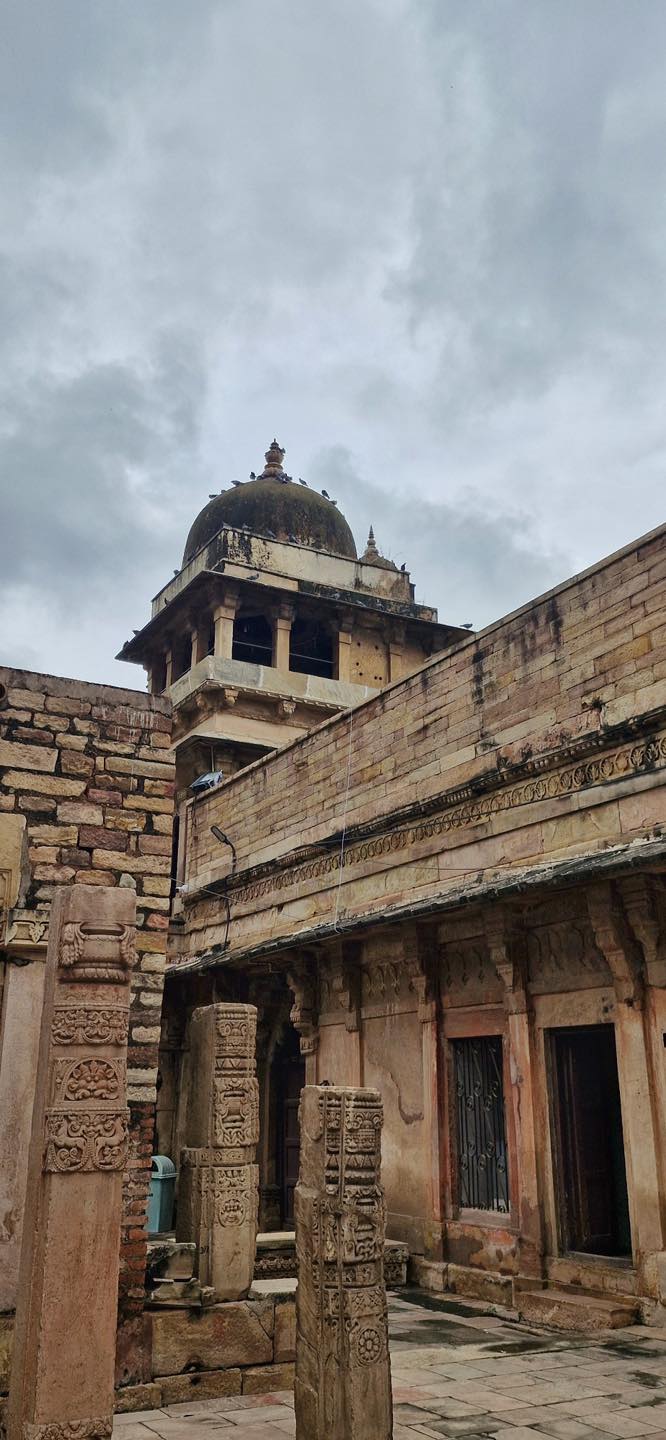
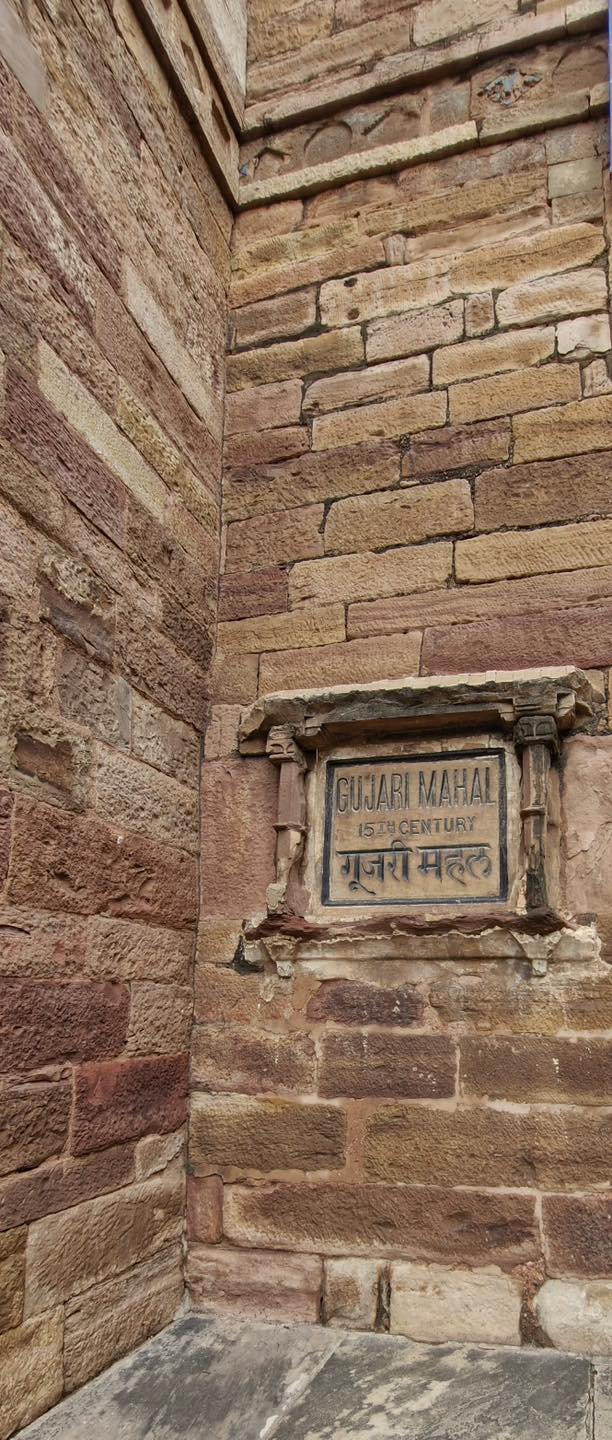
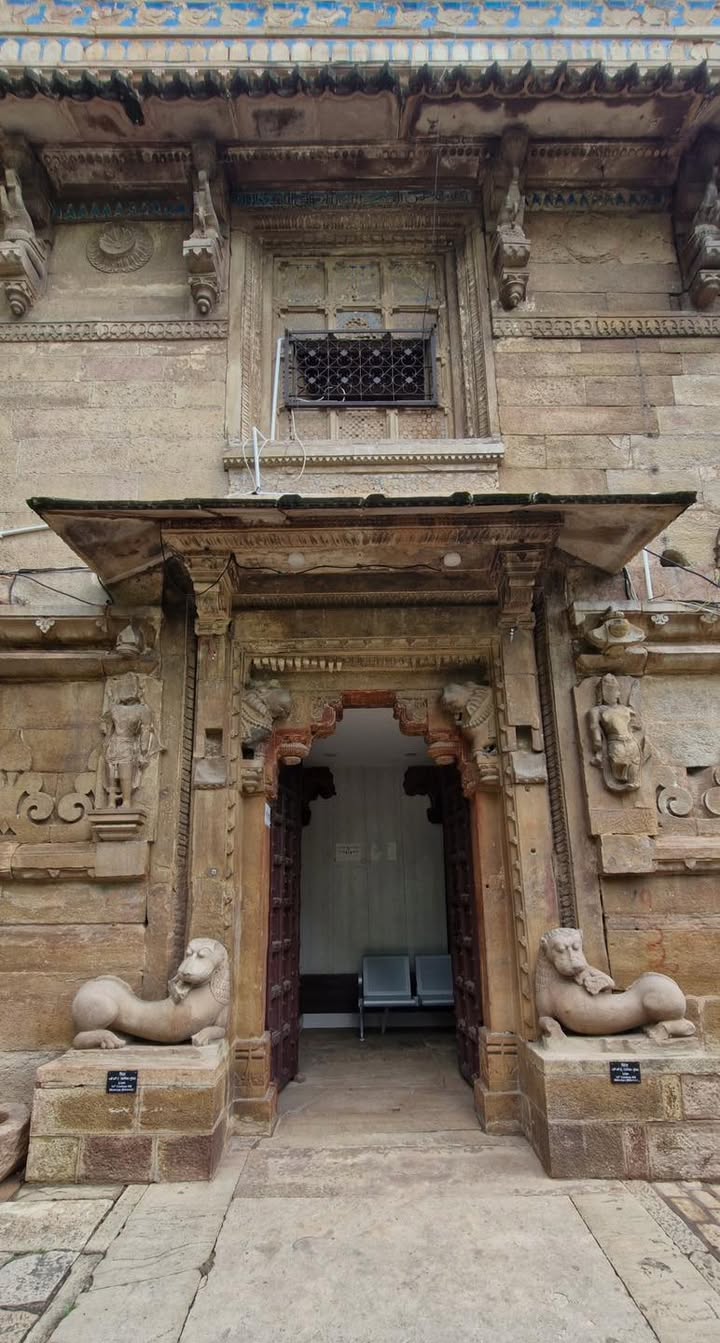
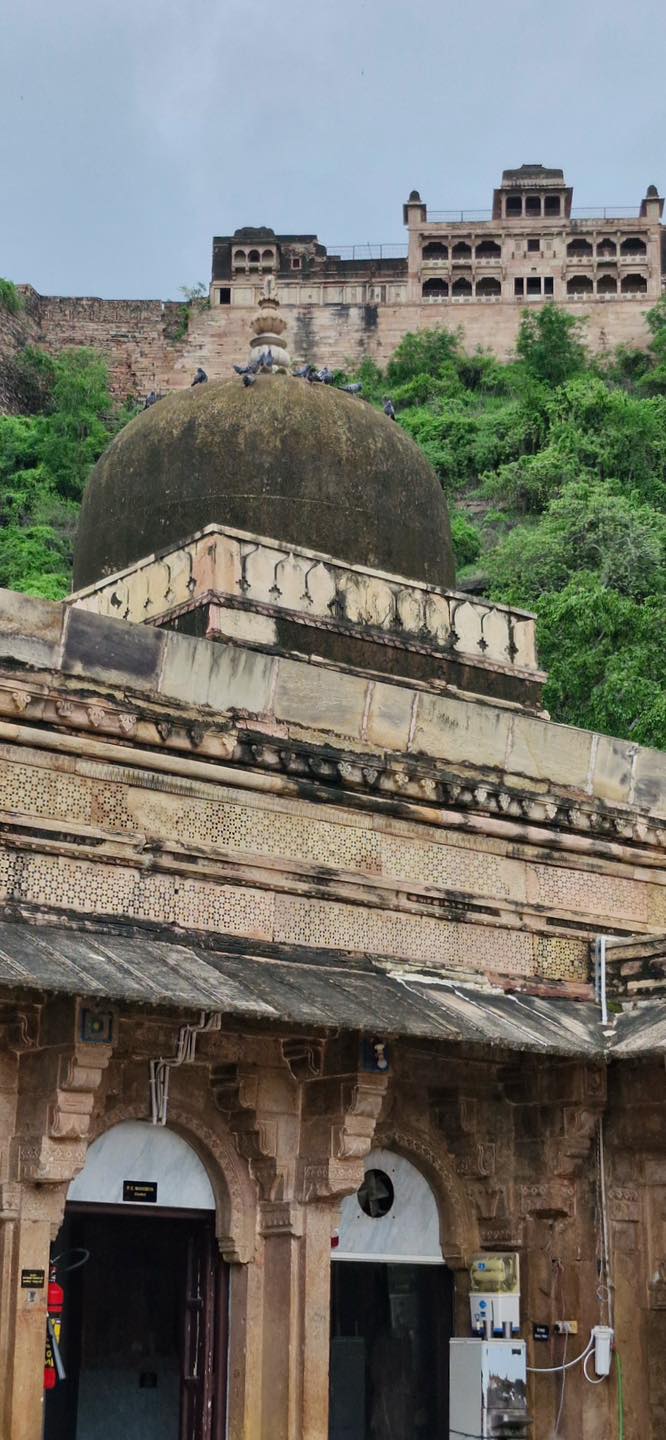
In the 15th century, Raja Man Singh Tomar of the Tomar dynasty built Gujari Mahal inside the Gwalior Fort for his beloved wife Mrignayani, a woman of the Gujjar community. Defying caste and social norms, Mrignayani’s only condition for marriage was a separate palace with an assured water supply from the nearby Rai River — a demand that led to this iconic structure.
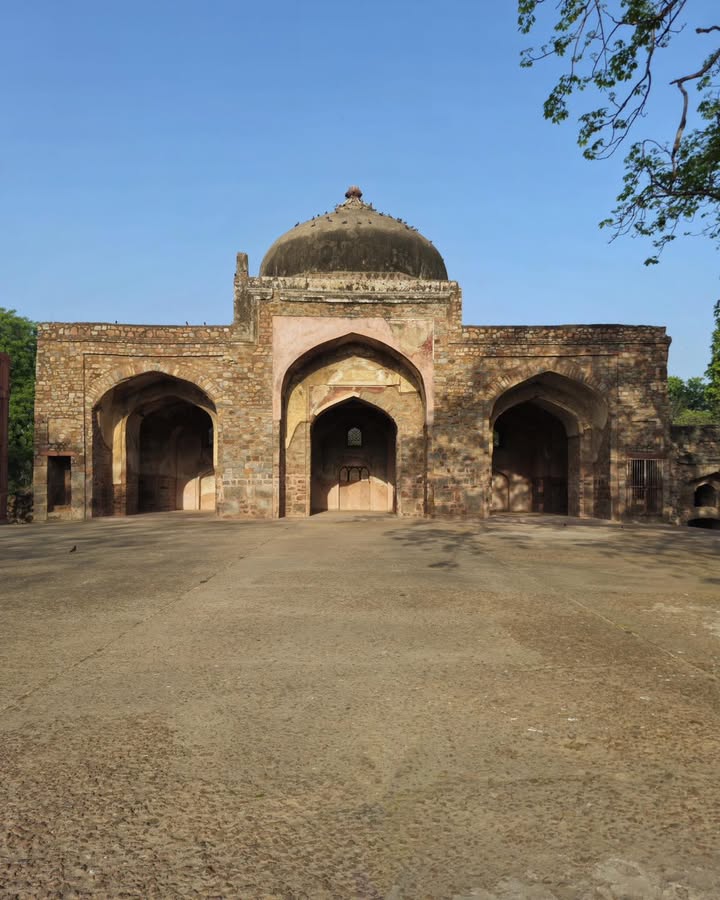
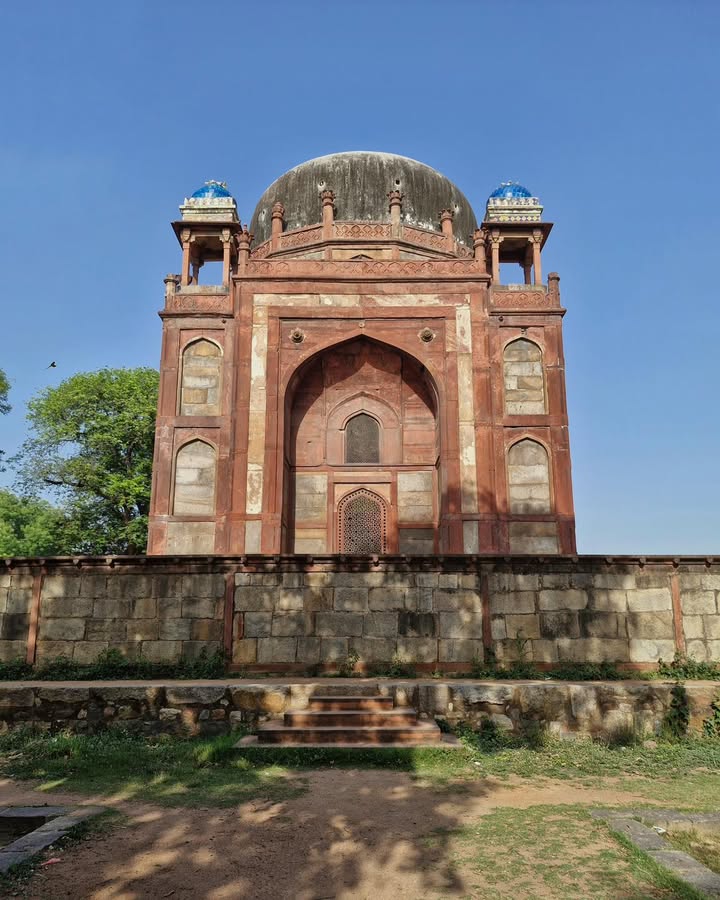
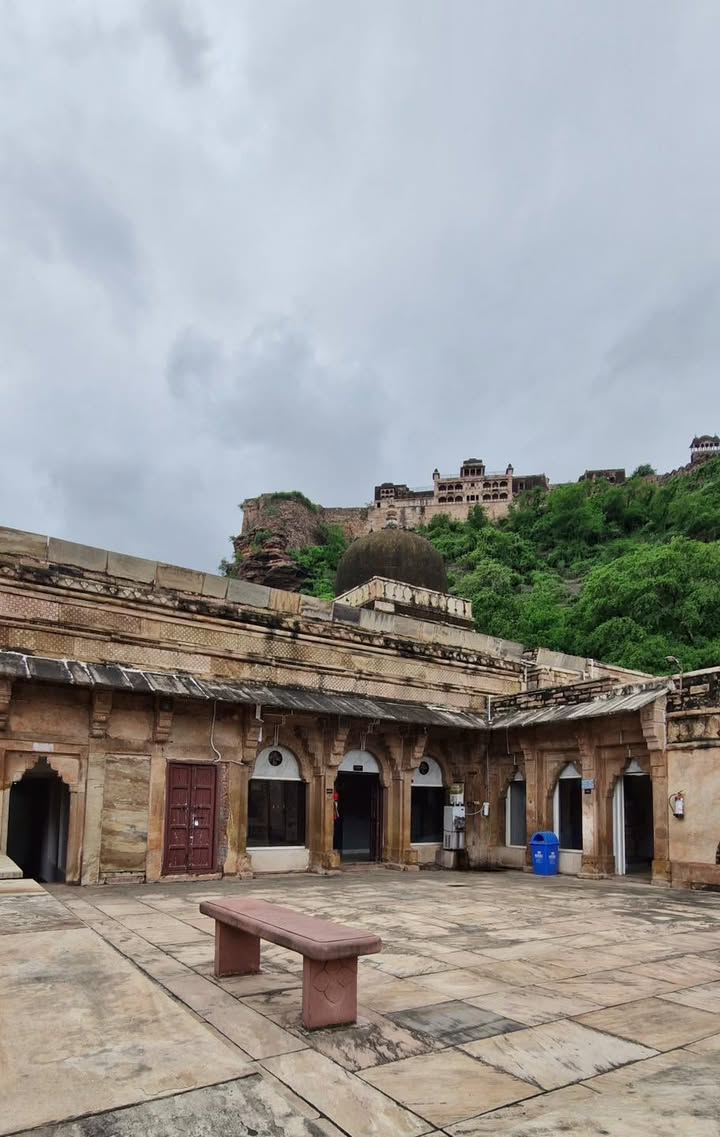
Unlike the main fort palaces, Gujari Mahal stands on lower ground and reflects a mix of Rajput and vernacular styles suited to her identity and preferences.
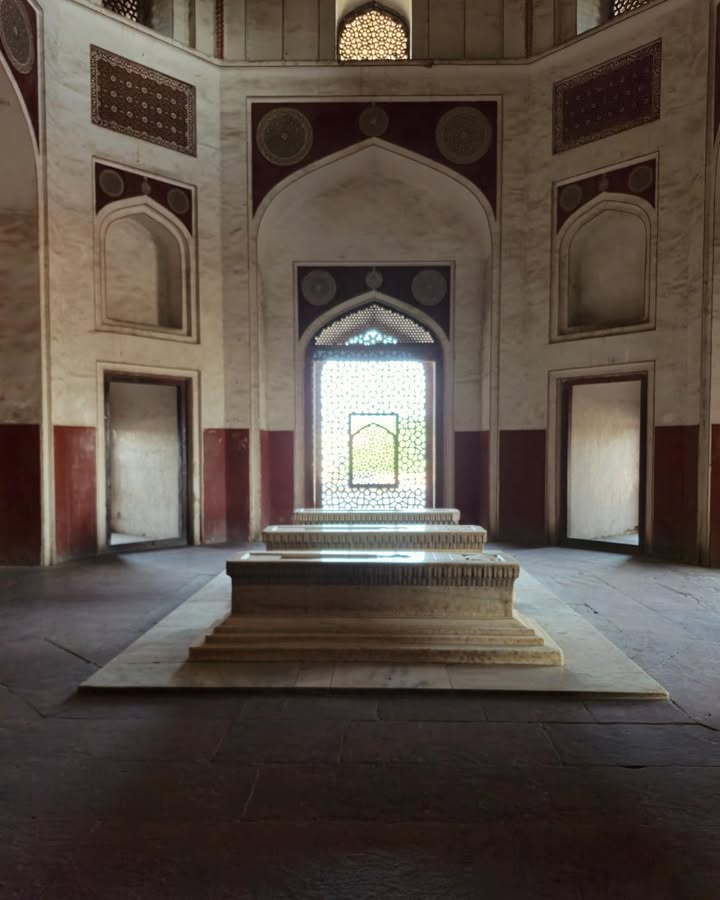
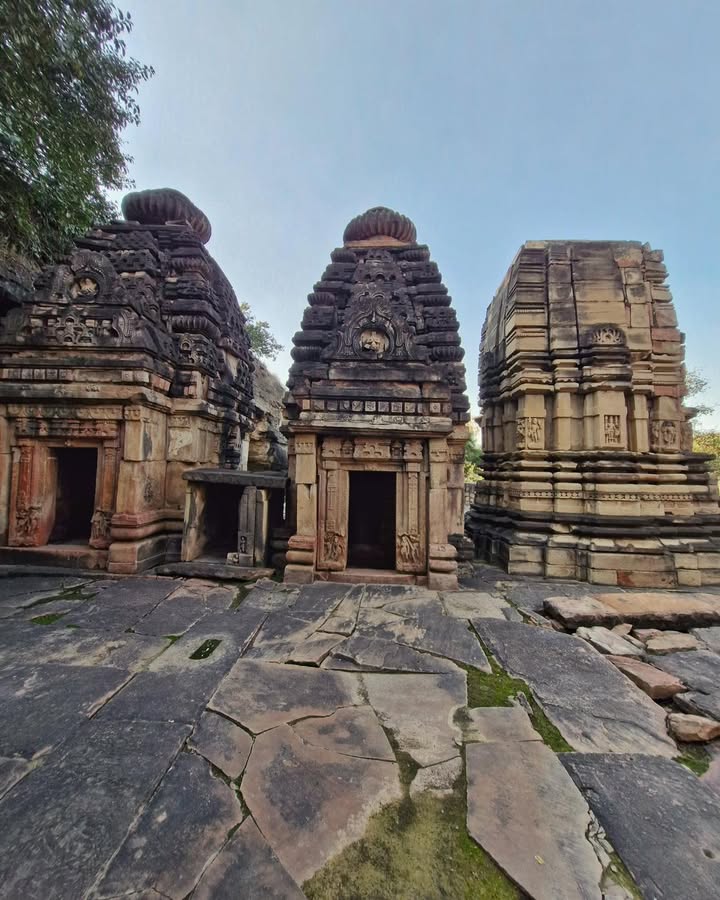
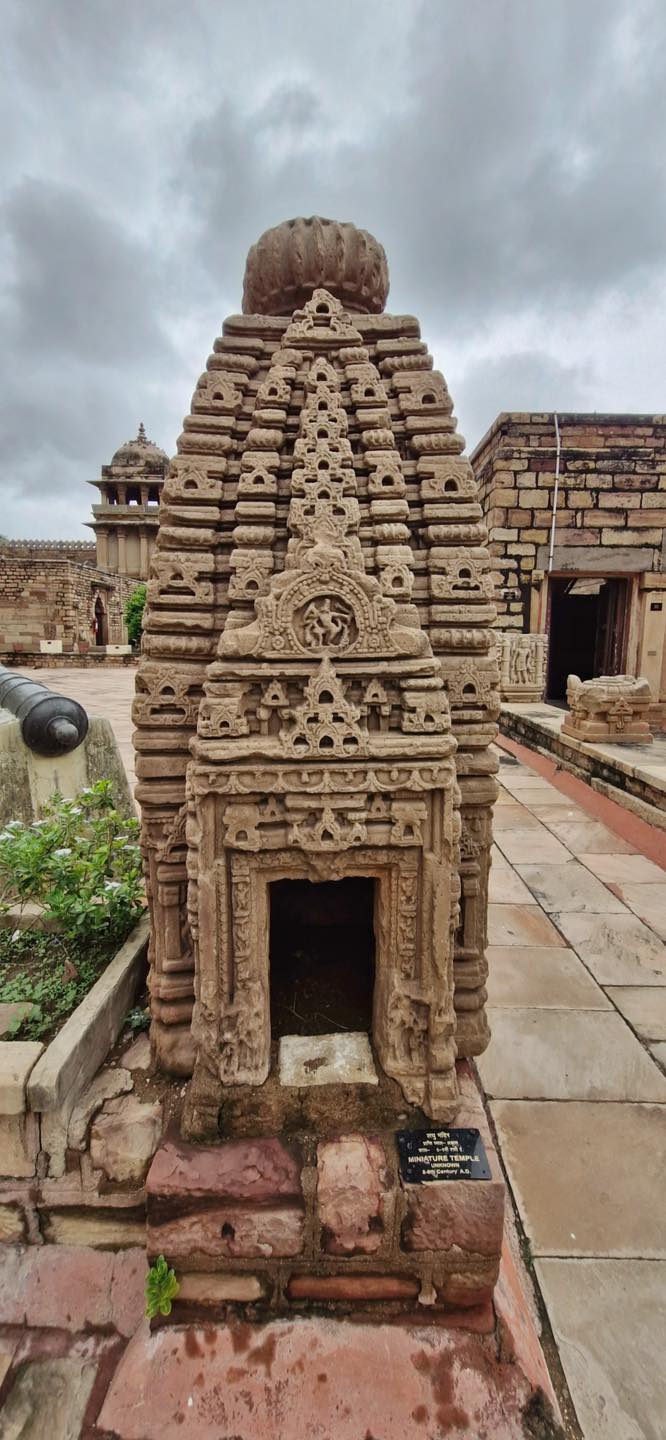
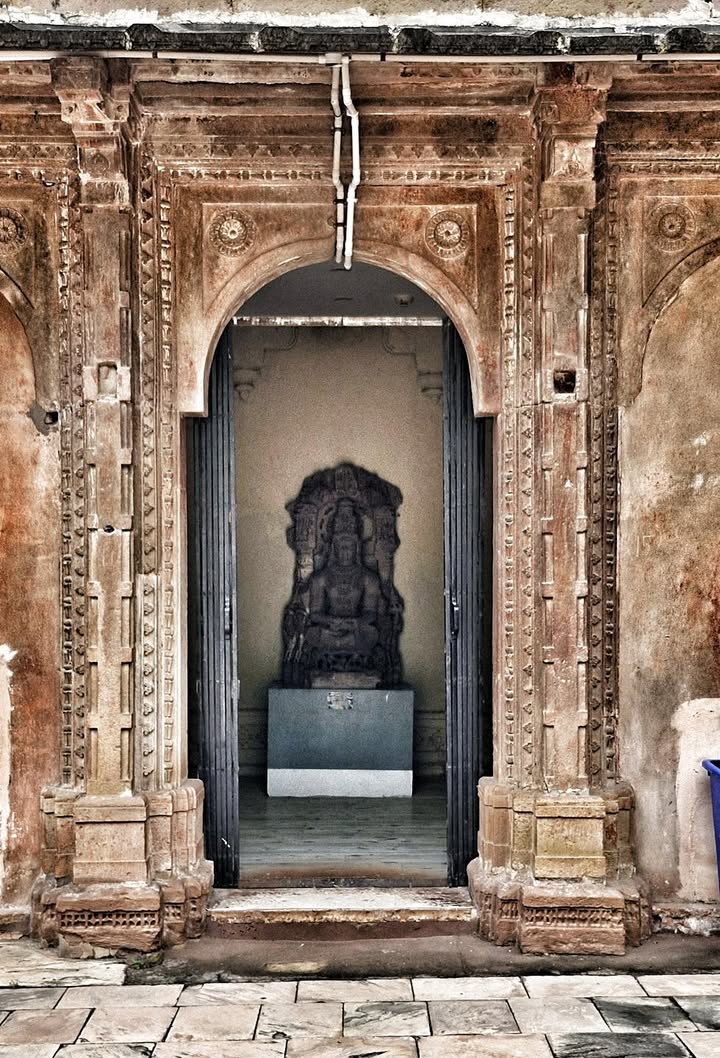
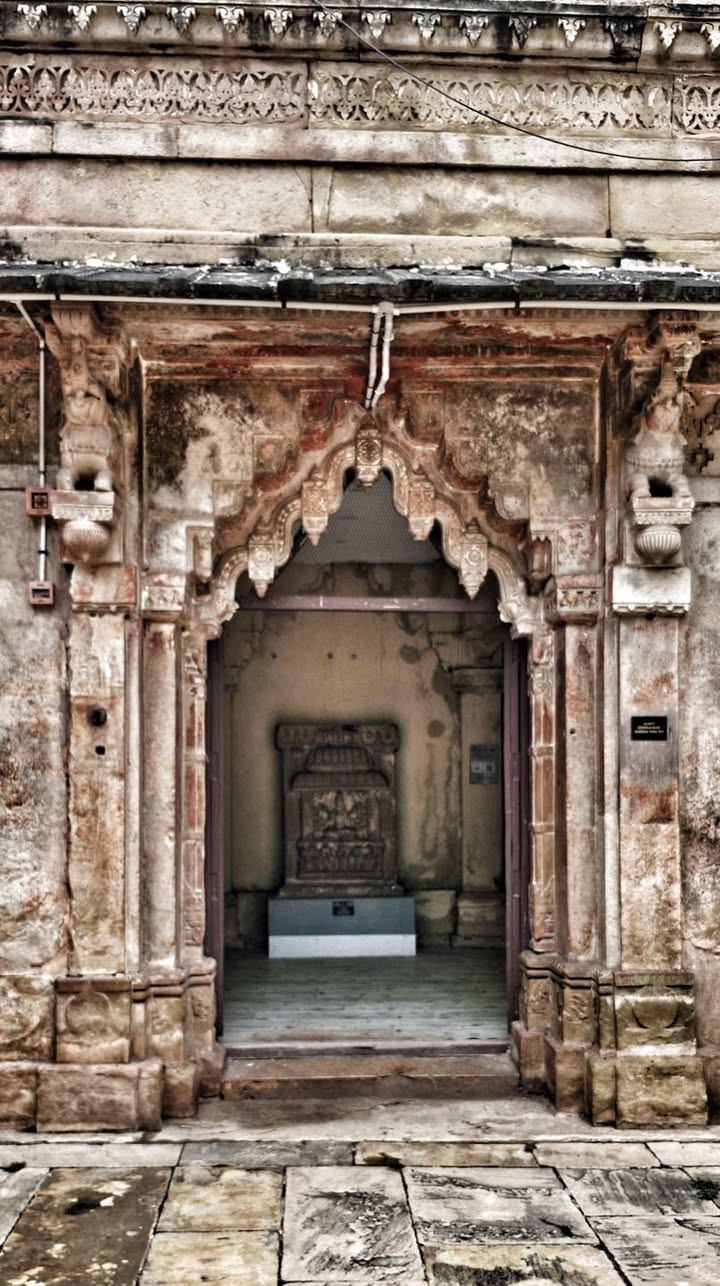
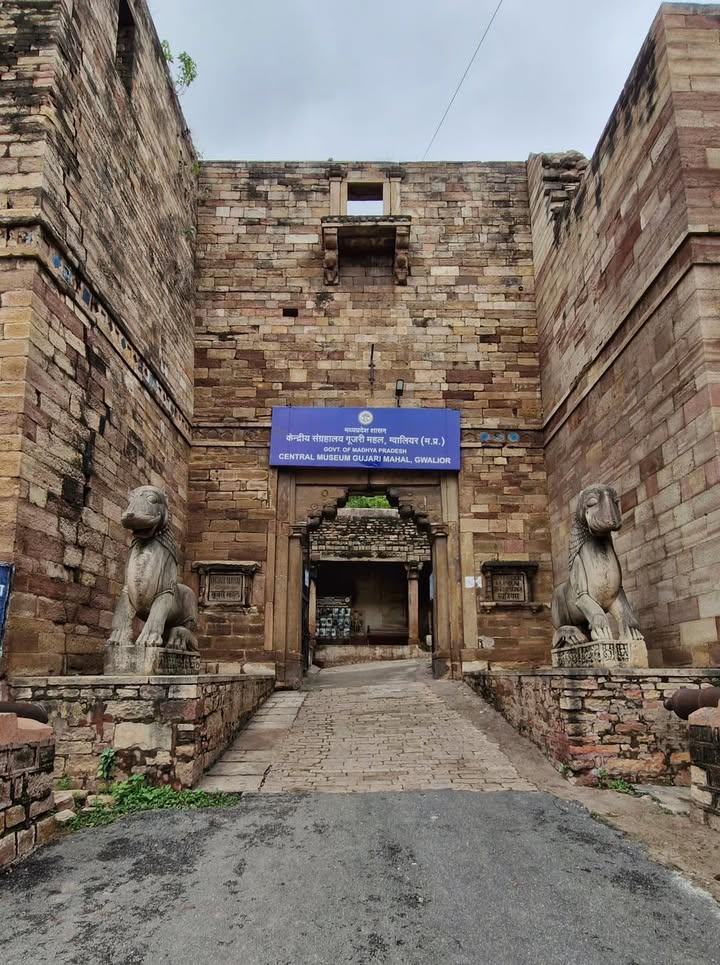
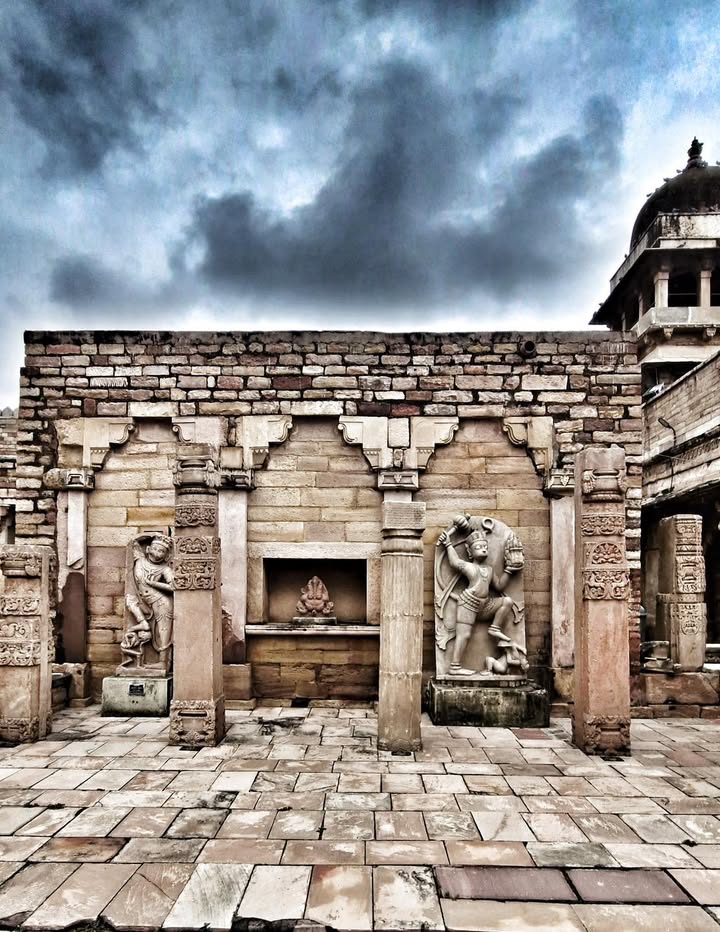
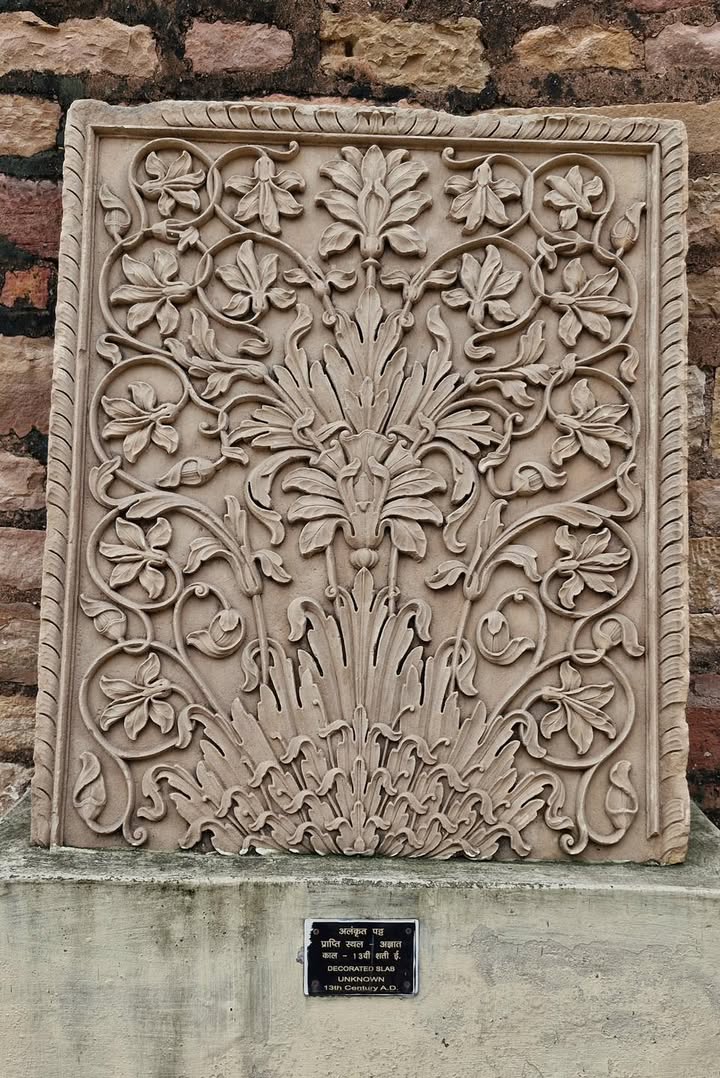
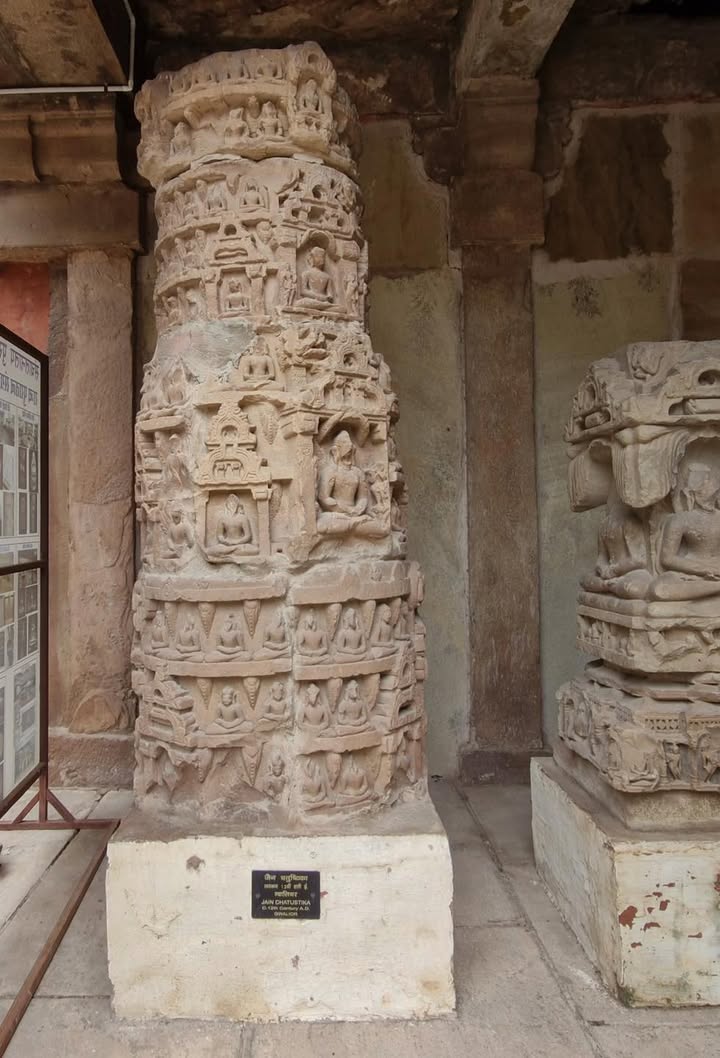
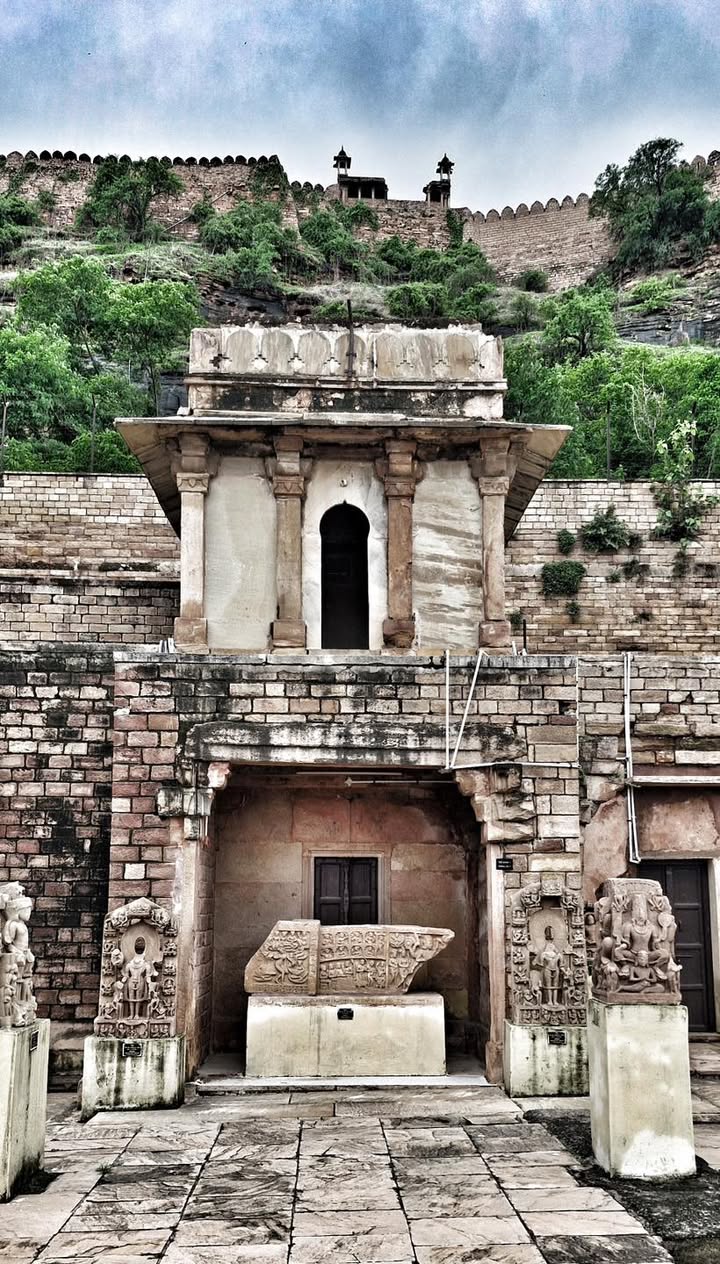
Today, Gujari Mahal has been transformed into the State Archaeological Museum, housing ancient sculptures, terracotta figures, rare Jain and Hindu artifacts dating back to the 1st–2nd century BCE, and the renowned Garuda capital fragment from the Heliodorus pillar of Vidisha.
What began as a symbol of royal love and defiance has now become a house of India’s timeless heritage.
गुजरी महल, ग्वालियर किला – रानी के प्रेम का प्रतीक, अब एक पुरातात्विक संग्रहालय
15वीं शताब्दी में तोमर वंश के राजा मान सिंह तोमर ने अपनी गुर्जर रानी मृगनयनी के लिए गुजरी महल का निर्माण करवाया था। सामाजिक सीमाओं को तोड़ते हुए यह विवाह हुआ था, पर मृगनयनी ने एक शर्त रखी — एक अलग महल जिसमें पास की राय नदी से जल की नियमित आपूर्ति हो।
मुख्य किले की ऊँचाई से अलग, यह महल अपेक्षाकृत निचले स्थान पर बनाया गया और इसमें राजपूत शैली के साथ लोक वास्तुकला का अनूठा मेल देखा जा सकता है।
आज यह महल राज्य पुरातत्व संग्रहालय में बदल चुका है, जिसमें 1वीं–2वीं शताब्दी ईसा पूर्व की हिंदू-जैन मूर्तियाँ, टेराकोटा कलाकृतियाँ और विदिशा के हेलियोडोरस स्तंभ का गरुड़ शीर्ष भाग जैसे दुर्लभ अवशेष संरक्षित हैं।
गुजरी महल अब केवल प्रेम की कथा नहीं, बल्कि भारतीय सांस्कृतिक धरोहर का अमूल्य संग्रह बन चुका है।
.1