







Moti Mahal, Gwalior – A Timeless Seat of Power and Grandeur.
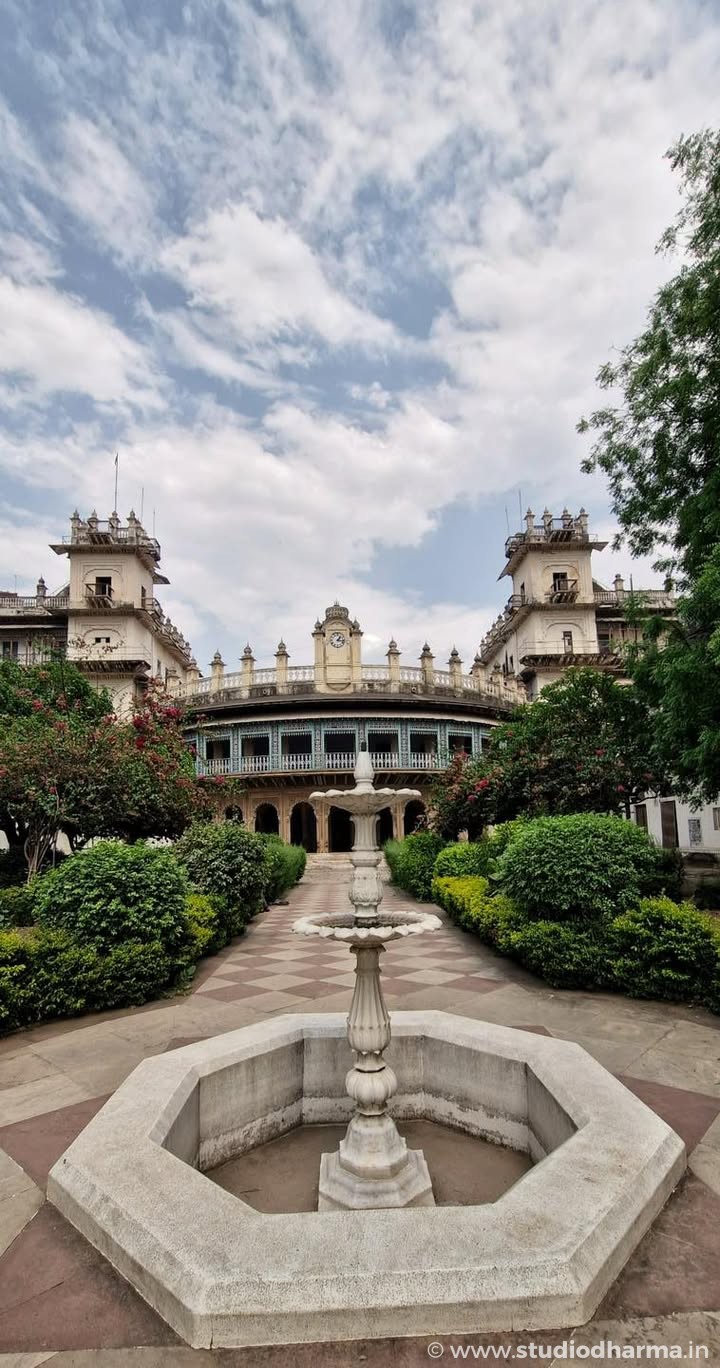
Moti Mahal, Gwalior – A Timeless Seat of Power and Grandeur.
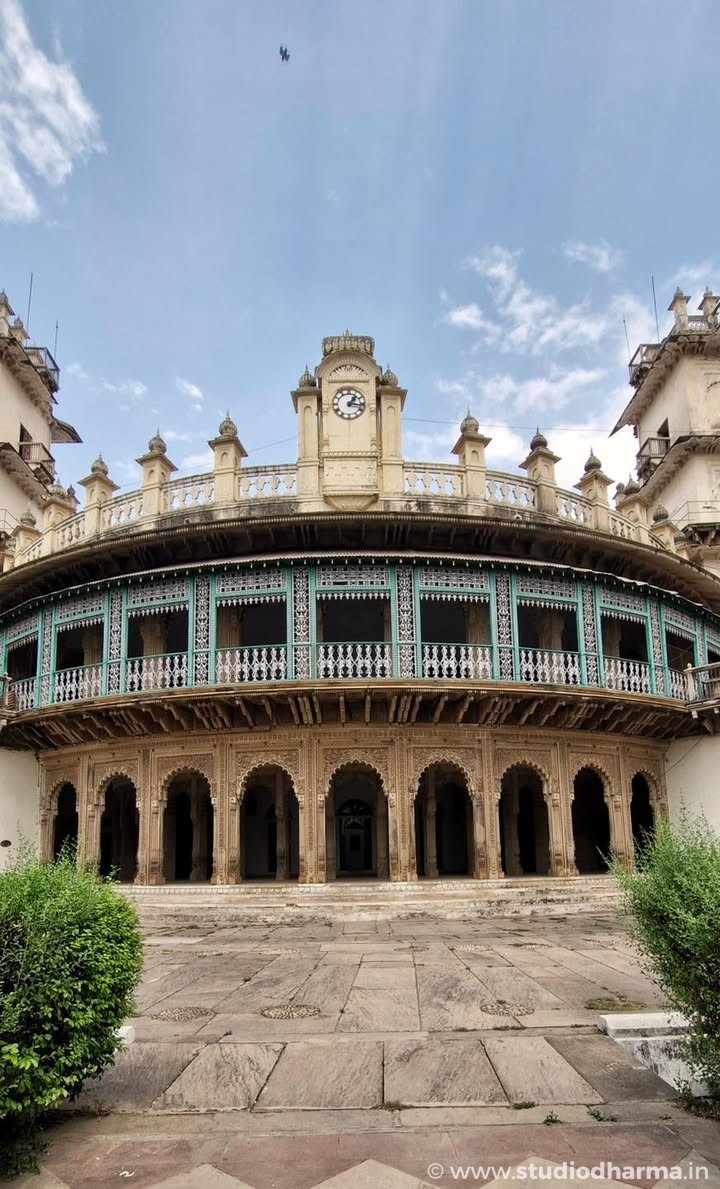
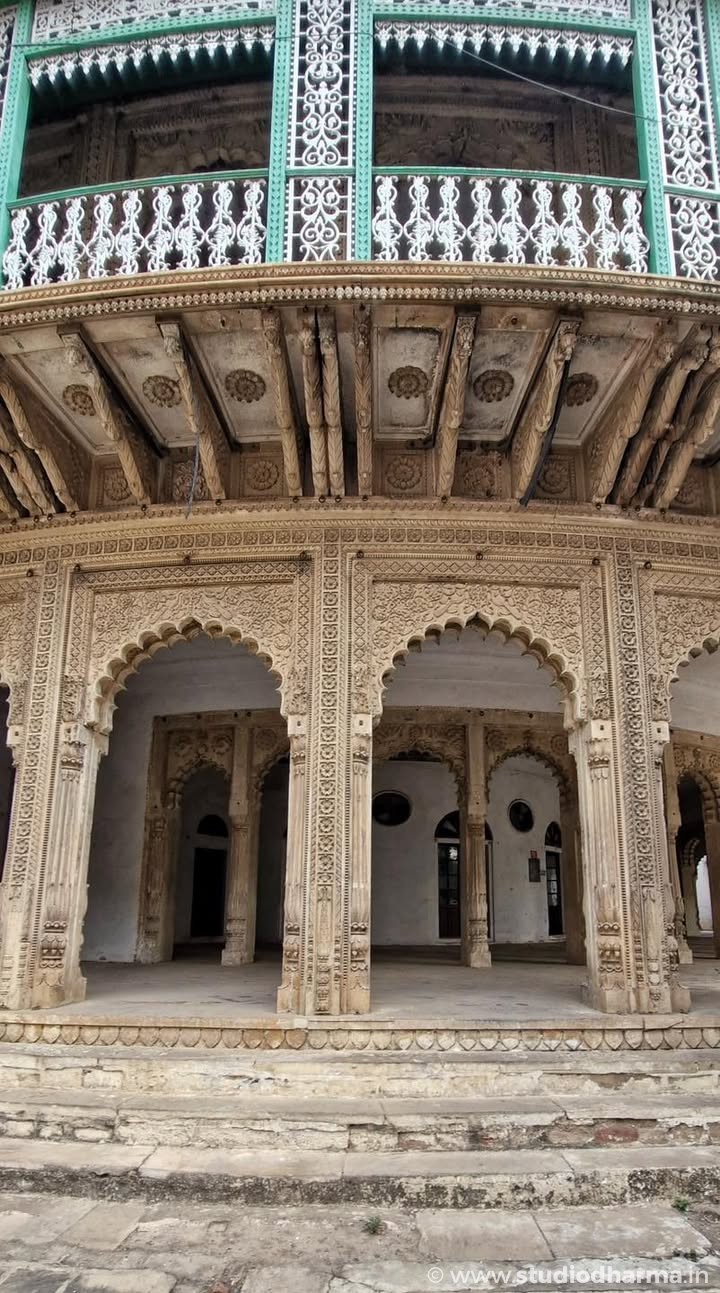
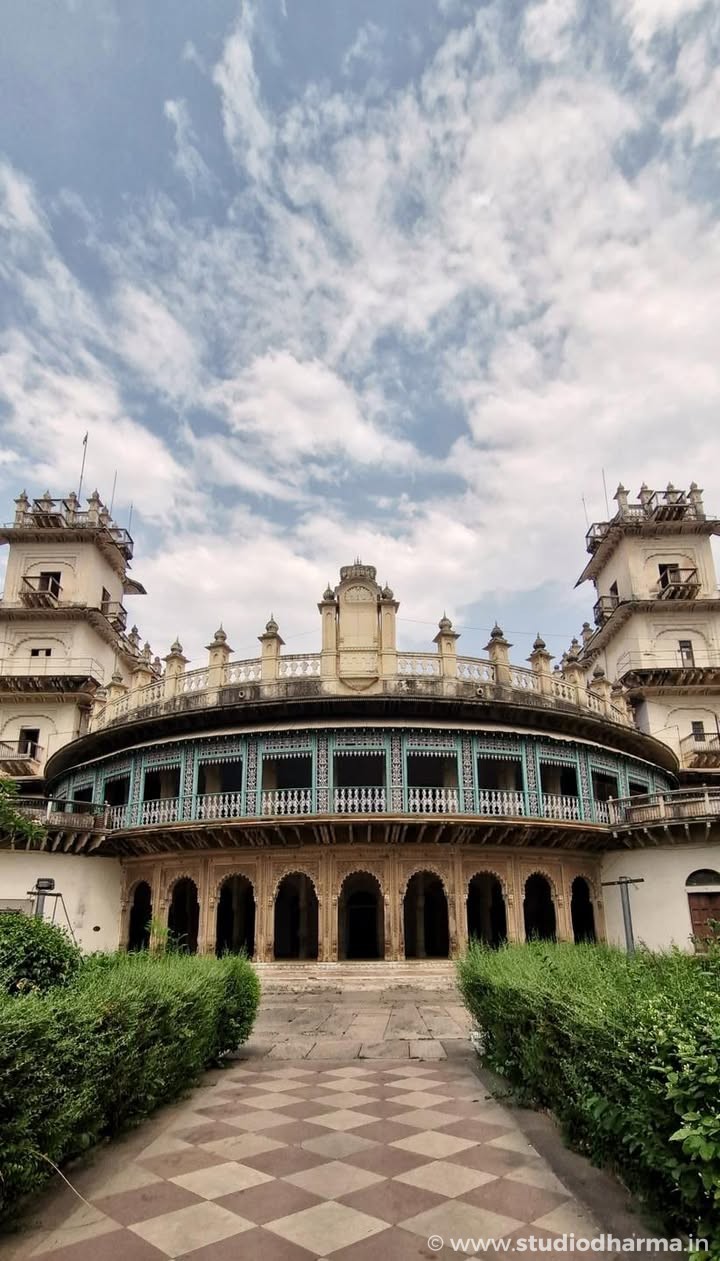
Built in the 18th century by Maharaja Jayajirao Scindia, Moti Mahal served as the administrative and legislative hub of the princely state. After independence in 1947, it became the seat of the first legislative assembly of Madhya Pradesh.
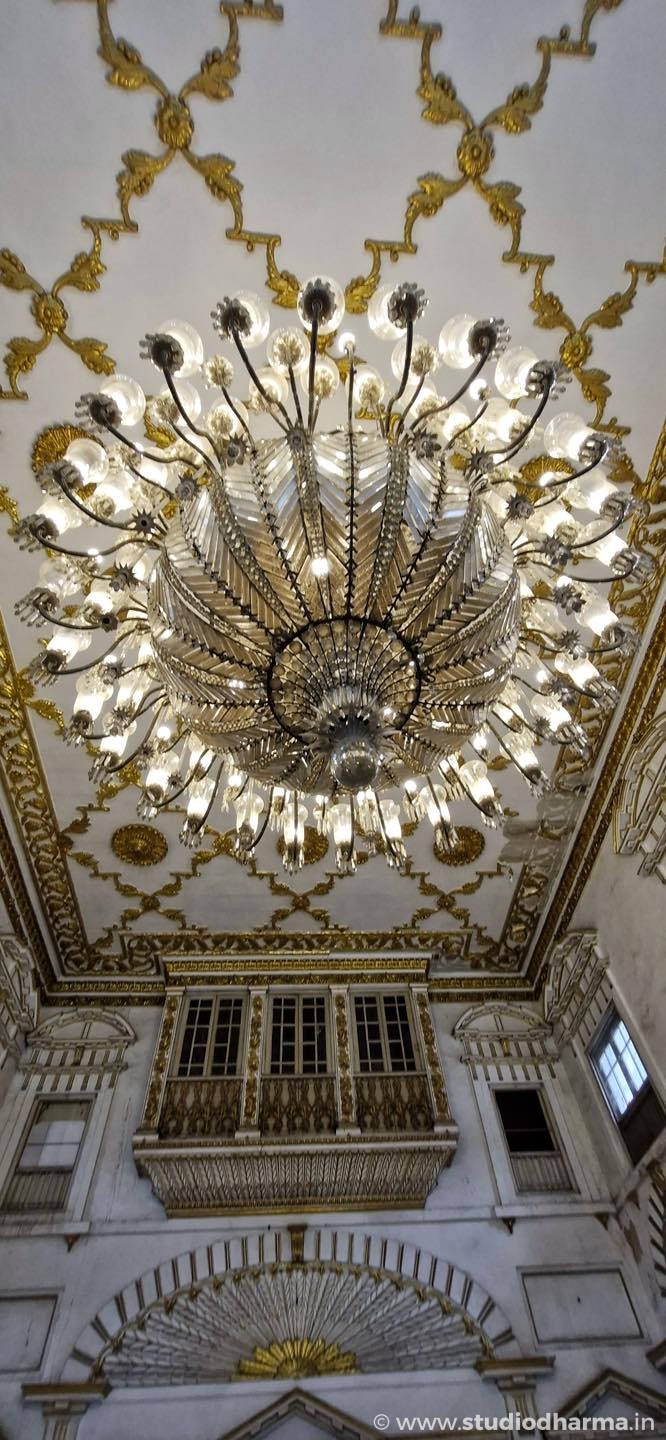
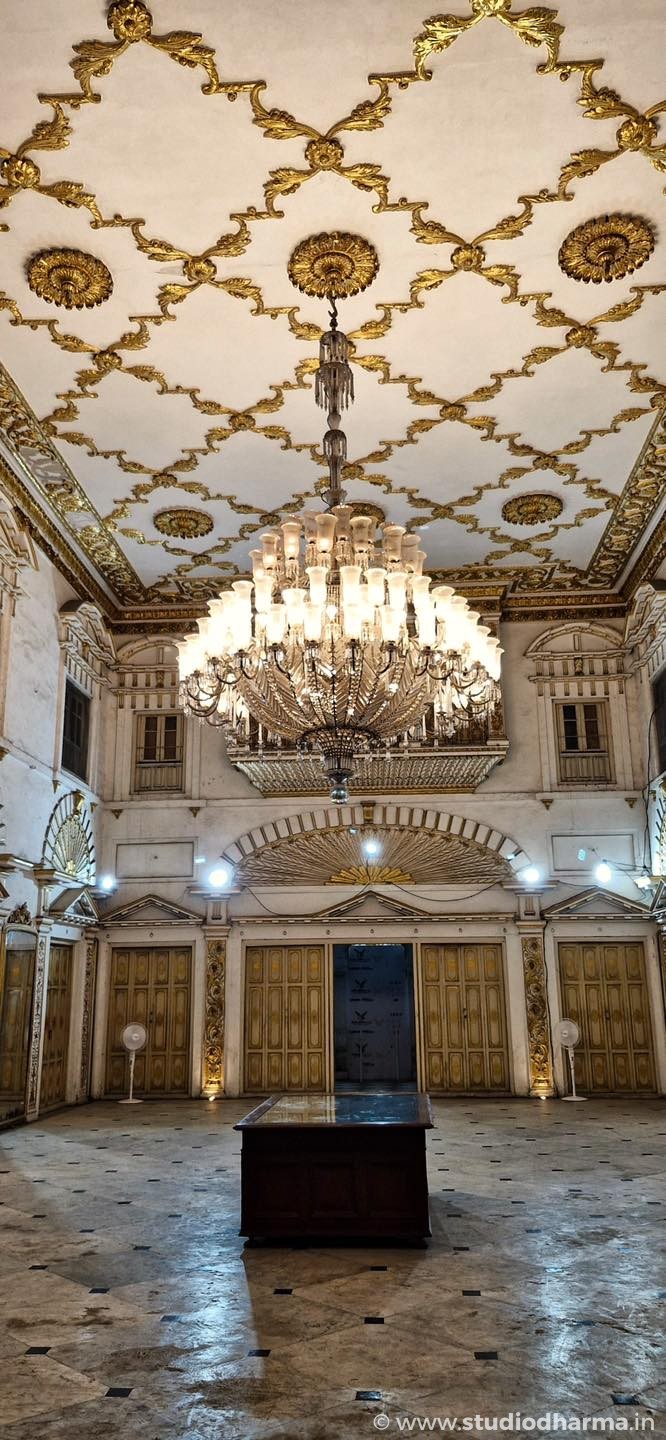
Assembly sessions were held in traditional fashion—with members seated on ‘gaddas’ and the royals and officers in adjoining chambers. The main durbar hall is adorned with a 1.5-tonne chandelier made of Belgium glass—one of only two in the world, the other being in Germany.
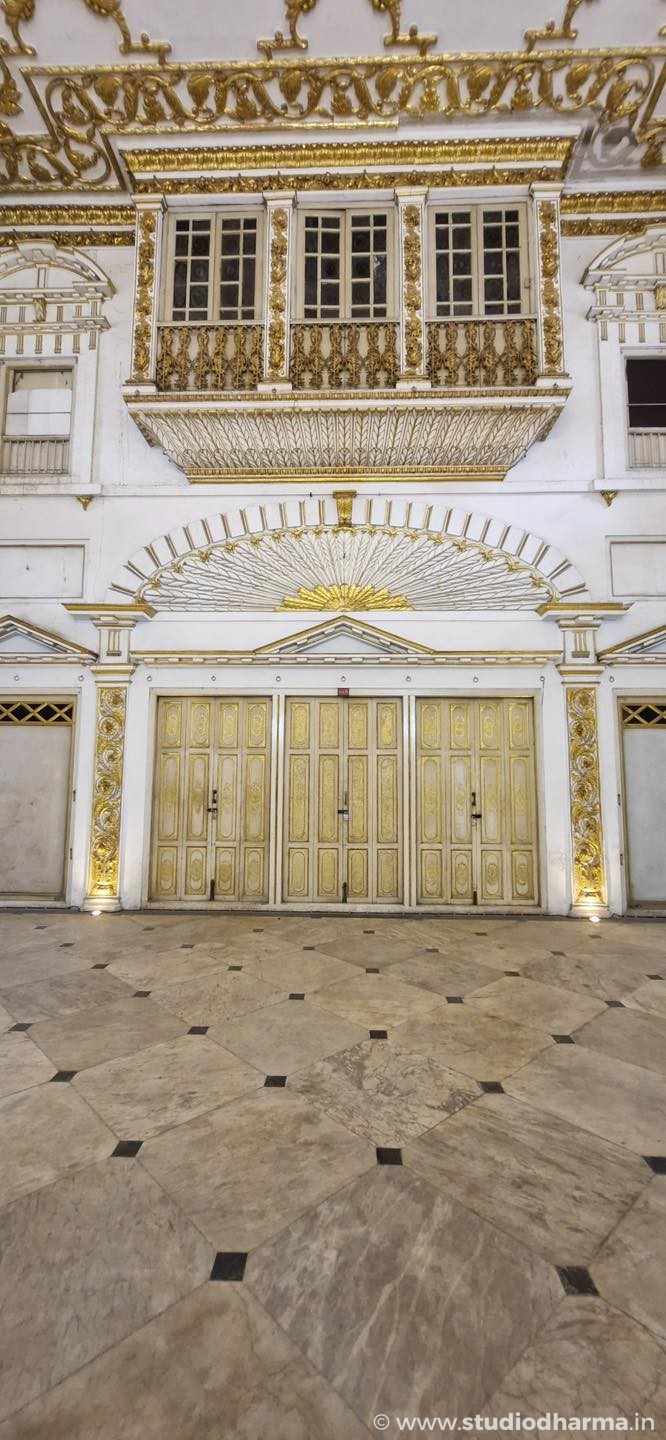
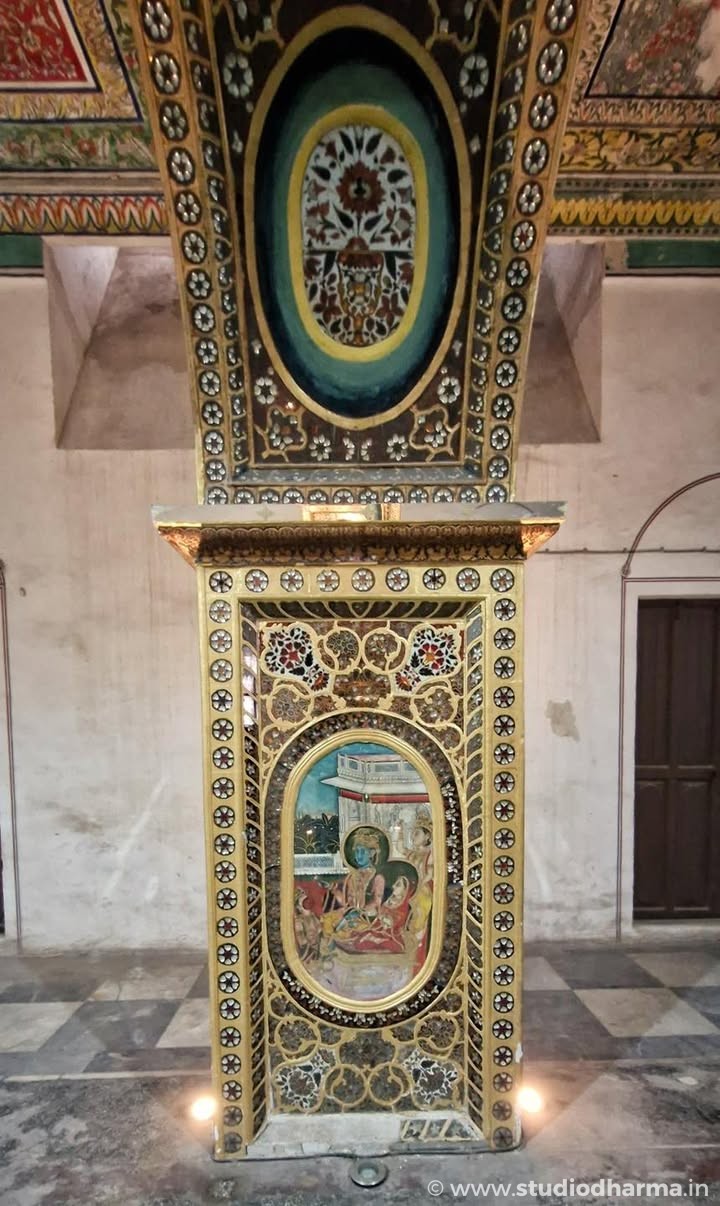
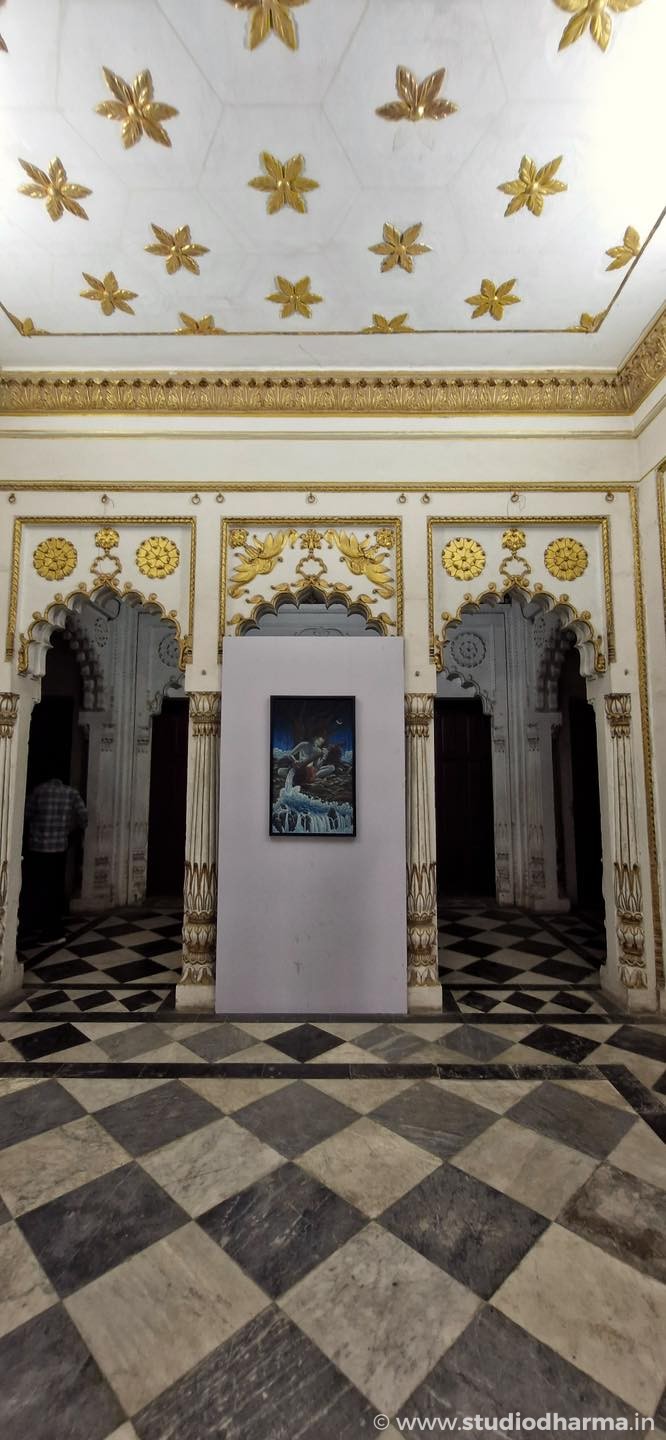
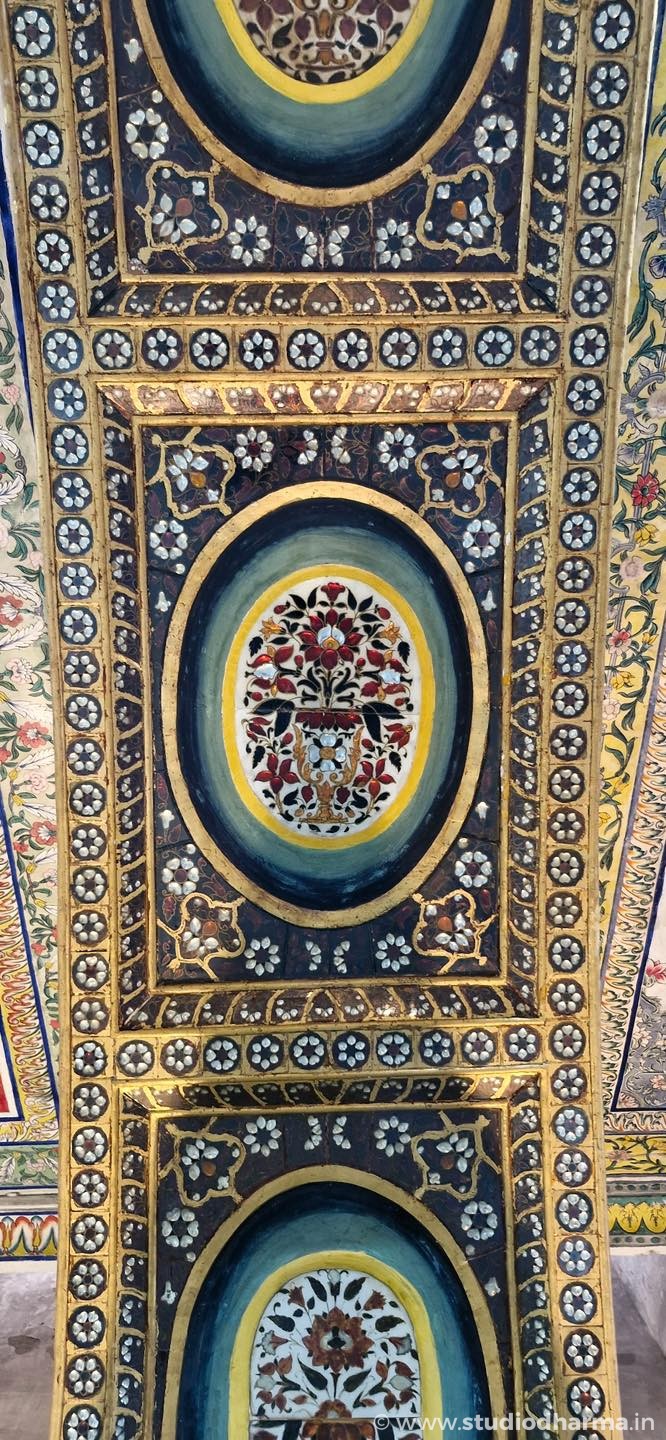
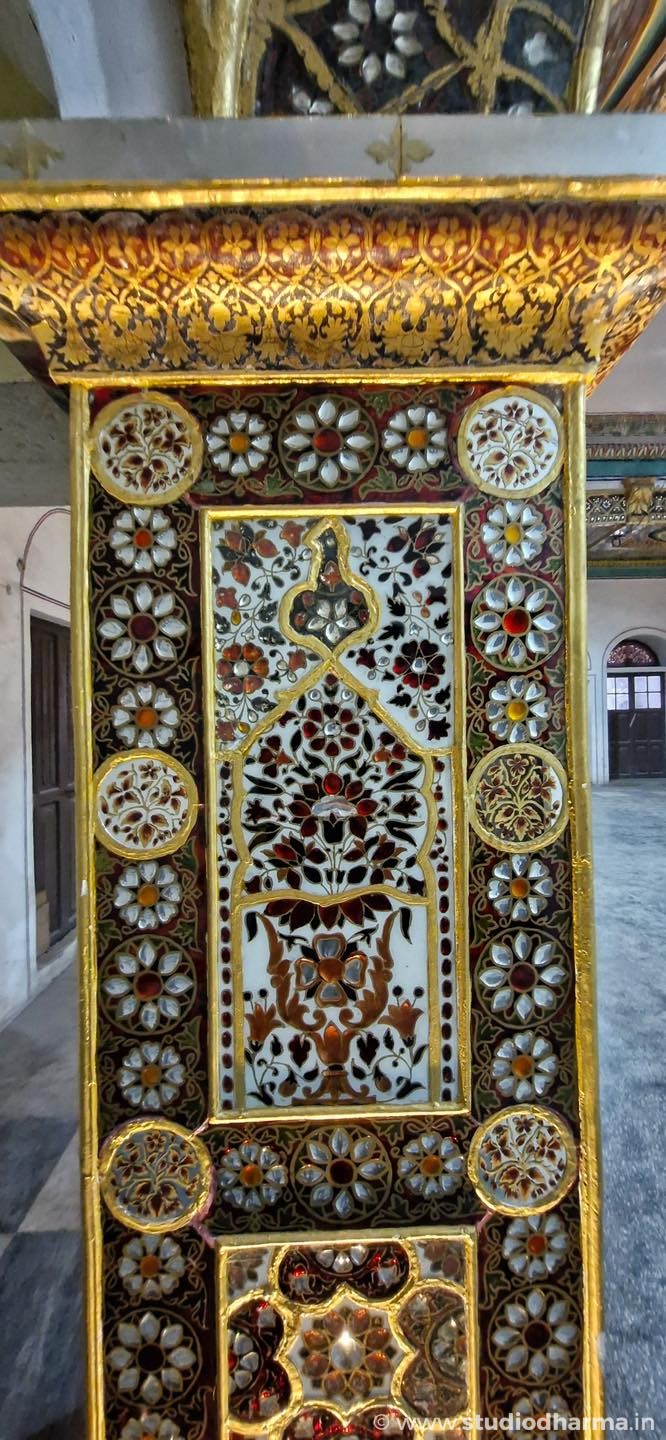
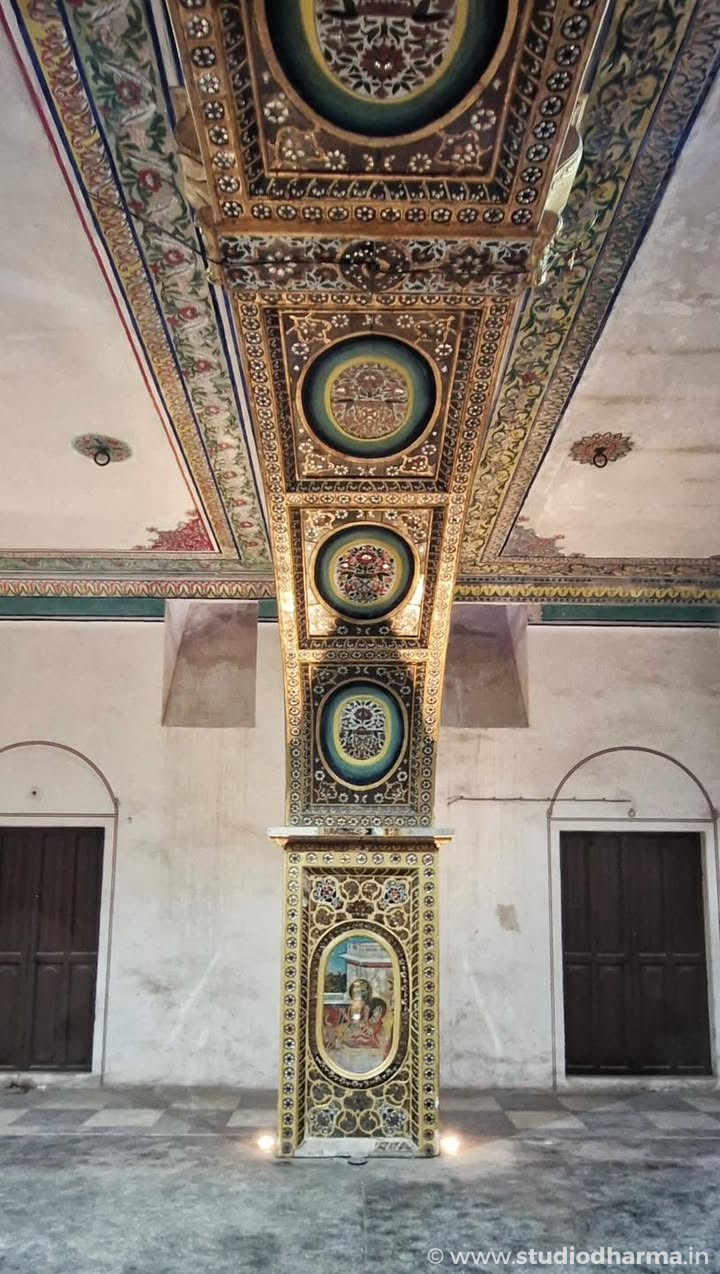
The palace boasts Ragamala paintings, including a vivid Dasara ceremony, and a rare 200-year-old painting of Lord Krishna with Radha—both considered visual treasures. The decor features pure gold leaf work weighing nearly 15 kg, said to be purer than modern jewelry gold.
Moti Mahal was also progressive for its time, allowing women to witness assembly proceedings. Later, Maharani Bejabai Scindia governed the state from here.
मोती महल, ग्वालियर – सत्ता और भव्यता का अनमोल प्रतीक
18वीं सदी में महाराजा जयाजीराव सिंधिया द्वारा निर्मित मोती महल, पहले सिंधिया रियासत का सचिवालय रहा और 1947 में आज़ादी के बाद यह मध्यप्रदेश की पहली विधानसभा का केंद्र बना।
यहाँ सत्र पारंपरिक शैली में होते थे – सदस्य ‘गद्दों’ पर बैठते थे और राजा व अधिकारी पास के कक्ष में। दरबार हॉल में स्थित 1.5 टन का झूमर जर्मनी से मंगाया गया और बेल्जियम कांच से बना है — ऐसा केवल दो झूमरों में से एक है, दूसरा जर्मनी में है।
महल की शोभा बढ़ाते हैं रागमाला चित्र, जिनमें दशहरा उत्सव का सुंदर दृश्य शामिल है, और 200 साल पुरानी राधा-कृष्ण की दुर्लभ पेंटिंग, जो दर्शनीय है। दीवारों और छतों पर लगभग 15 किलो शुद्ध सोने का वर्क किया गया है — जो आज की ज्वेलरी से भी अधिक शुद्ध बताया जाता है।
यहाँ महिलाओं को कार्यवाही देखने की अनुमति भी दी जाती थी — जो उस दौर में क्रांतिकारी था। बाद में महारानी बेजाबाई सिंधिया ने यहीं से शासन संभाला।
.1