






✦🌺✦ Roza-ka-Maqbara, Mandu: The Mausoleum of Sultan Hoshang Shah ✦🌺✦.
✦🌺✦
Roza-ka-Maqbara, Mandu: The Mausoleum of Sultan Hoshang Shah
✦🌺✦.
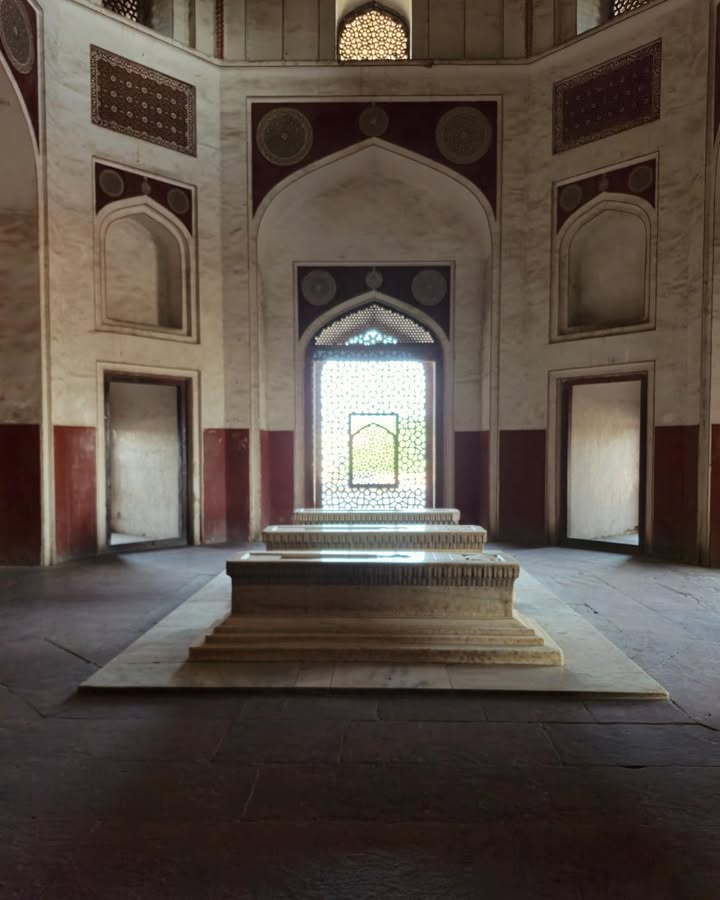
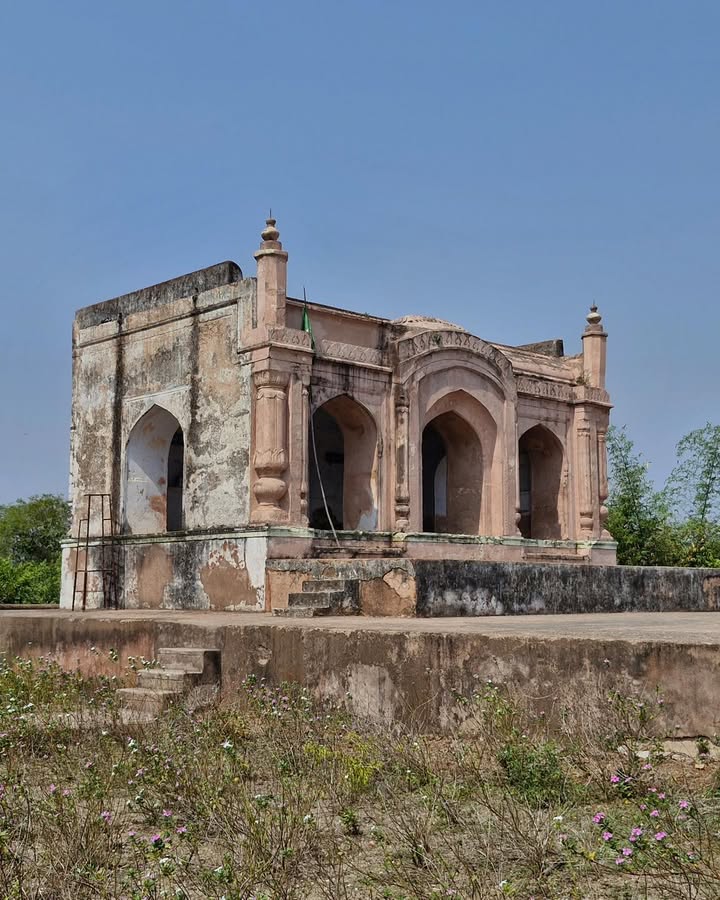
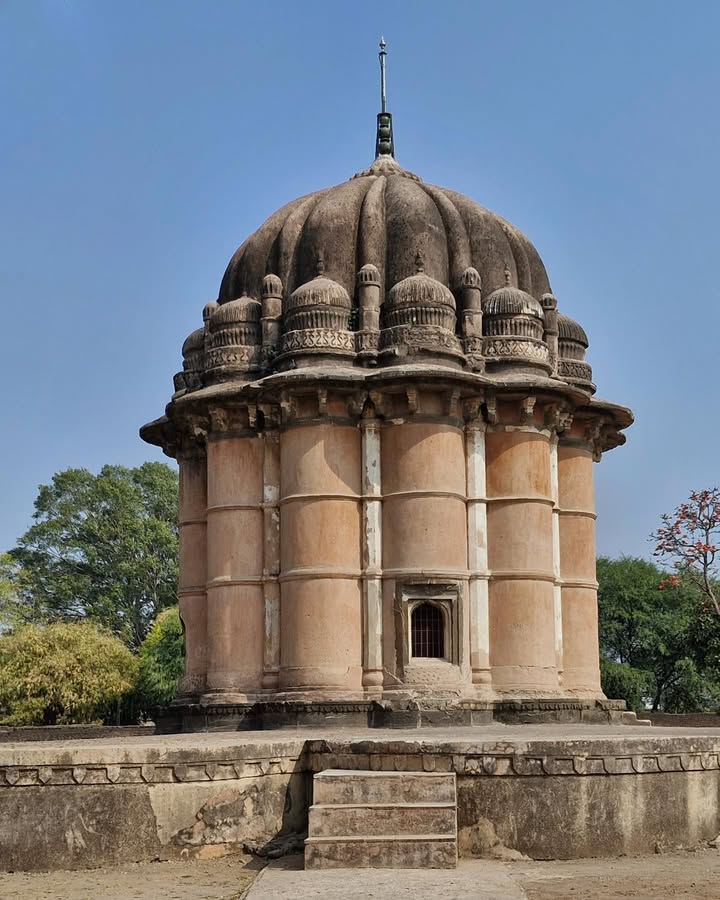
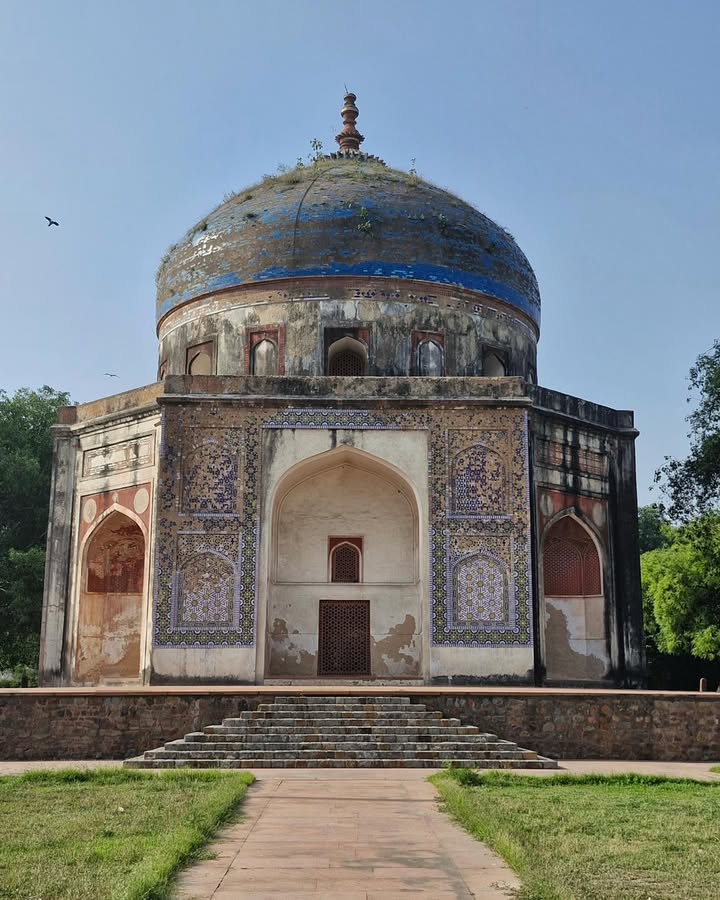
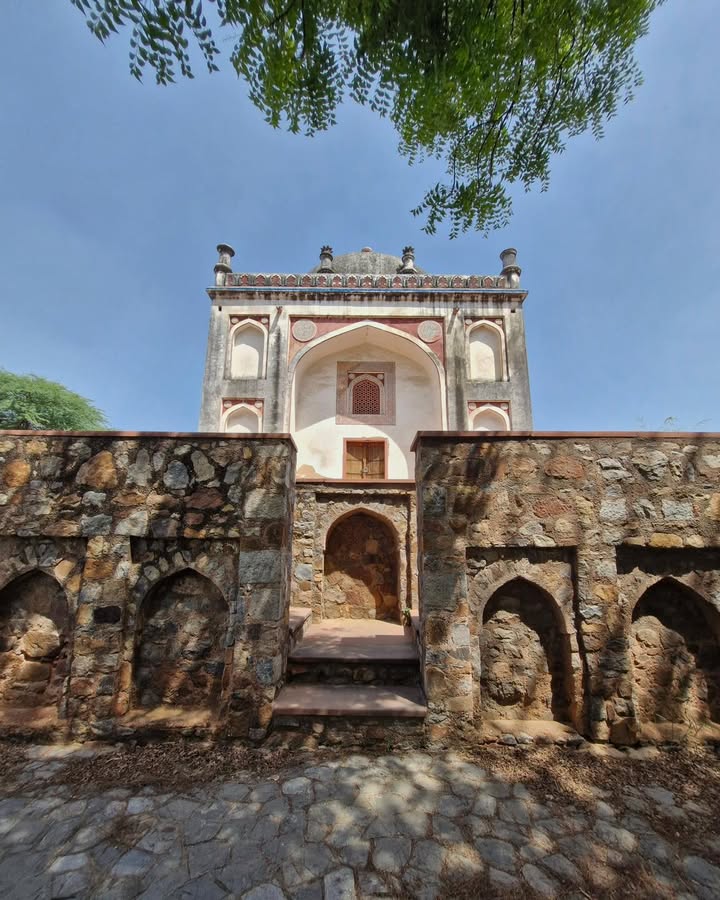
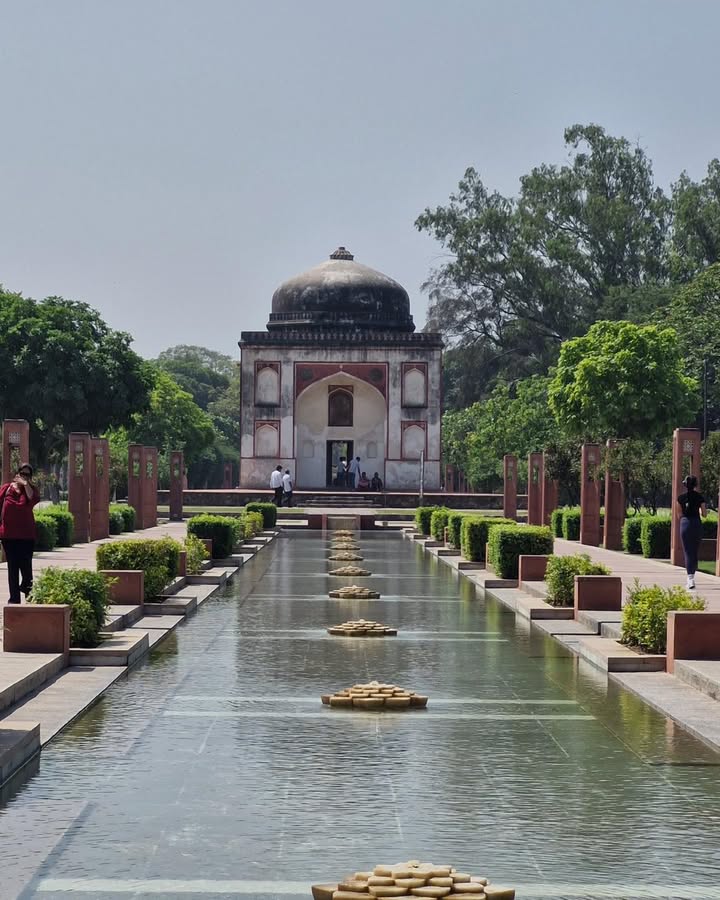
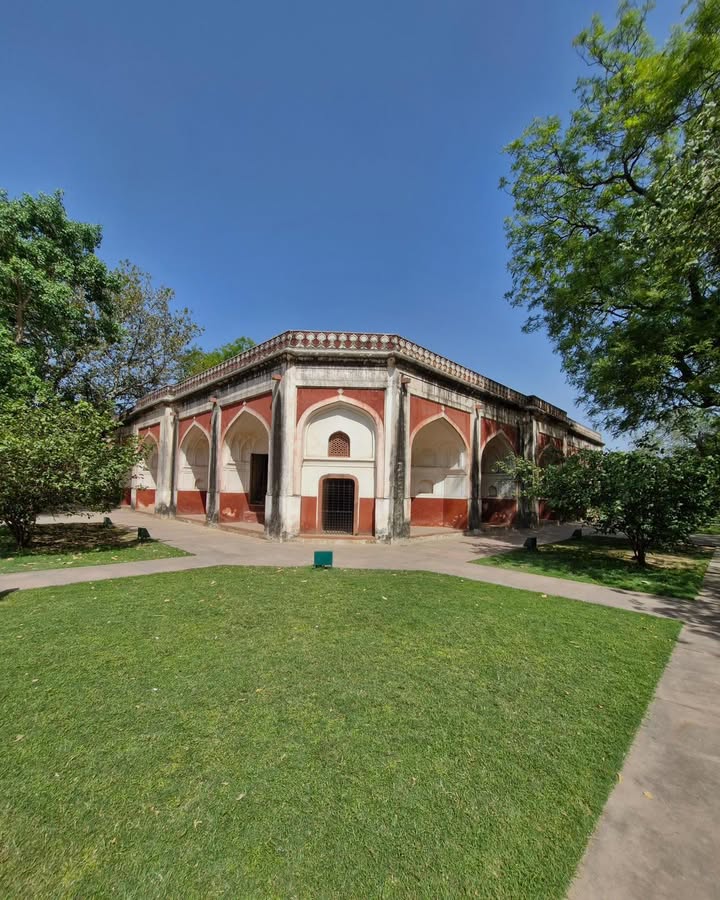
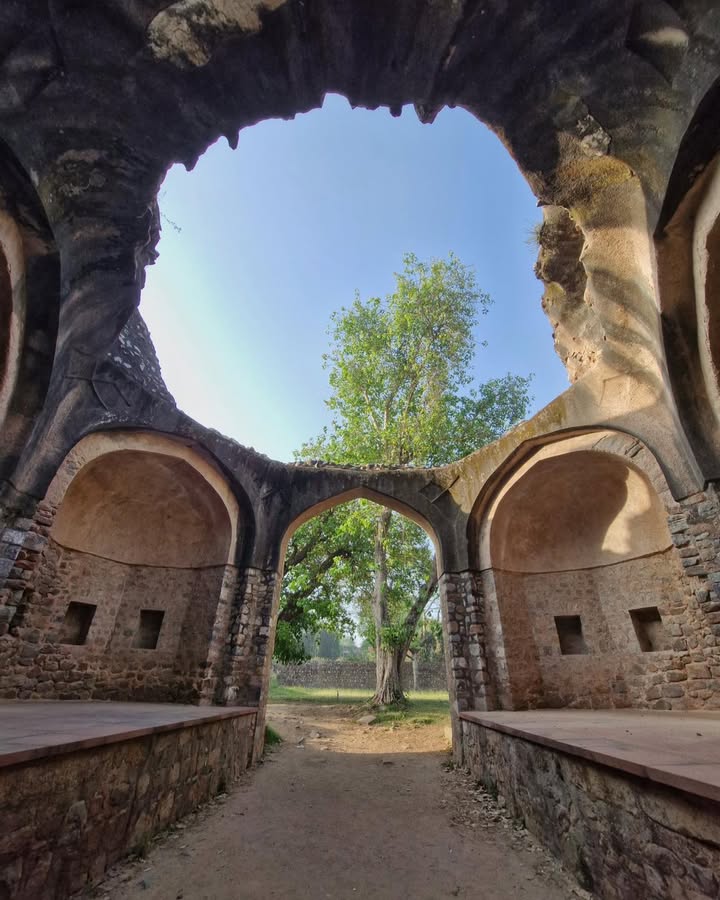
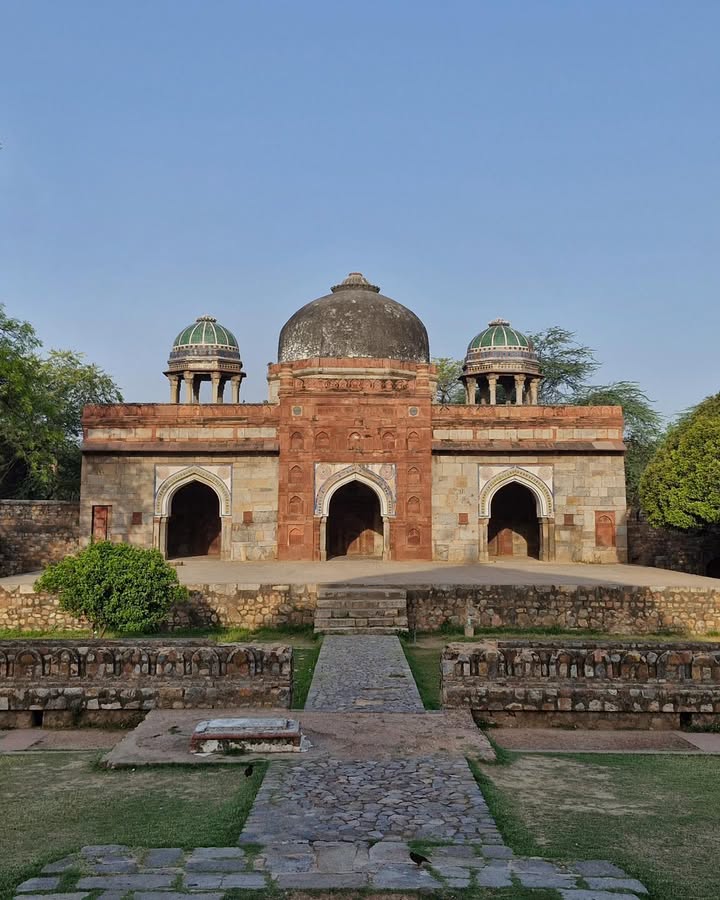
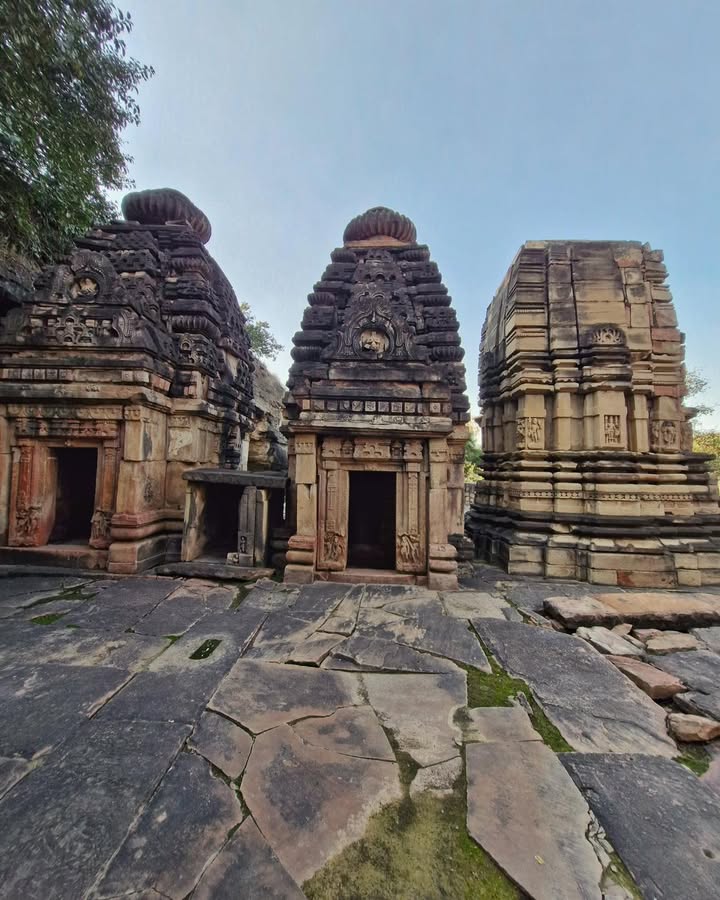
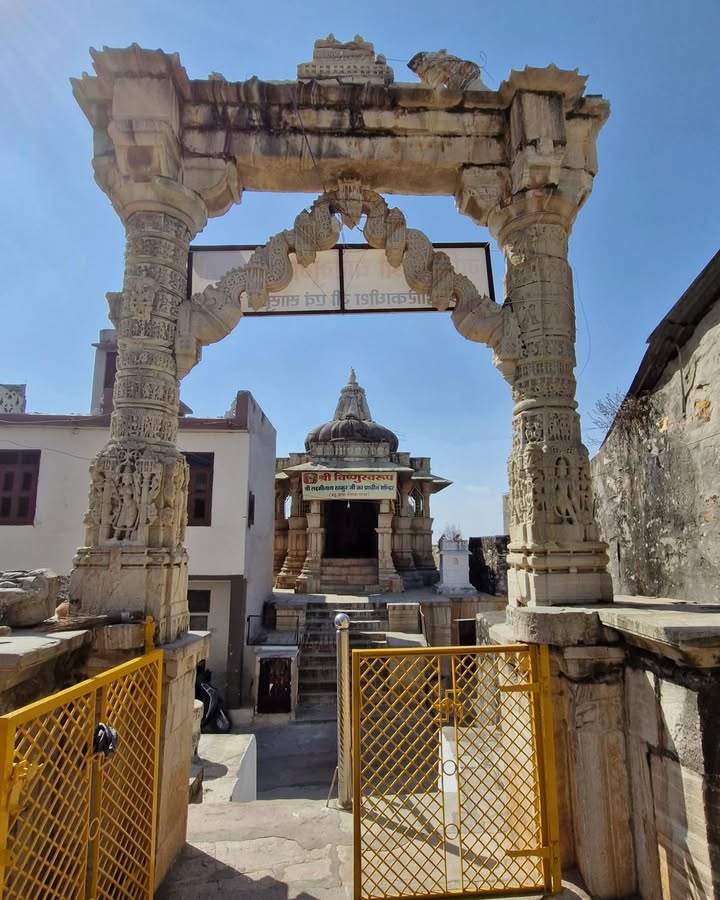
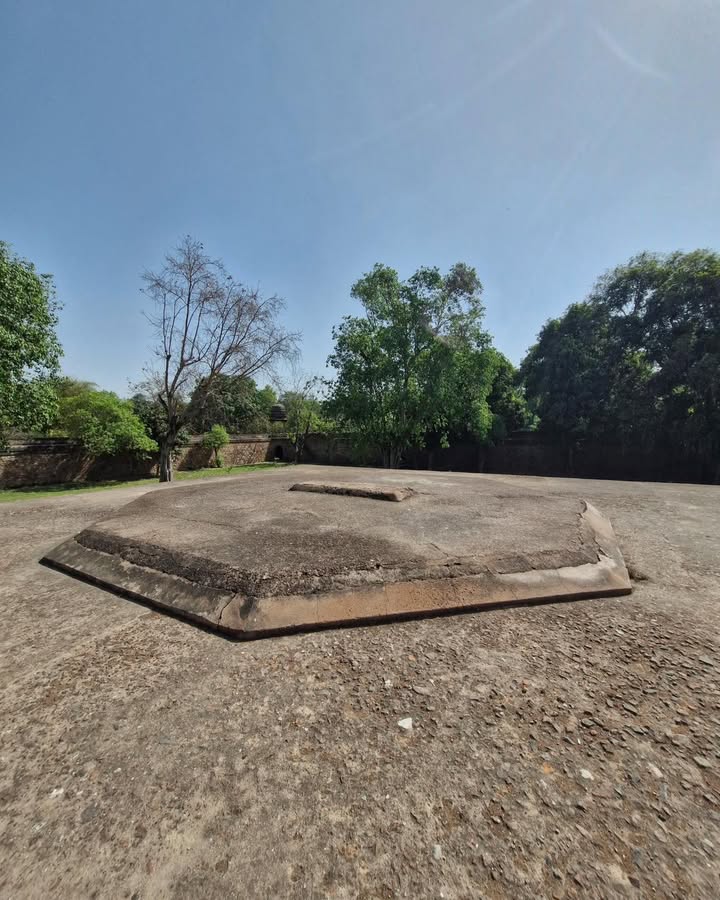
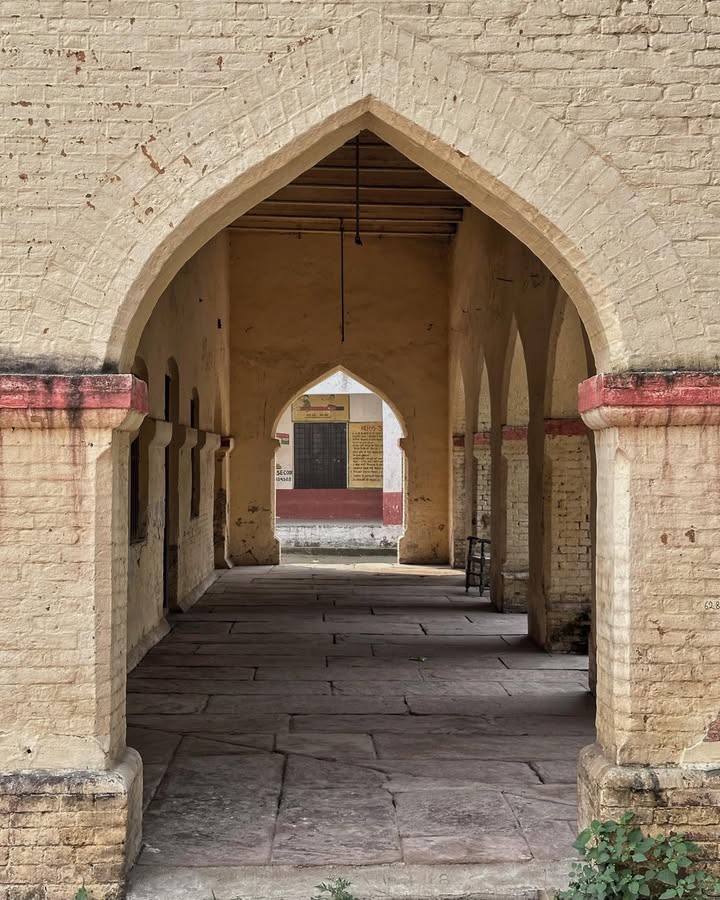
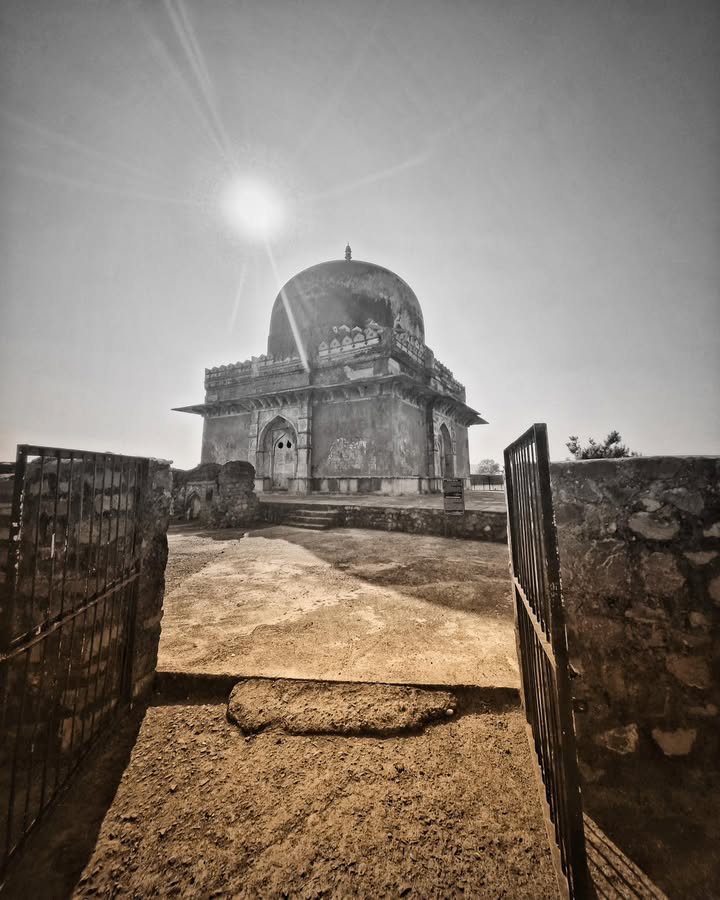
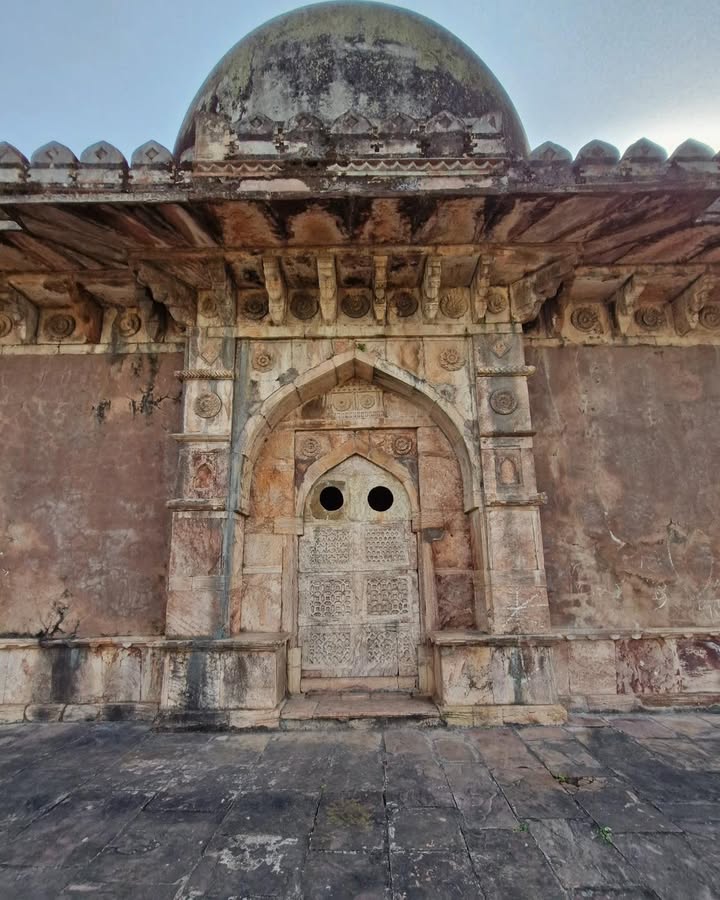
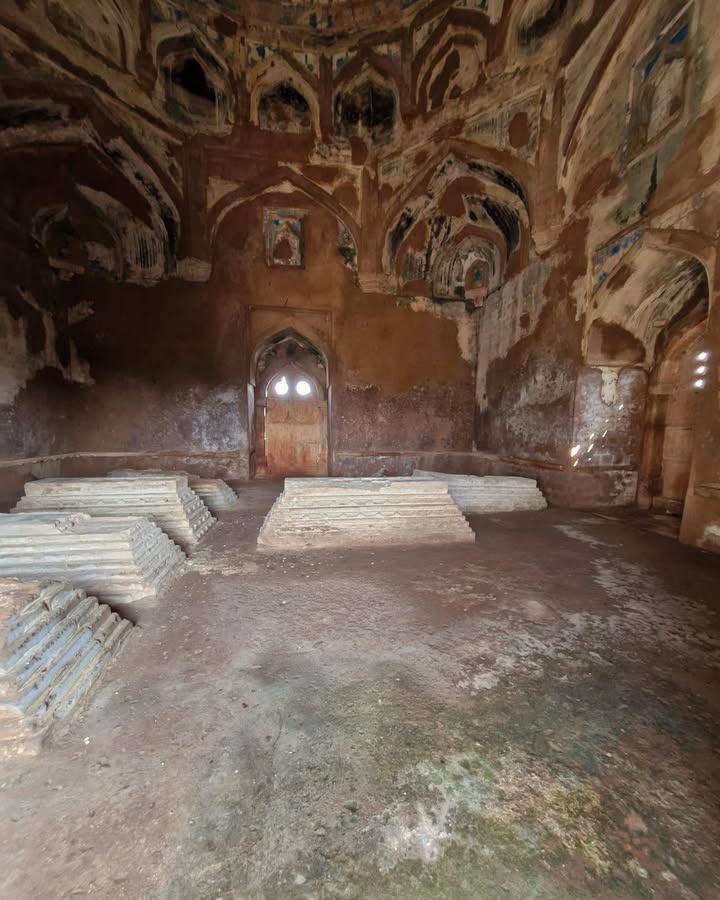
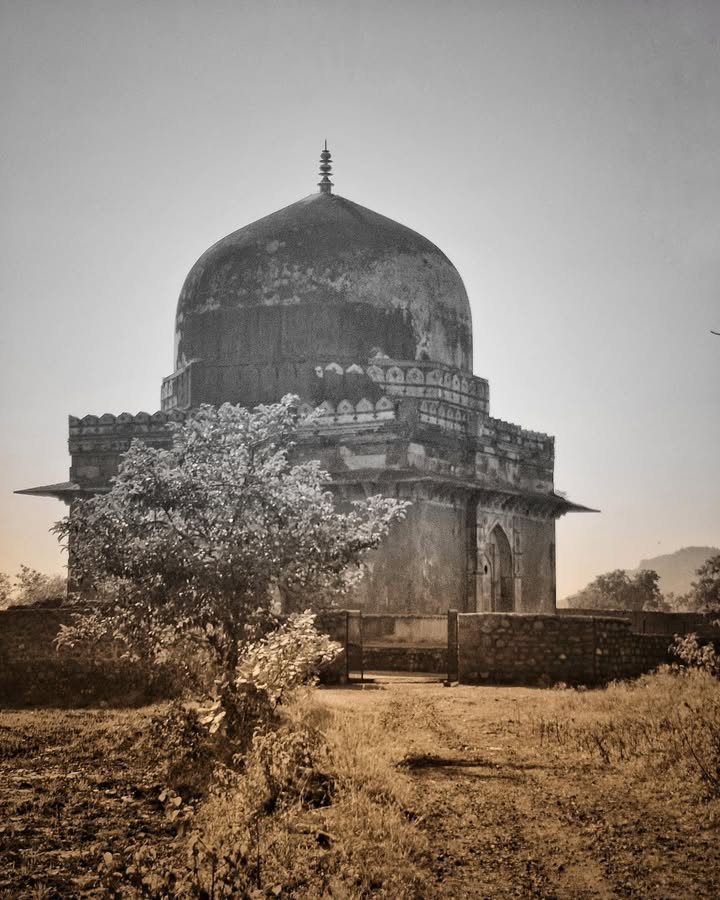
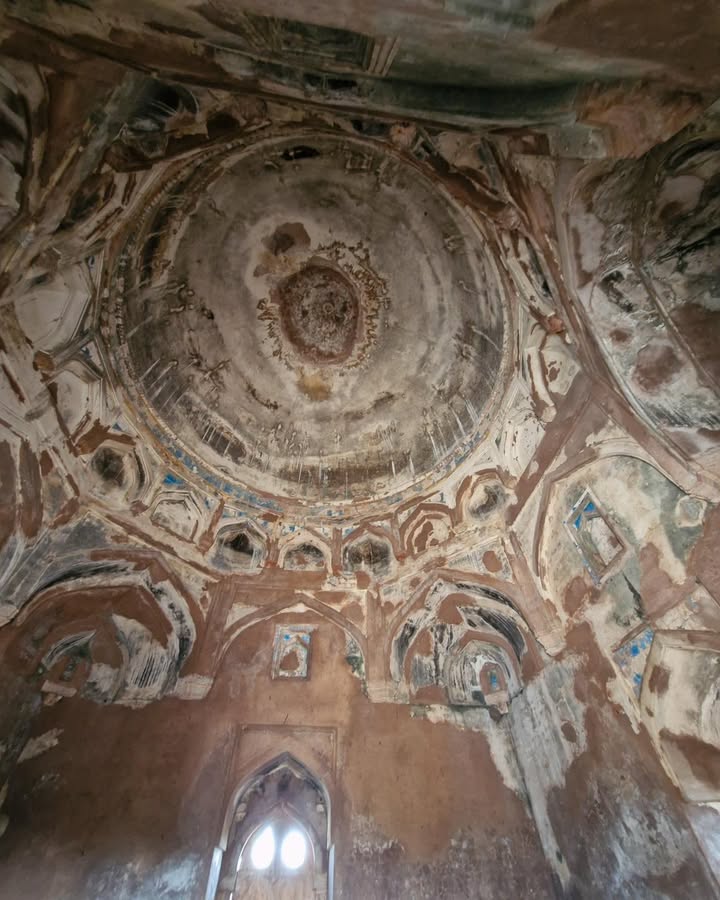
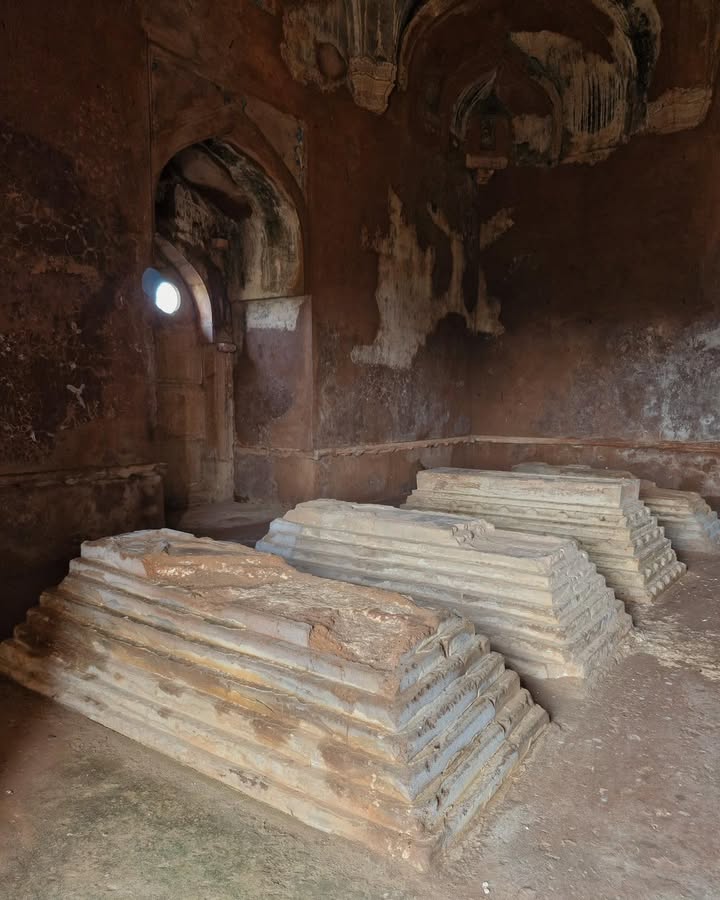
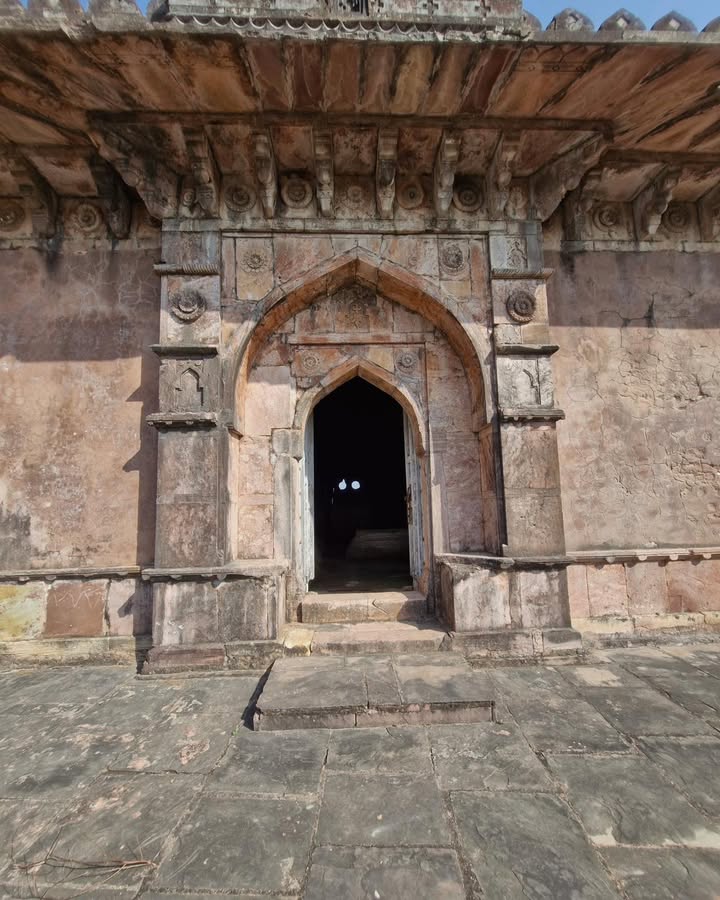
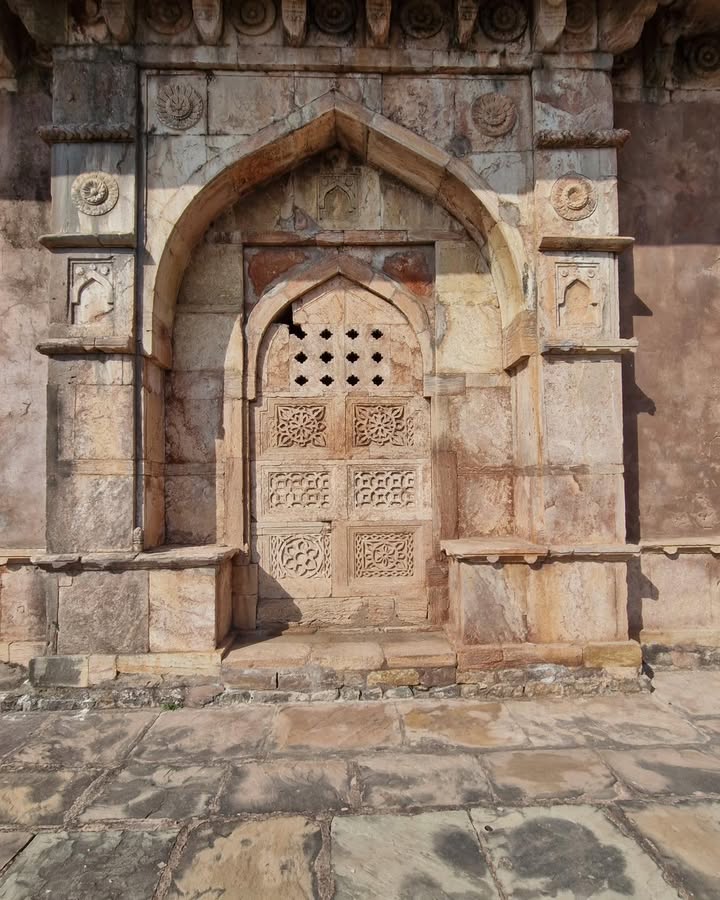
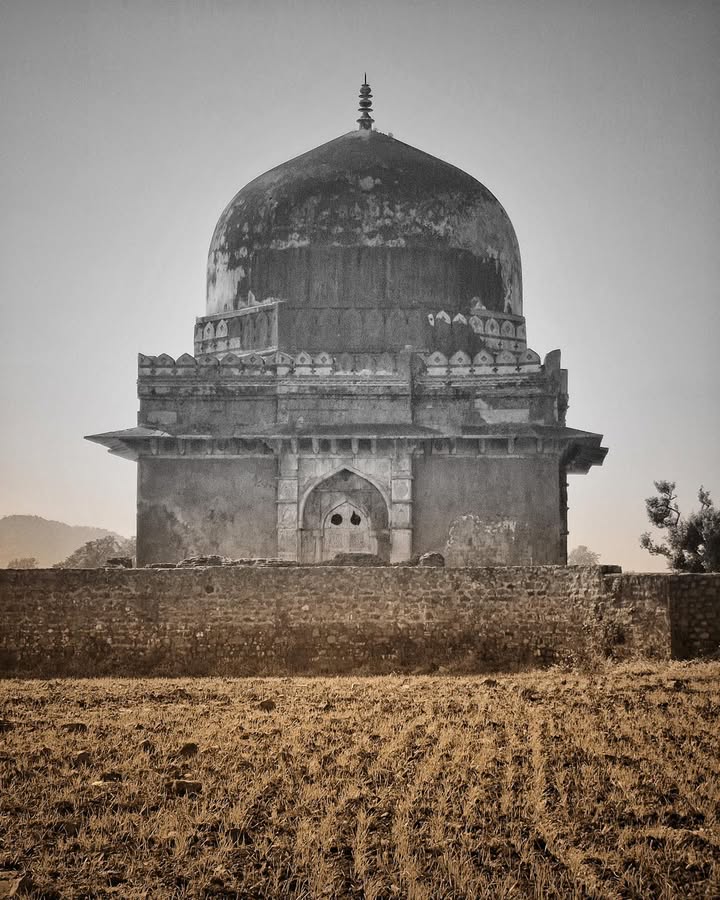
Standing quietly on the plateau of Mandu in Madhya Pradesh is one of the earliest and most significant royal mausoleums of central India — Roza-ka-Maqbara, the burial place of Sultan Hoshang Shah, the second ruler of the Malwa Sultanate.
The word “Roza” in this context carries a deeper historical meaning. In medieval Indo-Islamic tradition, Roza referred to a revered funerary complex — a sacred enclosure centred around the grave of an important ruler or saint, often associated with prayer and remembrance. In Mandu, the term Roza-ka-Maqbara signifies the honoured burial place of Sultan Hoshang Shah, rather than a garden or residential structure.
Sultan Hoshang Shah, originally named Arslan Khan, ruled Malwa from 1405 until his death in 1435 CE. After his passing, his successor Mahmud Khilji I commissioned and completed this mausoleum around 1440 CE as a tribute to his predecessor’s authority and legacy.
Architecturally, the structure represents a refined phase of early Sultanate design. Its balanced proportions, harmonious domed composition, and restrained ornamentation reflect Afghan-influenced aesthetics that marked Malwa’s independent identity during the 15th century. Historical accounts record that architects working during the reign of Mughal emperor Shah Jahan later studied this monument, recognising its proportions and spatial planning as a model of architectural harmony.
Situated close to Mandu’s Jama Masjid, Roza-ka-Maqbara stands today as a turning point in the evolution of royal funerary architecture in India — a monument where political authority, spiritual reverence, and architectural discipline converge.
Explore deeply researched heritage narratives like this in my coffee table book ITIHASNAMA by StudioDharma.
Order your copy here:
❈🌿❈
रोज़ा-का-मक़बरा, मांडू: सुल्तान होशंग शाह की समाधि
❈🌿❈
मध्यप्रदेश के ऐतिहासिक नगर मांडू में स्थित रोज़ा-का-मक़बरा मालवा सल्तनत के दूसरे सुल्तान, सुल्तान होशंग शाह की समाधि है। यह स्मारक केवल एक संरचना नहीं, बल्कि 15वीं शताब्दी के मालवा की राजनीतिक और सांस्कृतिक पहचान का प्रतीक है।
यहाँ “रोज़ा” शब्द का अर्थ केवल बाग़ या उद्यान नहीं है। मध्यकालीन इस्लामी परंपरा में रोज़ा उस पवित्र समाधि-परिसर को कहा जाता था, जहाँ किसी प्रतिष्ठित शासक या सूफ़ी की क़ब्र स्थित हो। मांडू में रोज़ा-का-मक़बरा, सुल्तान होशंग शाह का ऐसा ही सम्मानित समाधि-स्थल है।
सुल्तान होशंग शाह (1405–1435 ई.) मालवा के प्रारंभिक स्वतंत्र शासकों में से एक थे। उनके निधन के पश्चात उनके उत्तराधिकारी महमूद खिलजी प्रथम ने लगभग 1440 ईस्वी में इस समाधि का निर्माण पूर्ण कराया।
इस स्मारक की स्थापत्य योजना, संतुलित गुंबद और सादगीपूर्ण अलंकरण सुल्तानकालीन अफ़ग़ान शैली को दर्शाते हैं। ऐतिहासिक स्रोतों के अनुसार, बाद के मुग़ल काल में शाहजहाँ के वास्तुकारों ने भी इस स्मारक का अध्ययन किया था, जिससे इसकी स्थापत्य महत्ता और स्पष्ट होती है।
जामा मस्जिद के समीप स्थित यह रोज़ा-का-मक़बरा आज भी मांडू के इतिहास, आध्यात्मिकता और स्थापत्य परंपरा का मौन साक्षी बना हुआ है।
मेरी कॉफी टेबल बुक ITIHASNAMA – StudioDharma द्वारा में ऐसी ही सत्यापित विरासत-कहानियाँ संकलित हैं।
अपनी प्रति यहाँ से ऑर्डर करें:
.1