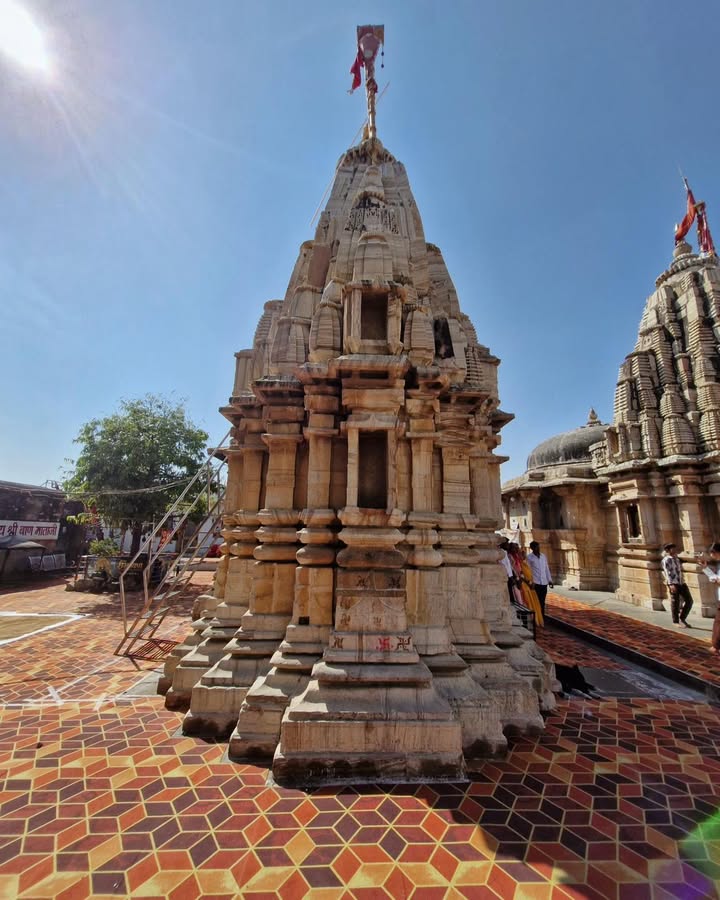











SHRI DIGAMBAR JAIN LAL MANDIR, DELHI-6 A Living Witness of Faith before the Red Fort.
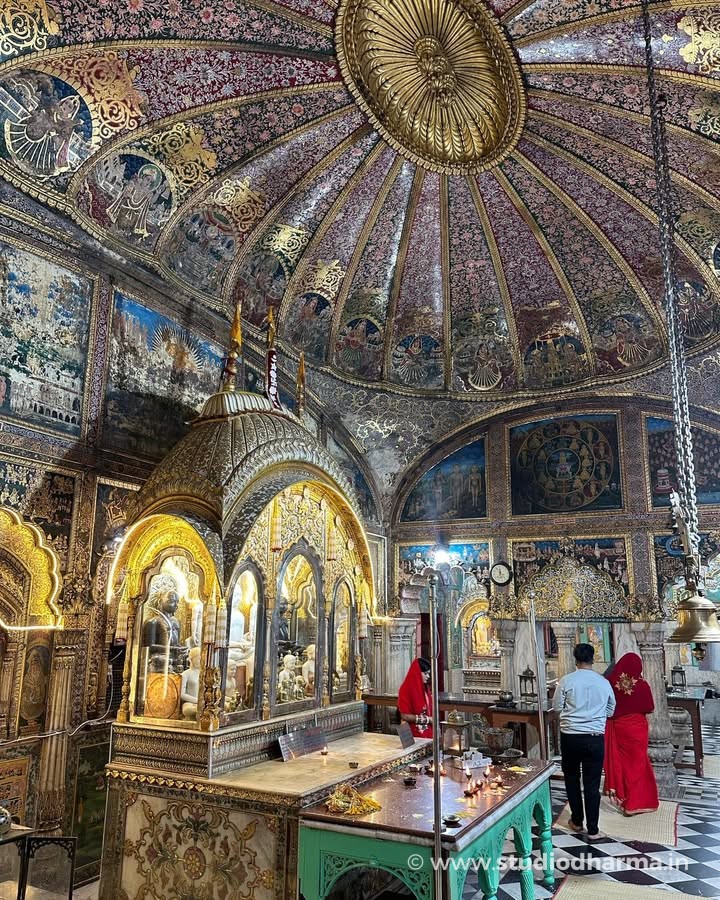
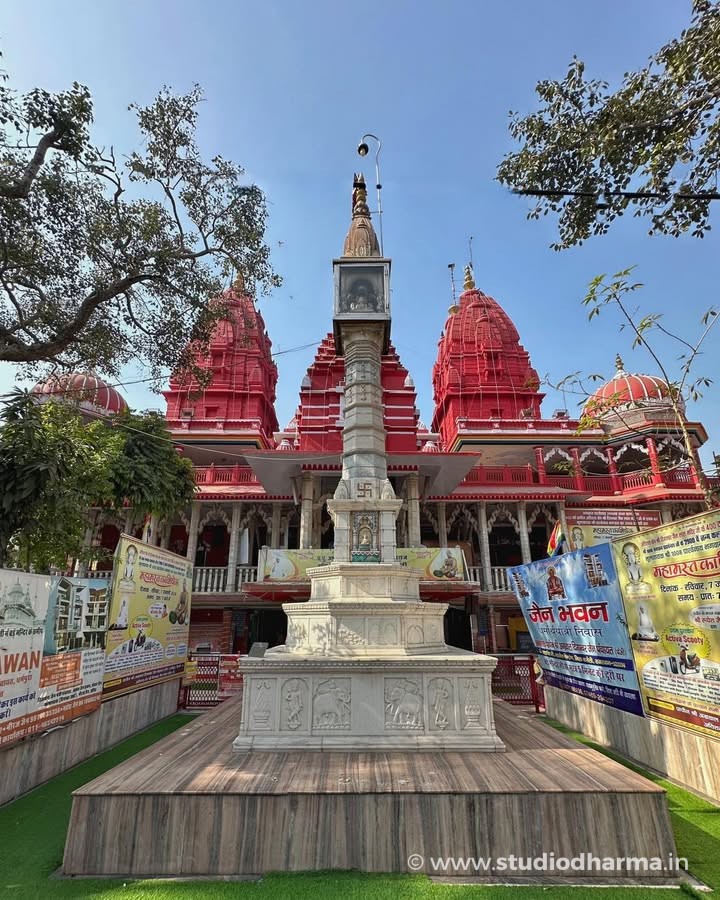

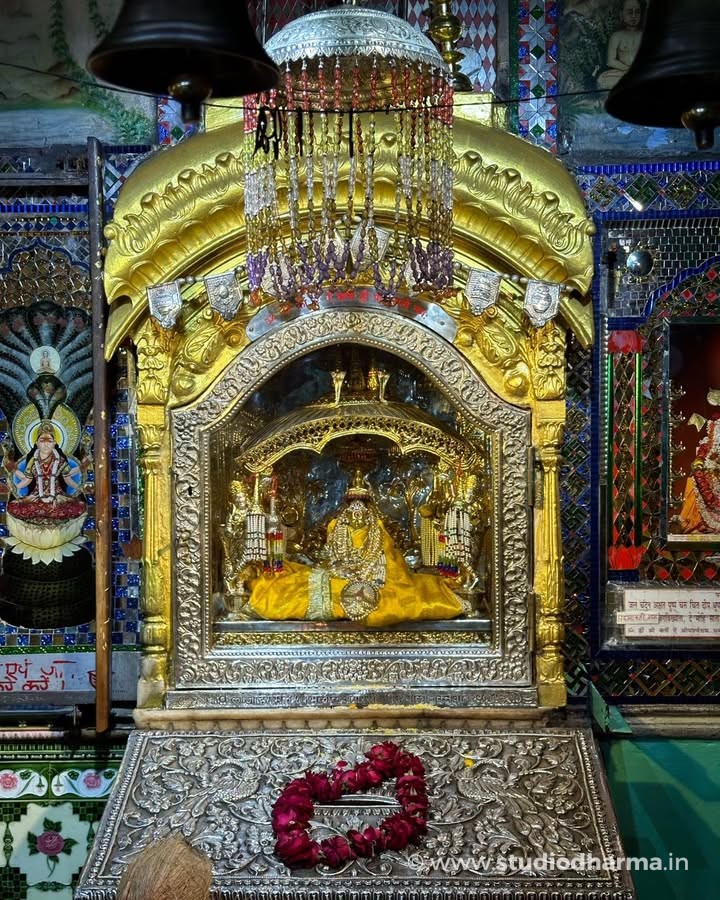




SHRI DIGAMBAR JAIN LAL MANDIR, DELHI-6
A Living Witness of Faith before the Red Fort.
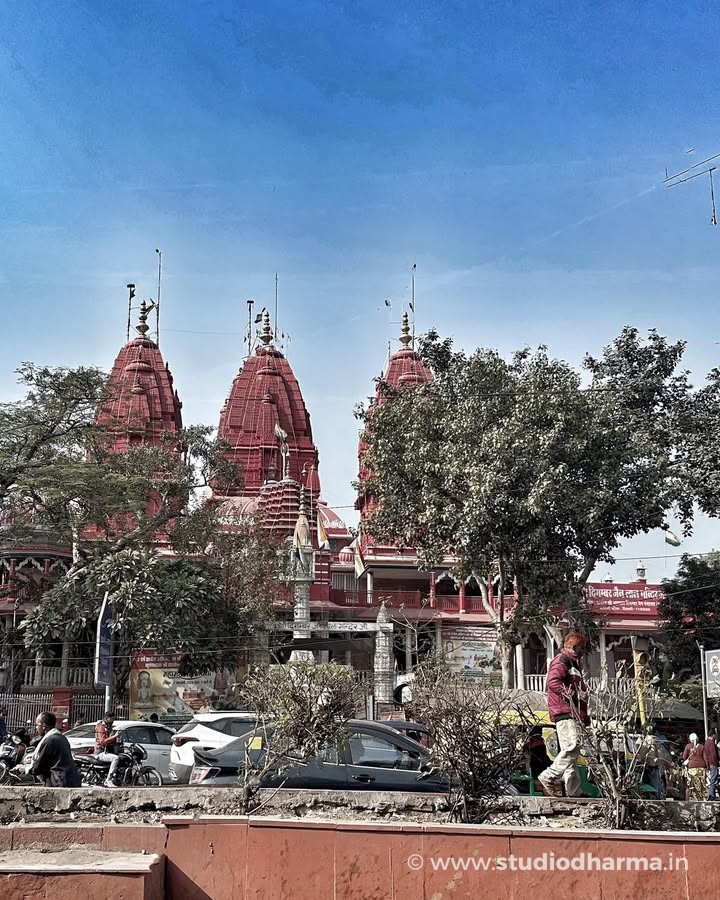
In the heart of Old Delhi, directly facing the mighty Red Fort, stands a temple whose silence has outlived empires.
Shri Digambar Jain Lal Mandir traces its origins to the reign of Mughal Emperor Shah Jahan. Around 1656, when the walled city of Shahjahanabad was taking shape, prominent Jain merchants were invited to settle near Chandni Chowk. Tradition records that a Jain officer in the Mughal army kept a Tirthankara idol in his tent for personal worship. Gradually, that humble space of devotion evolved into what became known as the “Lashkari Mandir” — the temple of the military camp — and also “Urdu Mandir,” named after the nearby Urdu Bazaar.
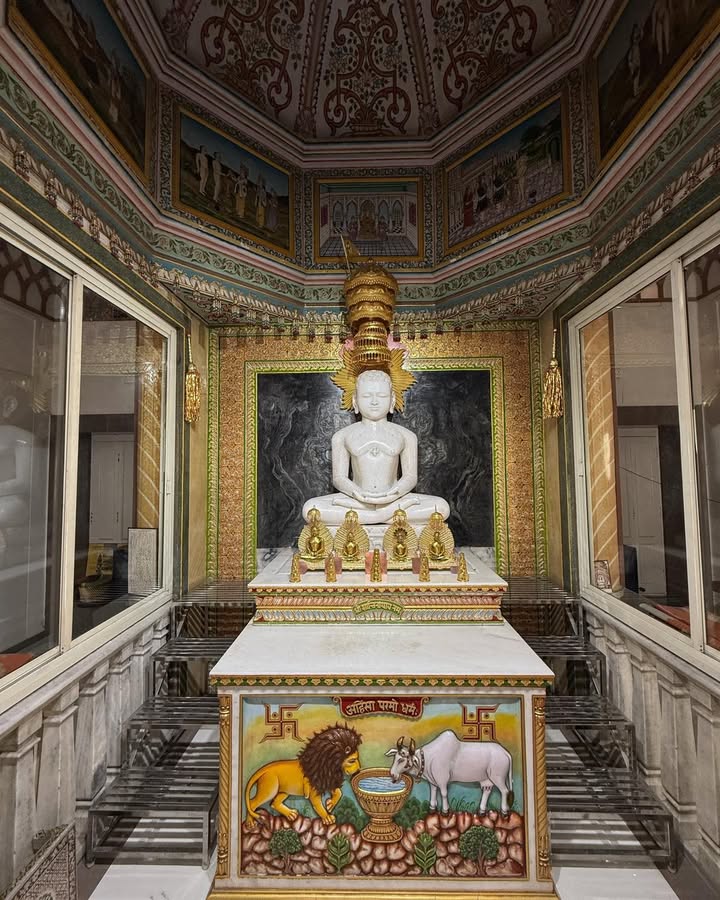
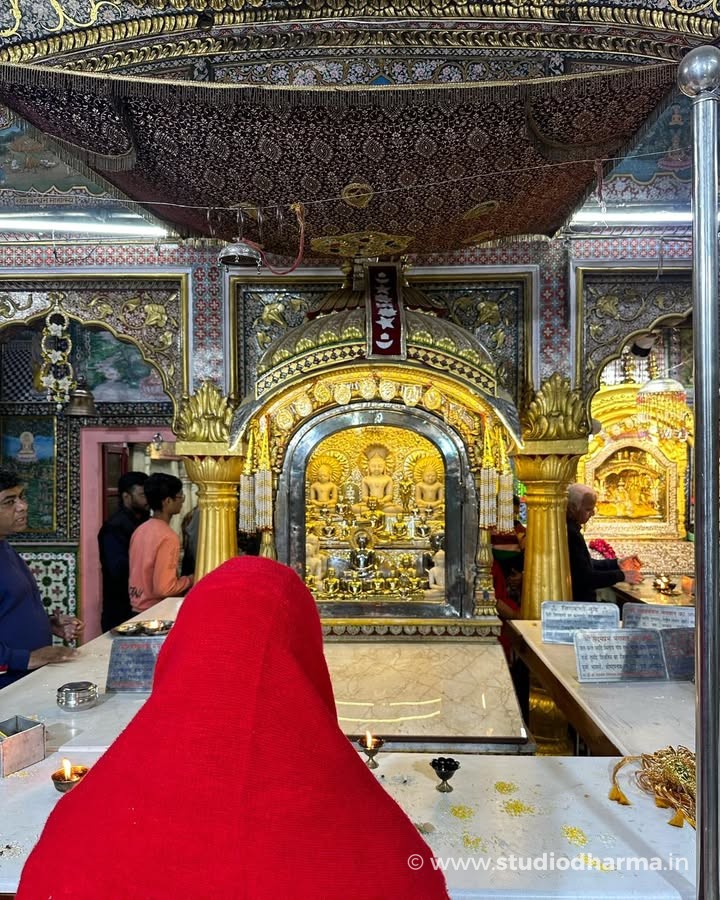
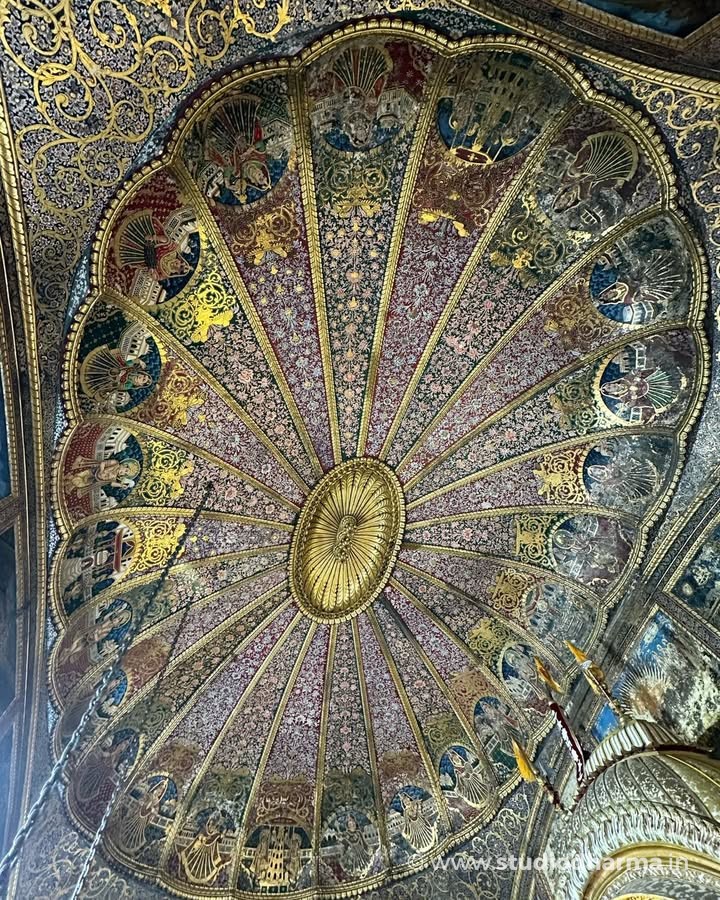
Though the present architectural form dates largely to renovations in the late 19th century, the spiritual roots run deeper. One of the idols in the temple is associated with 1491 CE, linked to Bhattaraka Jinachandra and Jivaraj Papriwal. The principal deity today is Lord Parshvanath.
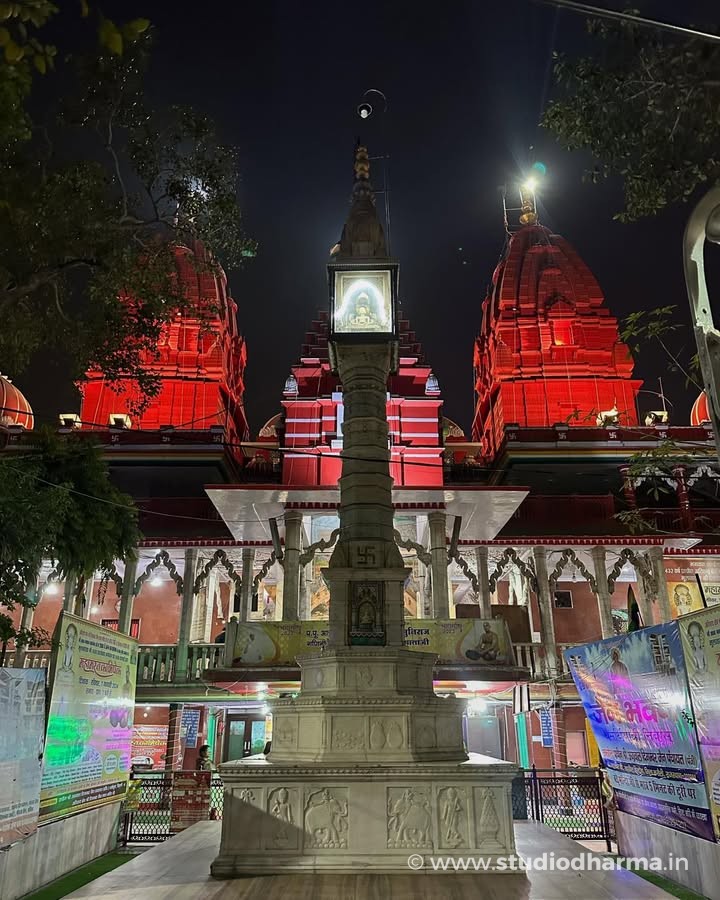
The temple’s red sandstone façade gives it the name “Lal Mandir,” but beyond its colour lies its character — resilience. A popular legend narrates that during Aurangzeb’s reign, musical instruments were banned. Yet, devotees believed that the temple’s drums continued to resonate mysteriously. While history records the tension, faith preserves the miracle.
Within the complex stands Delhi’s famous Jain Bird Hospital, embodying the Jain principle of Ahimsa. Here, injured birds are treated with compassion — a rare sight in the middle of a bustling metropolis.
Standing here, one feels the layered pulse of Delhi-6 — Mughal ambition, mercantile devotion, colonial-era reconstruction, and modern continuity. Shri Digambar Jain Lal Mandir is not merely a temple; it is a living chronicle of coexistence, faith, and endurance.
Discover more such deeply researched heritage stories of Meerut in the premium coffee table book ITIHASNAMA by StudioDharma.
25 curated historical narratives presented in a collector’s format.
Available at ₹3,999.
Order here:
श्री दिगंबर जैन लाल मंदिर, दिल्ली-6
लाल किले के सम्मुख आस्था की अनवरत धारा
पुरानी दिल्ली के हृदय में, लाल किले के ठीक सामने, एक ऐसा मंदिर खड़ा है जिसकी शांति ने साम्राज्यों को बदलते देखा है।
श्री दिगंबर जैन लाल मंदिर की स्थापना का इतिहास मुगल सम्राट शाहजहाँ के समय से जुड़ा माना जाता है। लगभग 1656 के आसपास, जब शाहजहानाबाद बसाया जा रहा था, तब कई जैन व्यापारियों को चांदनी चौक क्षेत्र में बसने के लिए आमंत्रित किया गया। परंपरा के अनुसार, मुगल सेना के एक जैन अधिकारी ने अपने शिविर में एक तीर्थंकर की प्रतिमा स्थापित की थी। धीरे-धीरे वही स्थान “लश्करी मंदिर” के रूप में प्रसिद्ध हुआ। इसे “उर्दू मंदिर” भी कहा गया, क्योंकि यह उर्दू बाज़ार क्षेत्र में स्थित था।
वर्तमान मंदिर संरचना मुख्यतः उन्नीसवीं सदी के उत्तरार्ध में पुनर्निर्मित हुई, परंतु इसकी आध्यात्मिक जड़ें और भी प्राचीन हैं। मंदिर में एक प्रतिमा 1491 ईस्वी (संवत 1548) से संबंधित मानी जाती है, जिसे भट्टारक जिनचंद्र और जीवेराज पापड़ीवाल से जोड़ा जाता है। यहाँ की मुख्य वेदी पर भगवान पार्श्वनाथ विराजमान हैं।
औरंगज़ेब के समय संगीत वाद्य यंत्रों पर प्रतिबंध की एक किंवदंती भी प्रचलित है, जिसमें कहा जाता है कि प्रतिबंध के बावजूद मंदिर से नगाड़ों की ध्वनि सुनाई देती रही। इतिहास और आस्था के इस संगम ने इस स्थल को विशेष बना दिया है।
मंदिर परिसर में स्थित पक्षी अस्पताल जैन धर्म के अहिंसा सिद्धांत का जीवंत उदाहरण है, जहाँ घायल पक्षियों का उपचार किया जाता है। दिल्ली-6 की भीड़भाड़ के बीच यह करुणा का शांत केंद्र है।
यह मंदिर केवल पूजा का स्थान नहीं, बल्कि समय, संस्कृति और सहअस्तित्व की एक जीवित गाथा है।
मेरठ की विरासत पर आधारित 25 शोधपूर्ण कथाओं का संग्रह — प्रीमियम कॉफी टेबल बुक ITIHASNAMA अब उपलब्ध है।
मूल्य ₹3,999
ऑर्डर हेतु लिंक: