








**THE ROYAL PALACE, MANDU Echoes of Malwa’s Lost Grandeur**.


**THE ROYAL PALACE, MANDU
Echoes of Malwa’s Lost Grandeur**.
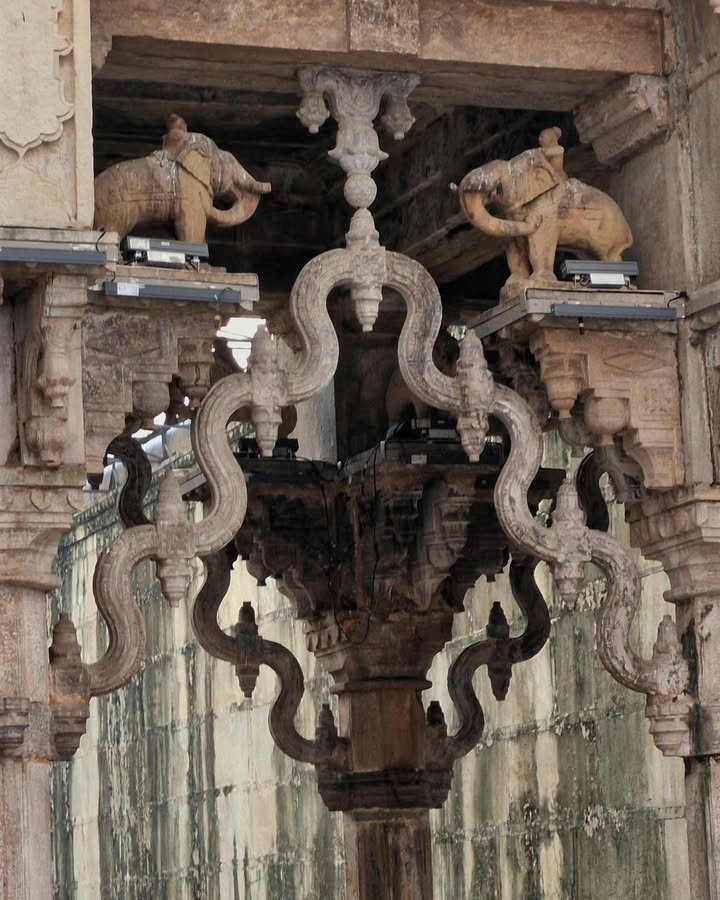
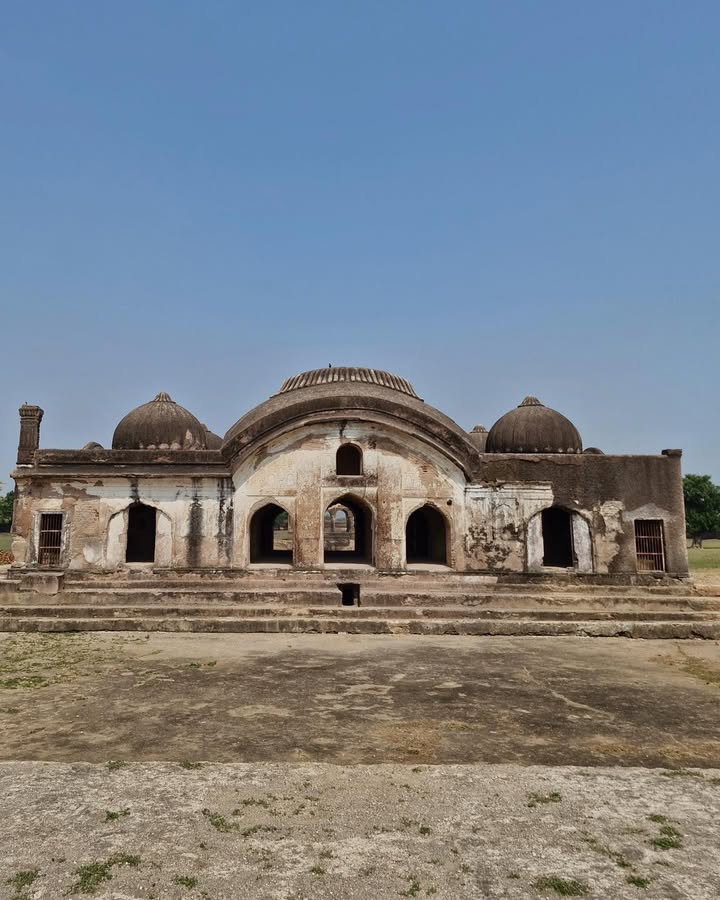
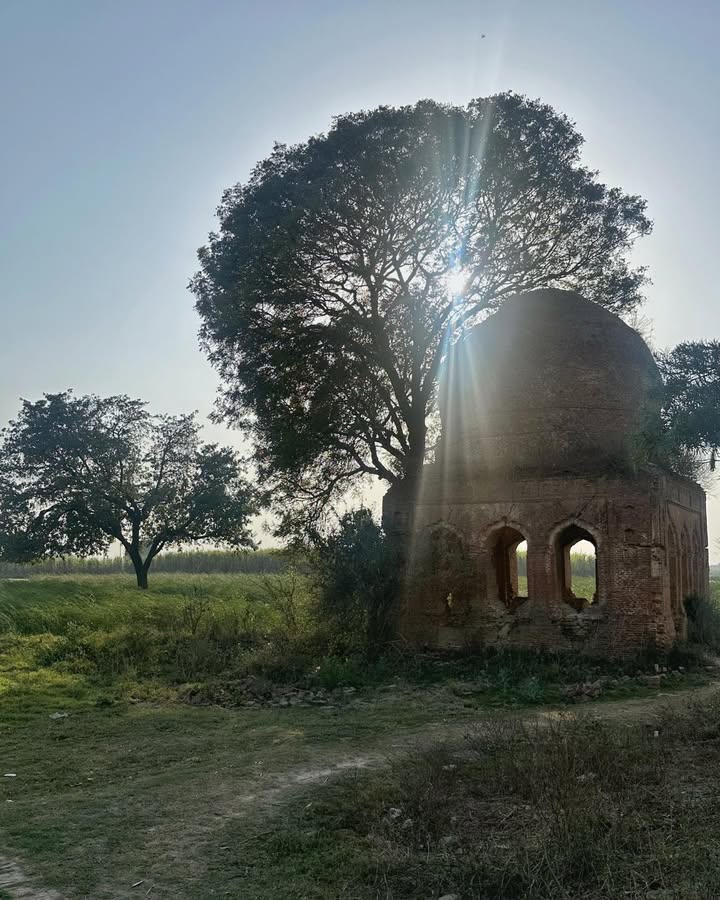
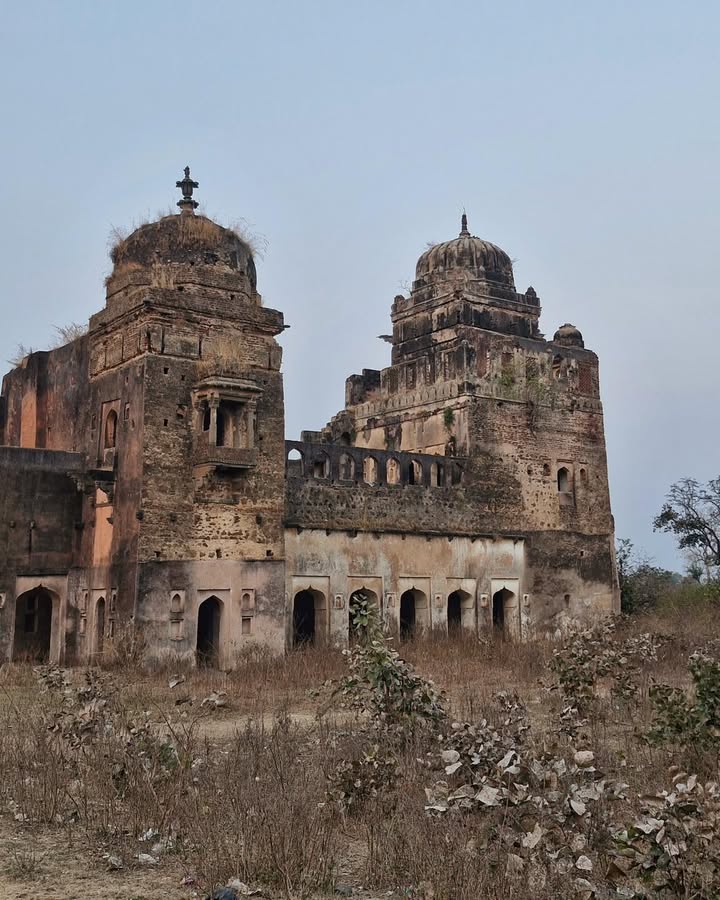
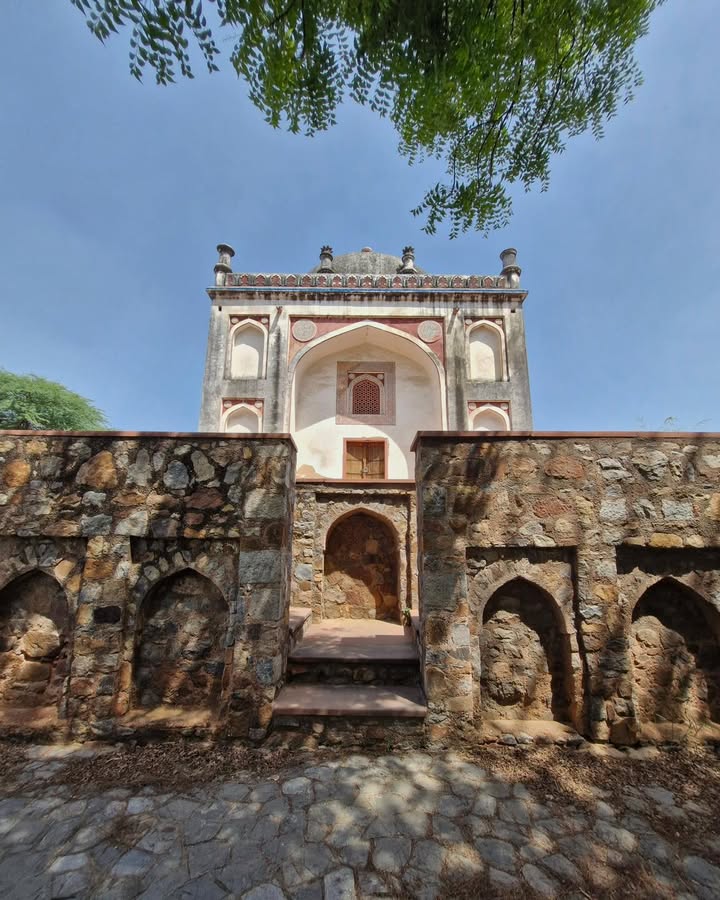
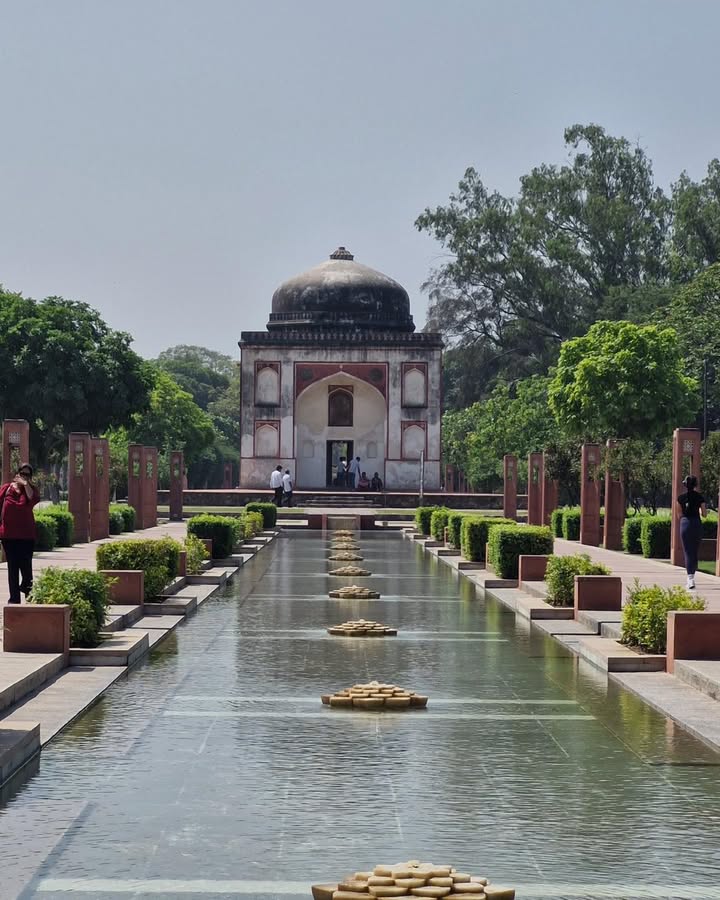
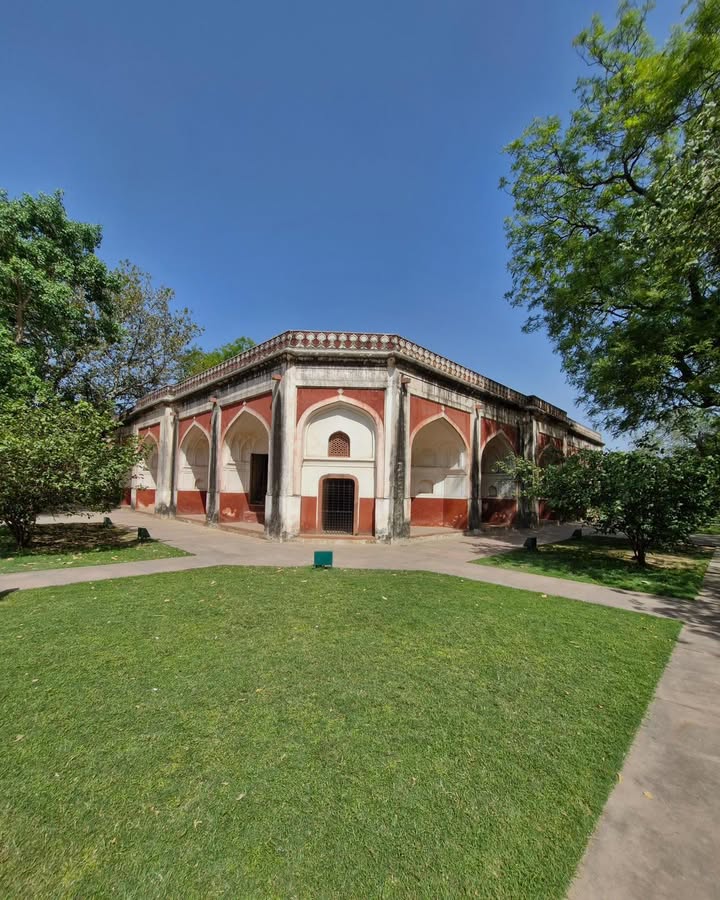
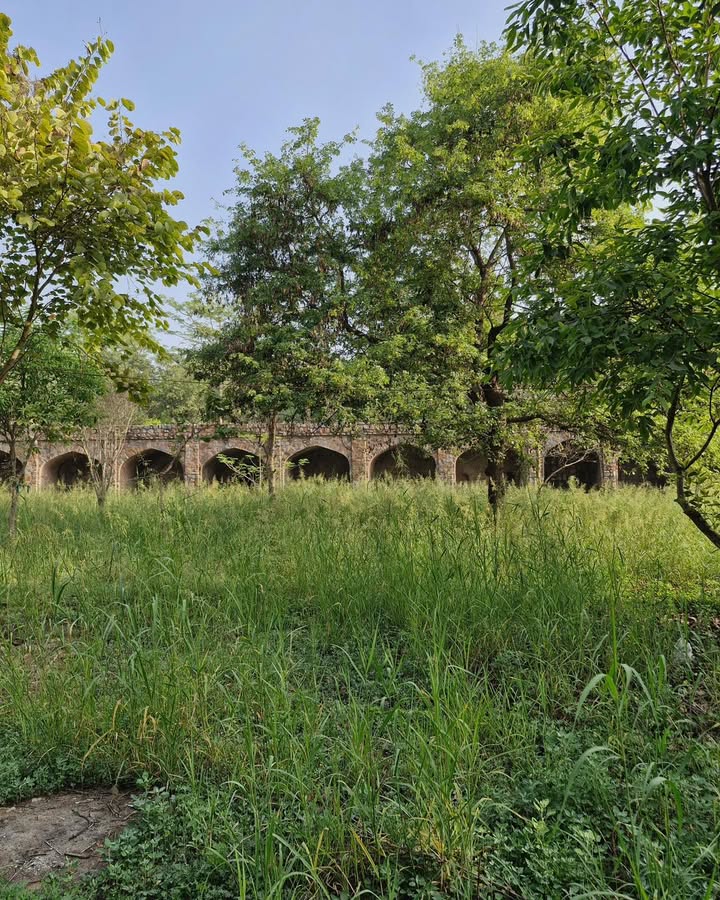
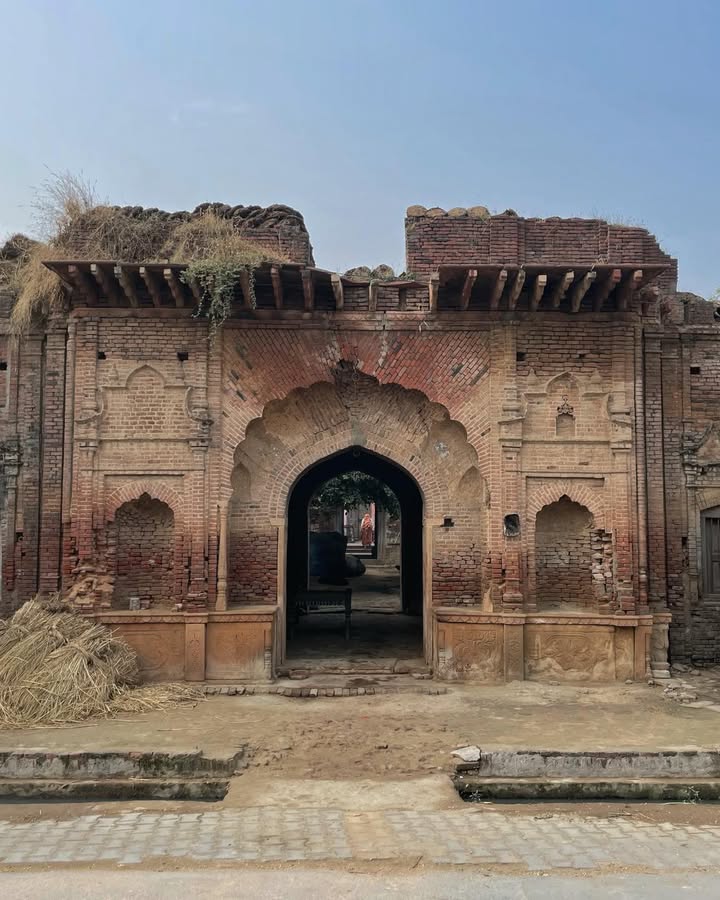
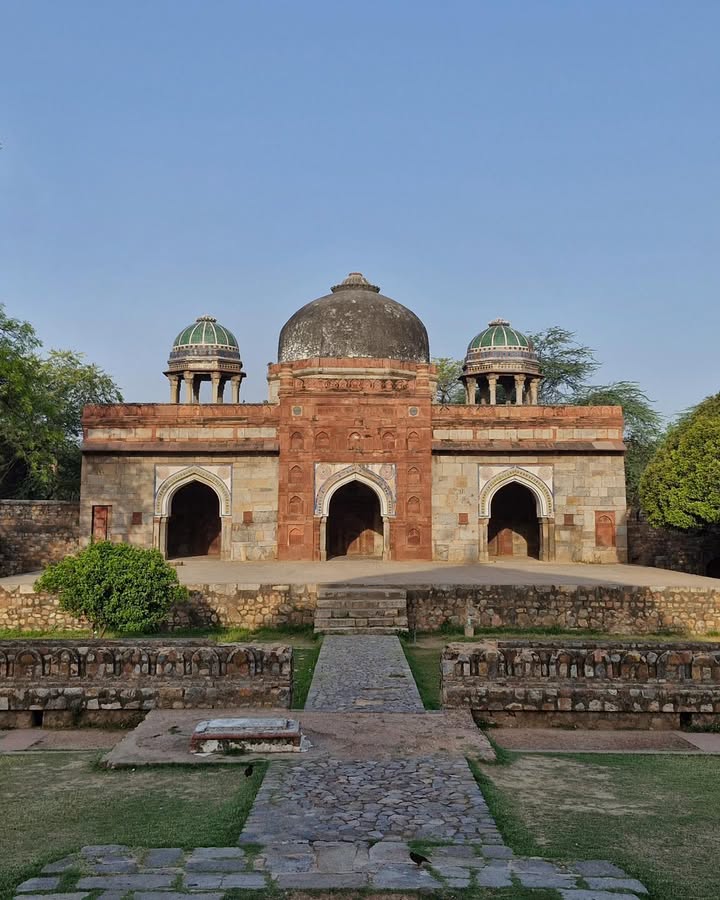
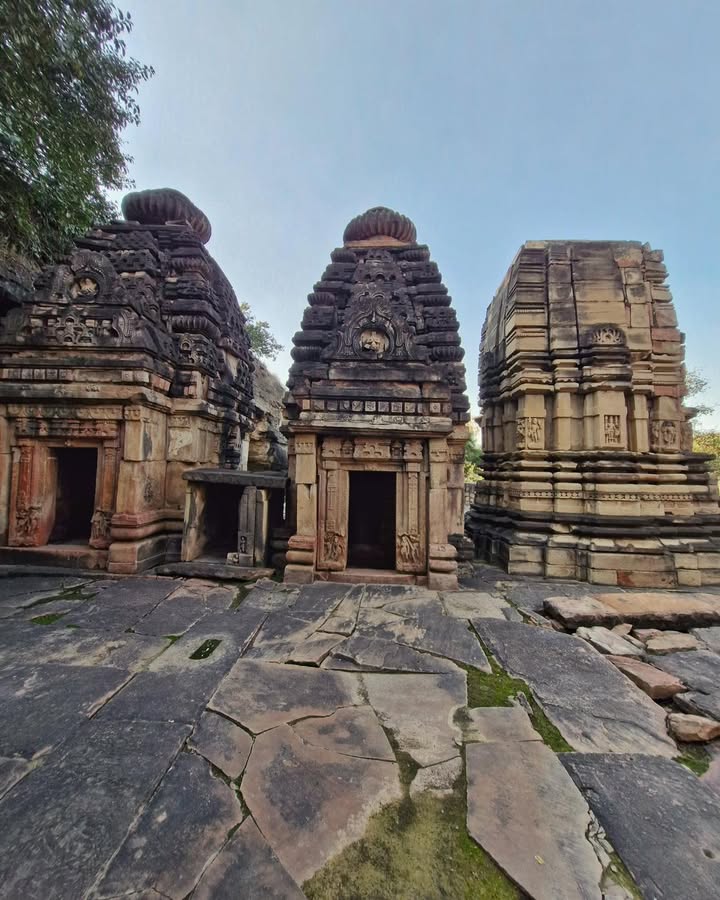
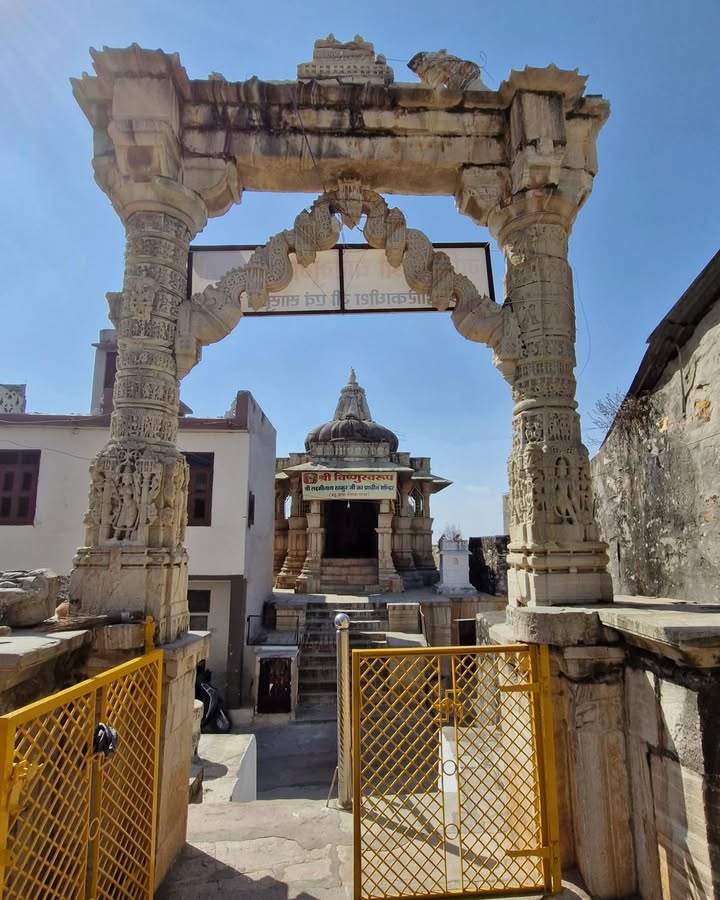
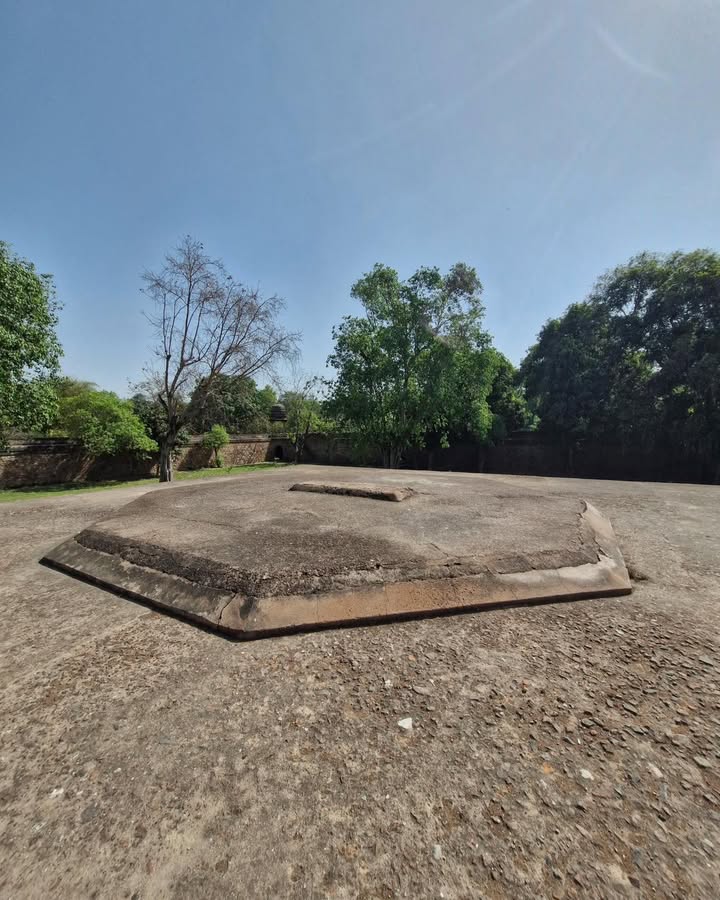
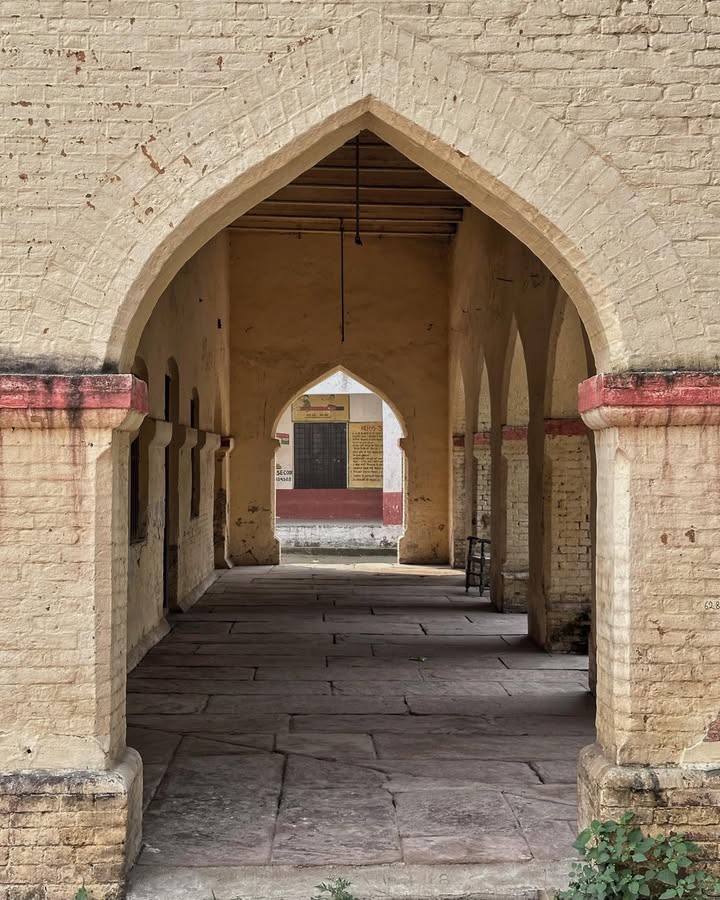
Time has reduced Mandu’s Royal Palace to a maze of ruins, scattered walls, and broken halls — so confused in their layout that today it is impossible to trace their original plan. And yet, even in this fractured silence, grandeur refuses to disappear.
The sheer scale and refinement of these remains make one truth undeniable: this was once a luxurious retreat of the Sultans of Malwa, where royal life unfolded amidst water, light, and carefully designed spaces.
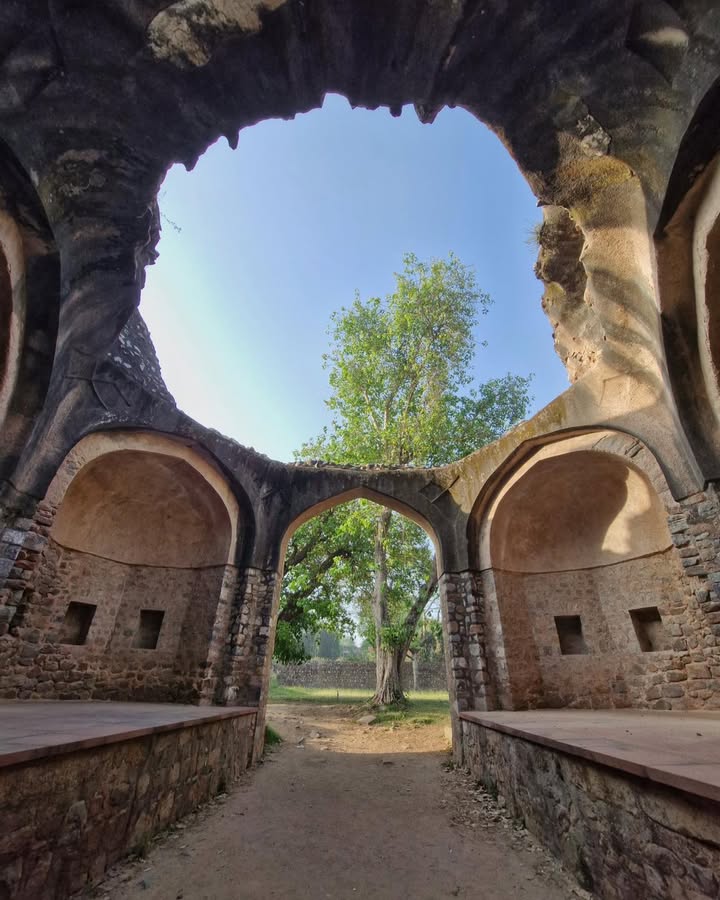
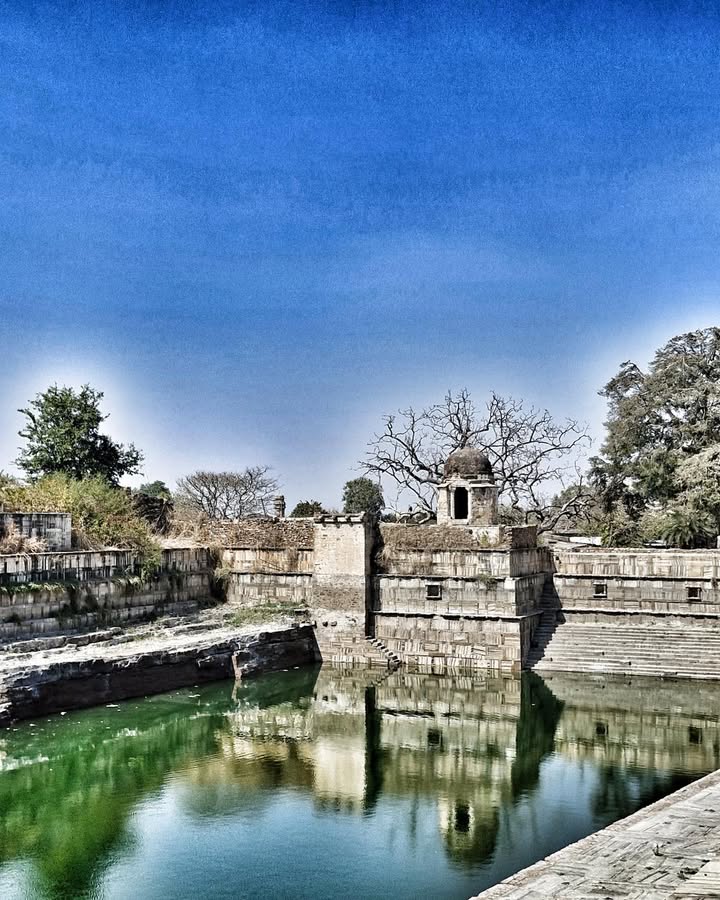
Hidden among these ruins lies Champa Baodi, a well engineered with remarkable precision, accompanied by a vaulted underground chamber known as the Tahkhana. Both stand almost level with the waters of Munj Talao, revealing how closely architecture here was woven with natural resources.
A short walk away stands the hammam, or royal bath — its ceiling delicately pierced with star-shaped openings, allowing sunlight to filter inside like constellations frozen in stone. From here, pathways once led deeper into the palace complex.
What survives today are two grand halls with vaulted ceilings. Their marble façades were once adorned with panels and medallions of blue and yellow tiles, some still bearing Kufi inscriptions — quiet reminders of a time when art, comfort, and power coexisted in perfect balance.
Mandu does not shout its history. It whispers — through stone, water, and light.
From the pages of ITIHASNAMA by StudioDharma
This post is part of my coffee table book ITIHASNAMA, documenting forgotten heritage through photographs and researched narratives.
To own a copy, you can order here:
**शाही परिसर, मांडू
मालवा की भूली हुई शाही गाथा**
मांडू का शाही परिसर आज टूटे-बिखरे अवशेषों का ऐसा समूह है, जिसकी मूल संरचना या योजना को समझ पाना अब आसान नहीं रहा। लेकिन इन खंडहरों की भव्यता आज भी यह स्पष्ट कर देती है कि यह स्थान कभी मालवा के सुल्तानों का ऐश्वर्यपूर्ण शाही निवास रहा होगा।
इन्हीं अवशेषों के बीच स्थित है चम्पा बावड़ी, जिसके साथ एक गुंबददार तहख़ाना है। दोनों लगभग मुंज तालाब के जलस्तर के समान ऊँचाई पर बने हैं — यह दर्शाता है कि यहाँ जल और वास्तुकला के बीच गहरा संतुलन था।
थोड़ी दूरी पर स्थित हम्माम (स्नानागार) अपनी छत में बने तारों के आकार के छिद्रों के लिए जाना जाता है, जिनसे सूर्य का प्रकाश भीतर प्रवेश करता था। यही मार्ग आगे शाही भवनों की ओर ले जाता था।
आज जो संरचनाएँ बची हैं, उनमें दो विशाल कक्ष दिखाई देते हैं, जिनकी छतें गुंबदाकार हैं। कभी इनकी संगमरमर की दीवारें नीले और पीले रंग की टाइलों से सजी थीं, जिनमें से कुछ पर आज भी कूफ़ी लिपि के शिलालेख देखे जा सकते हैं।
मांडू का इतिहास शोर नहीं करता —
वह पत्थरों के बीच धीरे-धीरे बोलता है।
StudioDharma की पुस्तक ITIHASNAMA से
यह लेख मेरी कॉफी टेबल बुक ITIHASNAMA का हिस्सा है, जिसमें भूली-बिसरी विरासत को शोध और चित्रों के माध्यम से प्रस्तुत किया गया है।
पुस्तक ऑर्डर करने के लिए लिंक:
.1