














𝓢𝓱𝓮𝓮𝓼𝓱 𝓖𝓾𝓶𝓫𝓪𝓭, 𝓛𝓸𝓭𝓲 𝓖𝓪𝓻𝓭𝓮𝓷𝓼, 𝓓𝓮𝓵𝓱𝓲.
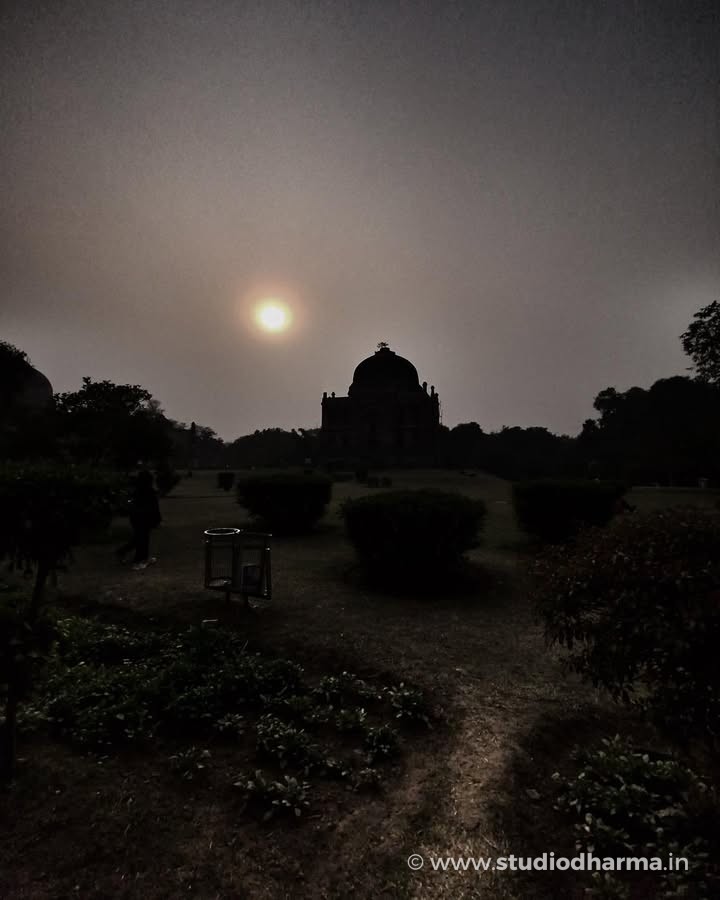
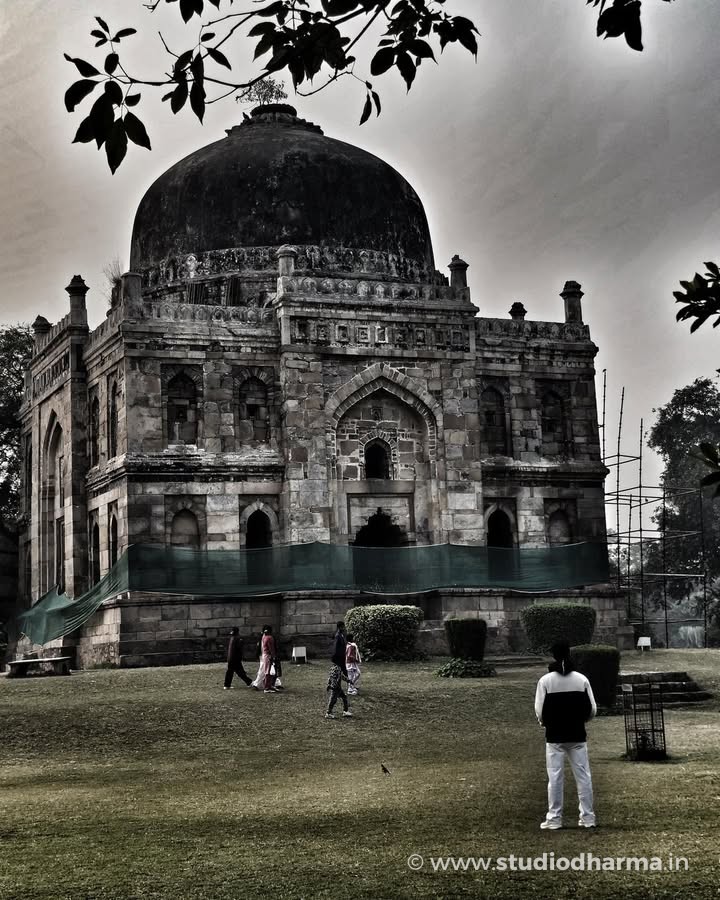
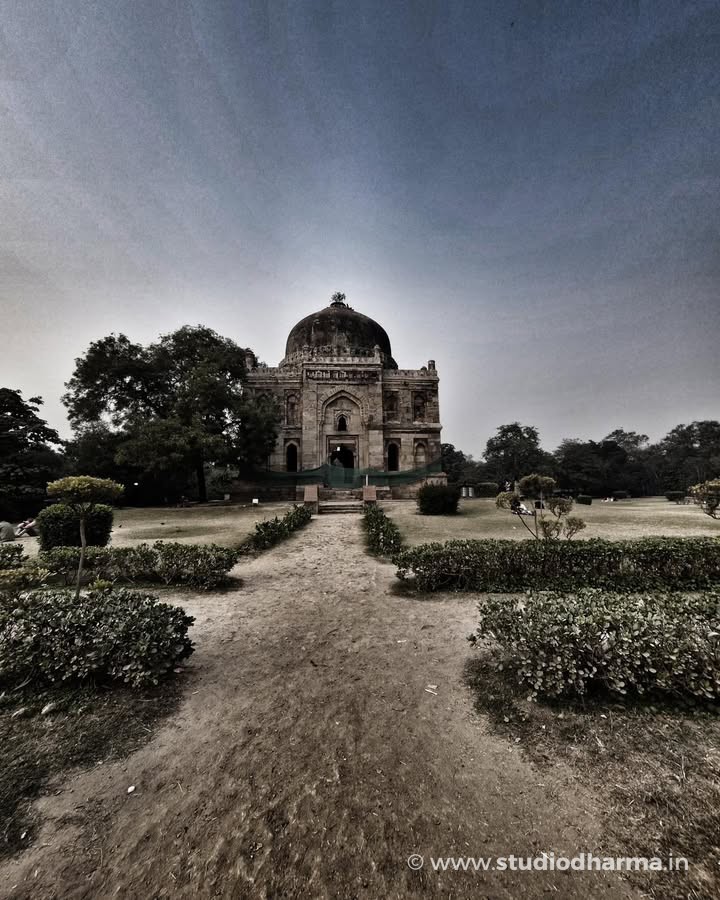
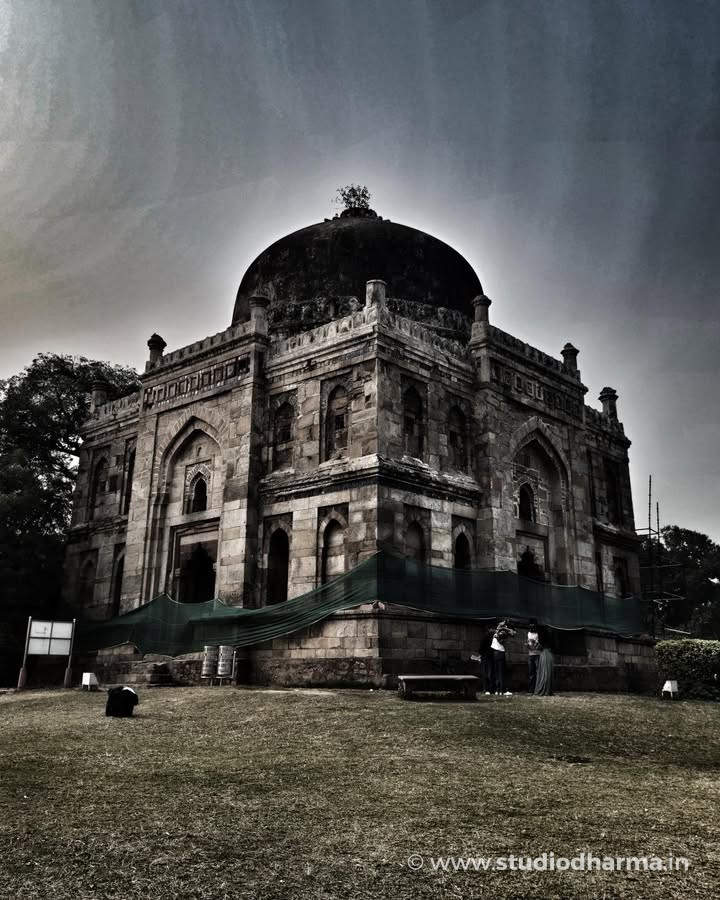
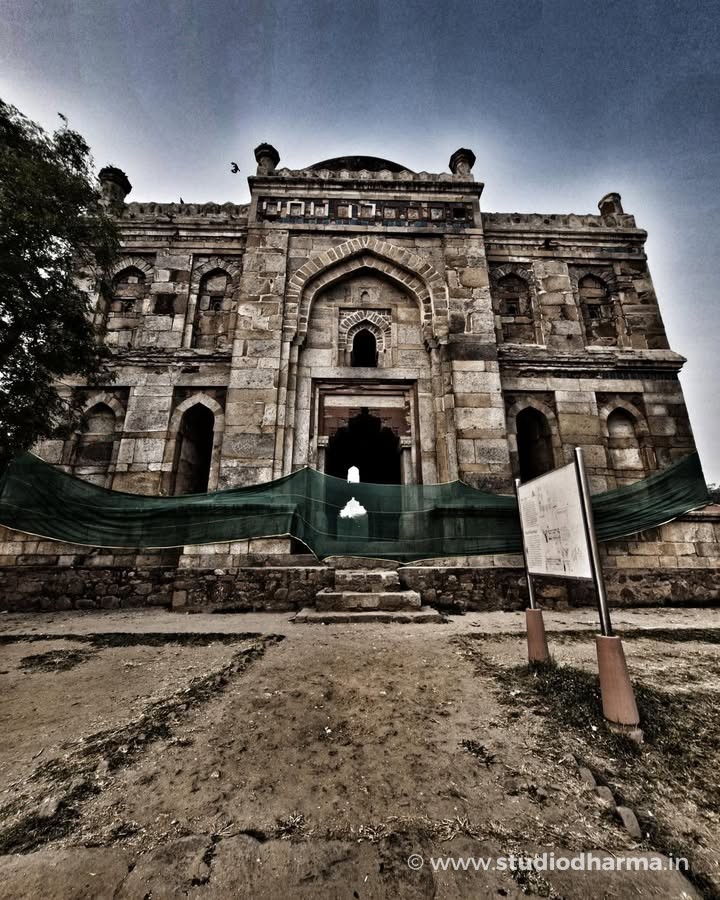
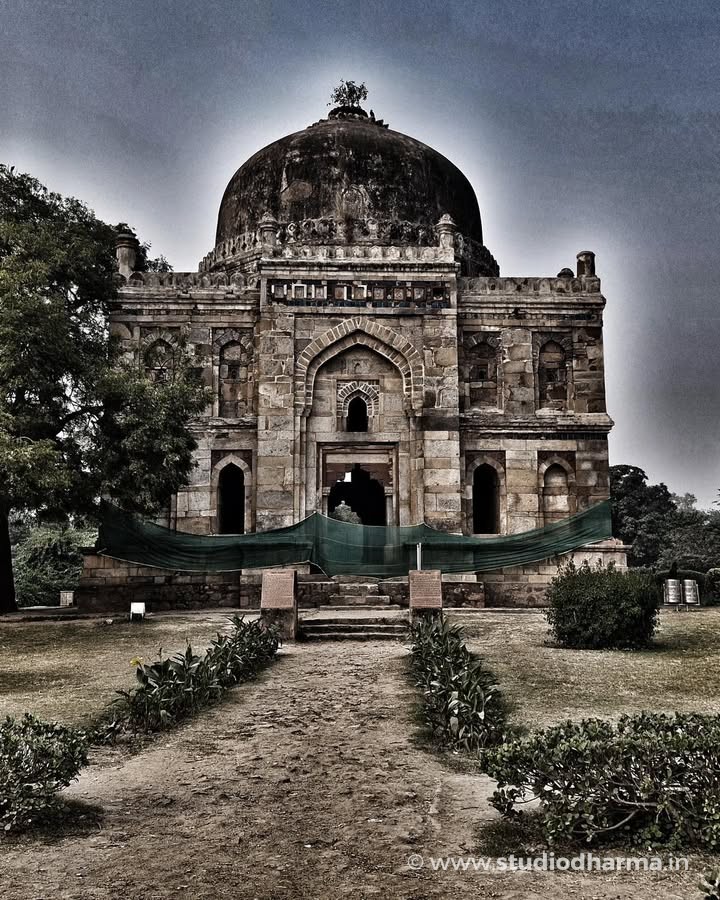
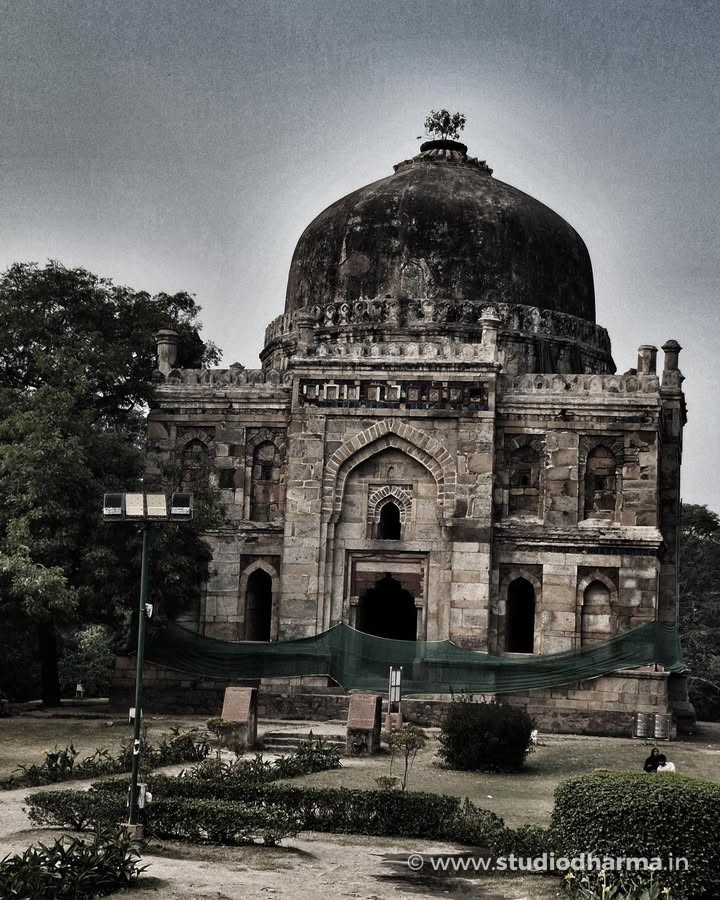
𝓢𝓱𝓮𝓮𝓼𝓱 𝓖𝓾𝓶𝓫𝓪𝓭, 𝓛𝓸𝓭𝓲 𝓖𝓪𝓻𝓭𝓮𝓷𝓼, 𝓓𝓮𝓵𝓱𝓲.
The Glazed Mystery of the Lodi Dynasty
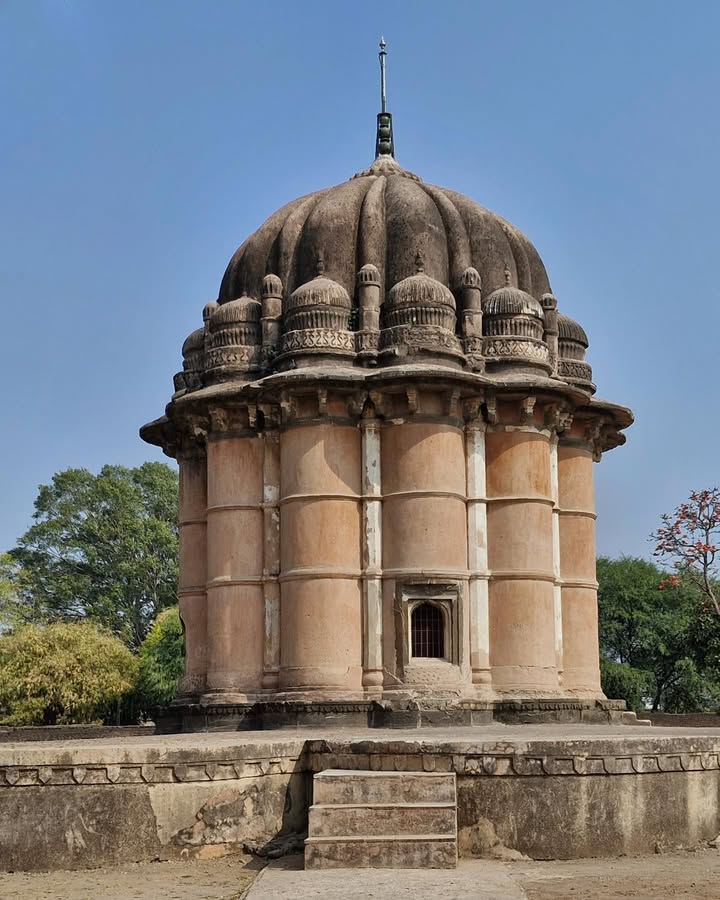
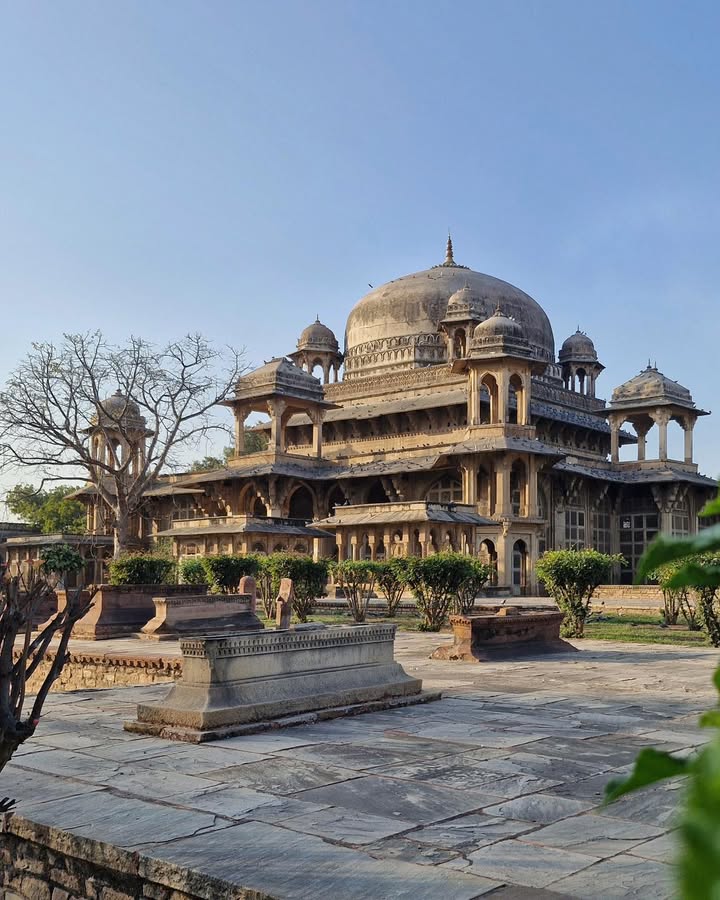
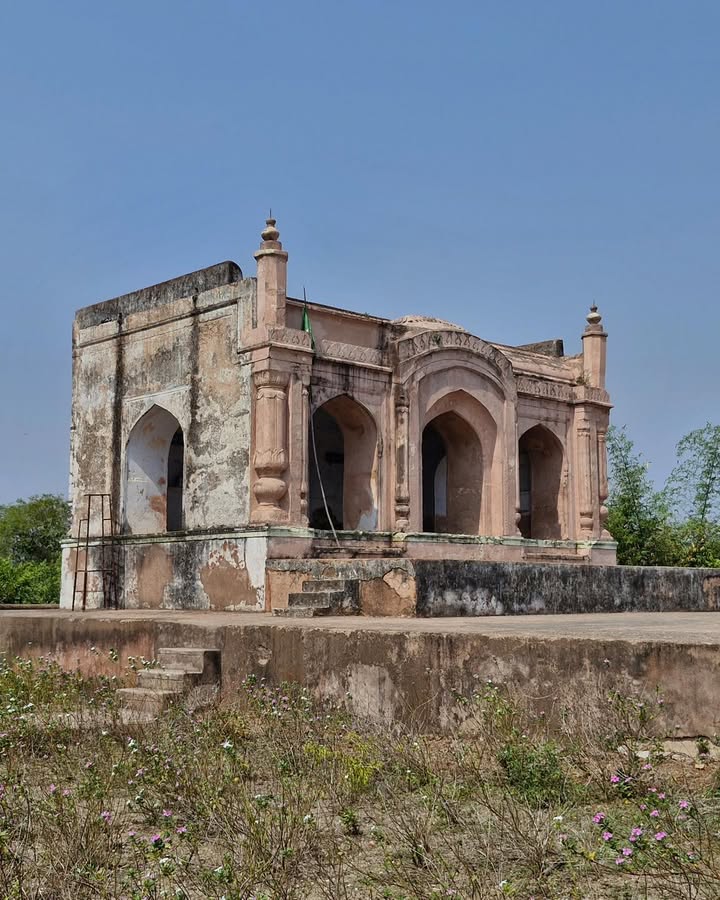
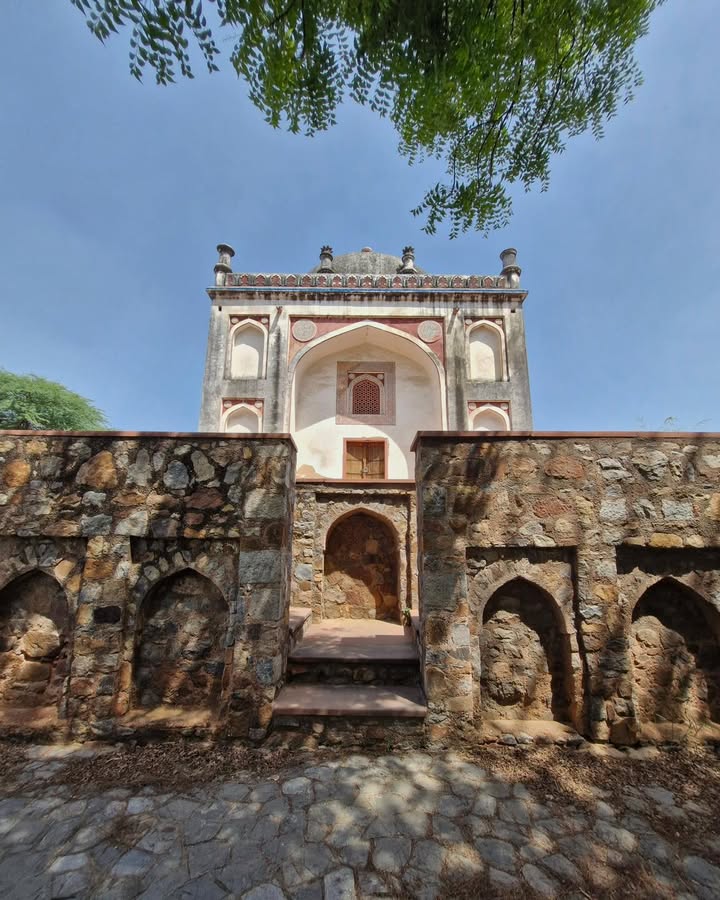
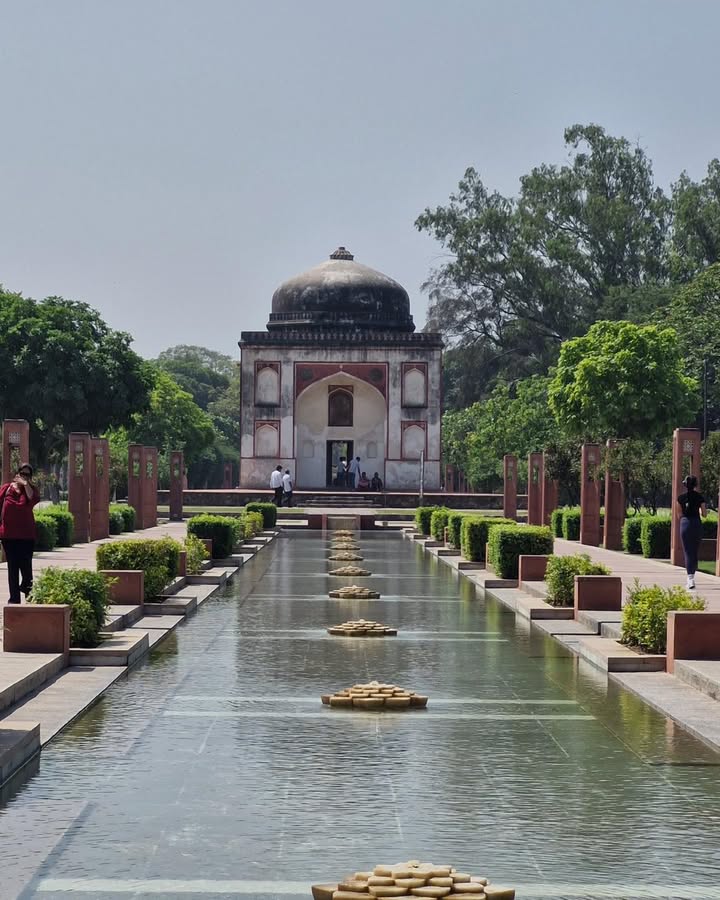
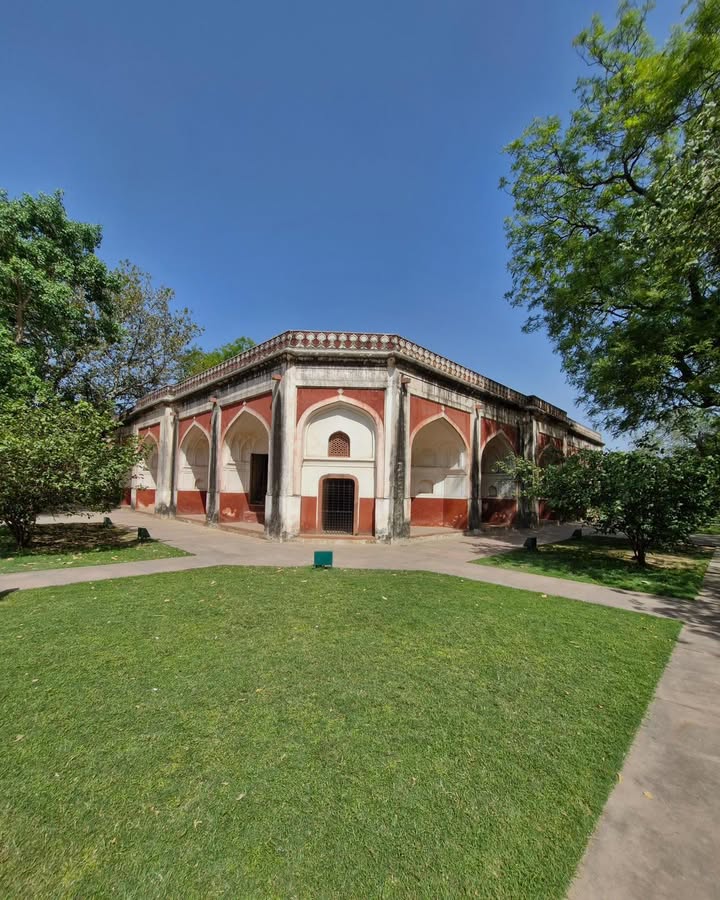
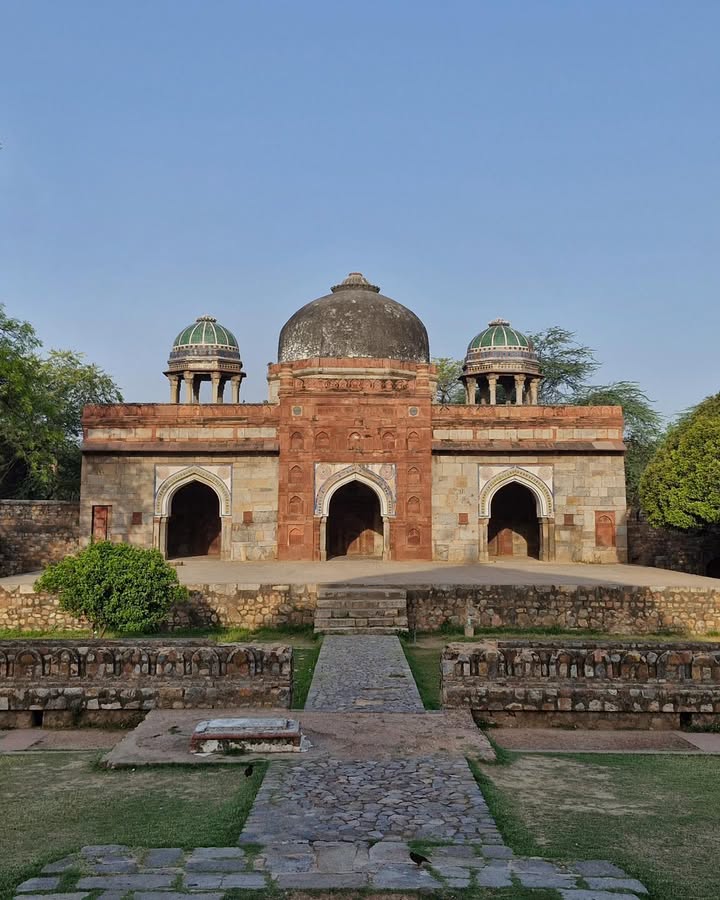
Standing quietly inside Lodi Gardens, the Sheesh Gumbad is one of the most intriguing tombs of late Sultanate Delhi. Built in the late 15th or early 16th century, this monument belongs to the final phase of the Lodi dynasty, most likely during the reign of Sikandar Lodi.
Its name—Sheesh Gumbad, meaning “Glazed Dome”—comes from the once-brilliant blue glazed tiles that adorned its dome and façade. Such glazing was rare and costly in North India at the time, indicating the importance of the person for whom it was built. Though the exact occupant remains unidentified, historians suggest it may house graves of an unknown Lodi noble family, and some traditions associate it with Bahlul Lodi, though this remains unconfirmed.
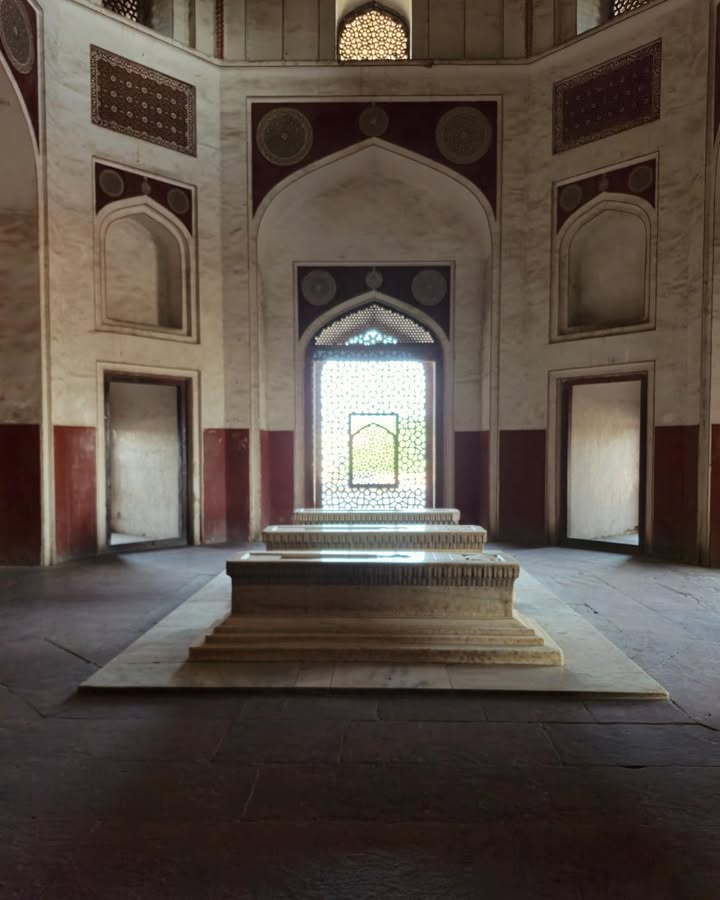
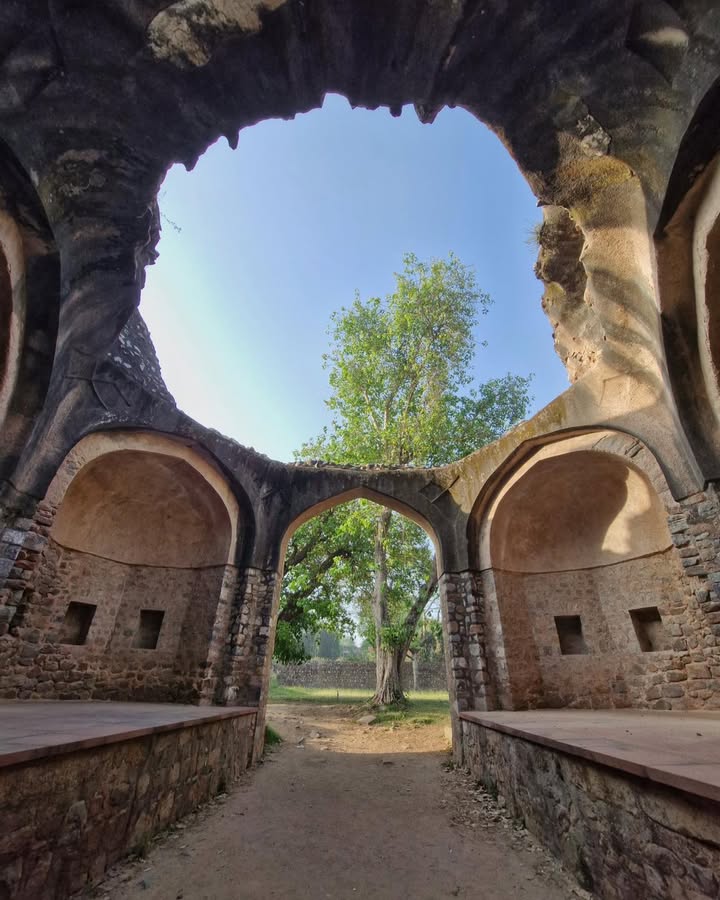
Architecturally, the tomb reflects a fascinating transition. The exterior displays elements derived from earlier Hindu craftsmanship—projecting brackets and lintel-like forms—while the interior follows Islamic funerary traditions with arched niches and Quranic inscriptions. The square structure, crowned by a central dome and flanked by octagonal corner minarets, creates the illusion of a double-storeyed building, a distinctive feature of Lodi-period tomb design.
Today, surrounded by manicured lawns, Sheesh Gumbad stands as a silent witness to the final architectural expressions of the Delhi Sultanate—just decades before the Mughal era transformed the city forever.
Explore forgotten monuments and layered histories through ITIHASNAMA, a premium coffee table book by StudioDharma, documenting heritage stories with research-backed narratives and original photography.
Purchase your copy here:
शीश गुम्बद, लोदी गार्डन्स, दिल्ली
लोदी वंश की चमकती हुई रहस्यमयी विरासत
लोदी गार्डन्स के शांत वातावरण में स्थित शीश गुम्बद दिल्ली सल्तनत के अंतिम दौर की एक महत्वपूर्ण स्मारक संरचना है। इसका निर्माण 15वीं शताब्दी के अंत या 16वीं शताब्दी के प्रारंभ में, संभवतः सुल्तान सिकंदर लोदी के शासनकाल में हुआ माना जाता है।
“शीश गुम्बद” नाम इसके गुंबद और बाहरी सतह पर लगी नीली चमकदार टाइलों से जुड़ा है, जो उस समय अत्यंत दुर्लभ और महंगी मानी जाती थीं। इस मकबरे में दफन व्यक्ति की पहचान स्पष्ट नहीं है, पर इतिहासकार इसे किसी लोदी कुलीन परिवार से जोड़ते हैं। कुछ मान्यताओं में इसे बहलोल लोदी से भी जोड़ा गया है, हालांकि इसका कोई ठोस प्रमाण नहीं मिलता।
इस स्मारक की स्थापत्य शैली विशेष रूप से उल्लेखनीय है। बाहरी हिस्से में हिन्दू स्थापत्य परंपराओं की झलक दिखाई देती है, जबकि आंतरिक संरचना इस्लामी मकबरा शैली का अनुसरण करती है। वर्गाकार योजना, केंद्रीय गुंबद और कोनों पर अष्टकोणीय बुर्ज इसे लोदी कालीन स्थापत्य का एक विशिष्ट उदाहरण बनाते हैं।
आज यह गुम्बद दिल्ली के इतिहास के उस दौर की याद दिलाता है, जब सल्तनत अपने अंतिम चरण में थी और एक नए युग की आहट सुनाई देने लगी थी।
स्टूडियोधर्मा द्वारा प्रकाशित ITIHASNAMA एक विशेष कॉफी टेबल बुक है, जिसमें विरासत स्थलों की प्रमाणिक कहानियाँ और शोध आधारित लेखन शामिल है।
पुस्तक खरीदने के लिए लिंक: