










Sas Bahu Temple, Gwalior – A Story of Devotion, Art, and Shared Heritage.

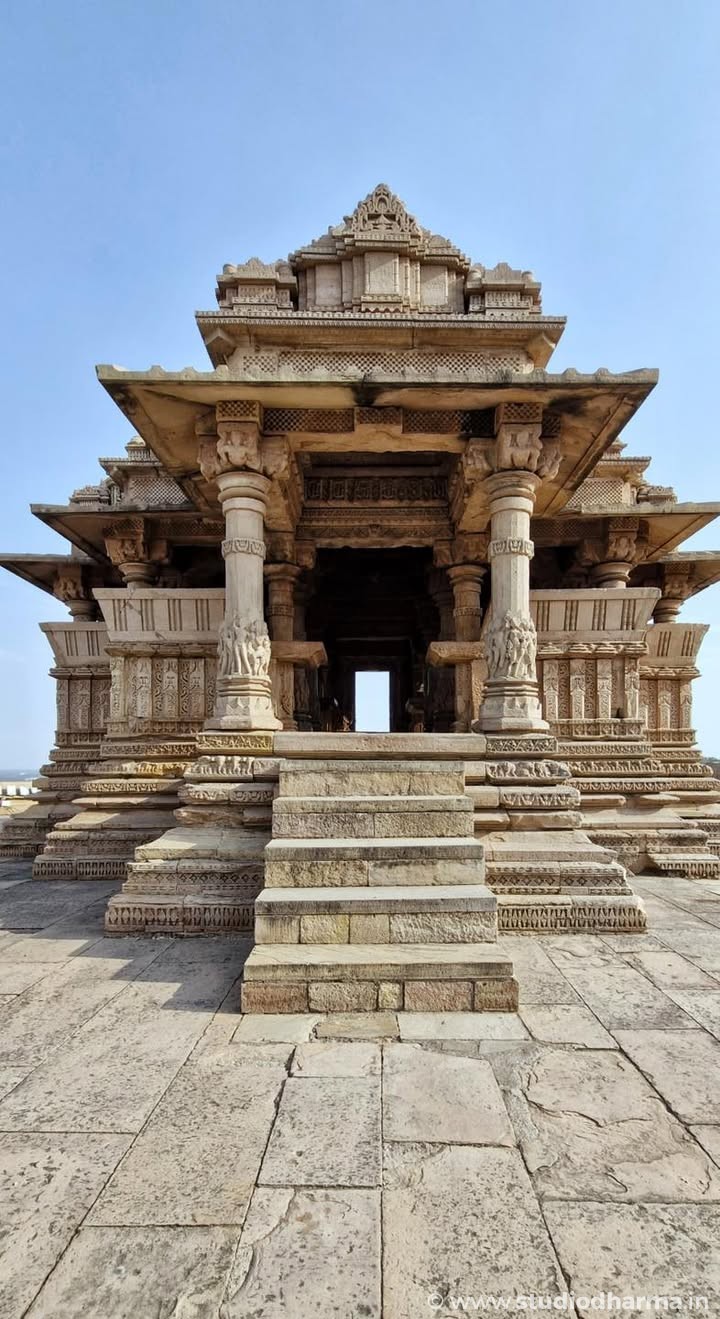


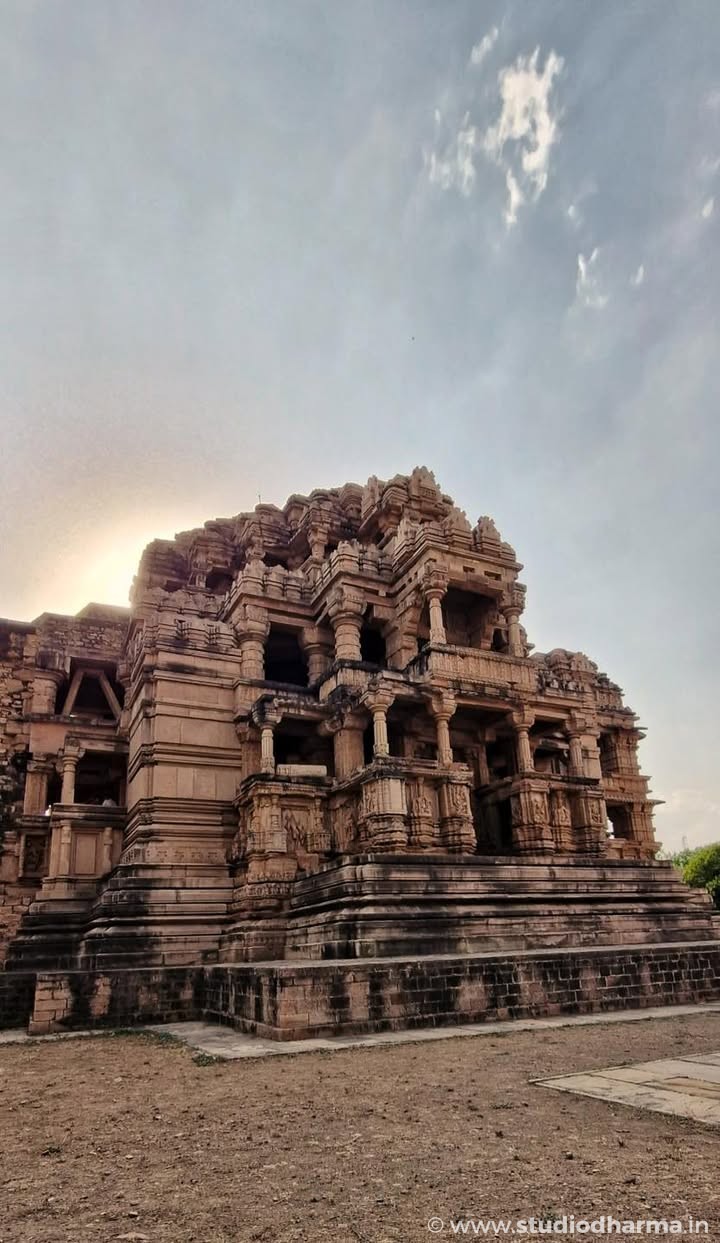
Sas Bahu Temple, Gwalior – A Story of Devotion, Art, and Shared Heritage.
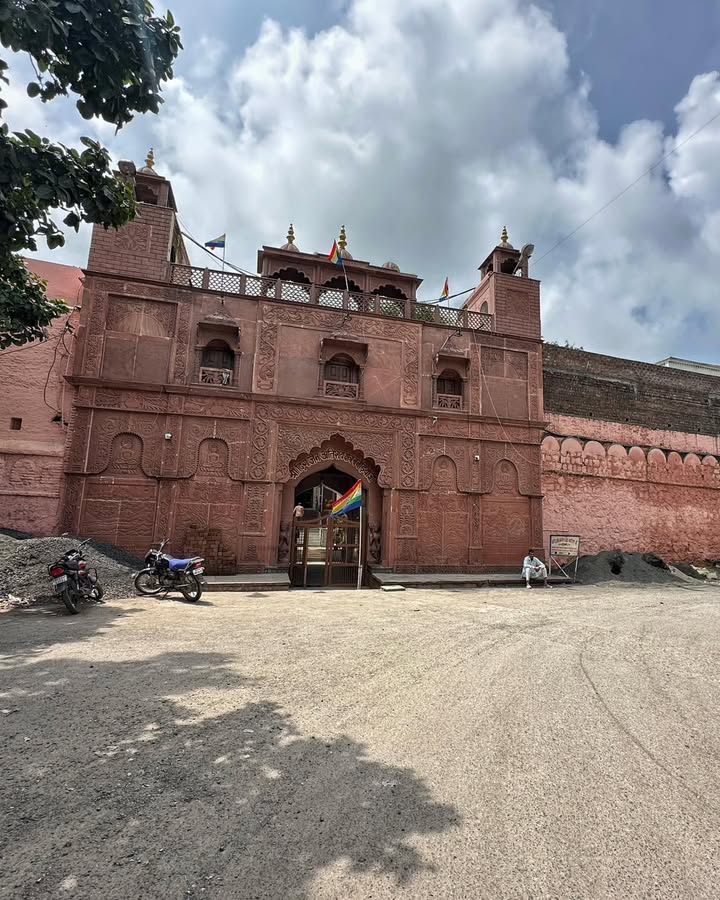
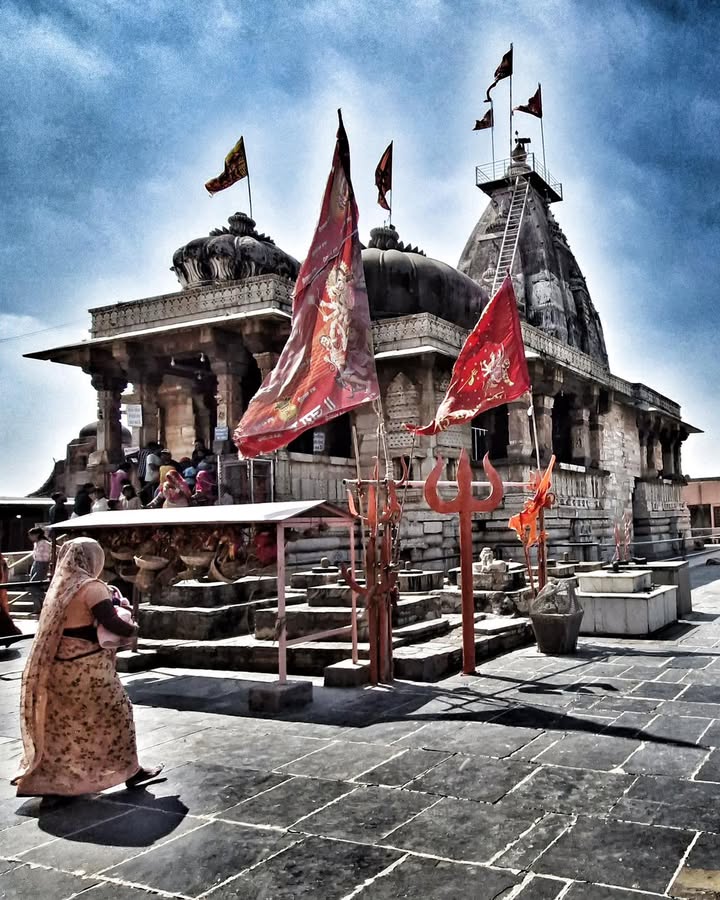
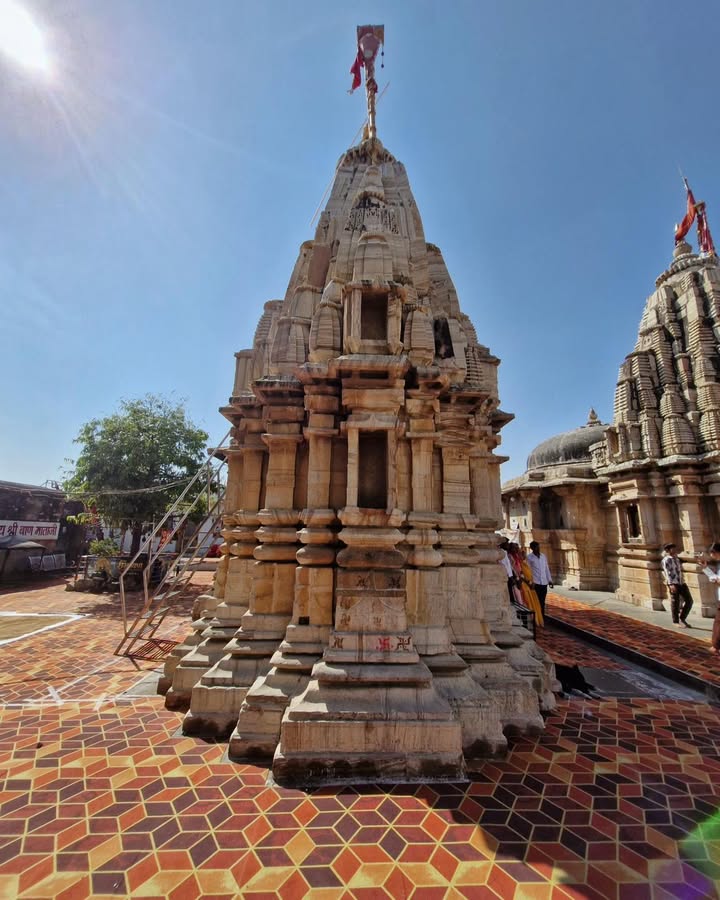
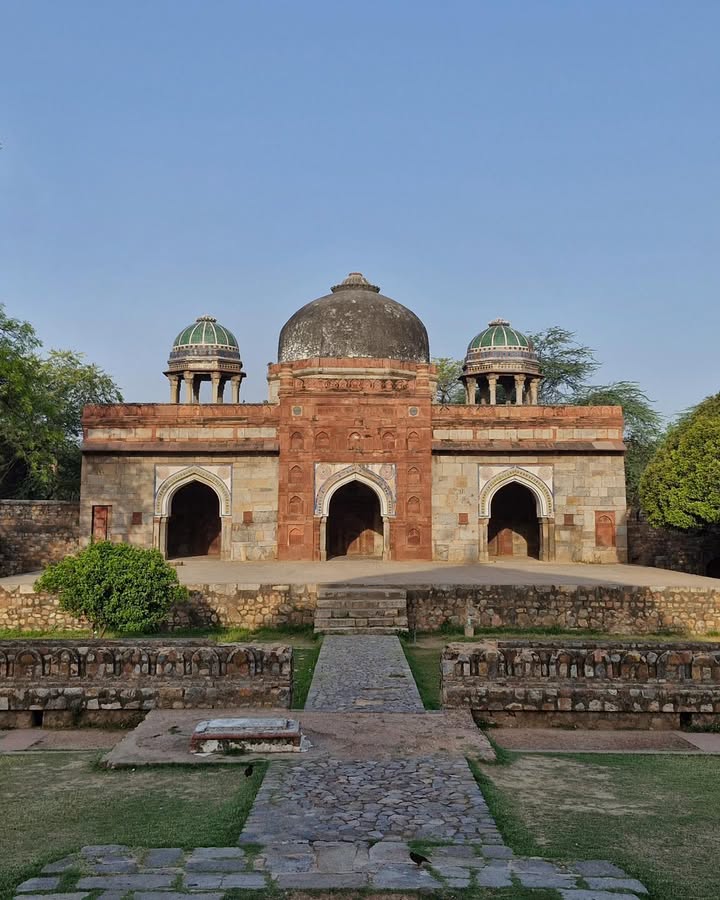
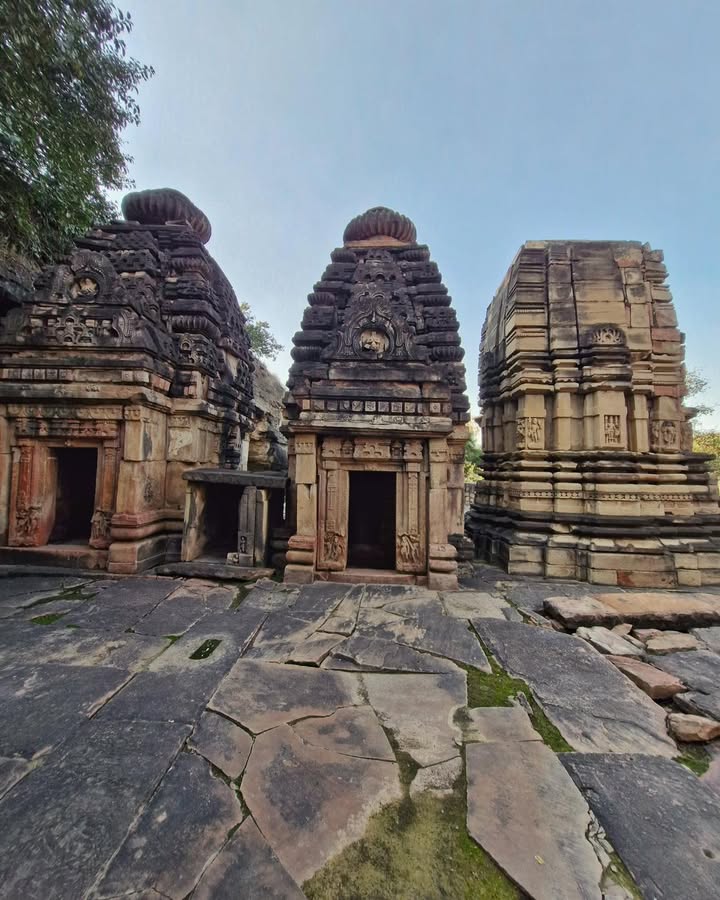
Hidden within the mighty Gwalior Fort lies a twin temple complex known as Sas Bahu Temples, built between 1090–1093 AD by King Mahipala of the Kachchhapaghata dynasty.
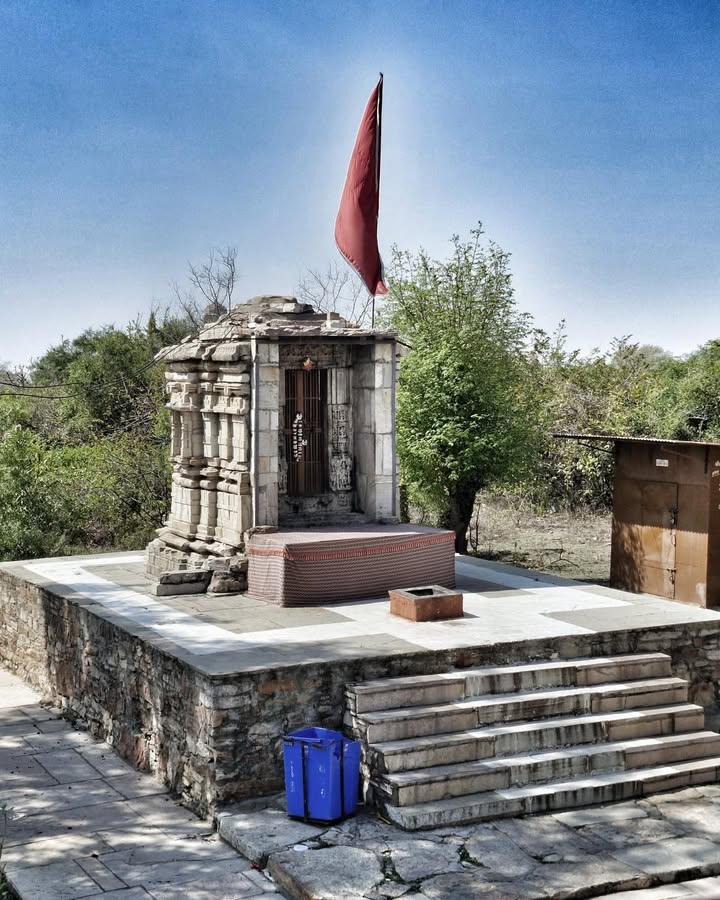
Originally named Sahastrabahu Temple, the larger temple was dedicated to Lord Vishnu (Padmanabh form), and the smaller one to Lord Shiva.
Legend says the king built the grander temple for his wife (Saas) and the smaller one for his daughter-in-law (Bahu), symbolizing harmony and respect within family bonds.
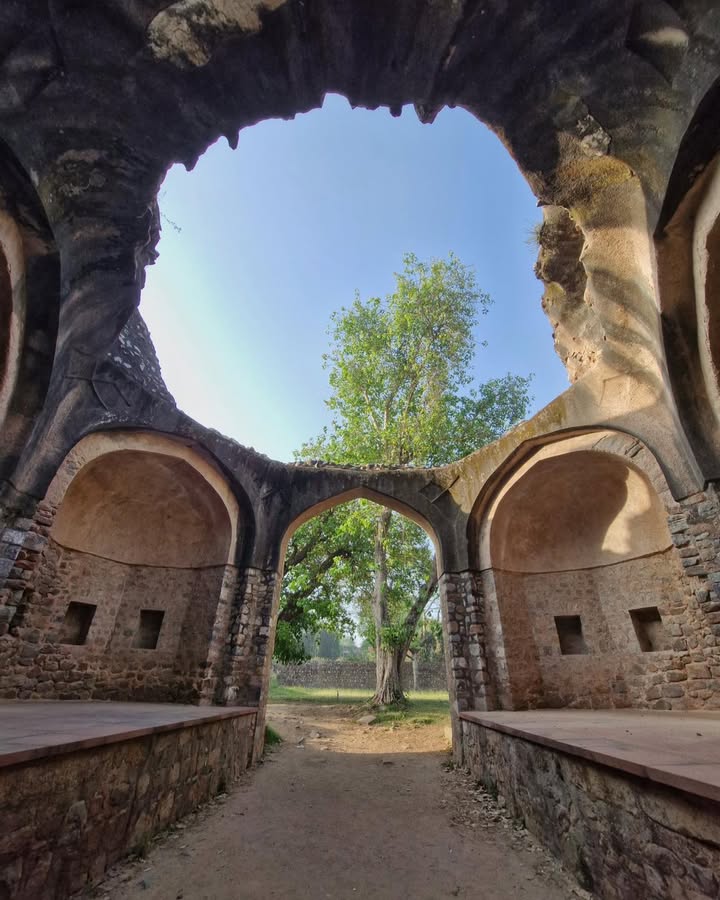
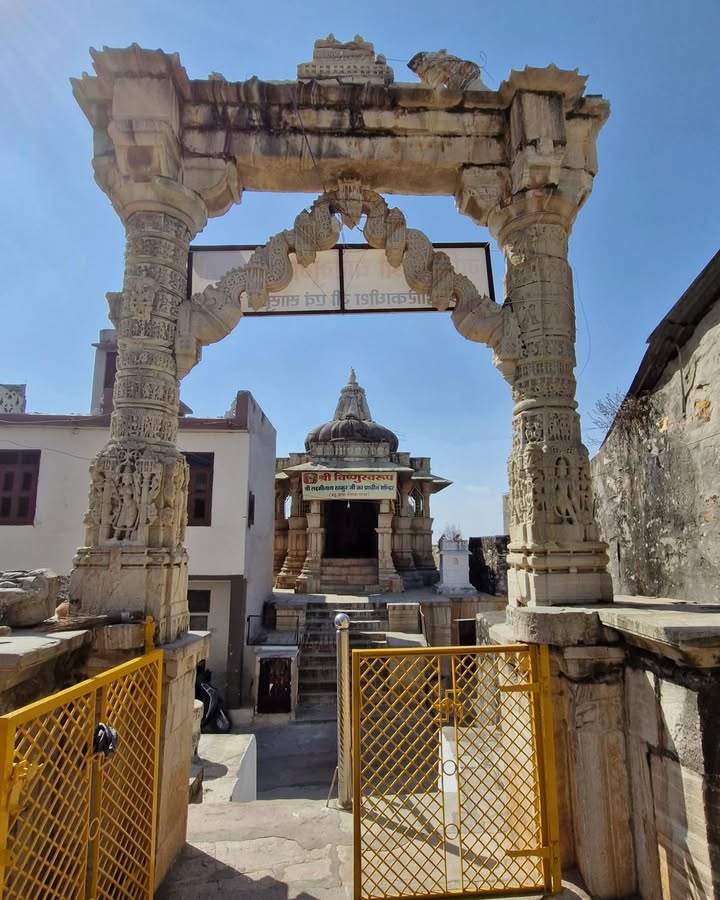
Though damaged by invasions, the surviving carvings on the pillars, entrances, and mandapas still showcase the brilliance of 11th-century Nagara architecture.
Interestingly, some accounts suggest a Jain connection too—early Western records and local traditions hint the site may have once housed Jain idols, possibly even being an Adinath temple.
This temple is not just a place of worship, but a testimony to India’s shared spiritual traditions and unmatched craftsmanship.
ग्वालियर का सास बहू मंदिर – श्रद्धा, शिल्प और साझा विरासत की कहानी
ग्वालियर के किले के भीतर स्थित है एक अद्भुत जुड़वा मंदिरों का समूह – जिसे आज हम सास बहू मंदिर के नाम से जानते हैं, जिसका निर्माण 1090–1093 ई. के बीच कच्छपघात वंश के राजा महीपाल ने कराया था।
मूल रूप से इसे सहस्त्रबाहु मंदिर कहा जाता था। बड़ा मंदिर भगवान विष्णु (पद्मनाभ रूप) को और छोटा मंदिर भगवान शिव को समर्पित था।
किवदंती है कि राजा ने यह भव्य मंदिर अपनी पत्नी (सास) के लिए और छोटा मंदिर अपनी बहू (बहु) के लिए बनवाया था, जो परिवारिक स्नेह और सम्मान का प्रतीक है।
हालांकि ये मंदिर समय के साथ क्षतिग्रस्त हुए, फिर भी इसकी शेष कलाकृतियाँ और नागर शैली की वास्तुकला आज भी लोगों को चकित करती हैं।
कुछ मान्यताओं और पश्चिमी अभिलेखों के अनुसार, यह स्थल पहले जैन मंदिर भी हो सकता है – संभवतः आदिनाथ को समर्पित। इससे यह स्थान हिंदू-जैन साझे इतिहास का प्रतीक भी बनता है।
यह मंदिर केवल पूजा का स्थान नहीं, बल्कि भारत की सांस्कृतिक समृद्धि और कलात्मक प्रतिभा का जीवंत उदाहरण है।
.1