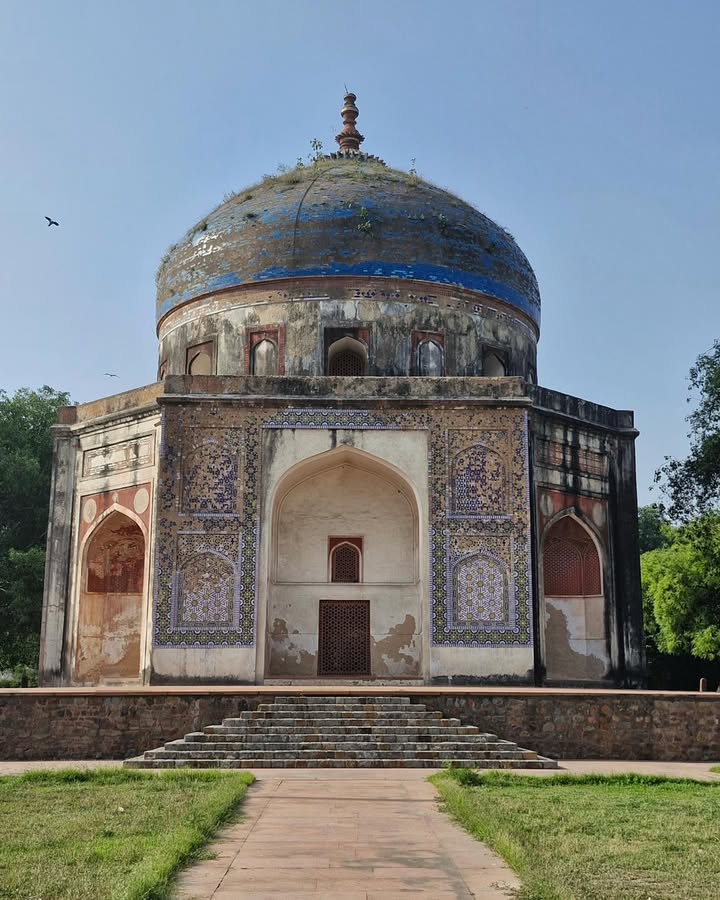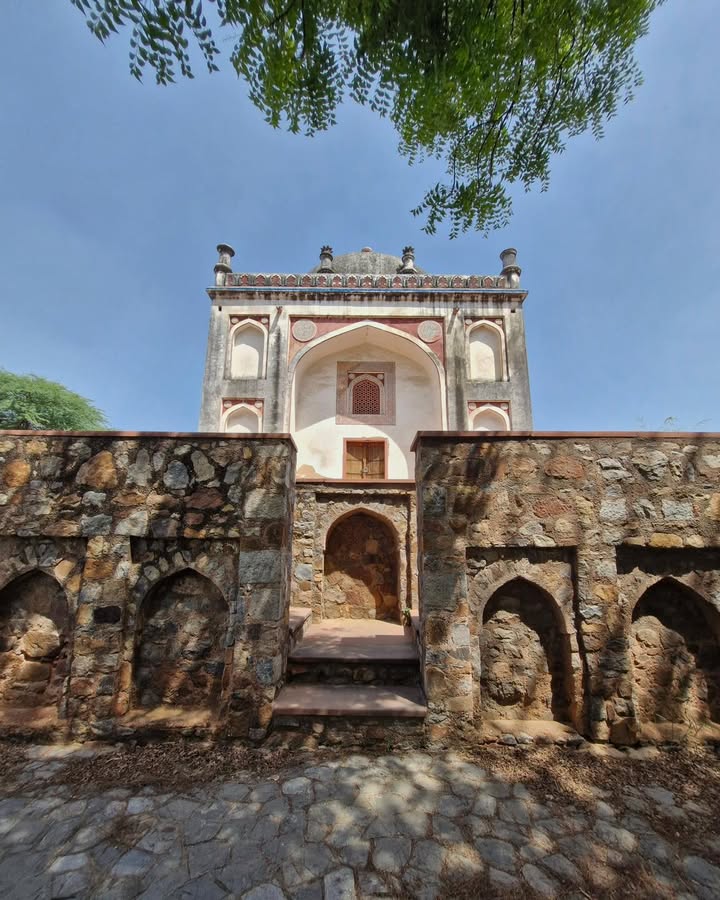
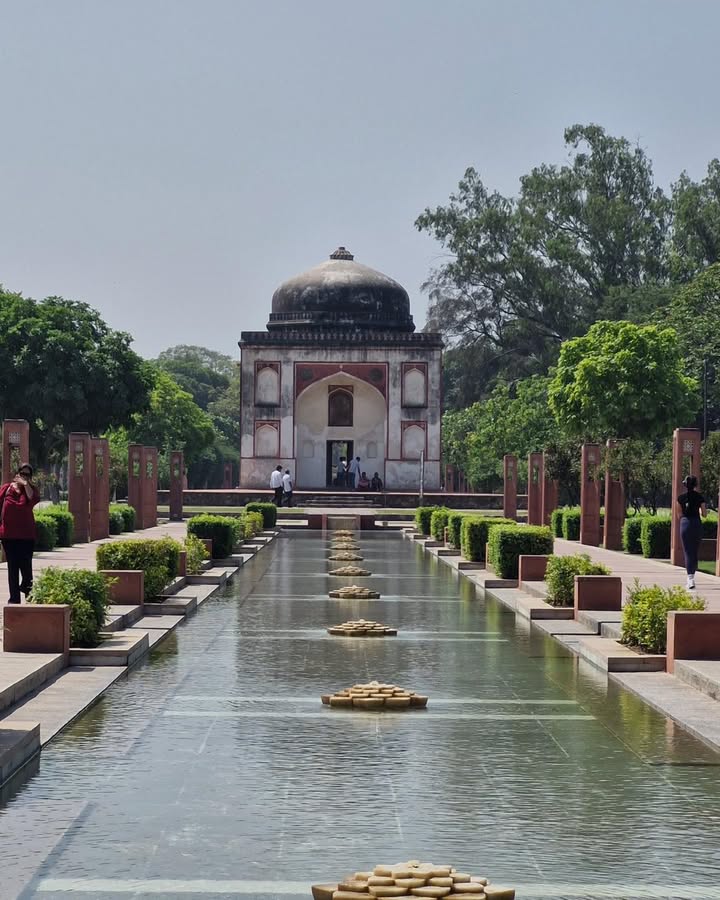
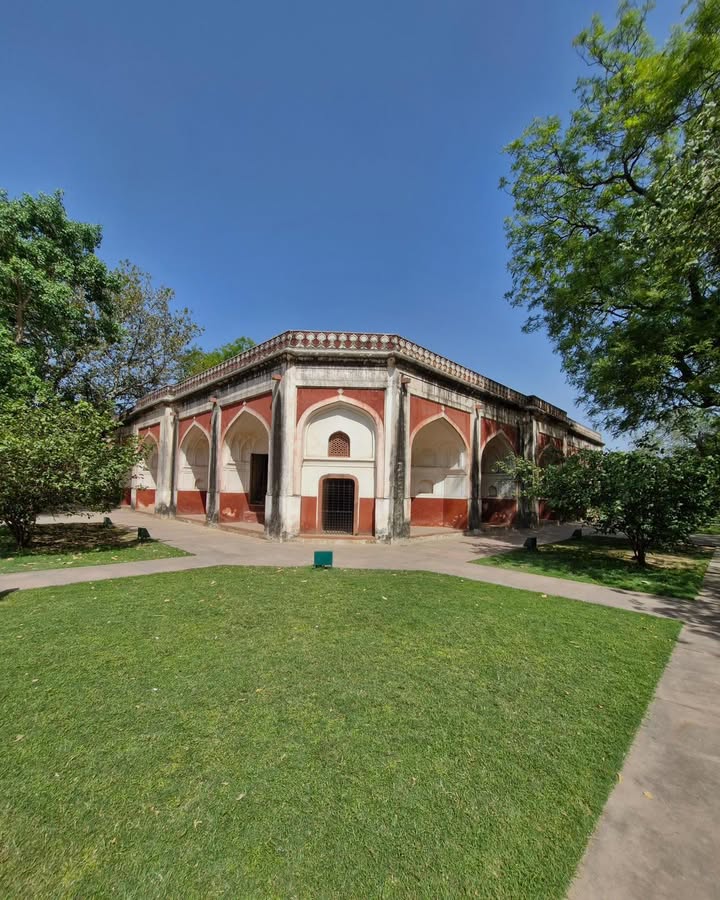
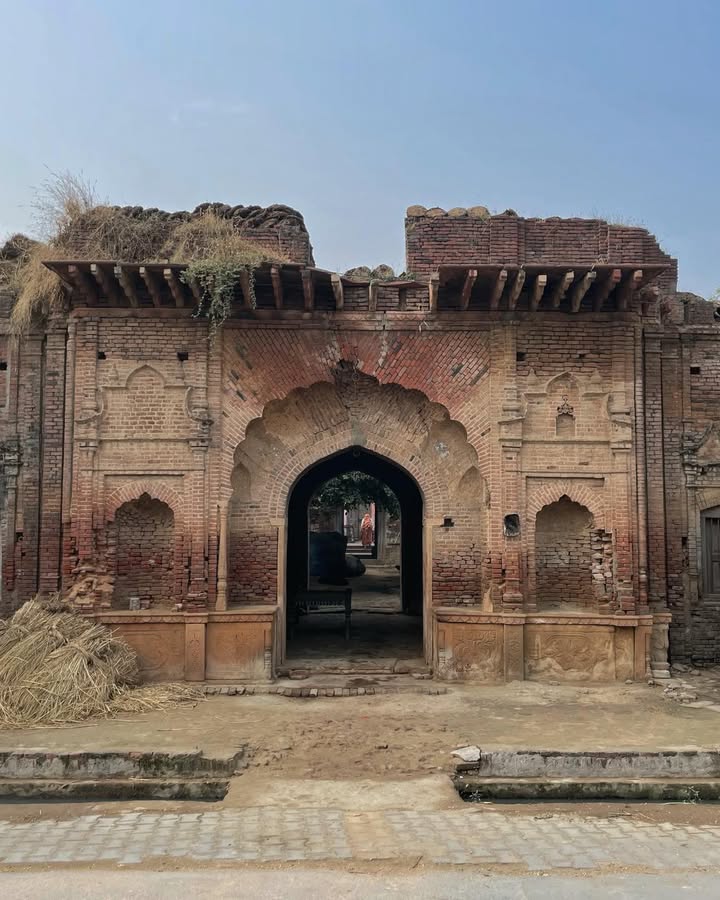














Sawan and Bhadon Pavilions, Deeg – Monsoon Marvels of Jat Architecture.
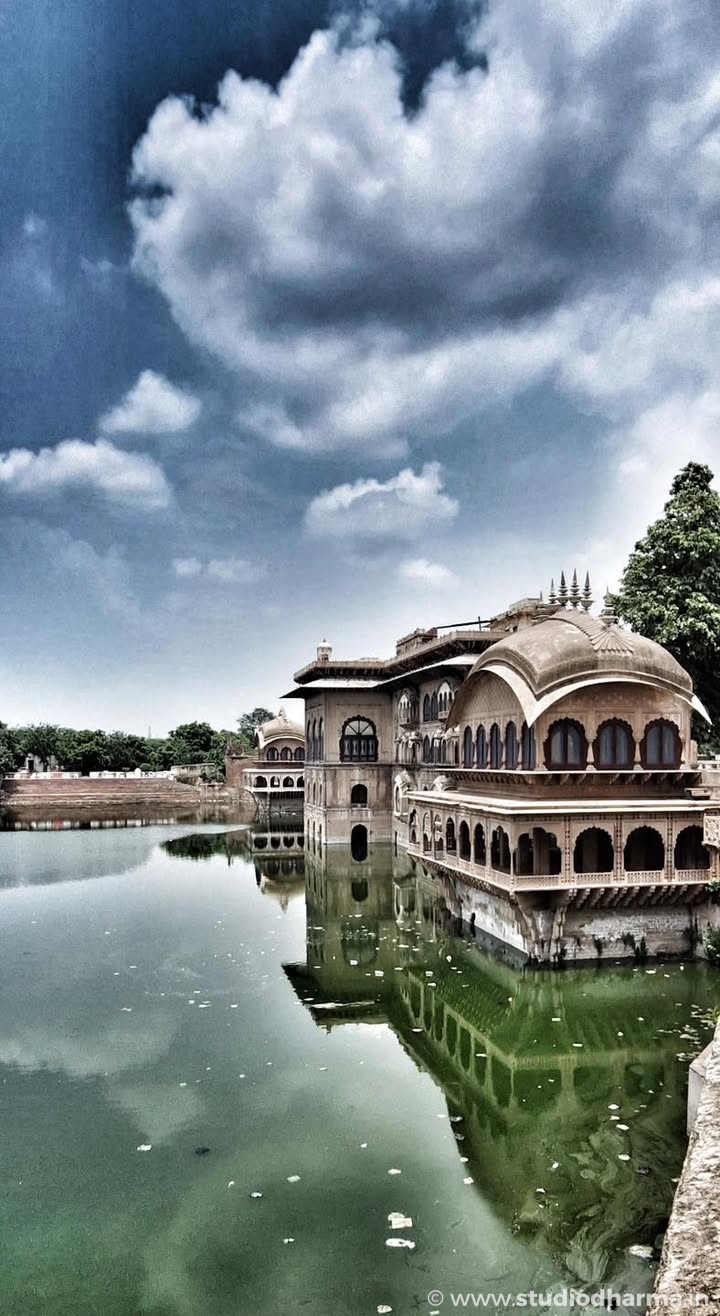
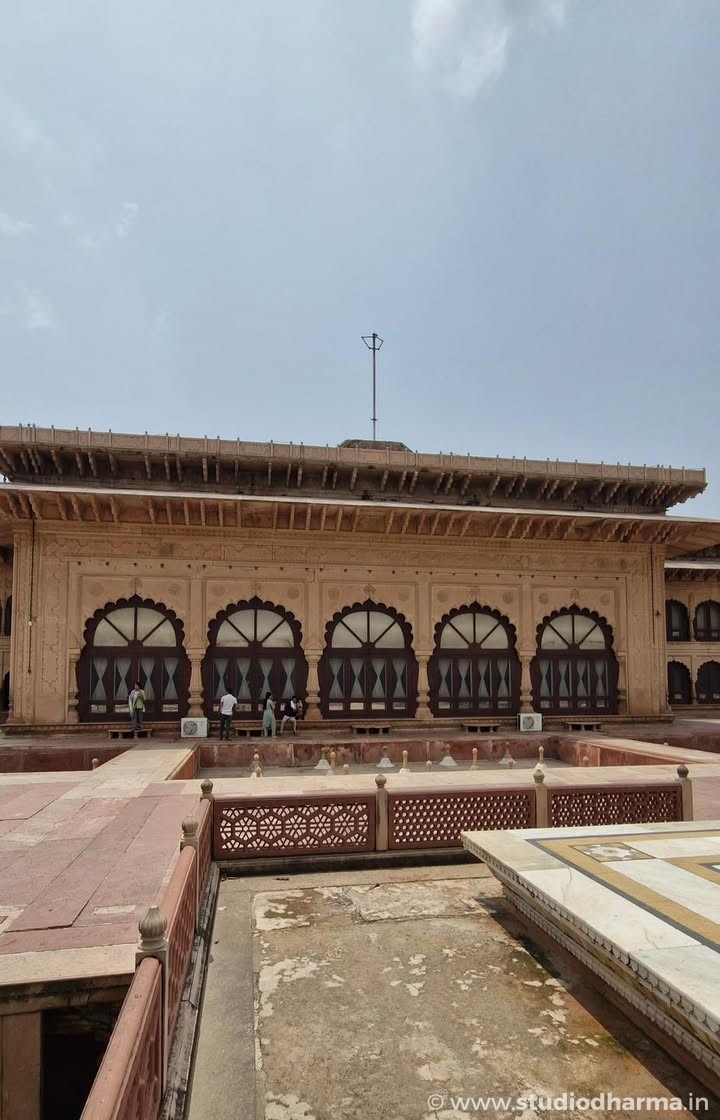
Sawan and Bhadon Pavilions, Deeg – Monsoon Marvels of Jat Architecture.
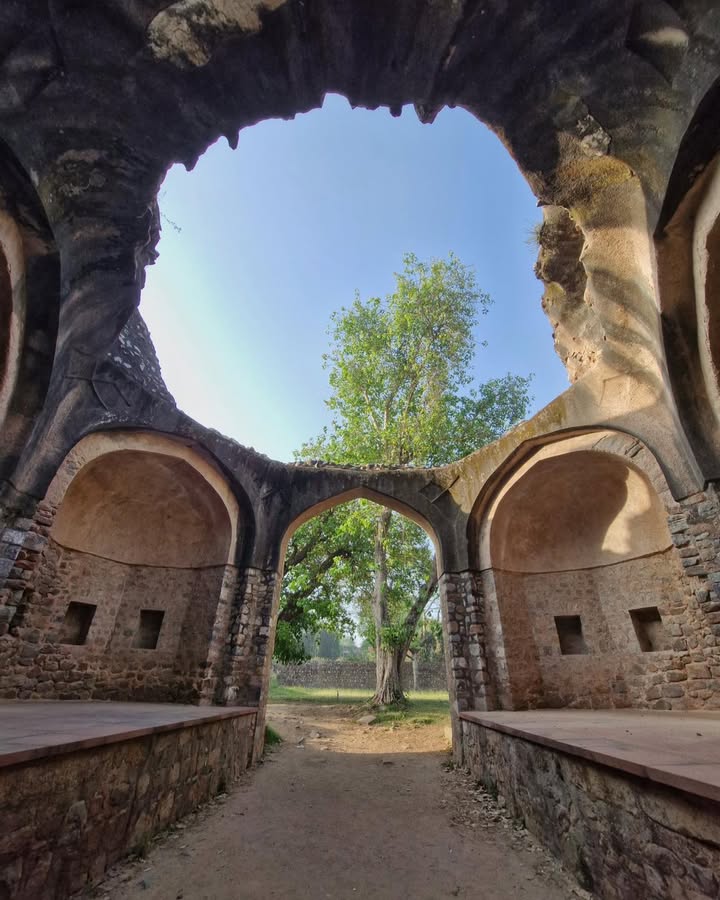
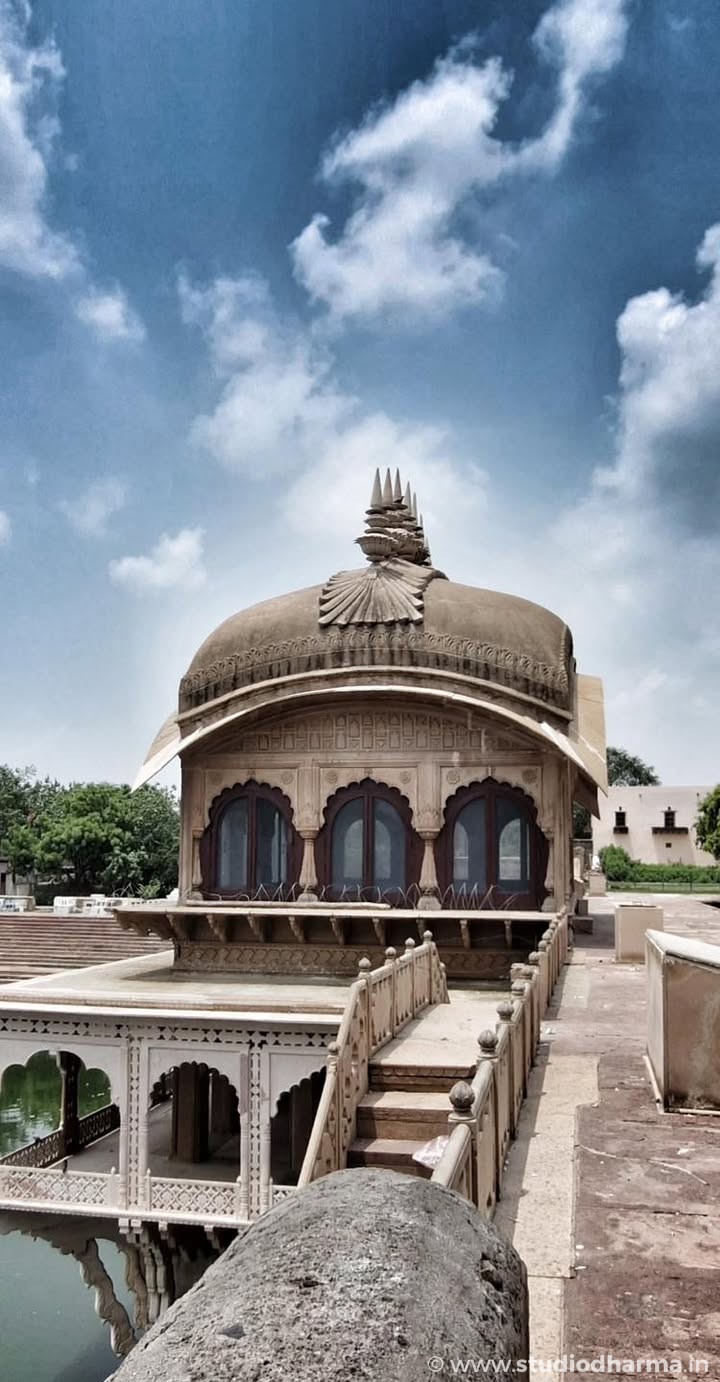
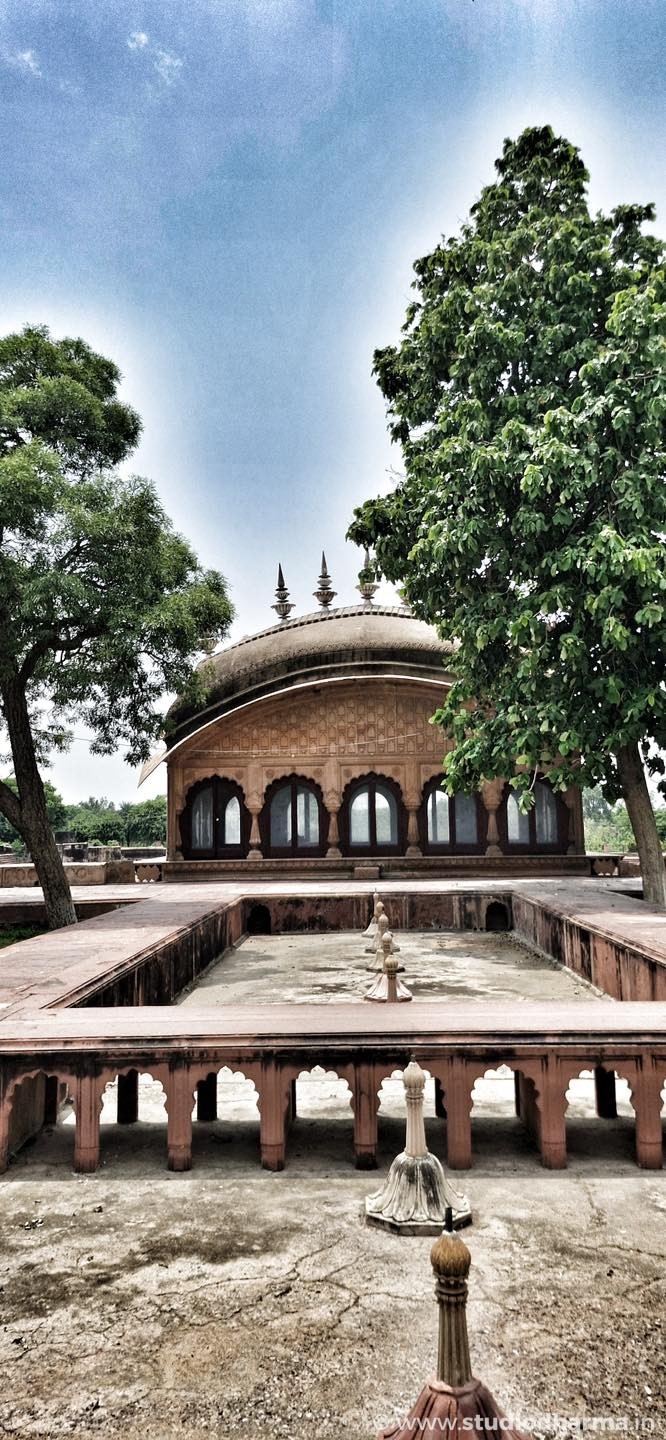
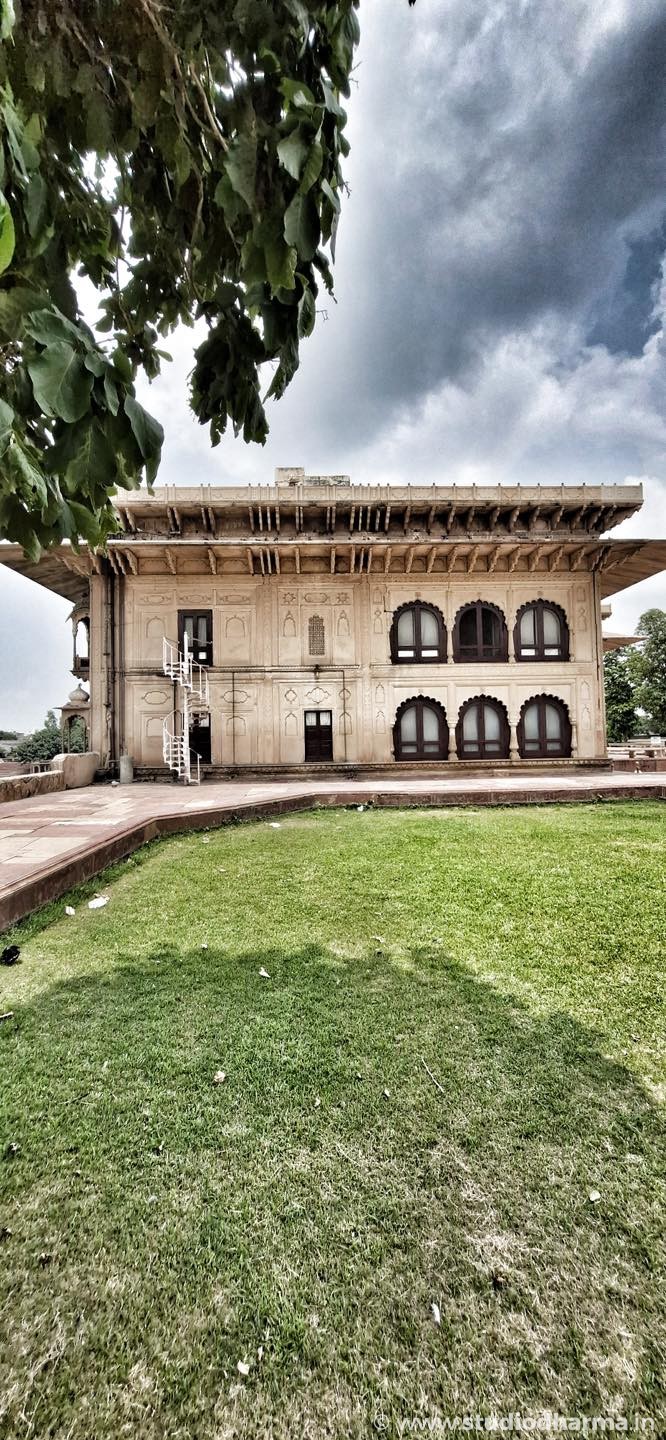
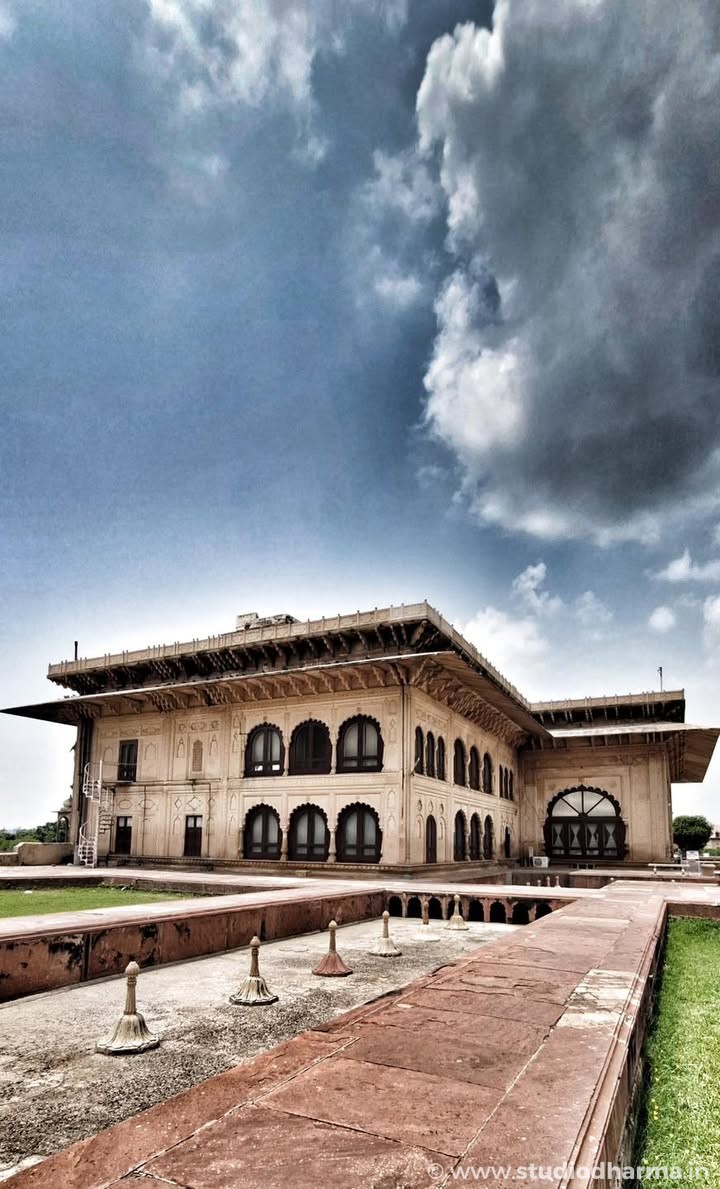
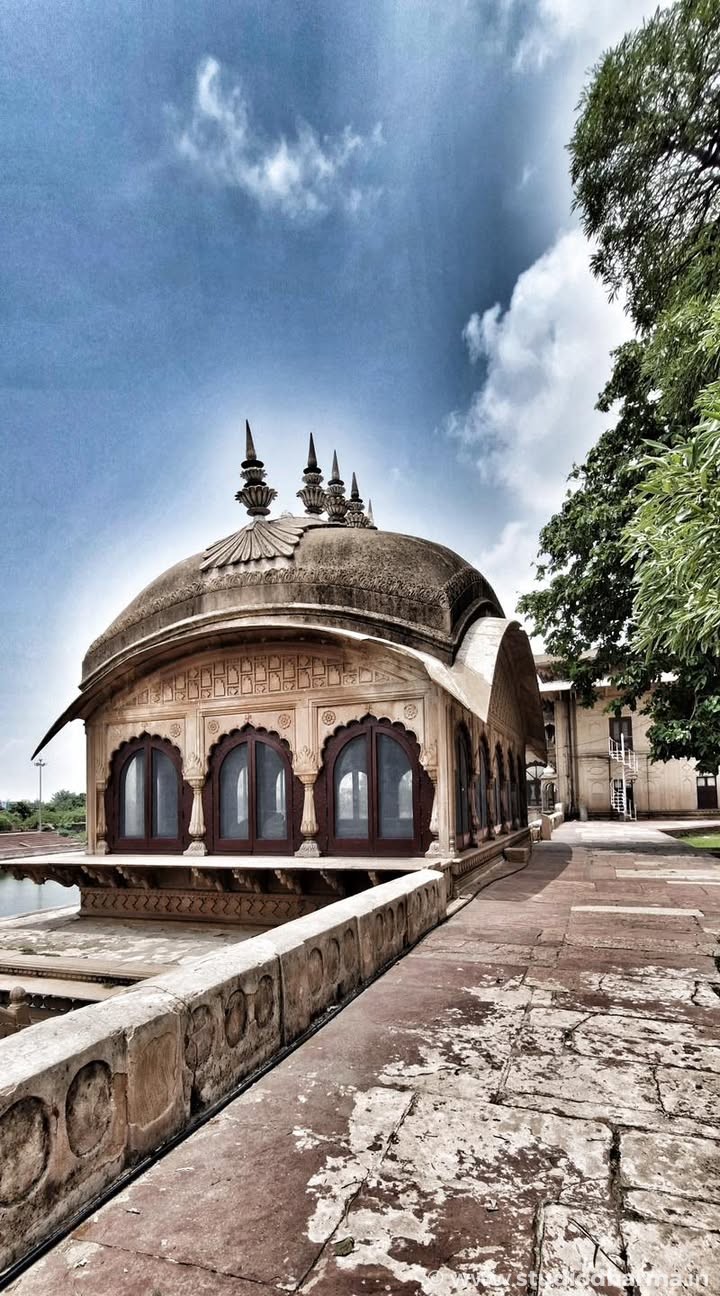
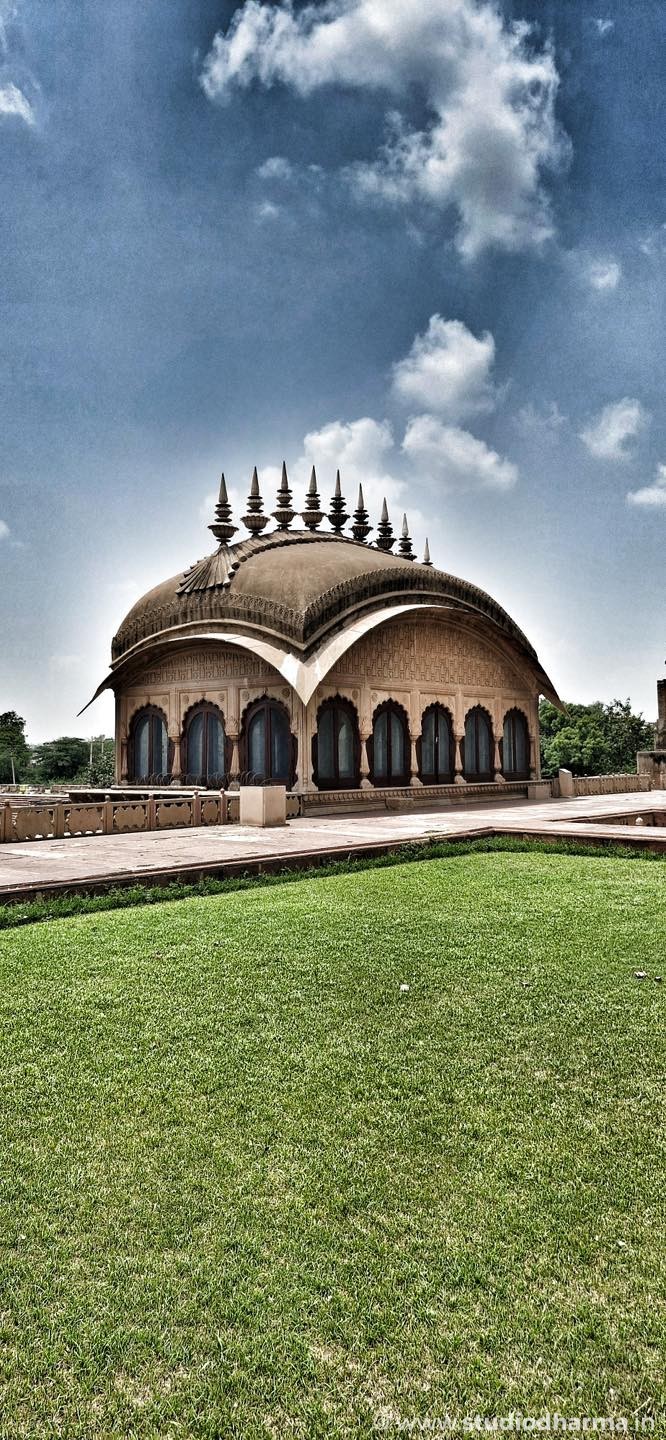
The Sawan and Bhadon pavilions are two unique structures within the Deeg Palace complex in Rajasthan, built by Maharaja Badan Singh in the early 18th century and later enhanced by Maharaja Suraj Mal. Named after the monsoon months of Sawan (July) and Bhadon (August), these pavilions were crafted to mimic the experience of rainfall, turning the palace into a refreshing summer retreat.
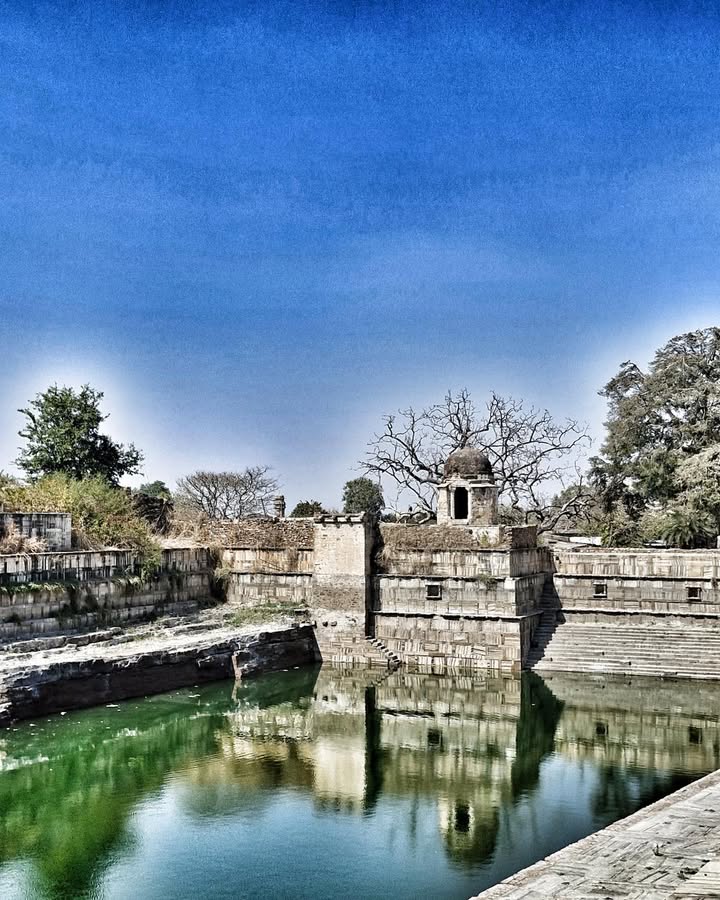
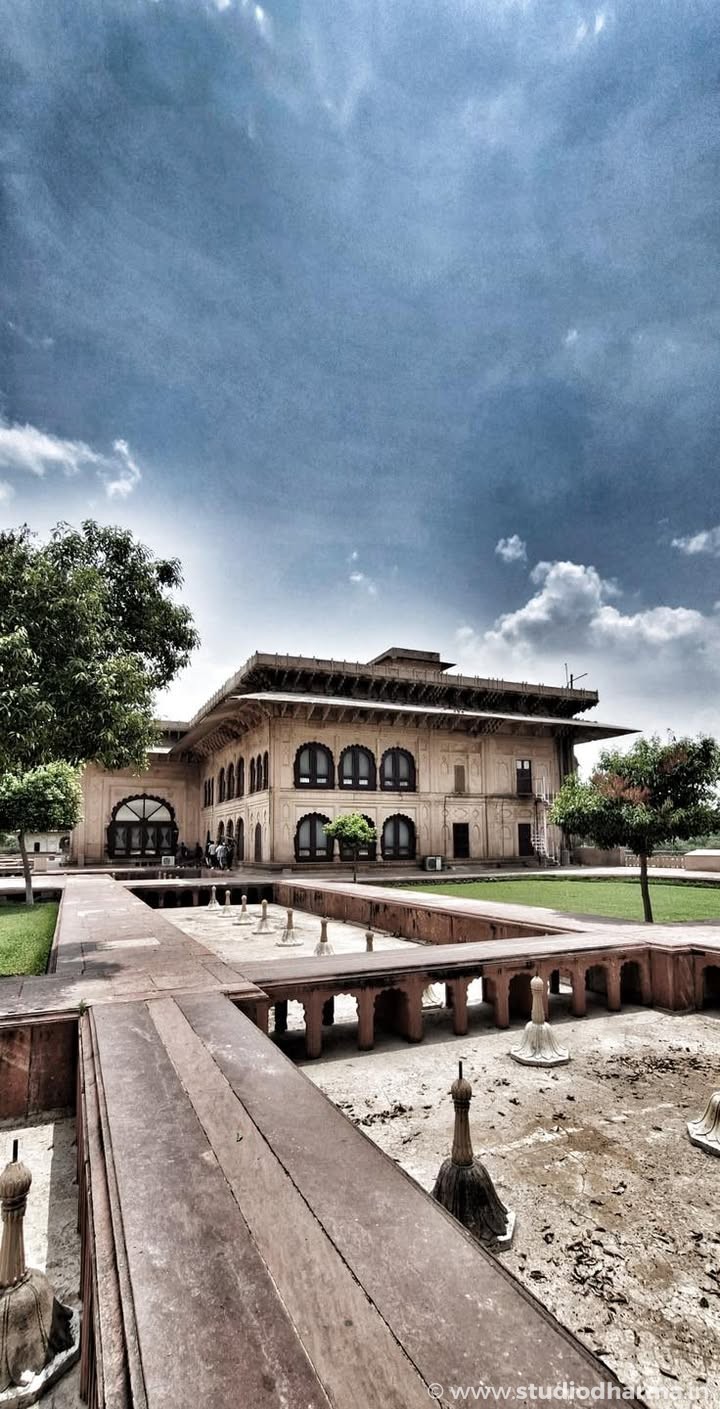
Situated on either side of the central Gopal Bhavan, these pavilions are part of an elaborate hydraulic network. Terracotta pipes from nearby reservoirs fed water features that produced the illusion of rain — an early example of sensory architecture. Their aesthetic appeal, combined with functional design, reflect a sophisticated understanding of comfort and climate.
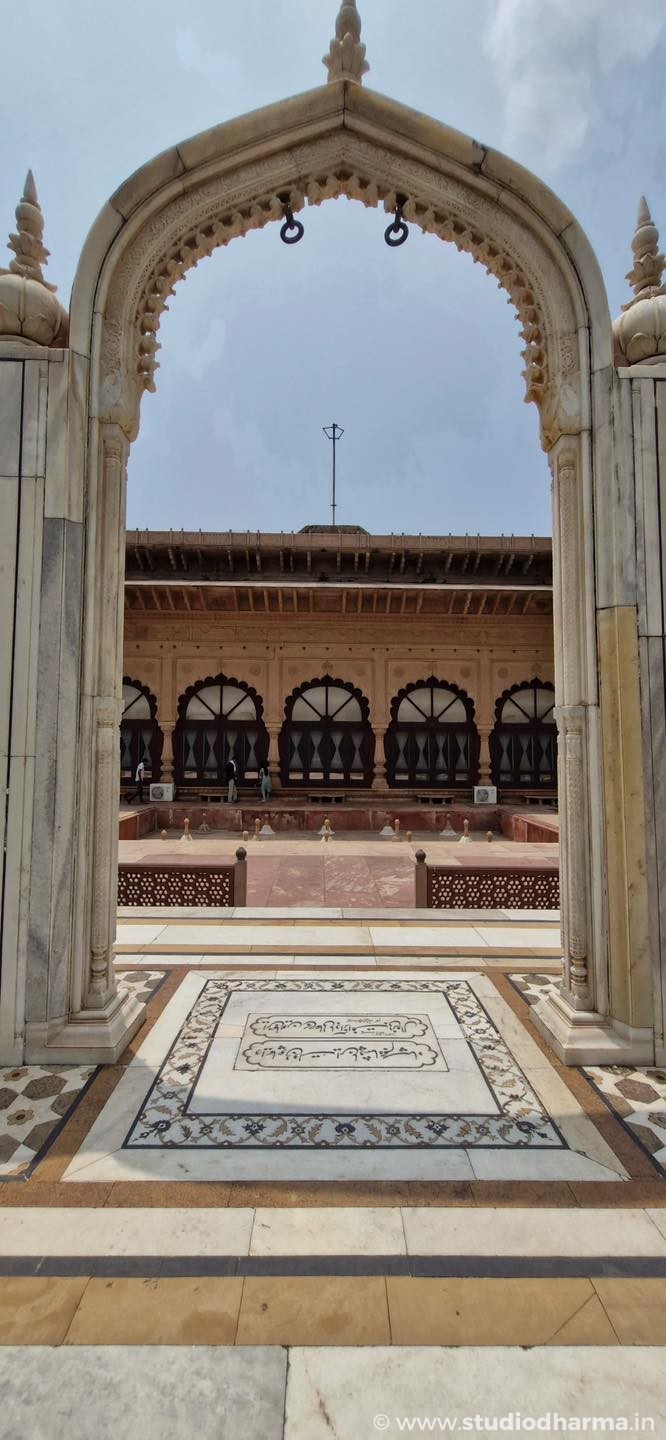
These structures were not just ornamental — they showcased the ingenuity of Jat architecture, blending Rajput and Mughal styles, and emphasized Deeg’s importance as a fortified administrative capital. Though the palace declined after Suraj Mal’s death in 1763, restoration efforts by the Archaeological Survey of India have helped preserve this monsoon-inspired wonder.
सावन और भादों भवन, डीग – जाट वास्तुकला का मानसूनी चमत्कार
राजस्थान के डीग पैलेस परिसर में स्थित सावन और भादों भवन 18वीं सदी की शुरुआत में भरतपुर राज्य के संस्थापक महाराजा बदन सिंह द्वारा बनवाए गए थे, और बाद में उनके उत्तराधिकारी महाराजा सूरजमल ने इन्हें और विकसित किया। इन भवनों के नाम हिन्दू पंचांग के मानसून महीनों सावन (जुलाई) और भादों (अगस्त) पर रखे गए हैं, जो इन्हें गर्मियों के विश्राम स्थल के रूप में उपयोग करने की परिकल्पना को दर्शाते हैं।
ये मंडप गोपाल भवन के दोनों ओर स्थित हैं और डीग महल की उन्नत जल प्रणाली का हिस्सा हैं। इनमें मिट्टी की पाइपों से जल प्रवाहित होता था, जिससे बारिश का भ्रम पैदा किया जाता था — यह एक अत्यंत परिष्कृत और अनुभवात्मक वास्तुकला का उदाहरण है। पालकी जैसी छतों और सजावटी कांटों से सुसज्जित ये भवन सुंदरता और तकनीकी कुशलता का संगम हैं।
ये भवन केवल सजावटी नहीं थे, बल्कि जाट वास्तुकला की चतुराई को दर्शाते हैं, जिसमें राजपूत और मुगल शैलियों का अनूठा समावेश है। डीग को जाट राजवंश की राजधानी के रूप में स्थापित करने में इनका बड़ा योगदान था। महाराजा सूरजमल की मृत्यु (1763) के बाद इसका प्रभाव कम हुआ, लेकिन भारतीय पुरातत्व सर्वेक्षण द्वारा किए गए संरक्षण कार्यों ने इन भवनों को आज भी जीवंत बनाए रखा है।
.1