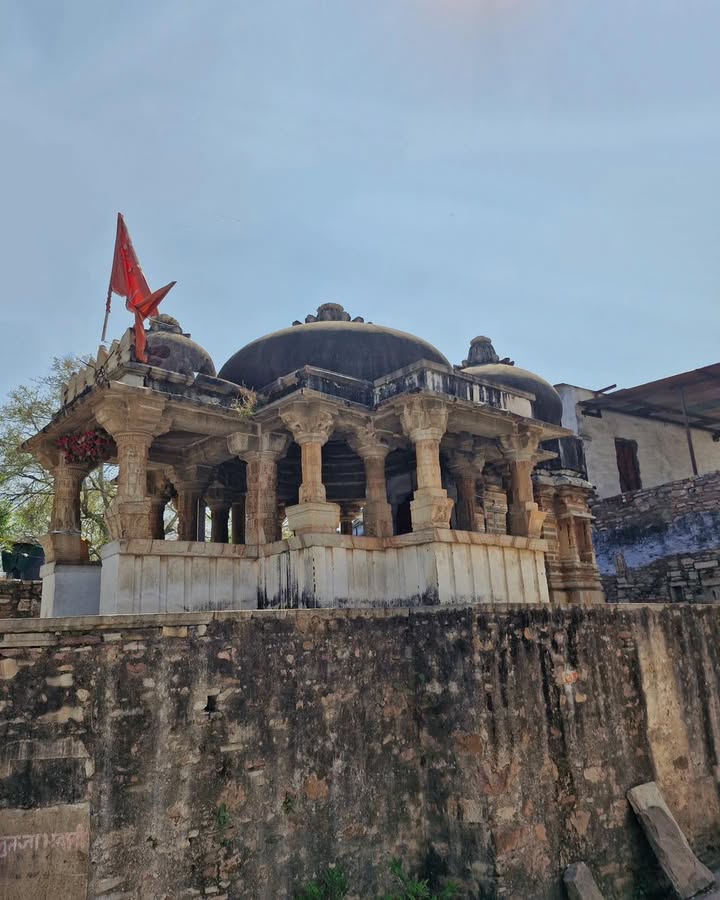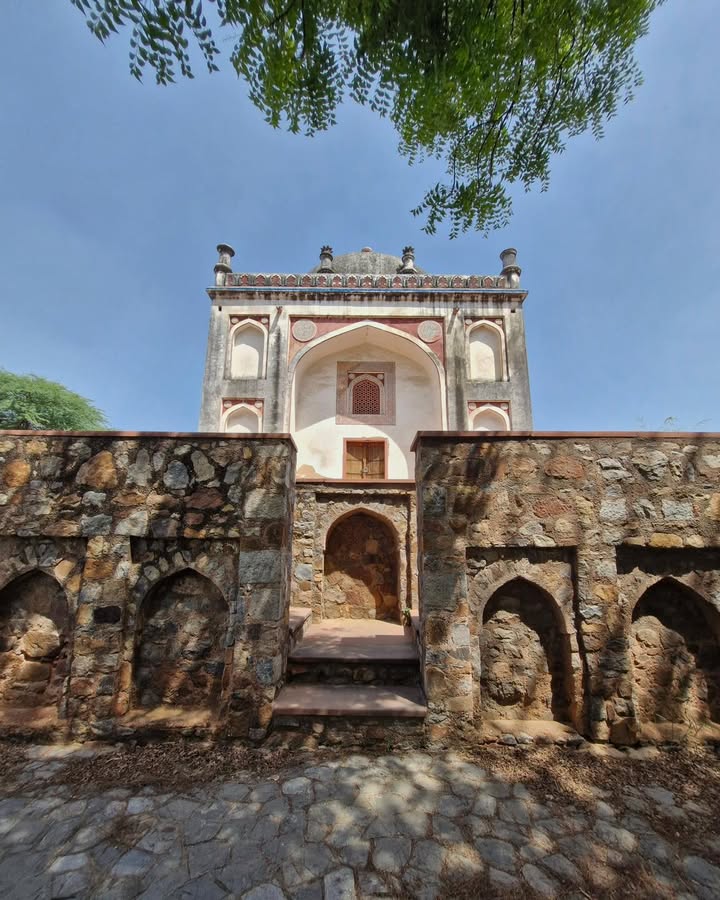
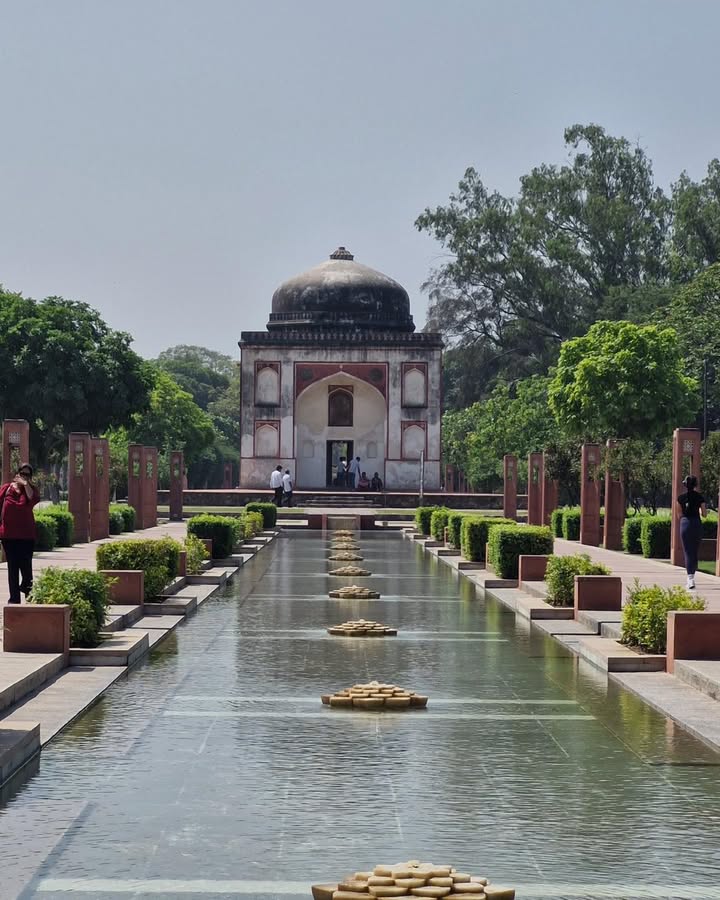
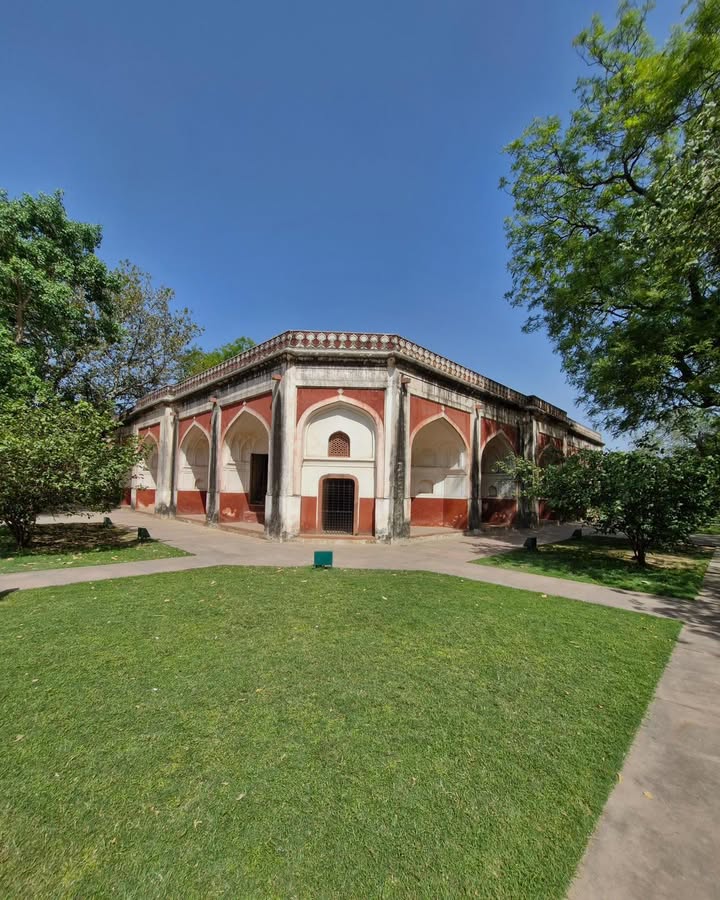

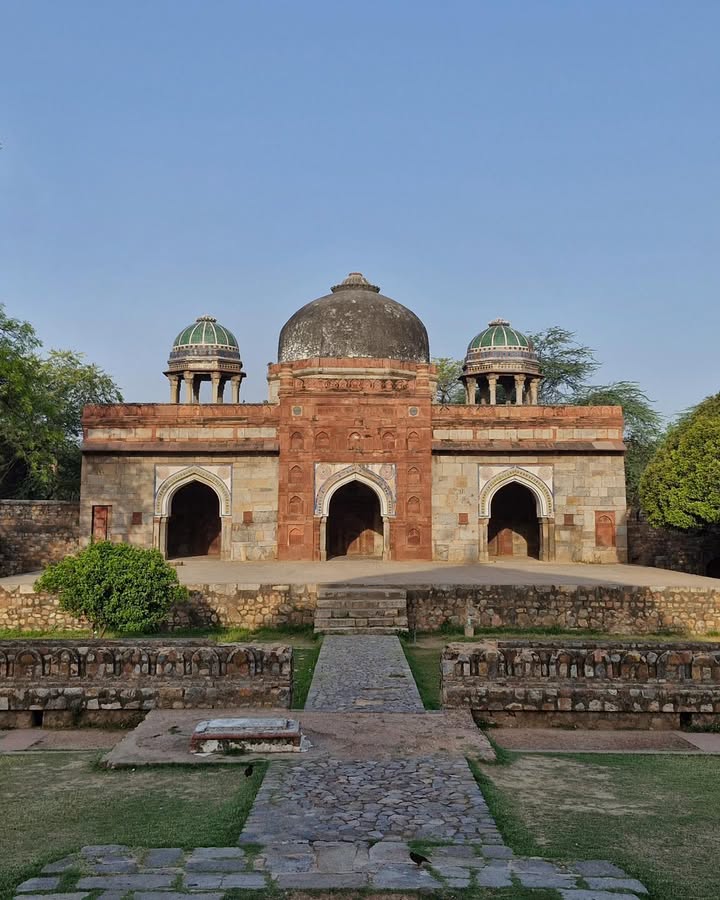












अकबरी मस्जिद, अजमेर – भक्ति और वास्तुकला का प्रतीक अकबरी मस्जिद, अजमेर की दर्गाह शरीफ़ परिसर में स्थित, मुगल सम्राट अकबर द्वारा 1571 ईस्वी में बनवाई गई थी। उन्होंने इसे अपने पुत्र सलीम (भविष्य में सम्राट जहाँगीर) के जन्म पर ख्वाजा मुइनुद्दीन चिश्ती से मन्नत पूरी होने की खुशी में समर्पित किया था। यह मस्जिद शाहजहानी गेट और बुलंद दरवाज़ा के बीच स्थित है और लाल बलुआ पत्थर से बनी हुई है, जिसमें हरे और सफेद संगमरमर की सजावट इसे एक विशिष्ट मुगल शैली प्रदान करती है। इसका मुख्य प्रार्थना हॉल सादगीपूर्ण
अकबरी मस्जिद, अजमेर – भक्ति और वास्तुकला का प्रतीक
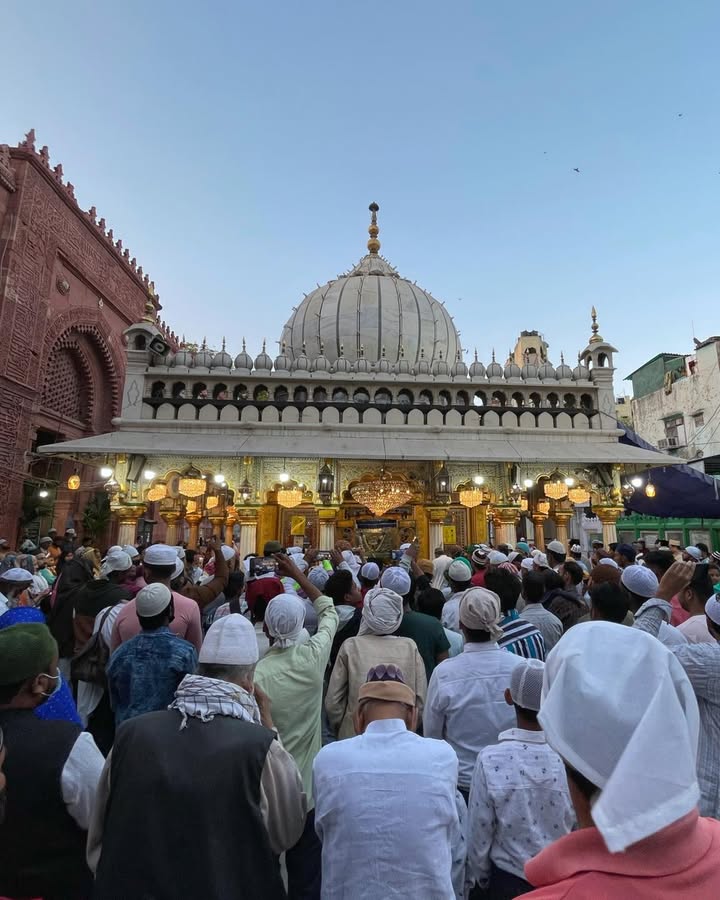
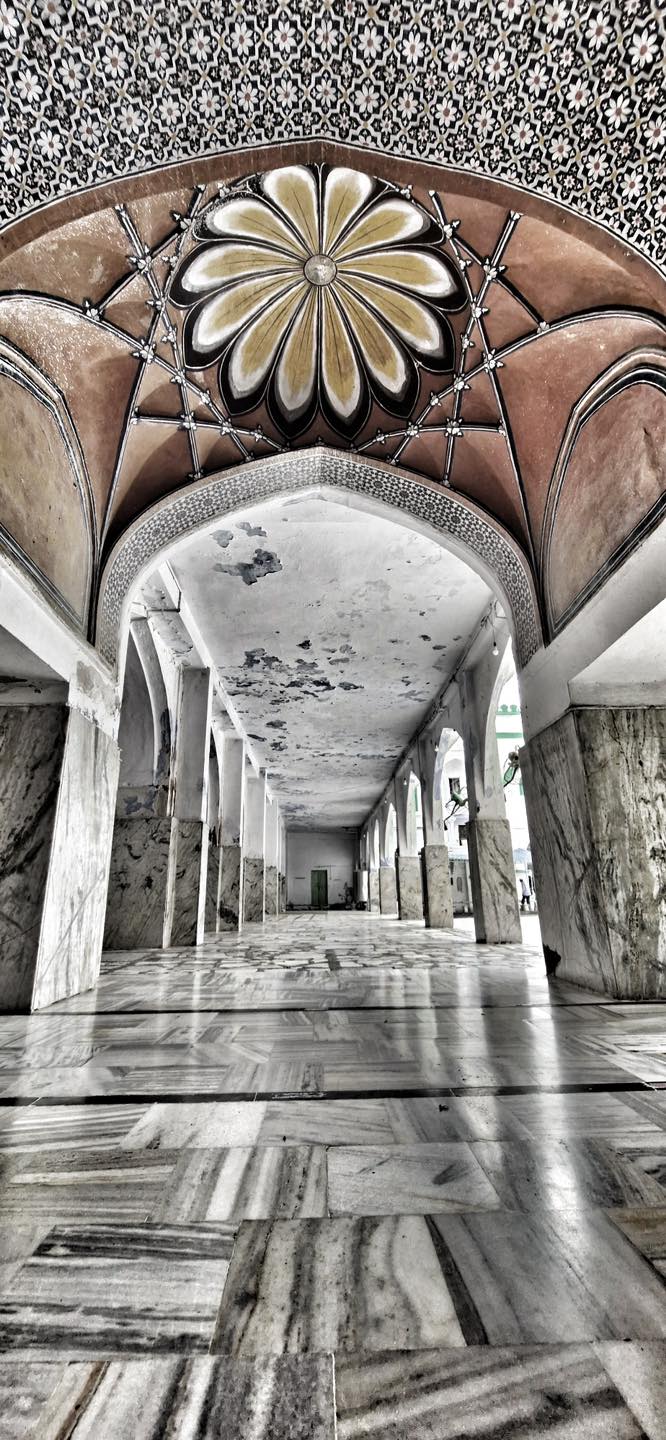
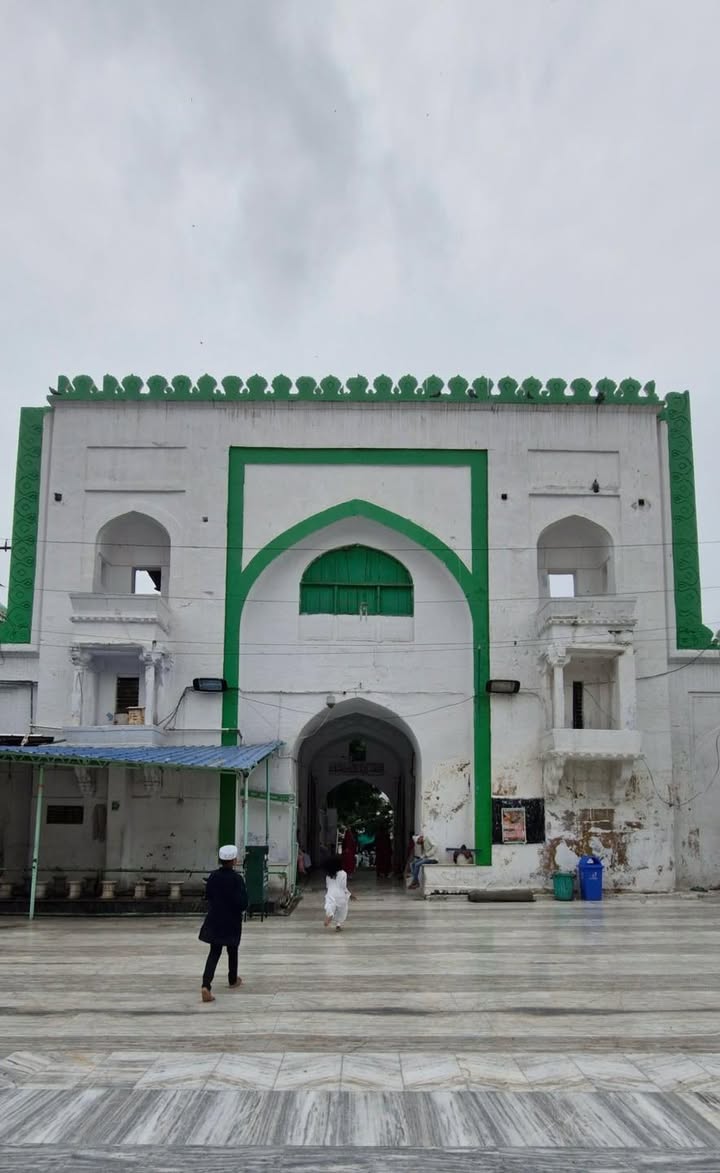
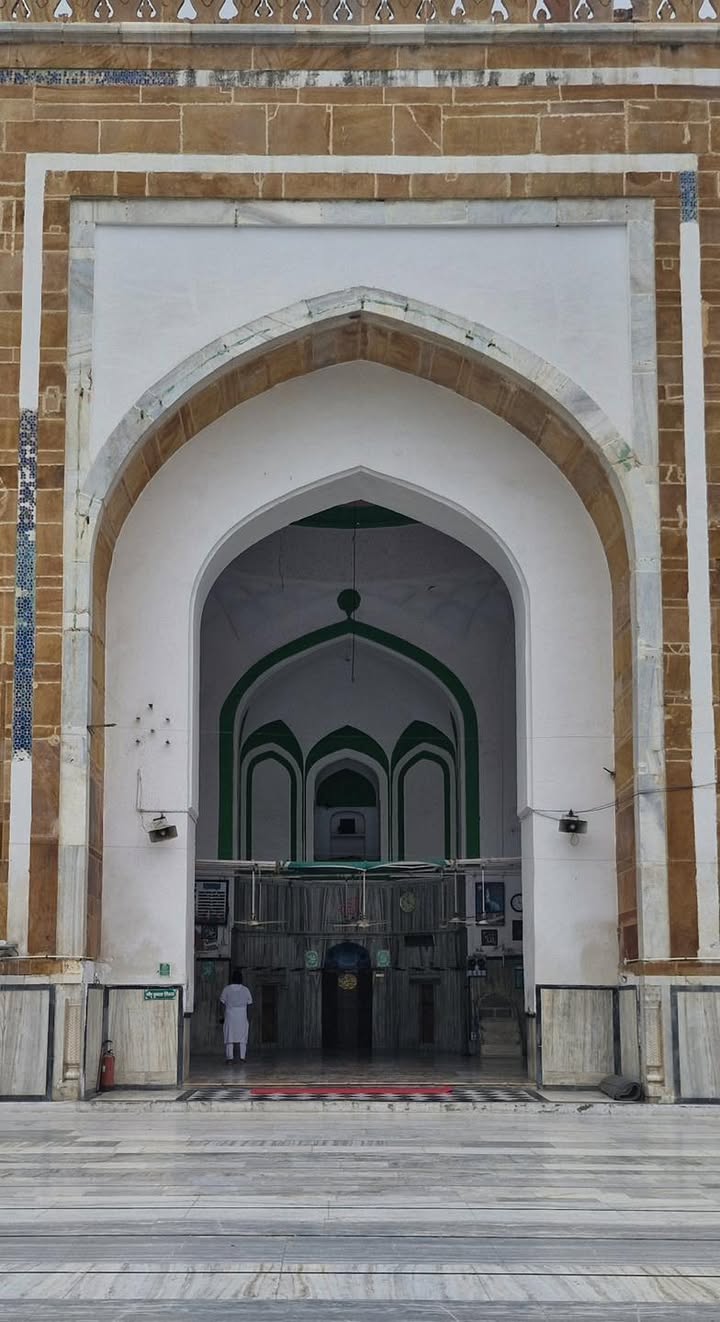
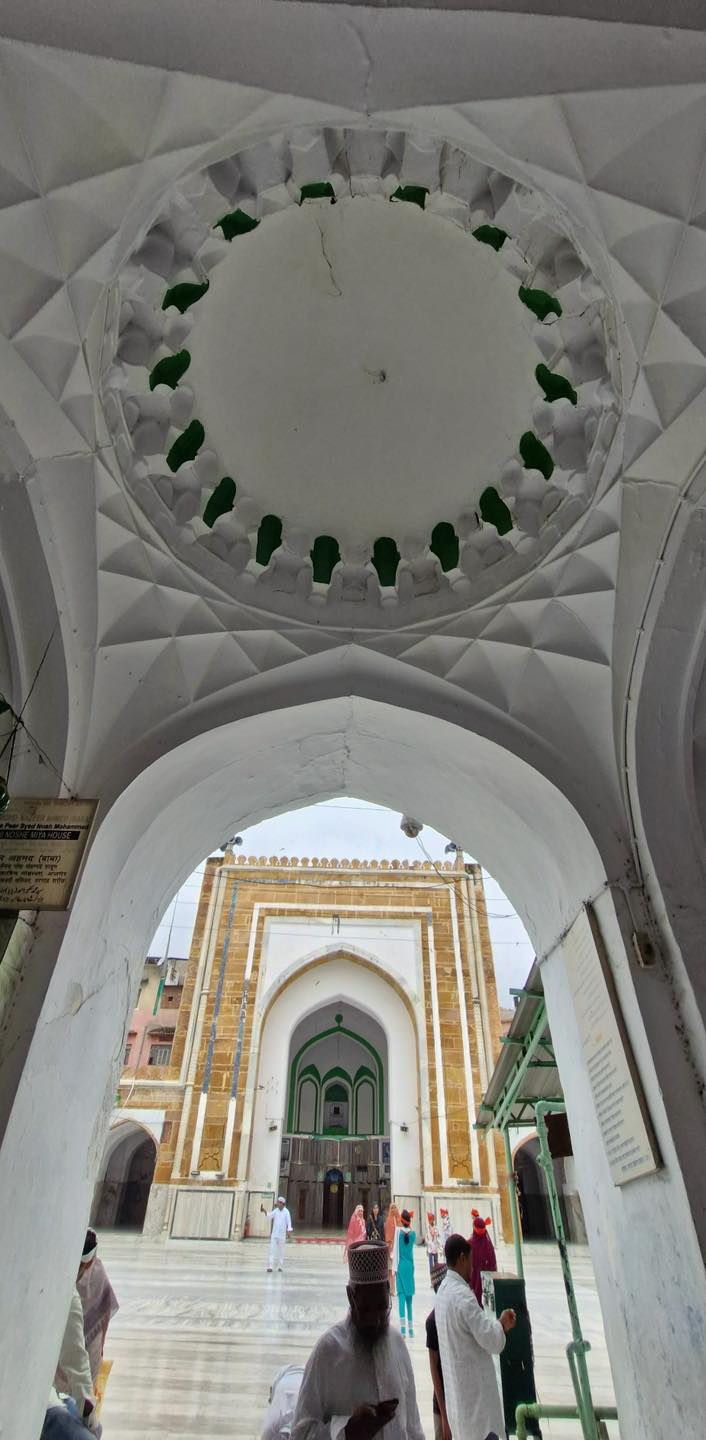
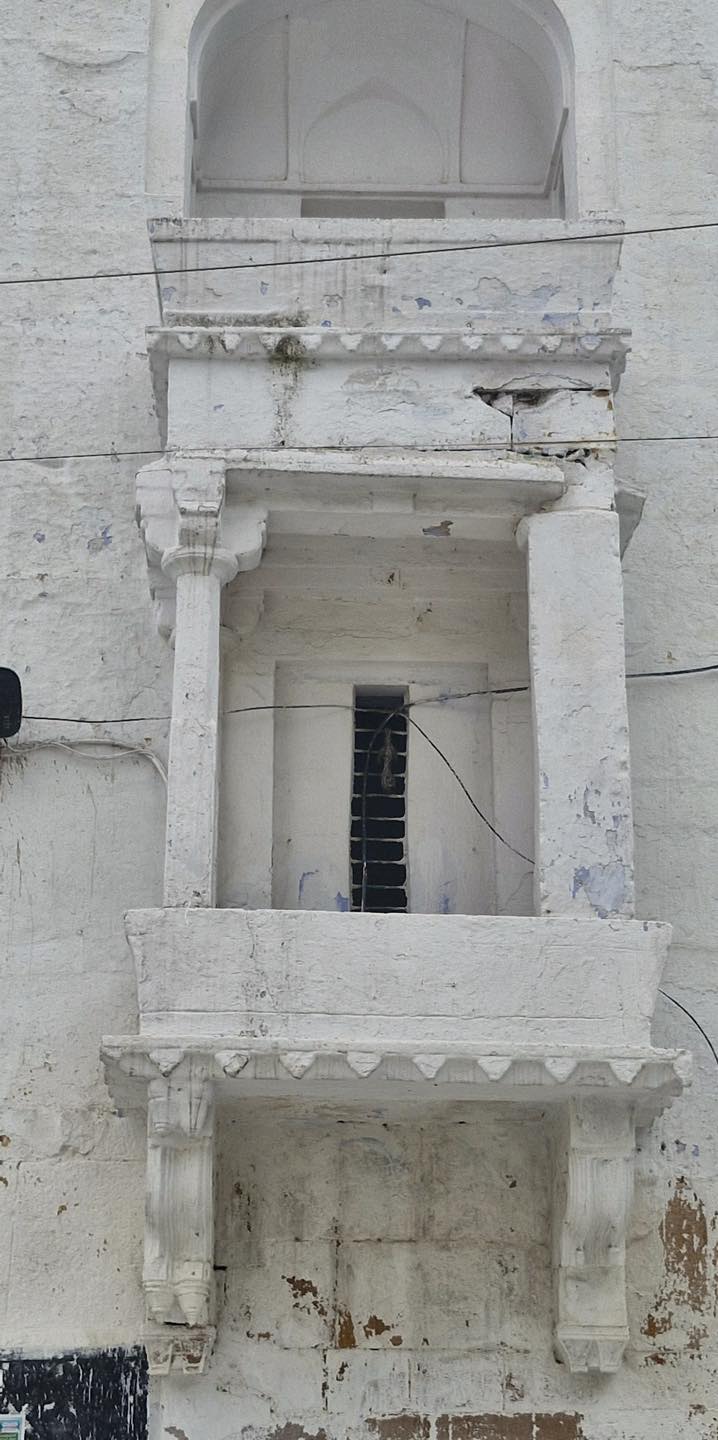
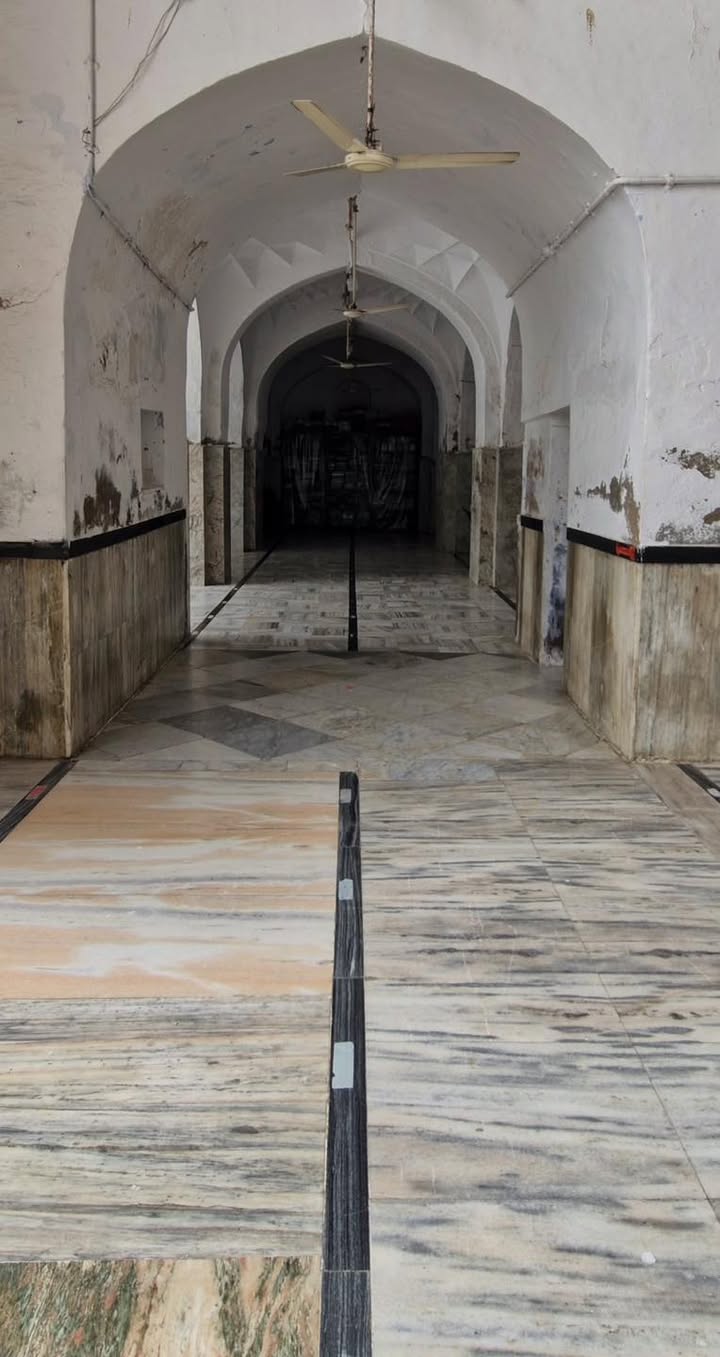
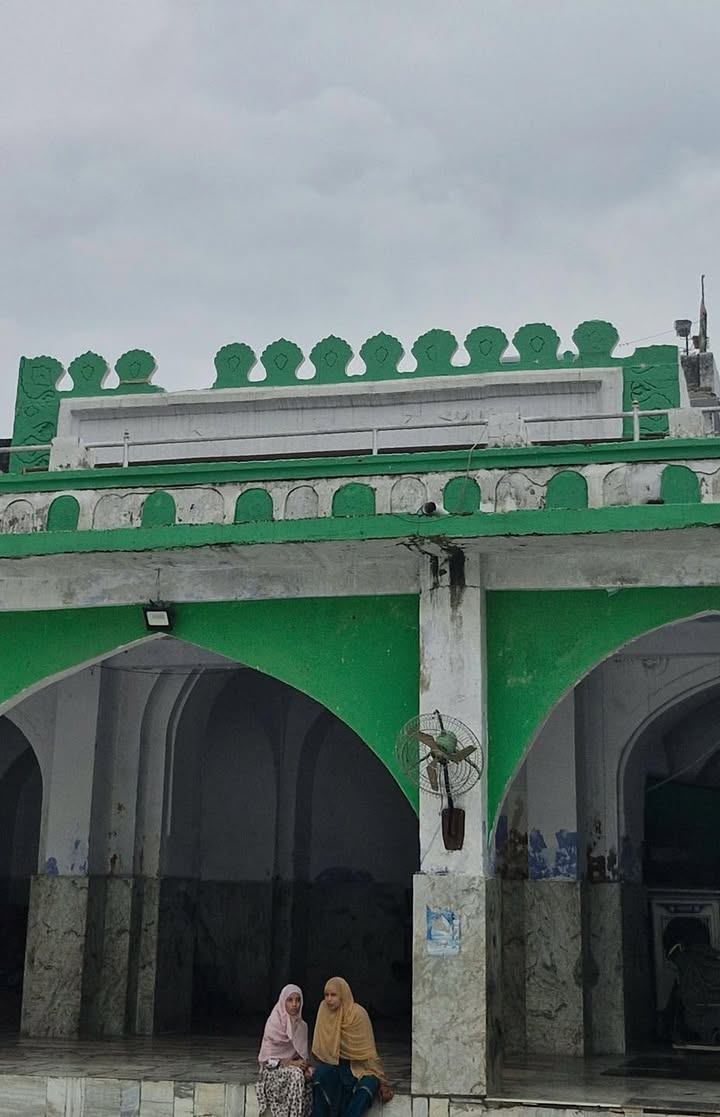
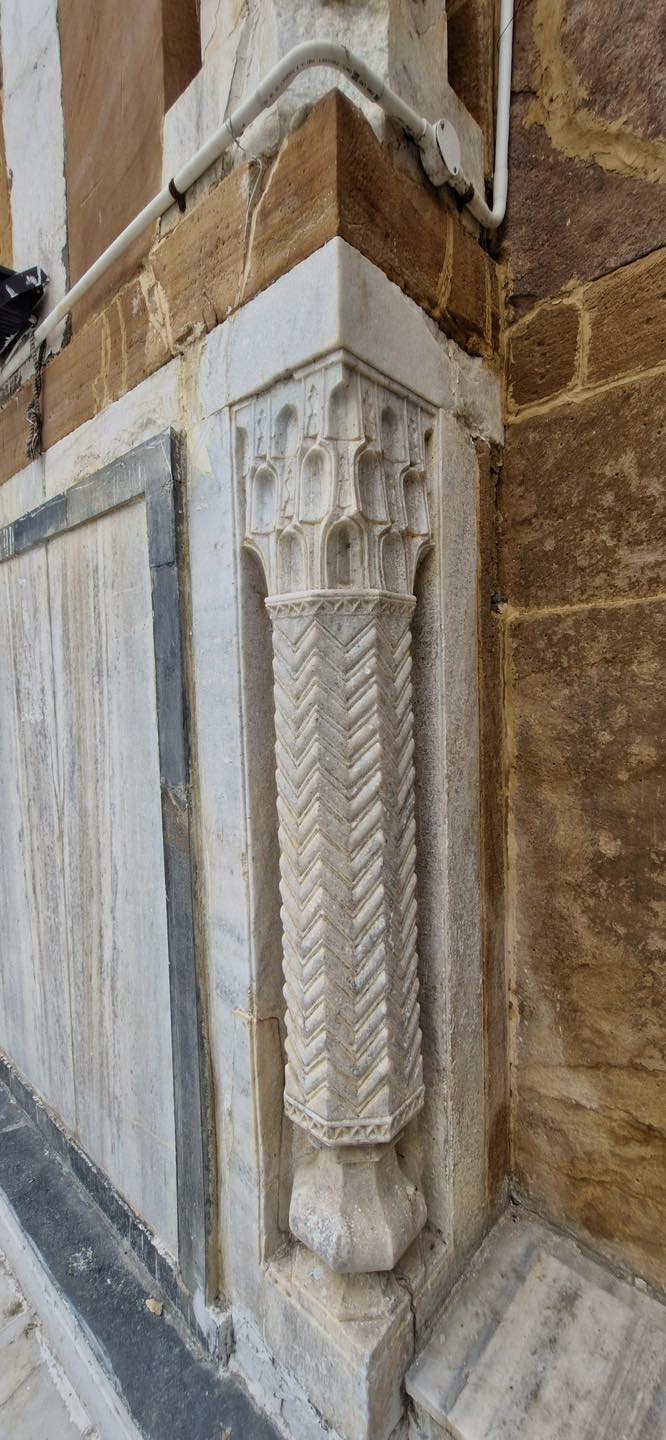
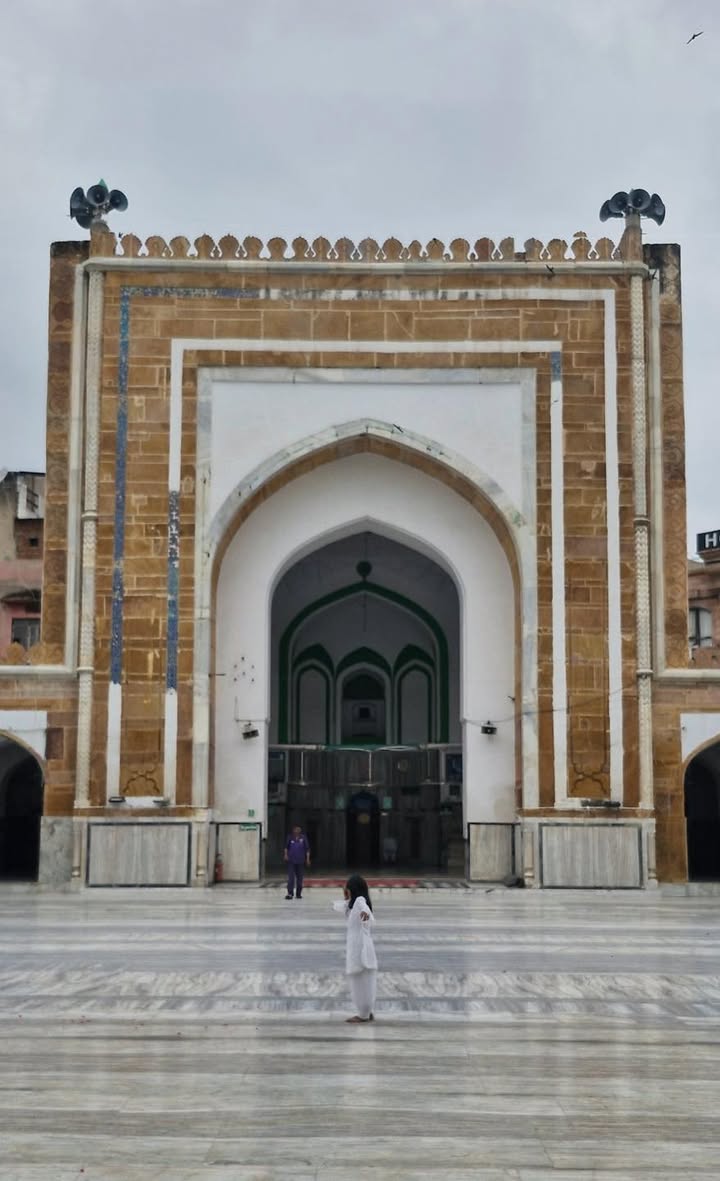
अकबरी मस्जिद, अजमेर की दर्गाह शरीफ़ परिसर में स्थित, मुगल सम्राट अकबर द्वारा 1571 ईस्वी में बनवाई गई थी। उन्होंने इसे अपने पुत्र सलीम (भविष्य में सम्राट जहाँगीर) के जन्म पर ख्वाजा मुइनुद्दीन चिश्ती से मन्नत पूरी होने की खुशी में समर्पित किया था। यह मस्जिद शाहजहानी गेट और बुलंद दरवाज़ा के बीच स्थित है और लाल बलुआ पत्थर से बनी हुई है, जिसमें हरे और सफेद संगमरमर की सजावट इसे एक विशिष्ट मुगल शैली प्रदान करती है।
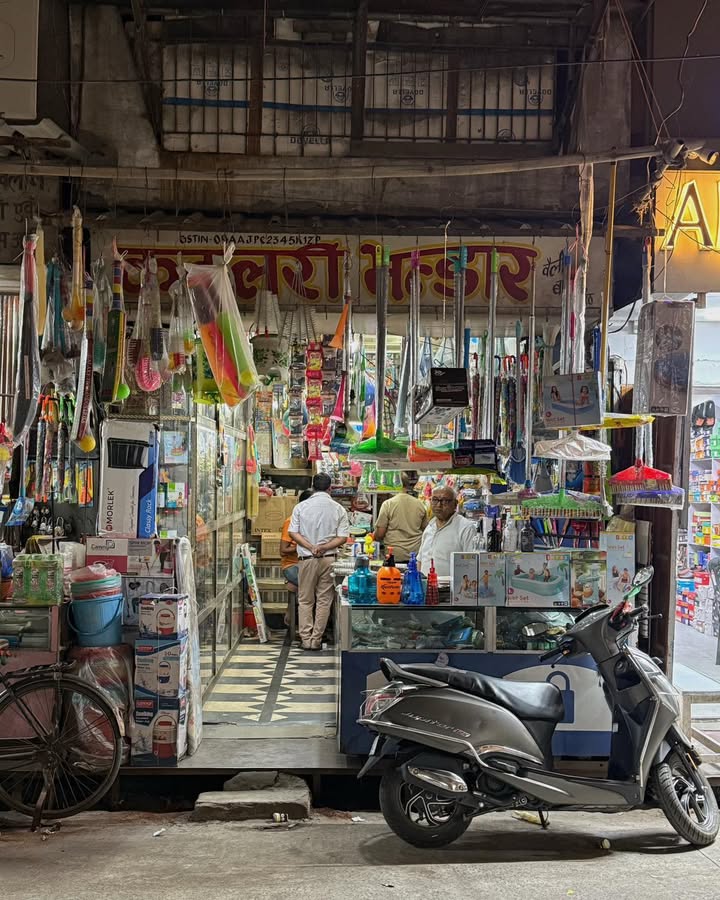
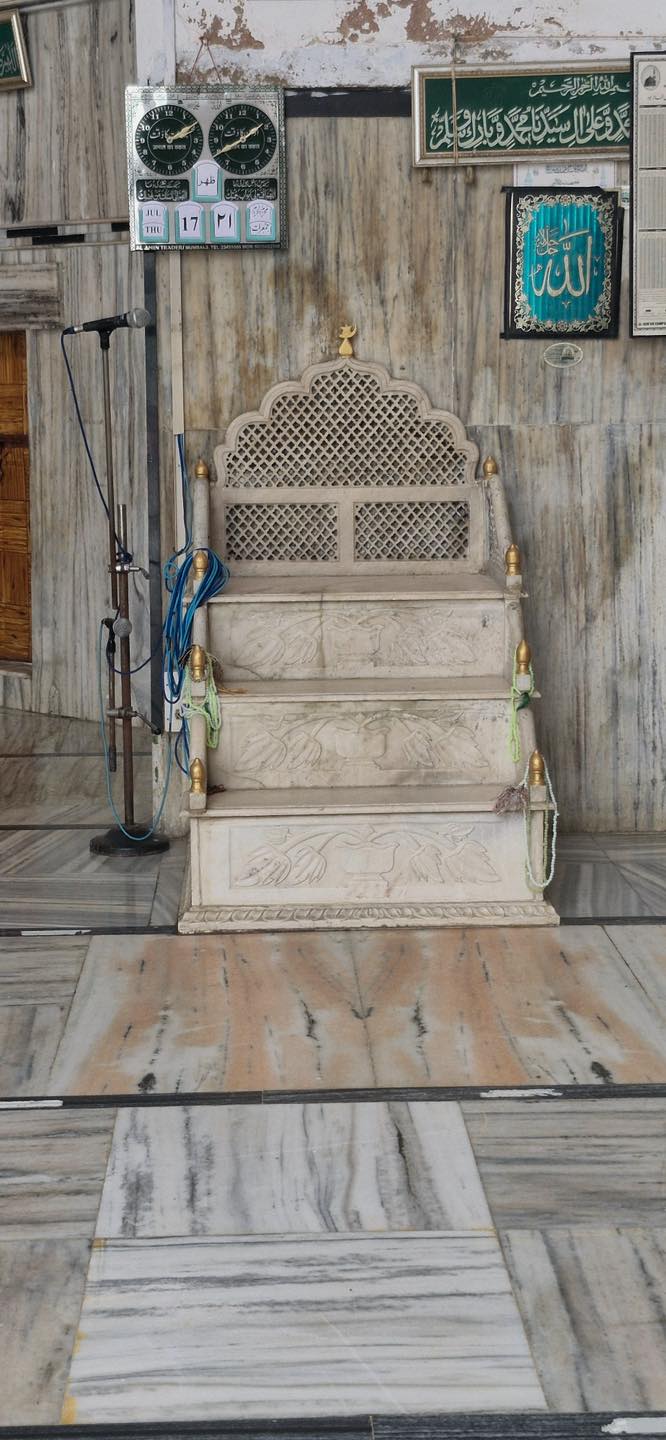
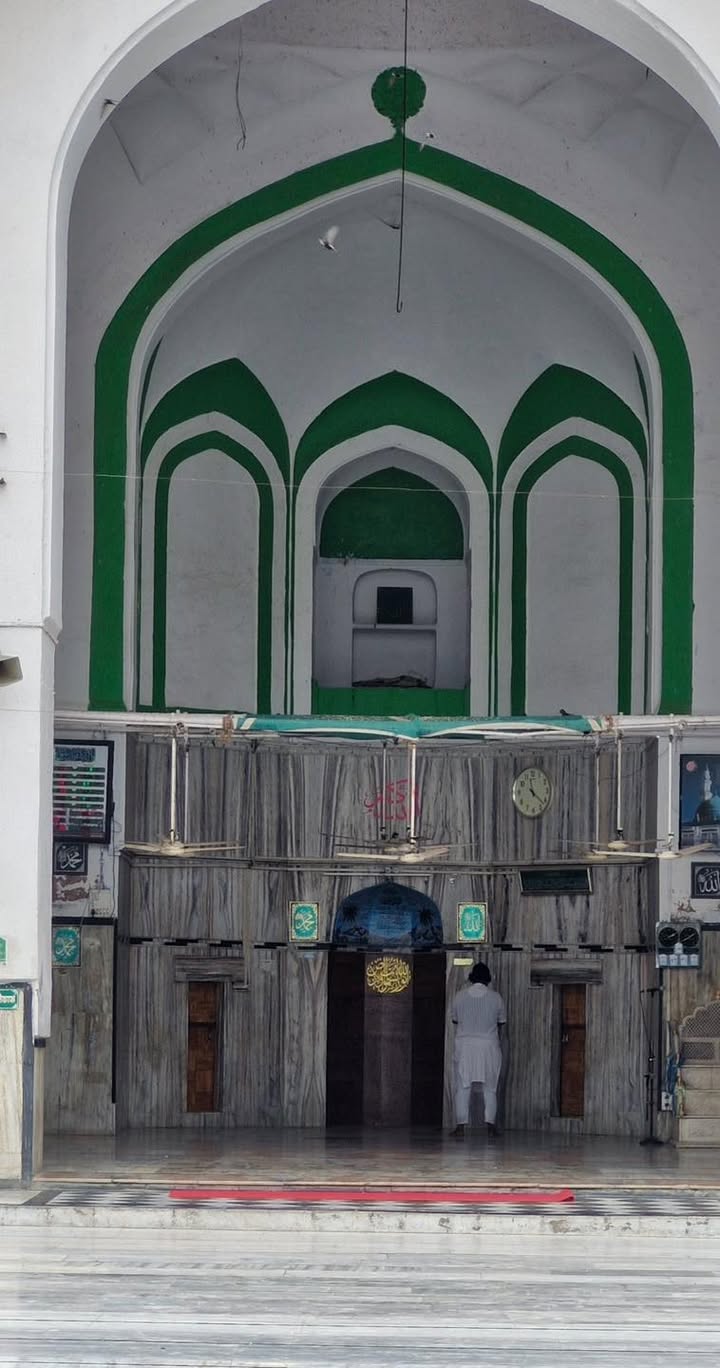
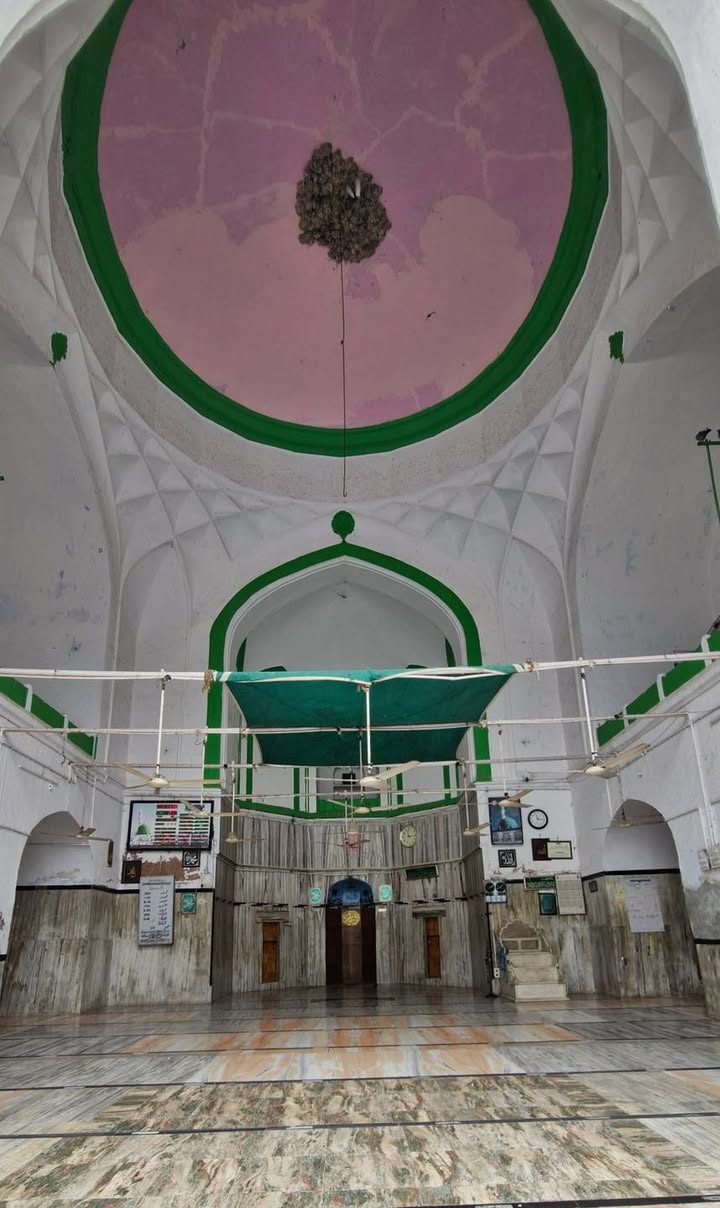
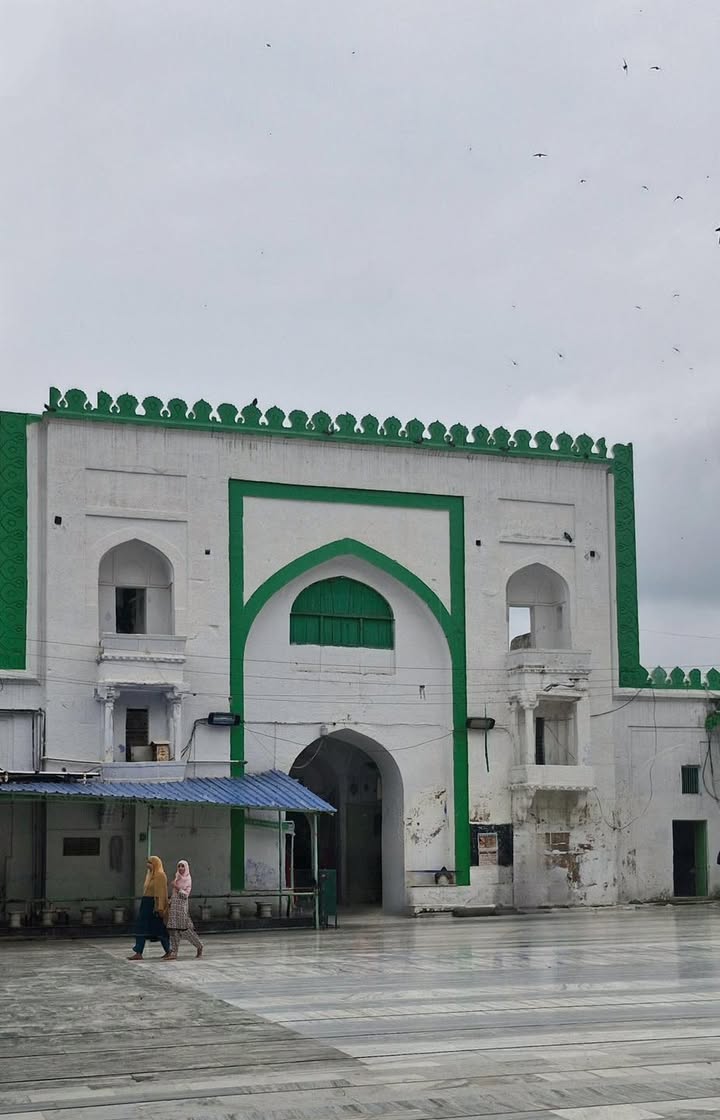
इसका मुख्य प्रार्थना हॉल सादगीपूर्ण परंतु शांत वातावरण वाला है, जहाँ मुगल और स्थानीय राजस्थानी वास्तुकला का सुंदर मेल देखने को मिलता है। मस्जिद का आंगन मेहराबदार दरवाज़ों से खुलता है, जो एक ध्यानमग्न और भक्तिमय वातावरण रचता है। परिसर में स्थित छोटी-छोटी दुकानें पूजा सामग्री बेचती हैं, जो यहाँ आने वाले श्रद्धालुओं की आवश्यकताओं की पूर्ति करती हैं।
आज भी यह मस्जिद सक्रिय रूप से धार्मिक क्रियाओं के लिए उपयोग में लाई जाती है। यहाँ आने वाले आगंतुकों से शालीन पोशाक और विनम्र आचरण की अपेक्षा की जाती है। अगर आप इस ऐतिहासिक धरोहर को गहराई से समझना चाहते हैं तो मार्गदर्शक की सहायता लेना उपयोगी रहेगा।
स्टूडियोधर्मा की नई Coffee Table Book — “ITIHASNAMA”
यह खूबसूरत किताब मेरठ की 25 ऐतिहासिक धरोहरों पर आधारित है। इसकी कीमत ₹3999 है और इसे आप ऑनलाइन लिंक से ऑर्डर कर सकते हैं:
Akbari Masjid, Ajmer – A Tribute of Devotion and Architectural Elegance.
The Akbari Masjid in Ajmer, located within the sacred Dargah Sharif complex, was built in 1571 CE by the Mughal Emperor Akbar. It was his offering of gratitude after the birth of his son, Prince Salim (later Emperor Jahangir), a wish fulfilled following his prayers at the shrine of Khwaja Moinuddin Chishti. Positioned between the Shahjahani Gate and the Buland Darwaza, the mosque is constructed primarily of red sandstone with accents of green and white marble, characteristic of refined Mughal design.
The main prayer hall is modest yet peaceful, reflecting a harmonious blend of Mughal and Rajasthani architectural elements. The courtyard opens through arched entrances into a tranquil space where devotees can pray and reflect. Within the complex, small stalls offer items for worship, creating a living devotional environment.
To this day, the mosque remains an active place of worship. Visitors are encouraged to dress modestly and conduct themselves respectfully. For those seeking a deeper understanding of its heritage, guided tours provide valuable historical and architectural insights.
StudioDharma’s New Coffee Table Book — “ITIHASNAMA”
A collector’s treasure on 25 forgotten heritage sites of Meerut. Now available at ₹3999. Order it online here:
.1