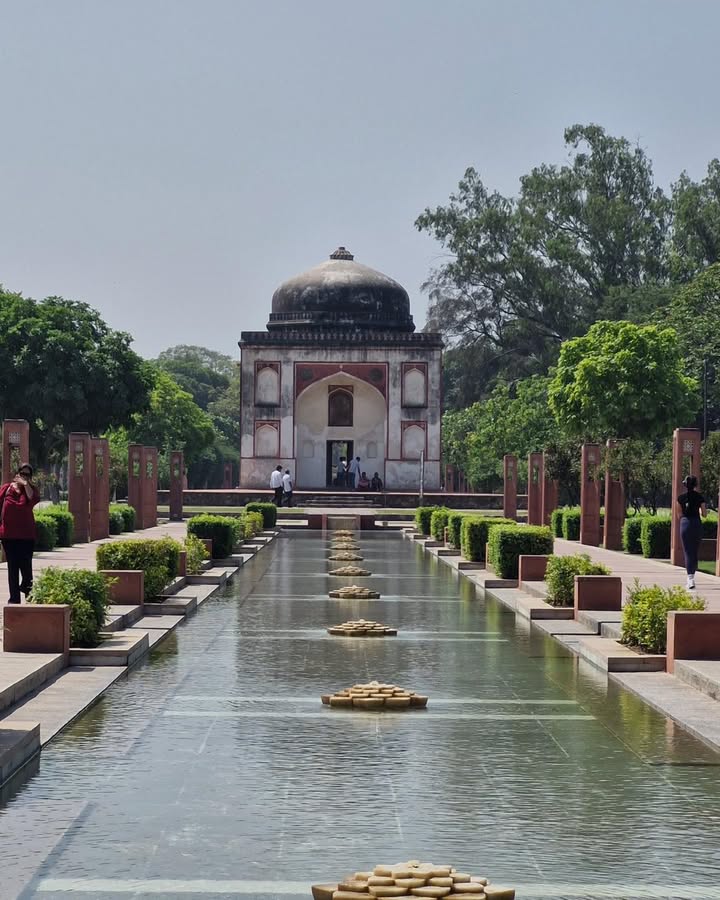
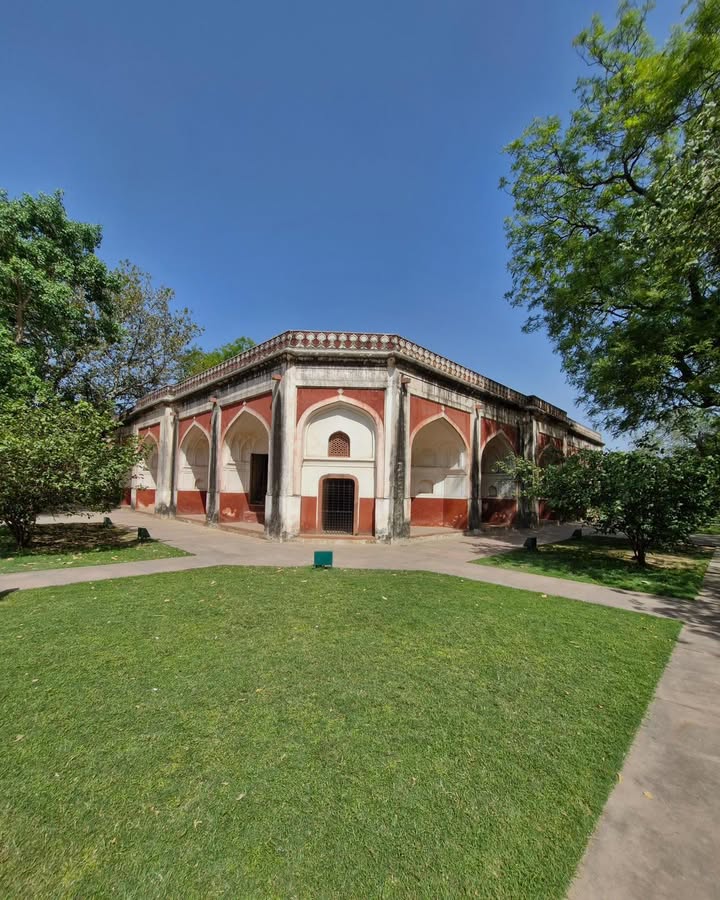
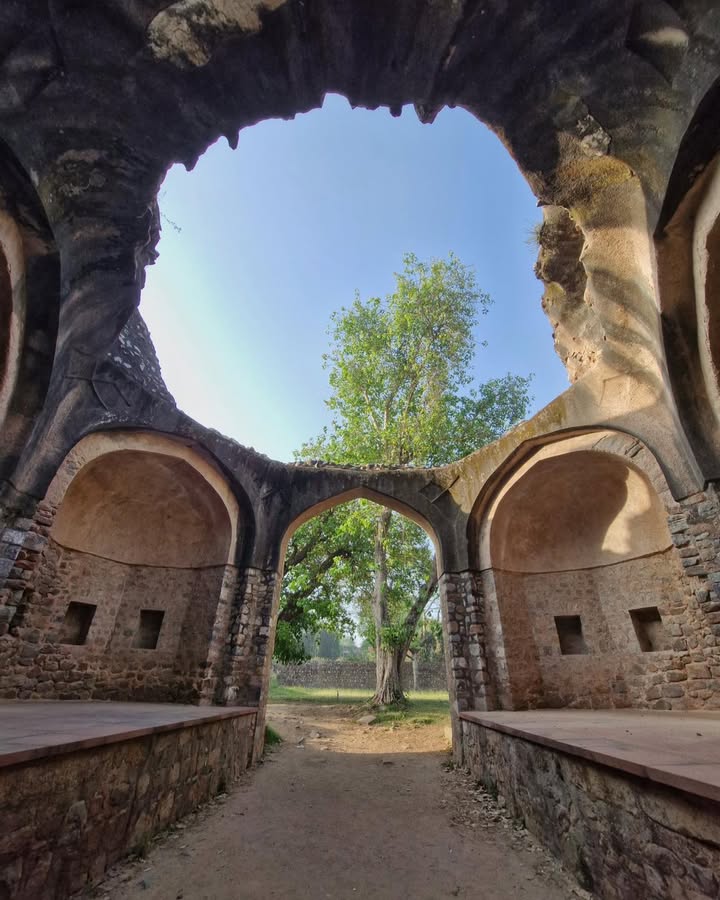
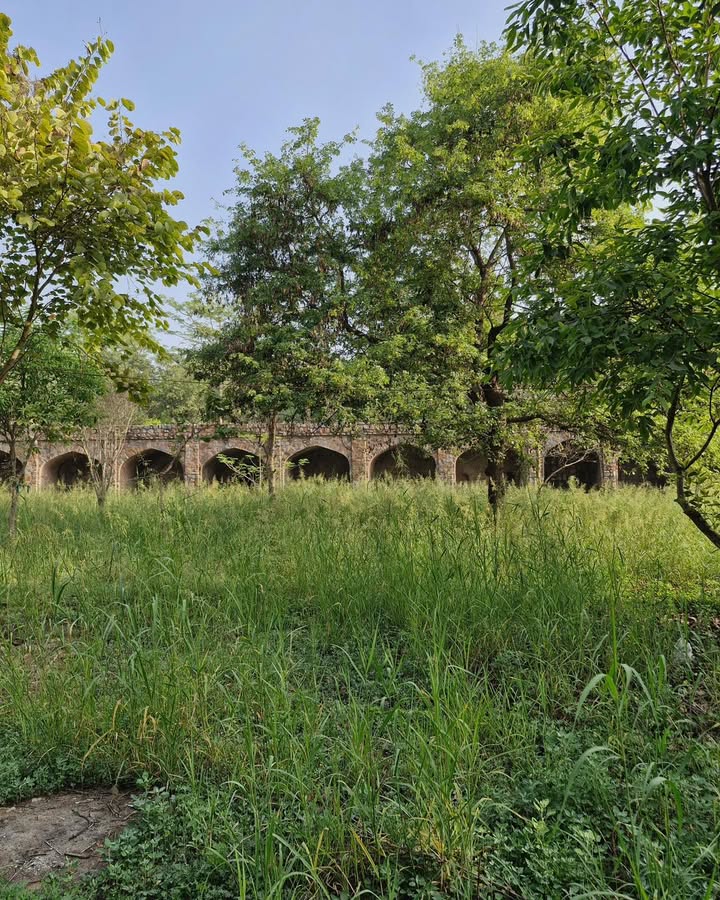
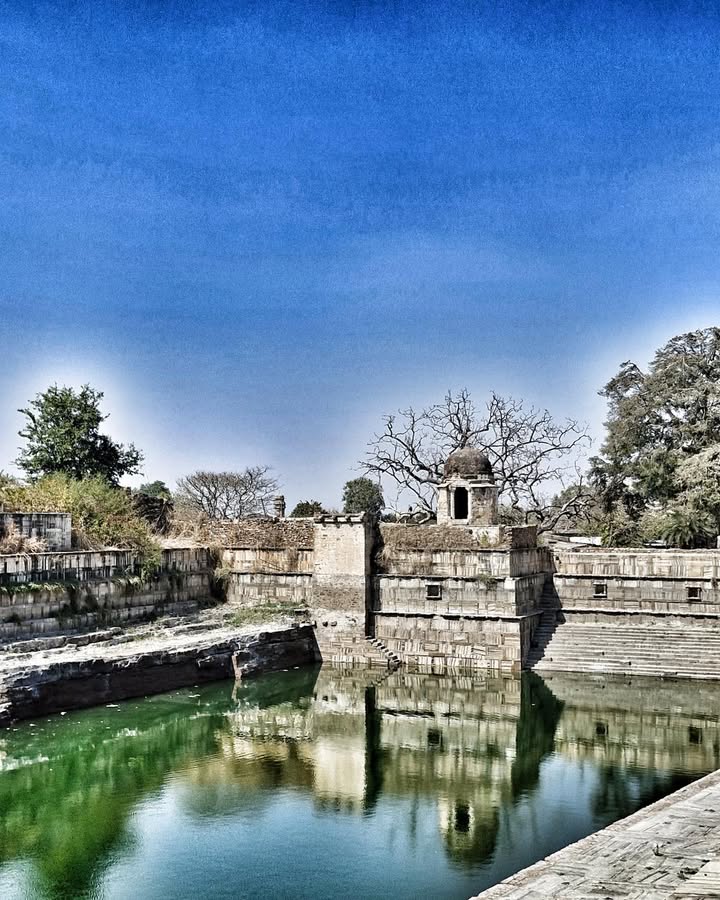

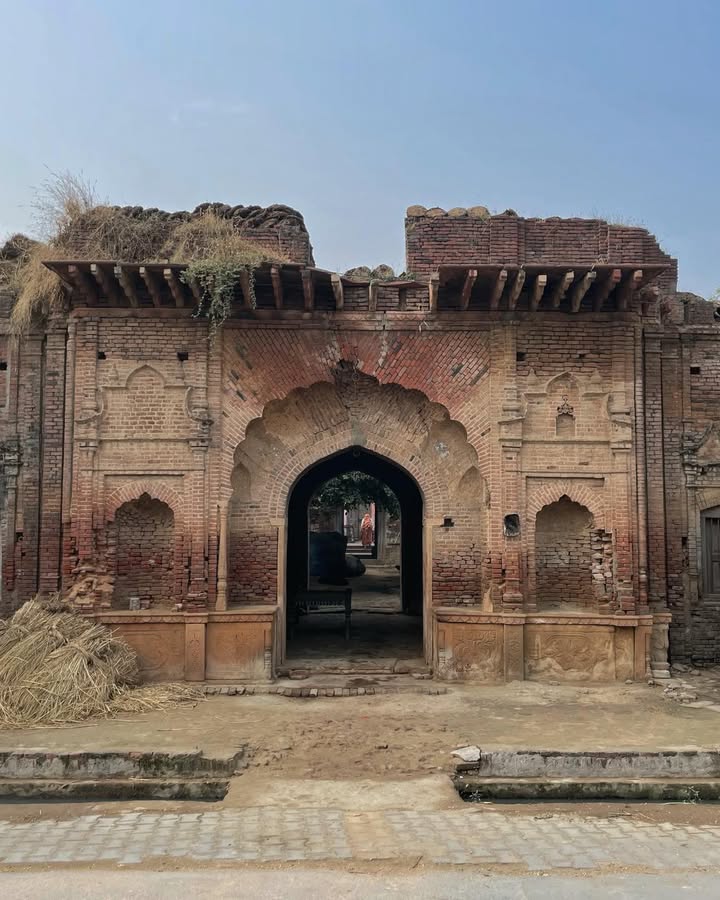














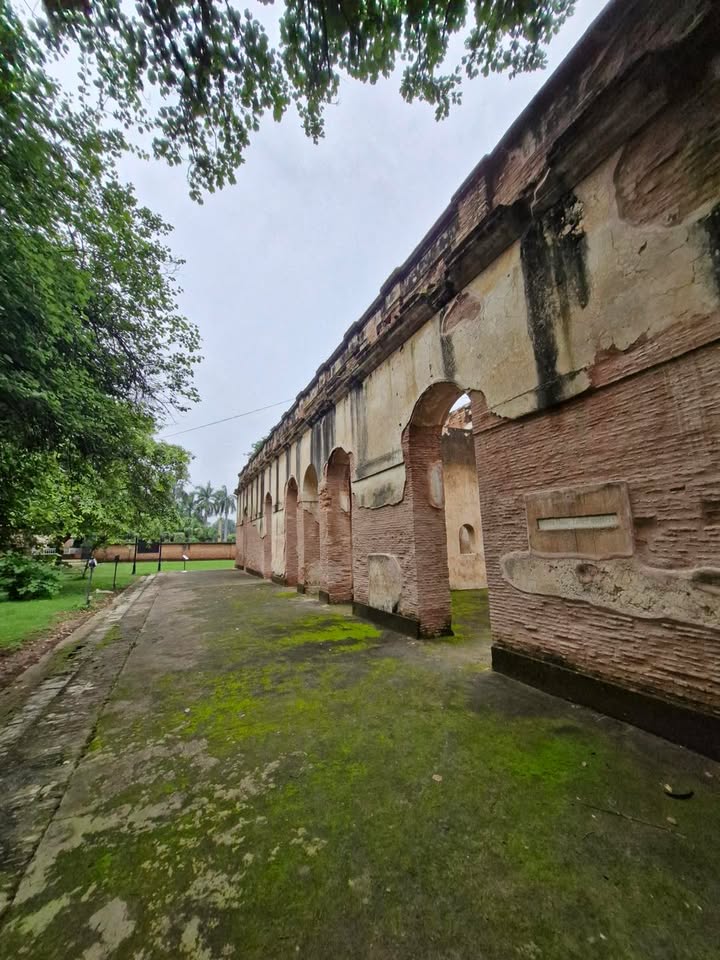
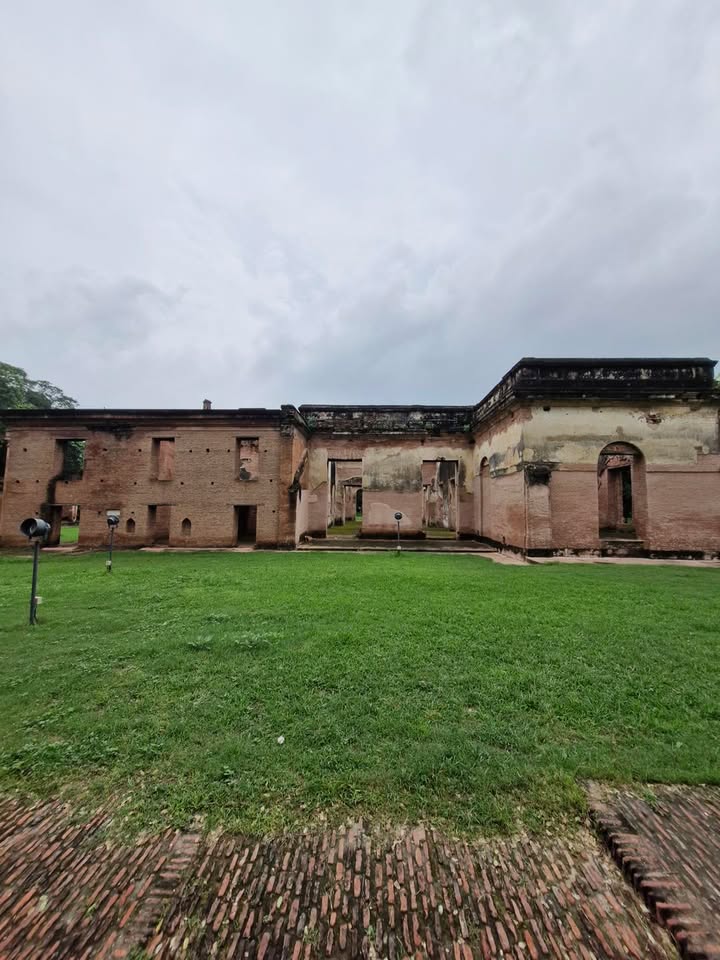
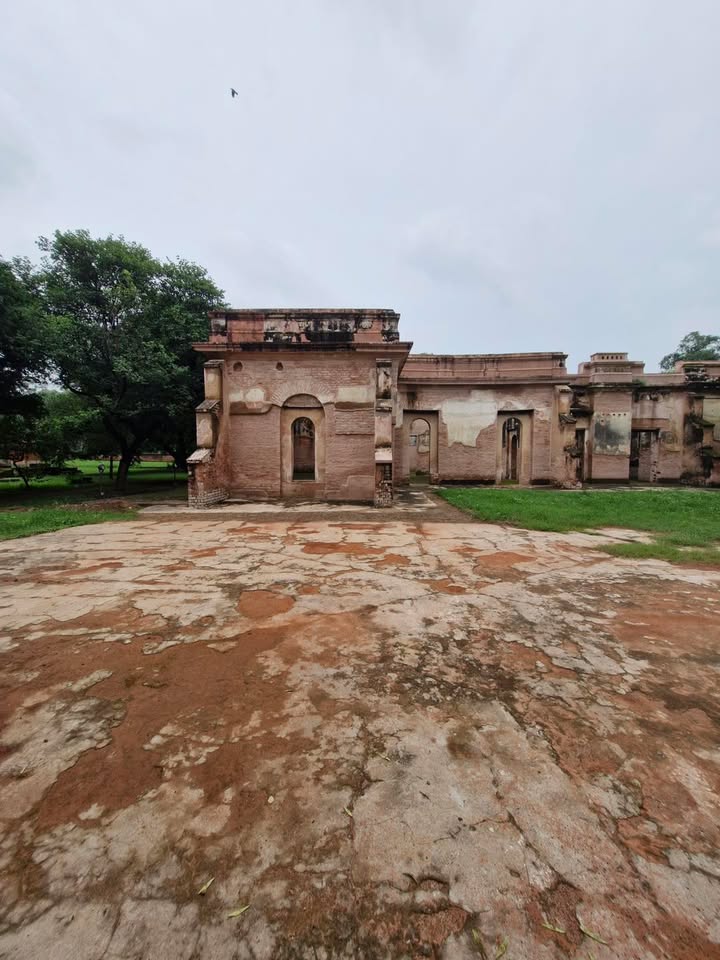
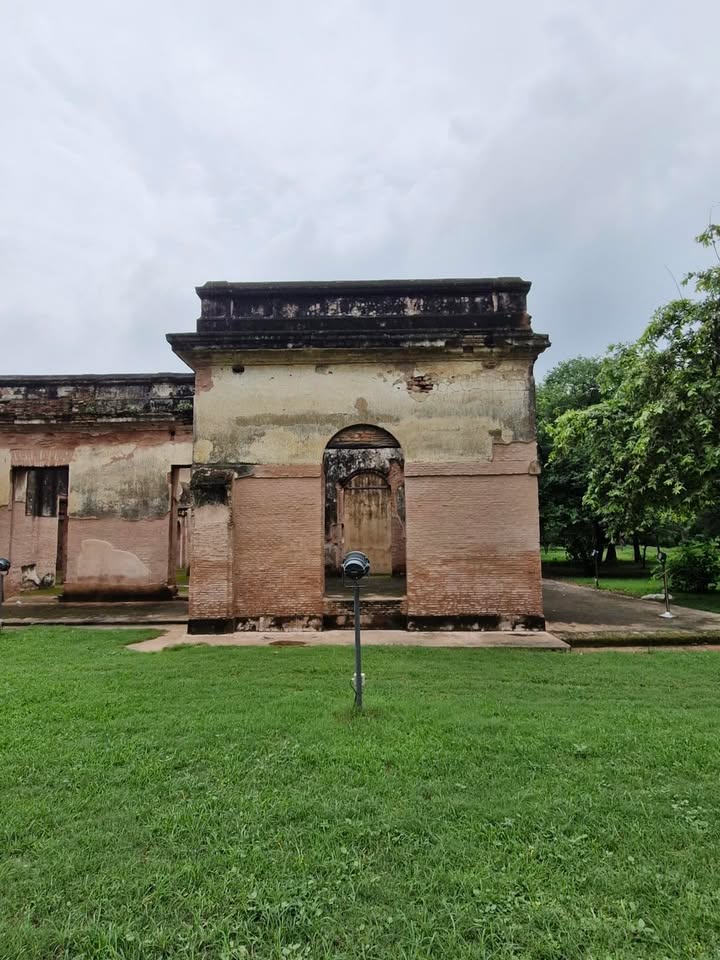
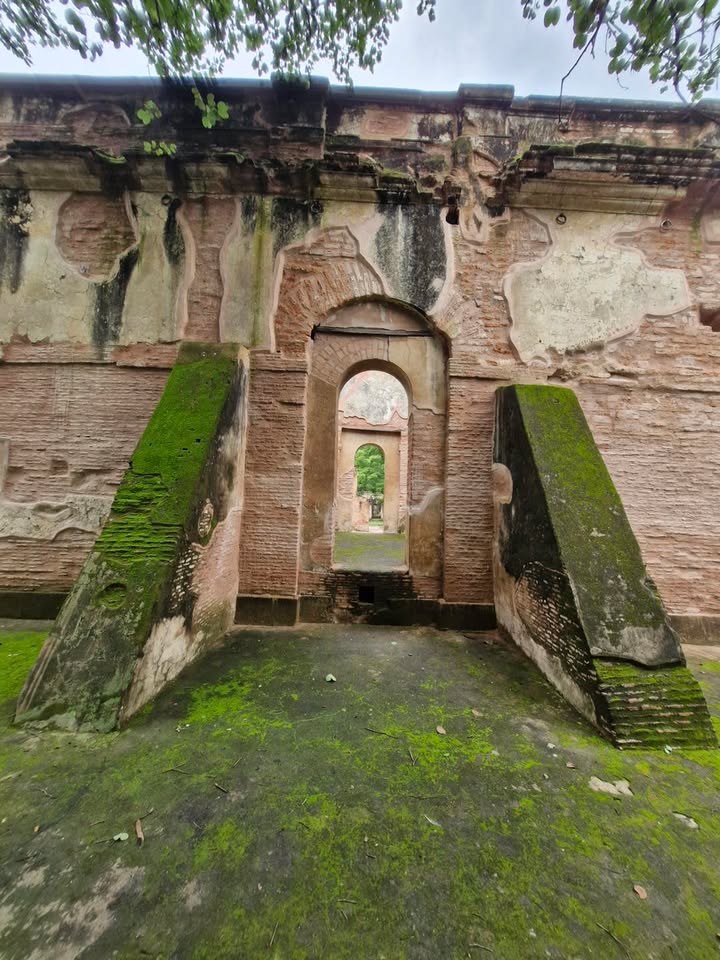
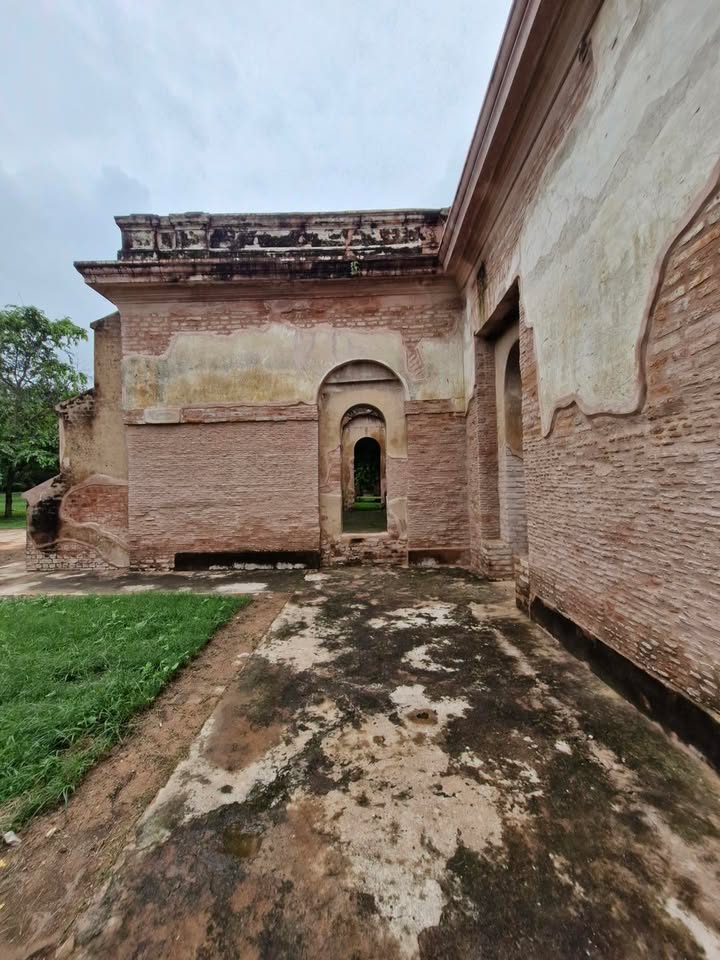
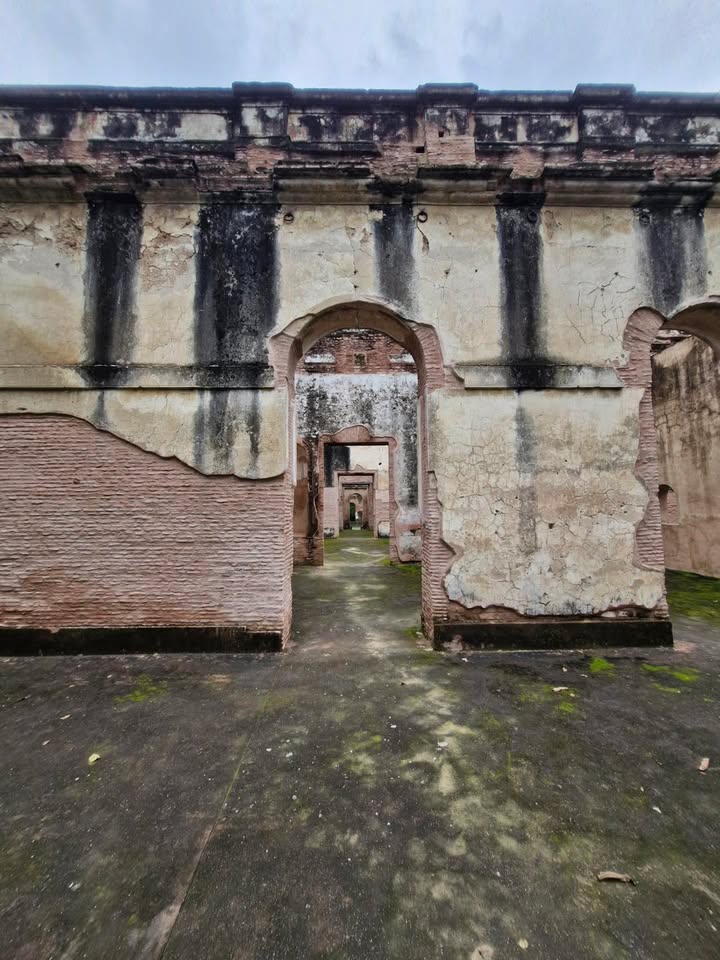
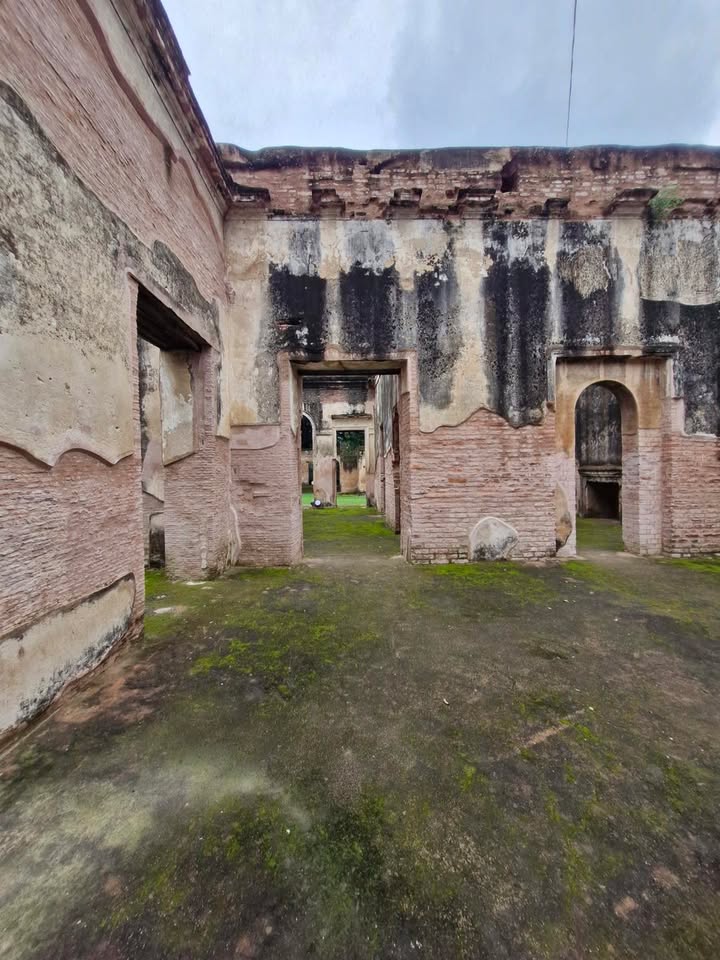
──── ༣ Begum Kothi: The Silent Fortress of Resistance ༣ ──── In the quiet heart of Lucknow, inside the historic Residency complex, stands a structure whose stones have witnessed royalty, upheaval, and rebellion — Begum Kothi.
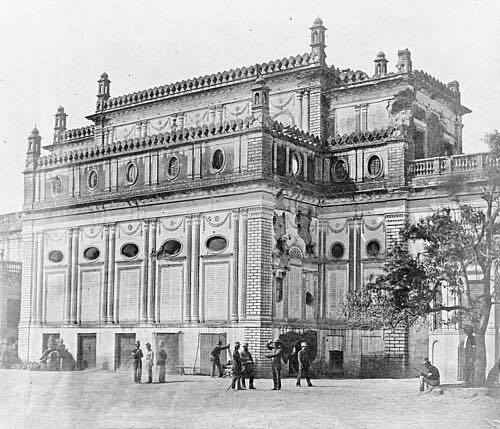
──── ༣ Begum Kothi: The Silent Fortress of Resistance ༣ ────
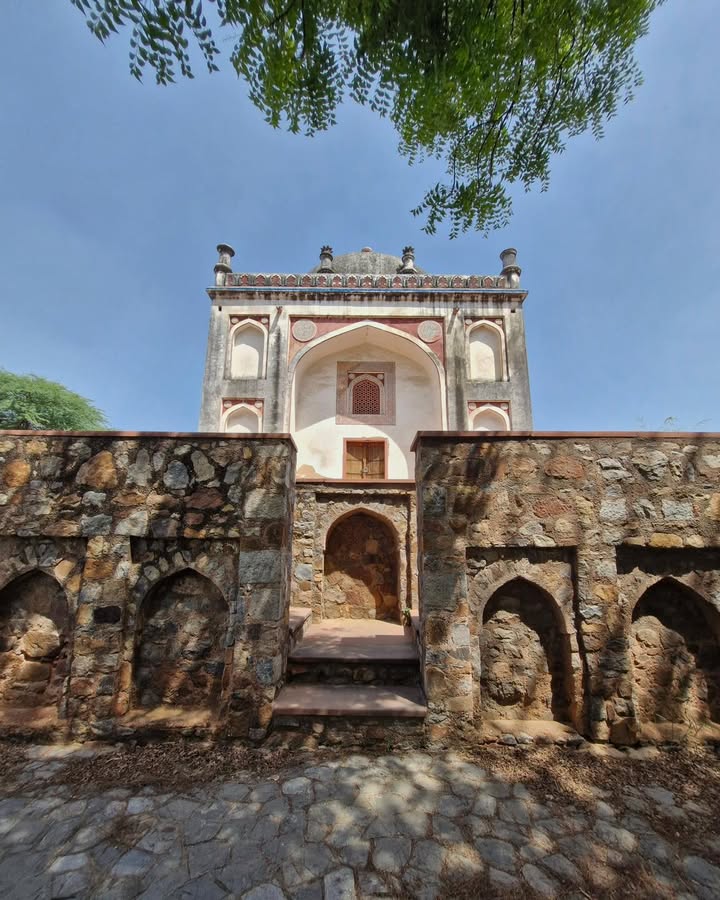
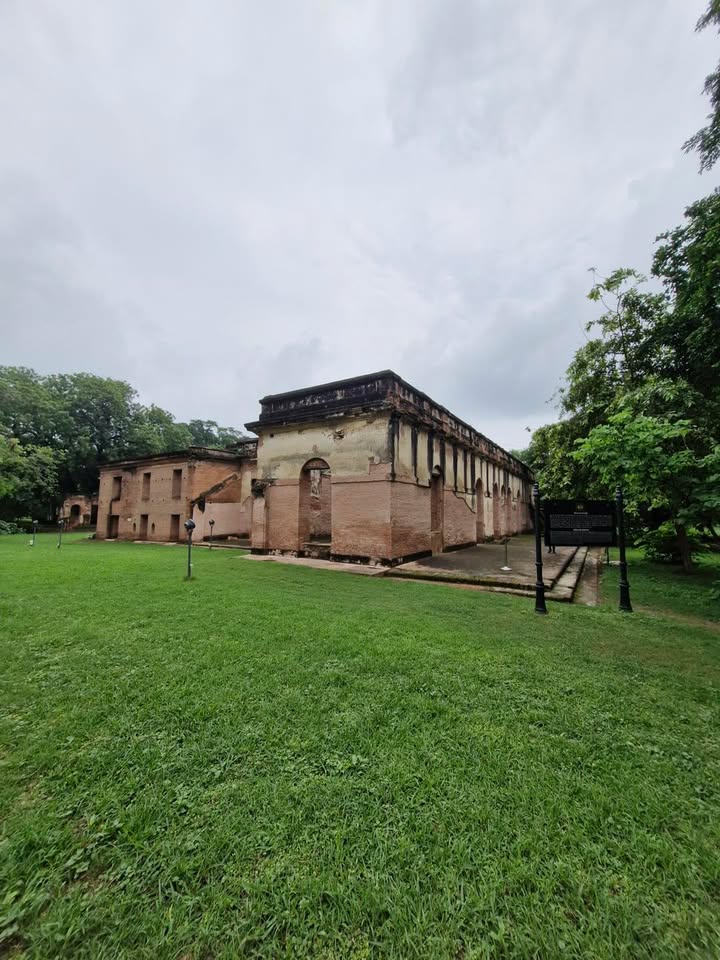
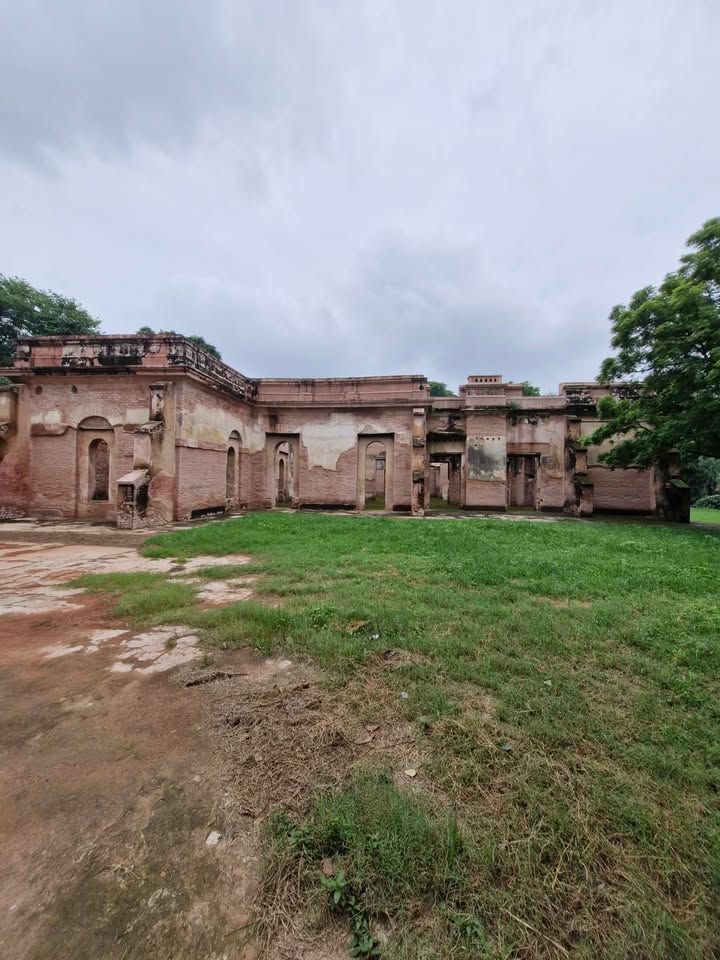
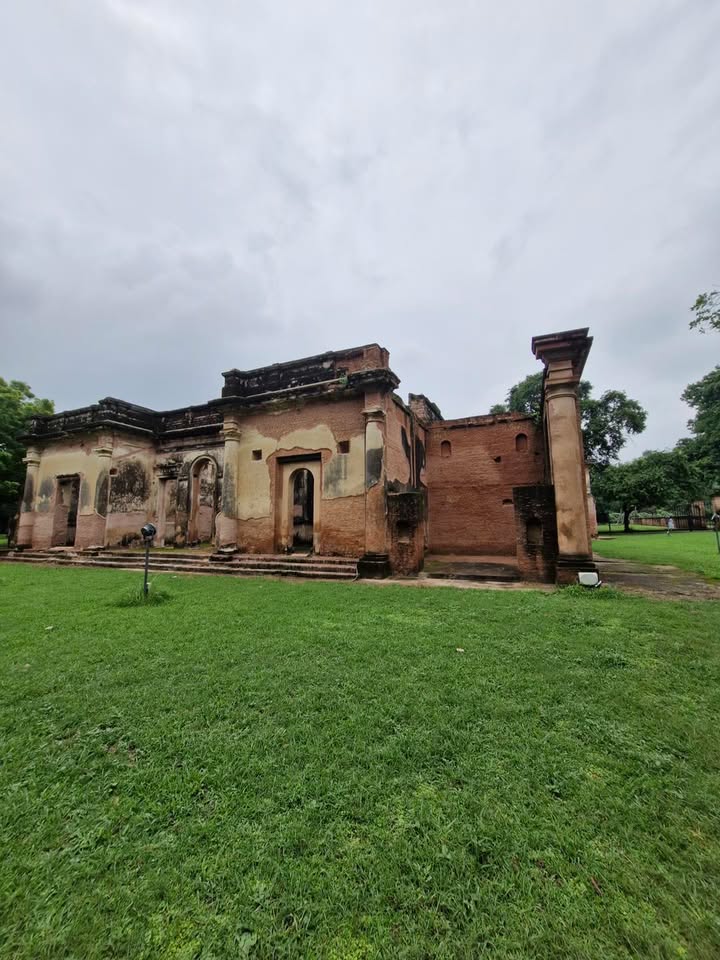
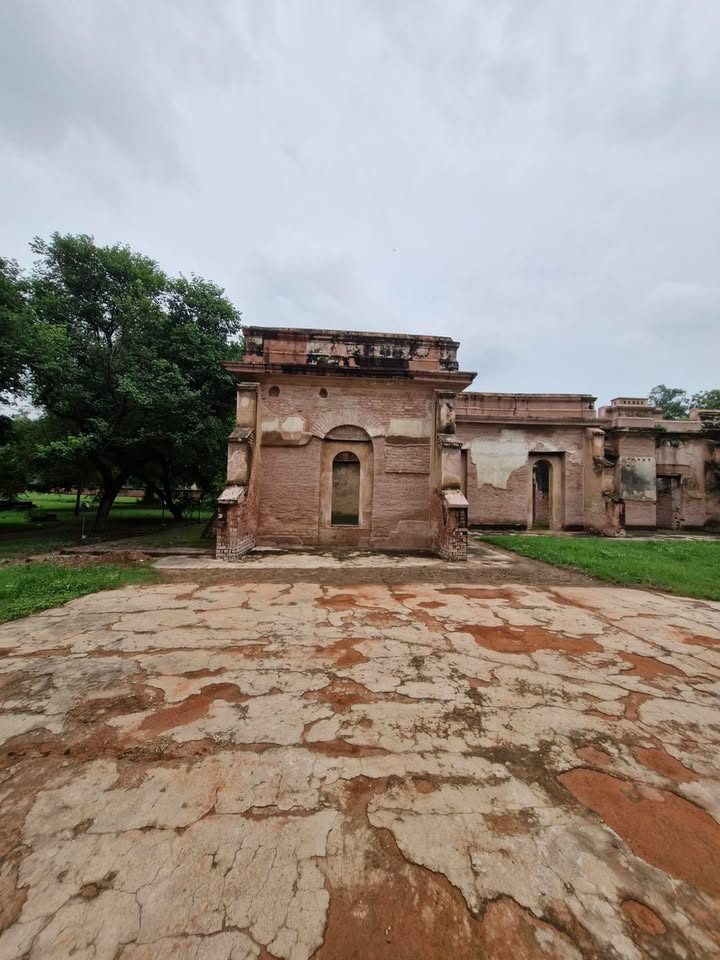
In the quiet heart of Lucknow, inside the historic Residency complex, stands a structure whose stones have witnessed royalty, upheaval, and rebellion — Begum Kothi. What began as a residence built under Nawab Asaf-ud-Daula slowly transformed across decades into one of the most symbolic sites of the First War of Independence, 1857.
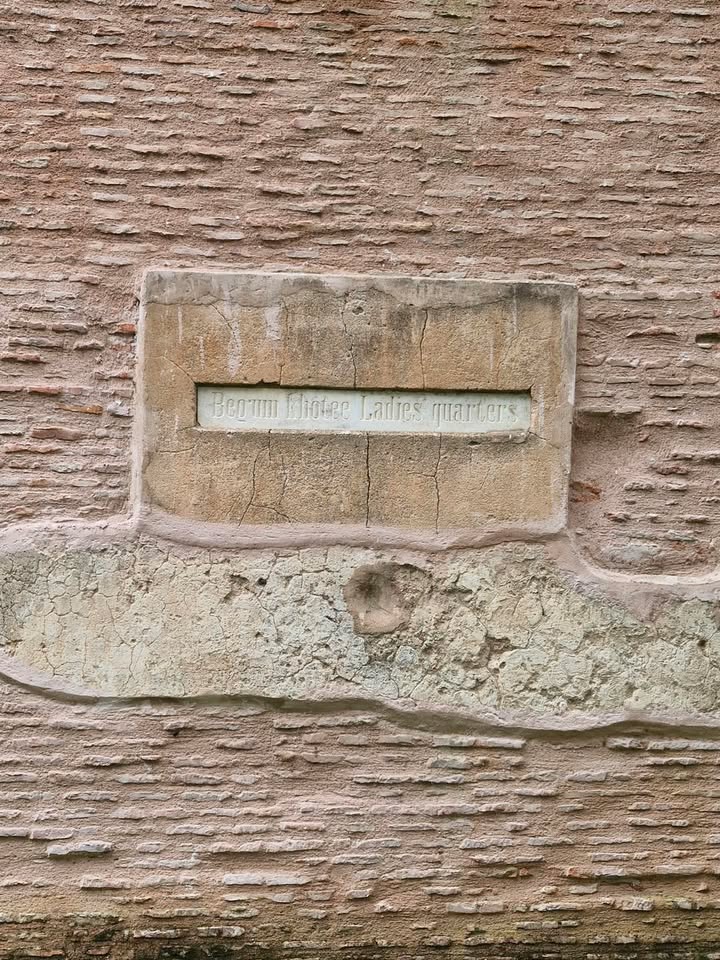
During the late 18th and early 19th centuries, the Kothi passed from noble hands to British officials: first to Sacville Marcus Taylor, then to George Prendergast, who briefly ran a European shop within its walls, and later to John Cullodon. Cullodon’s granddaughter, Malika Mukhdarah Aliya (Vilayati Begum) — the European wife of Nawab Nasir-ud-din Haider — lived here with her family. Her stepsister Ashrafunnisa added a mosque and an Imambara to the complex, giving the Kothi its spiritual dimension.
But its greatest chapter unfolded in 1857, when Begum Hazrat Mahal, the courageous regent of Awadh, used the Kothi as a refuge and strategic centre for revolutionaries resisting British power. Here, plans were made, rebels sheltered, and strategies shaped — turning the peaceful residence into a citadel of rebellion.
The British counter-attack on Lucknow began in March 1858, and the Begum Kothi soon became one of the fiercest battlegrounds. On 11 March 1858, forces led by Sir Colin Campbell and Sir James Outram launched a massive assault. Heavy cannon fire shook the walls, and after an intense struggle, the Kothi fell — marking a decisive moment in the recapture of the city.
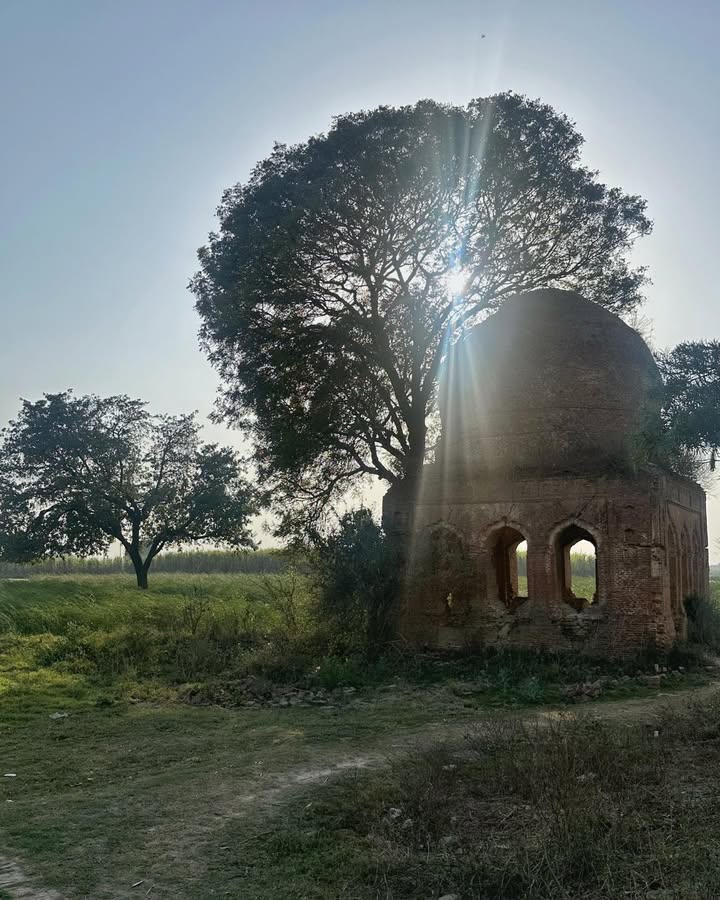
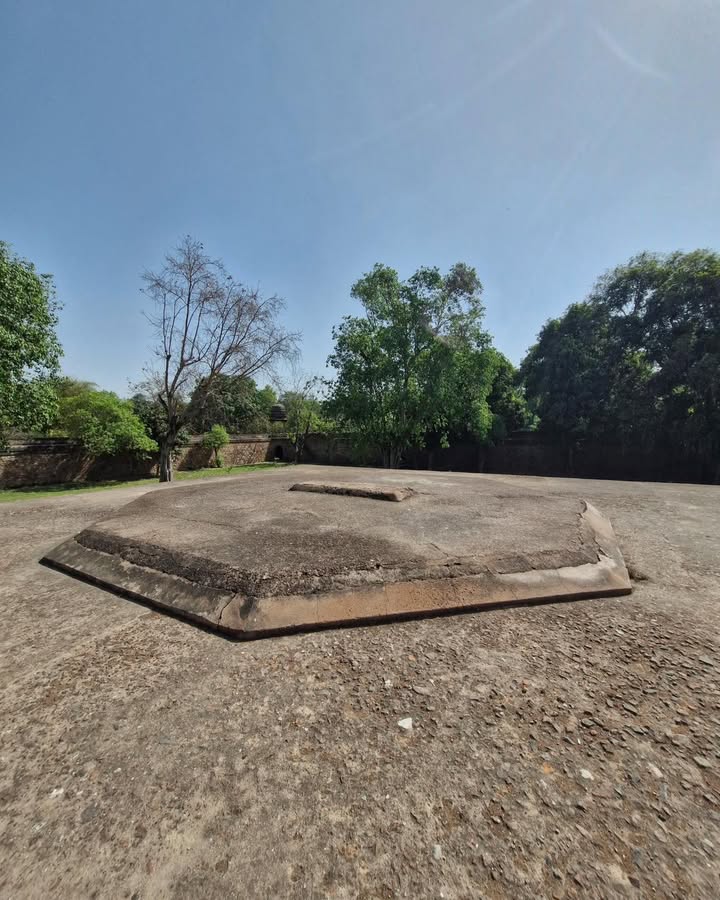
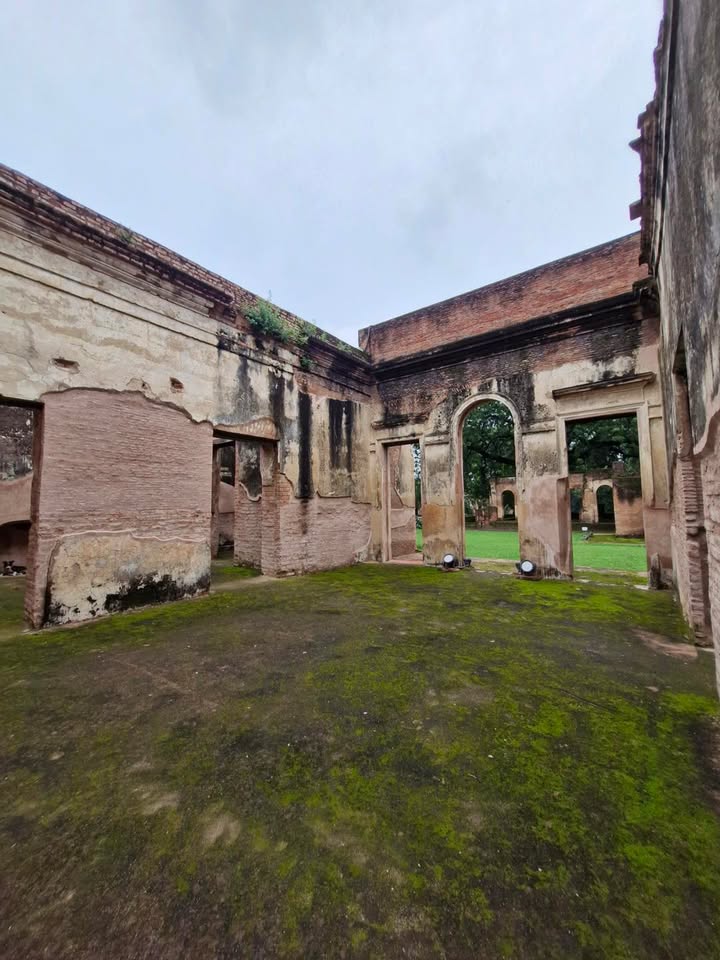
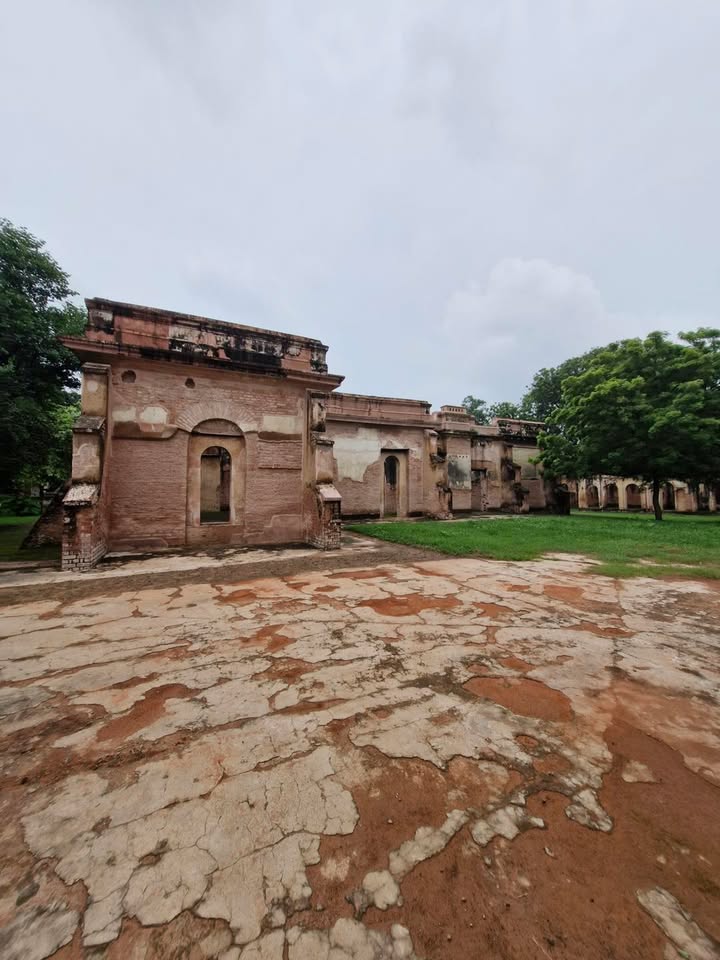
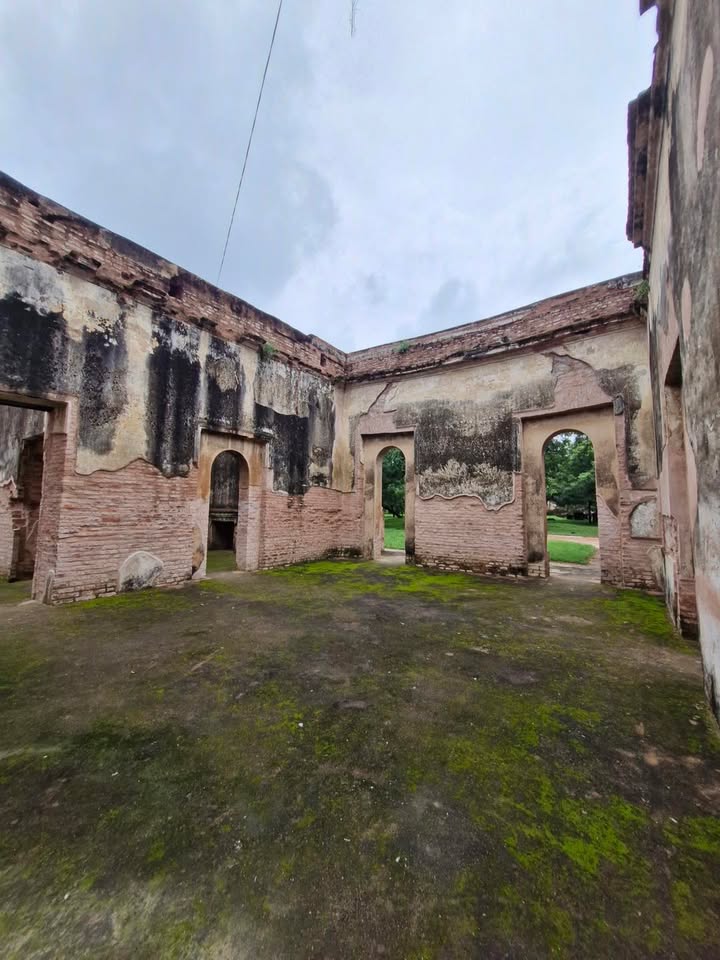
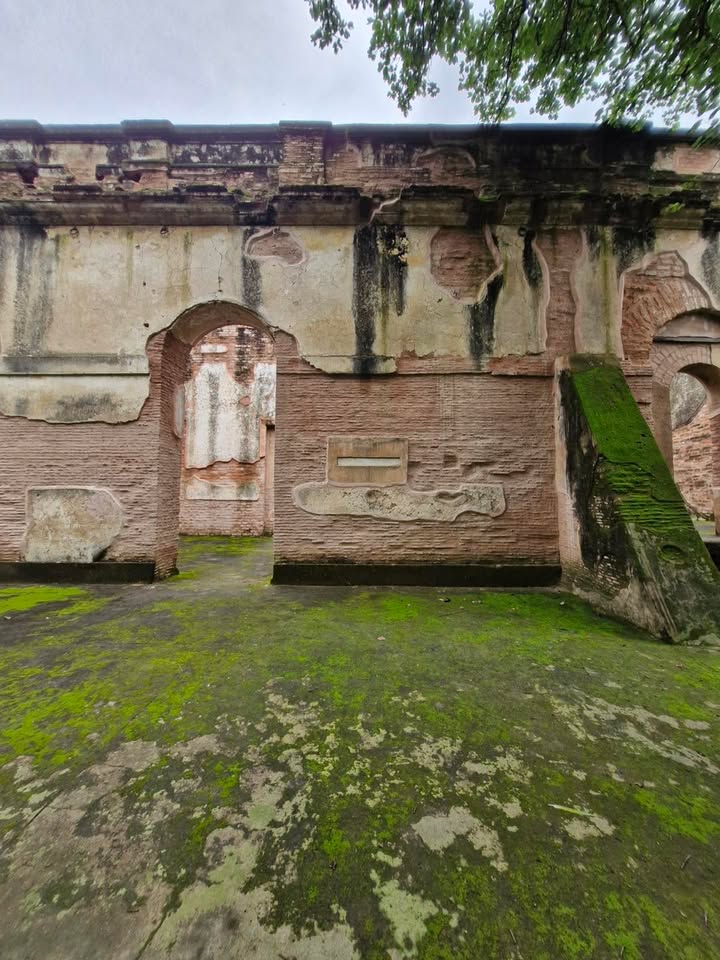
Today, as one walks among its ruins, the silence feels heavy — echoing with stories of resistance, of a queen who refused to surrender, and of a building that stood firm in the storm of history. Begum Kothi remains not merely a structure, but a testament to courage and the price of freedom.
To explore more such deeply researched heritage stories, get your copy of ITIHASNAMA by StudioDharma — a premium coffee table book featuring 25 curated stories of Meerut’s forgotten architectural soul.
Purchase link:
──── ༣ बेगम कोठी: विद्रोह की अनकही गाथा ༣ ────
लखनऊ की ऐतिहासिक रेज़िडेंसी के भीतर स्थित बेगम कोठी वह स्थान है जहाँ शाही जीवन, विस्थापन और संघर्ष की परतें एक साथ मिलकर इतिहास की एक अनोखी कहानी रचती हैं। नवाब आसफ-उद-दौला द्वारा निर्मित इस कोठी ने समय के साथ अनेक हाथ बदले — ब्रिटिश अधिकारी सैकविल मार्कस टेलर, फिर जॉर्ज प्रेंडरगास्ट, और अंत में जॉन कुलोडन के स्वामित्व में आई। कुलोडन की पौत्री मालिका मुख़दरा आलिया (विलायती बेगम) और उनकी सौतेली बहन अशरफुन्निसा ने यहाँ मस्जिद और इमामबाड़ा बनवाकर इस परिसर को नया स्वरूप दिया।
1857 के विद्रोह के दौरान, यह कोठी अपने सबसे महत्वपूर्ण अध्याय में प्रवेश करती है। बेगम हज़रत महल ने इसे क्रांतिकारियों का आश्रय और प्रतिरोध का मुख्य केंद्र बना दिया। यहाँ से ब्रिटिश सत्ता के विरुद्ध योजनाएँ बनती रहीं, और यह शांत भवन आज़ादी की लौ को जलाए रखने का प्रतीक बन गया।
मार्च 1858 में जब ब्रिटिश सेना ने लखनऊ पर पुनः नियंत्रण करने के लिए हमला शुरू किया, तो 11 मार्च 1858 को सर कॉलिन कैंपबेल और सर जेम्स आउट्राम के नेतृत्व में बेगम कोठी पर भीषण आक्रमण हुआ। भारी तोपखाने और लगातार गोलाबारी के बीच कोठी ने विद्रोह के अंतिम क्षणों तक संघर्ष किया, फिर भी अंततः इसे कब्ज़ा कर लिया गया।
आज यह कोठी भले ही खंडहर हो, पर इसकी हर दीवार उन चीखों, निर्णयों और बलिदानों की गूँज सँजोए हुए है। बेगम कोठी स्वतंत्रता संग्राम का जीवंत प्रतीक है — जहाँ साहस ने सत्ता को चुनौती दी और इतिहास ने नया मोड़ लिया।
ऐसी ही और 25 ऐतिहासिक कहानियाँ पढ़ने के लिए ITIHASNAMA by StudioDharma कॉफी-टेबल बुक अवश्य प्राप्त करें।
खरीदने का लिंक:
.1