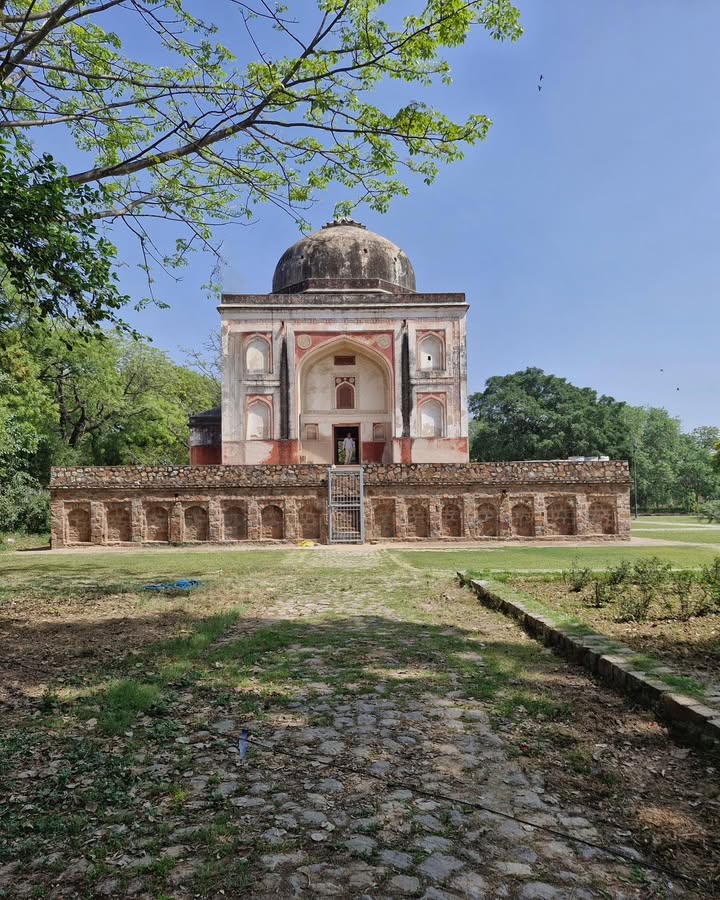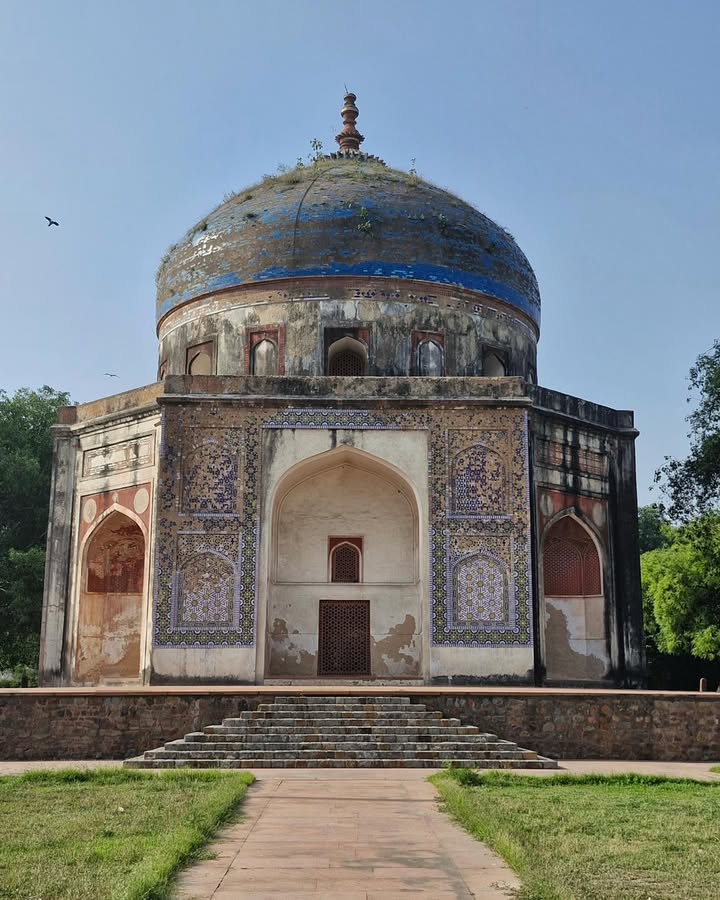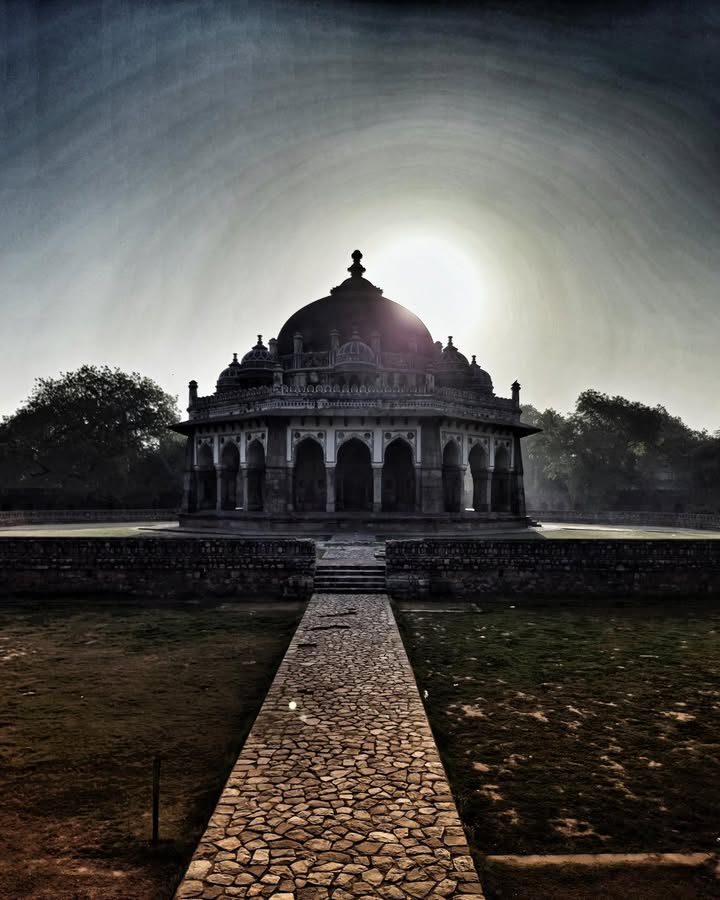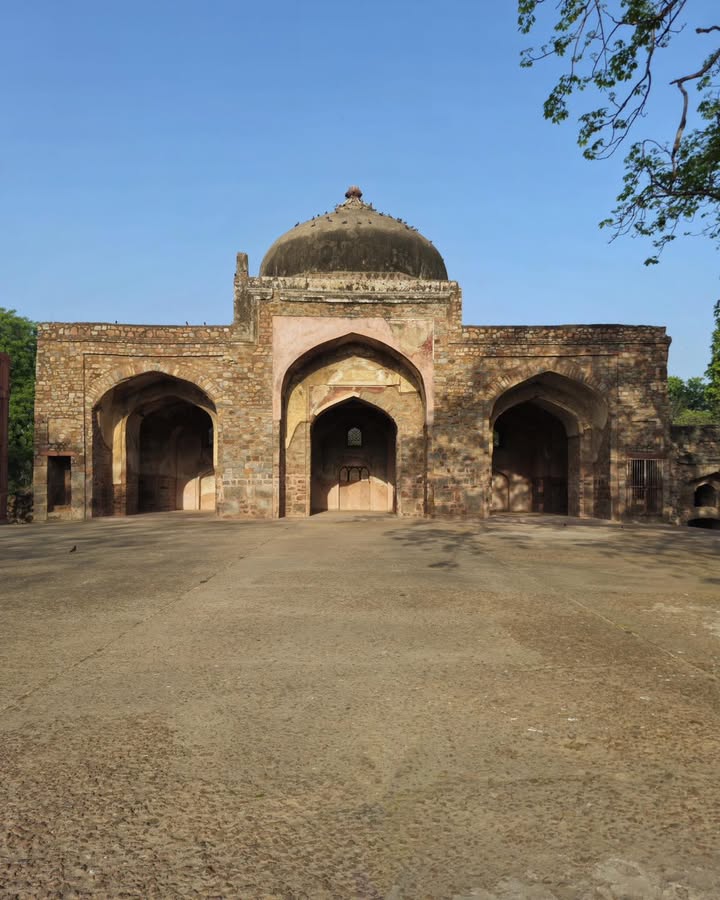






Raskhan’s Samadhi, Gokul – A Mystic Poet’s Final Resting Place.
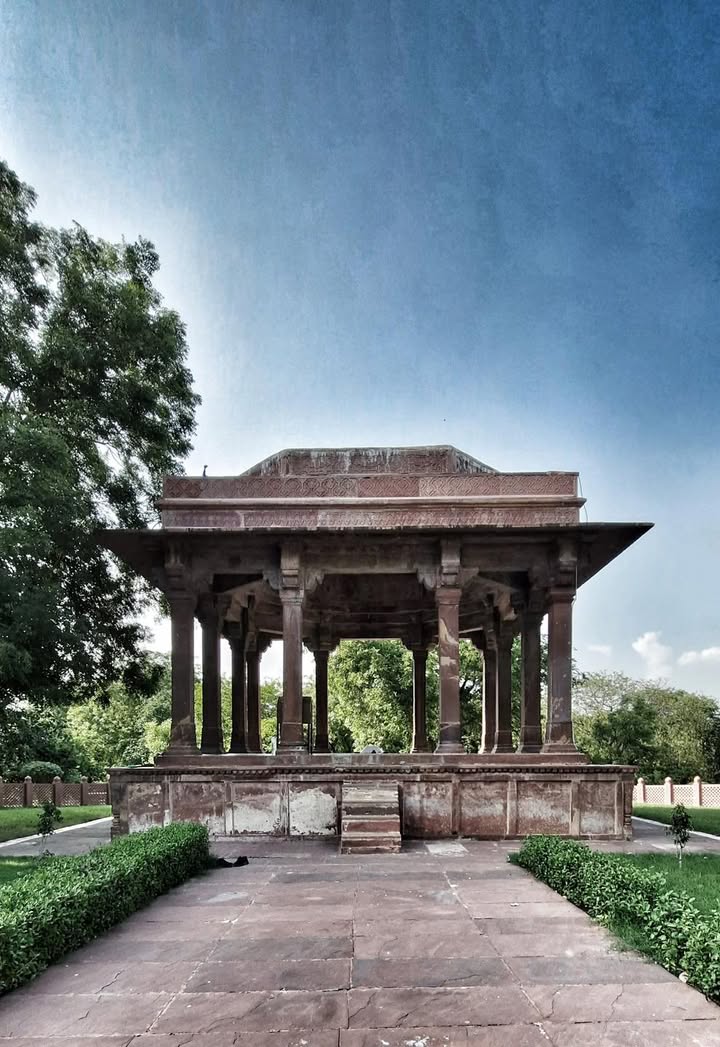
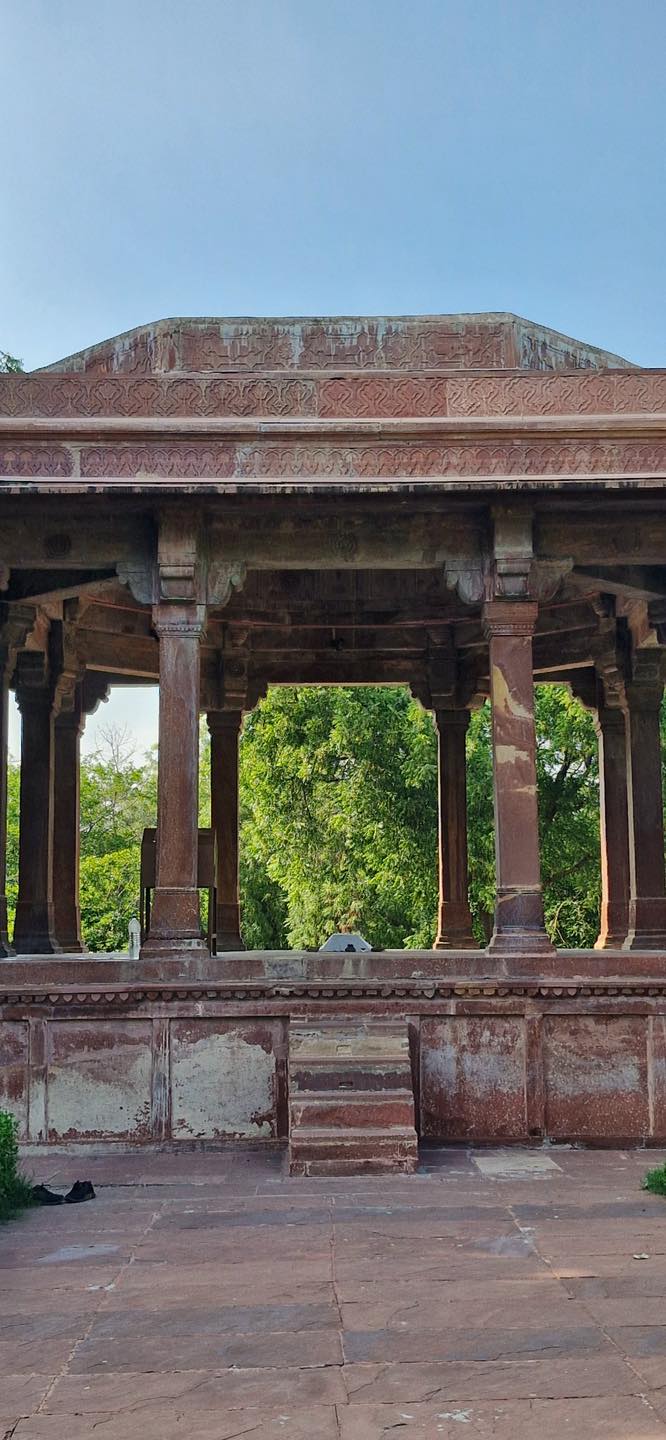
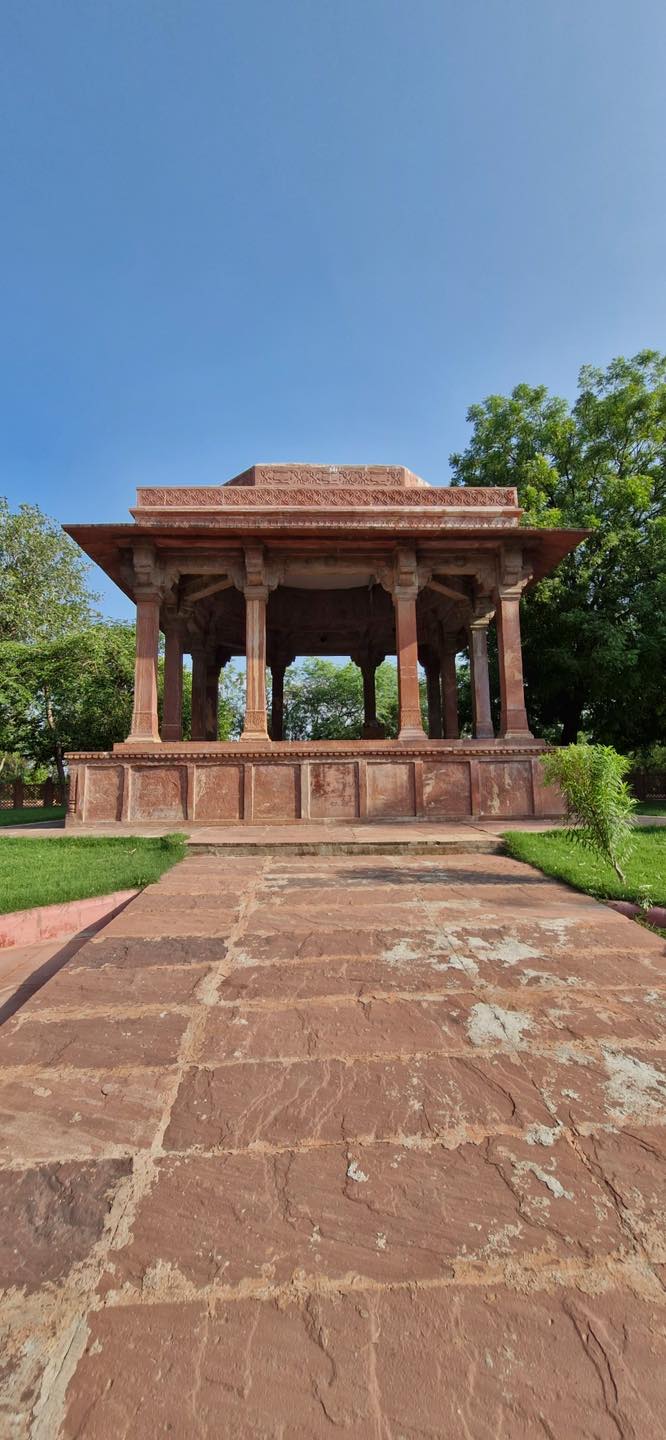
Raskhan’s Samadhi, Gokul – A Mystic Poet’s Final Resting Place.
Raskhan, born Syed Ibrahim, was a 16th-century Muslim poet who became an ardent devotee of Lord Krishna and an iconic voice in the Bhakti movement. Born in a royal Pathan family, possibly in Delhi or Pihani (Uttar Pradesh), Raskhan renounced wealth and status to embrace Krishna-bhakti.
In the year 1570, Raskhan was formally initiated into Vaishnavism by Goswami Vitthalnath Ji in Gokul, where he stayed for three years, immersed in listening to Krishna-katha.
His works, written in Brajbhasha, are celebrated for their deep love and mystical devotion to Krishna, vividly depicting divine scenes from the life of Shri Krishna in Vrindavan.
His most well-known compositions include Premavatika, Sujana Raskhana, Danlila, and several Savaiyas and Padas, praised for their lyrical beauty and emotional intensity.
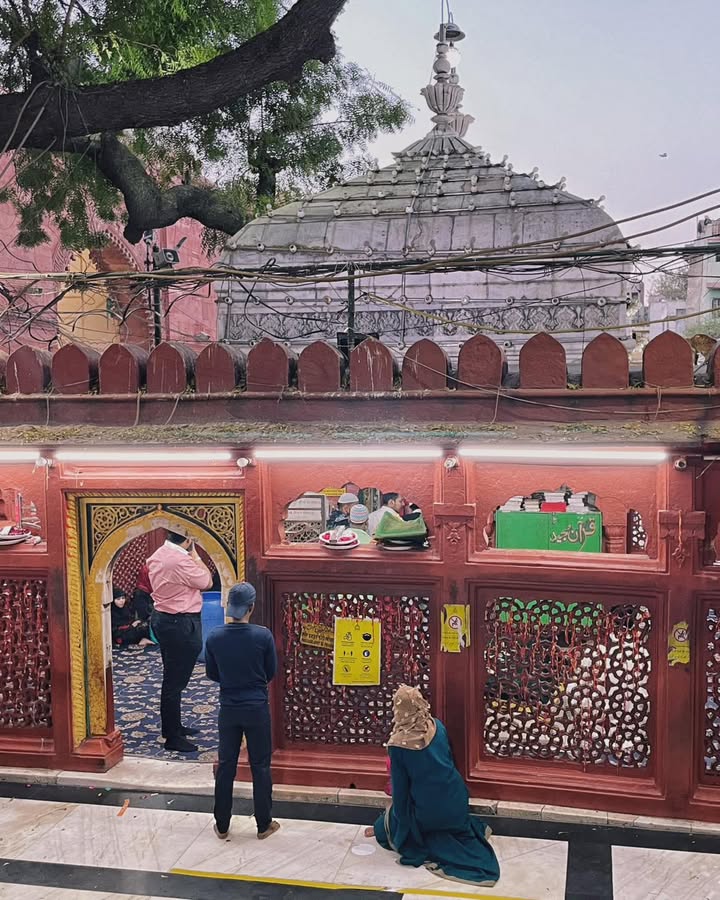
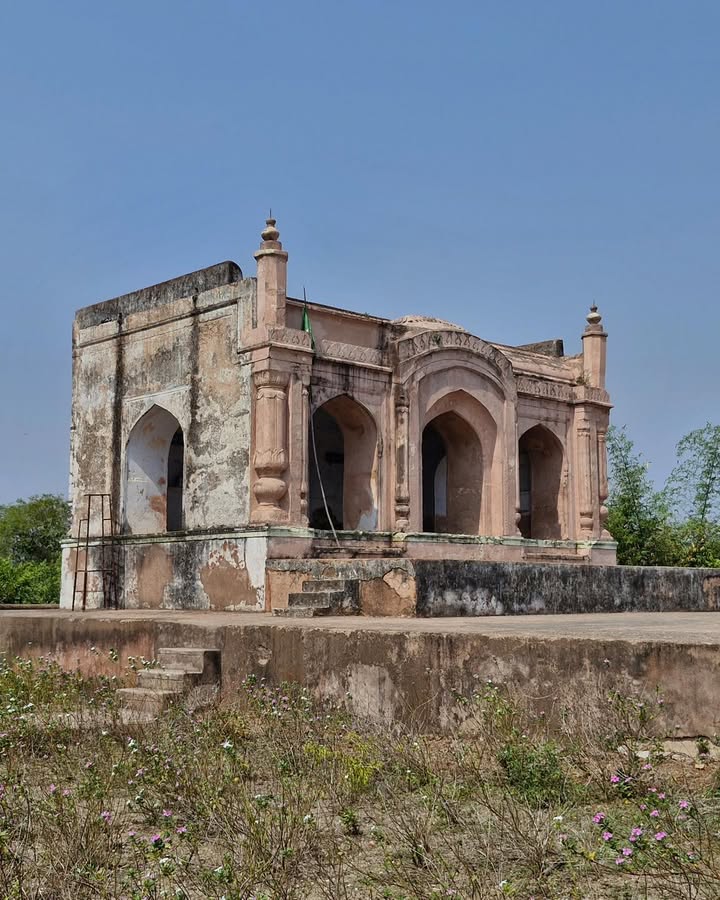
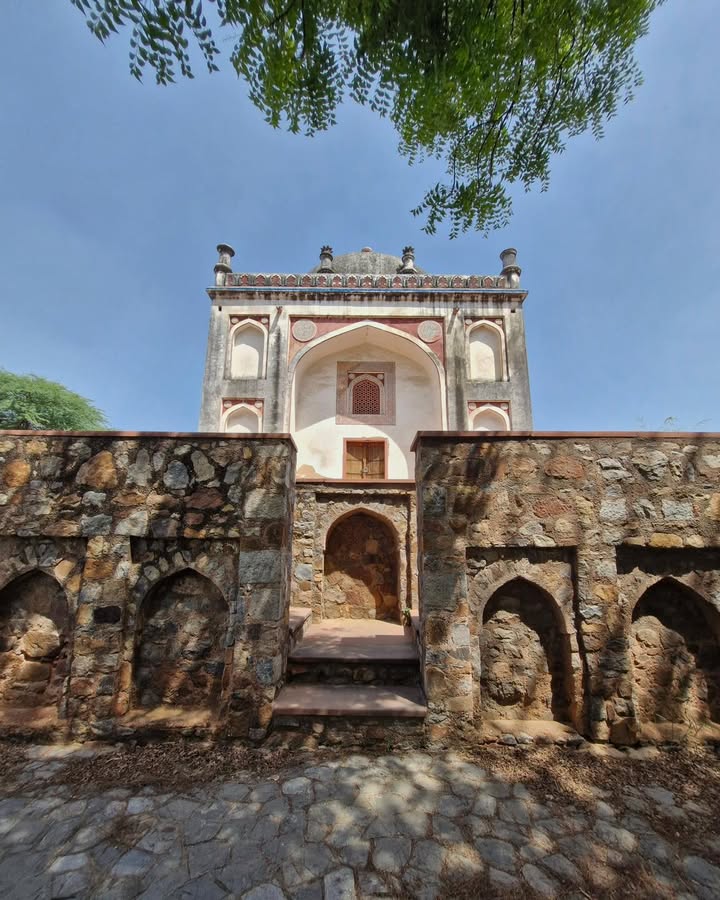
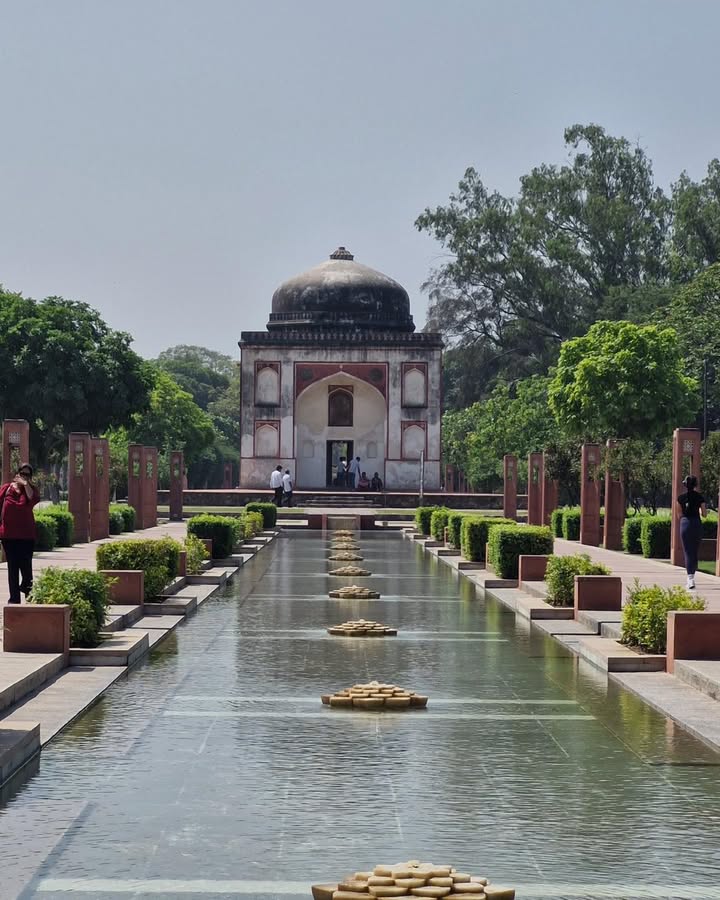
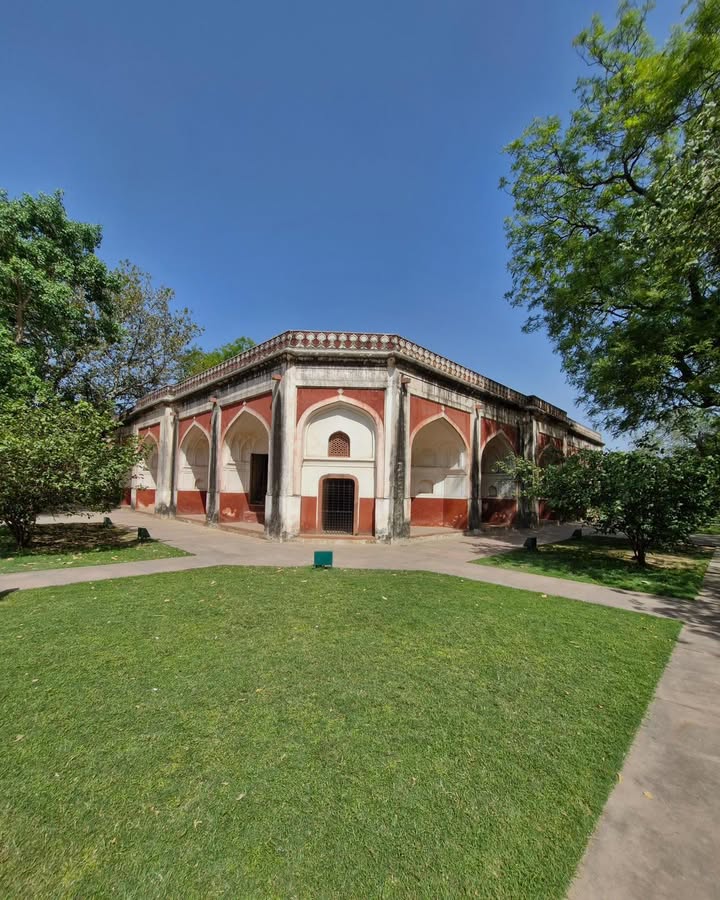
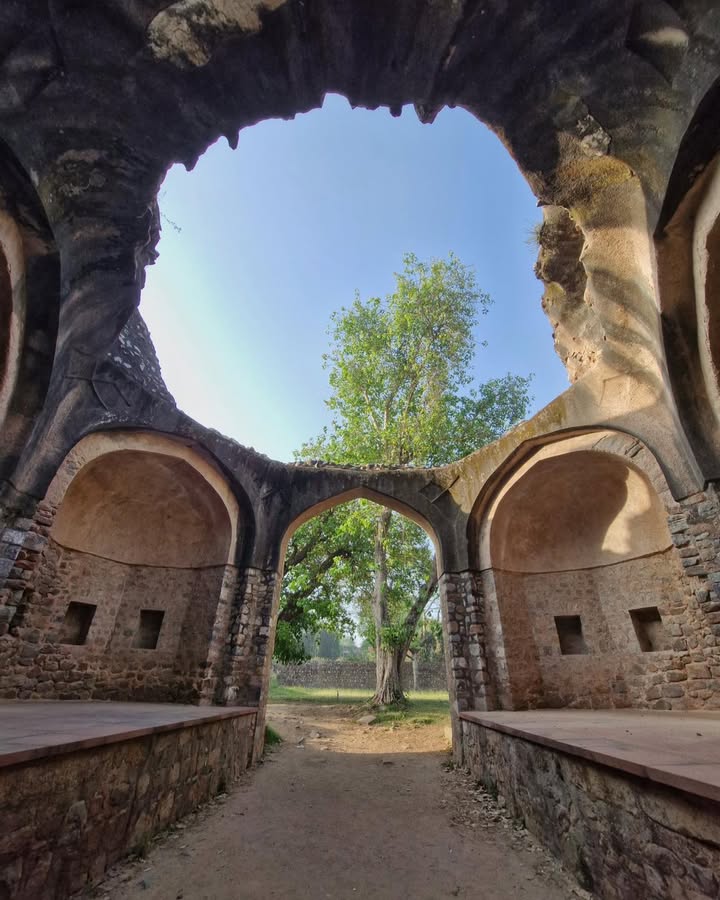
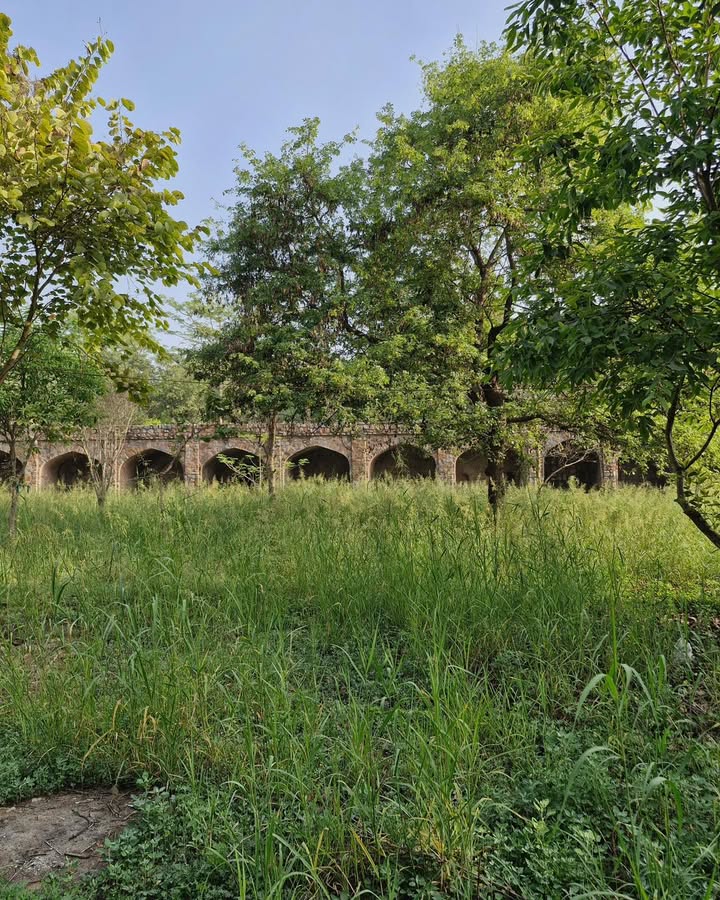
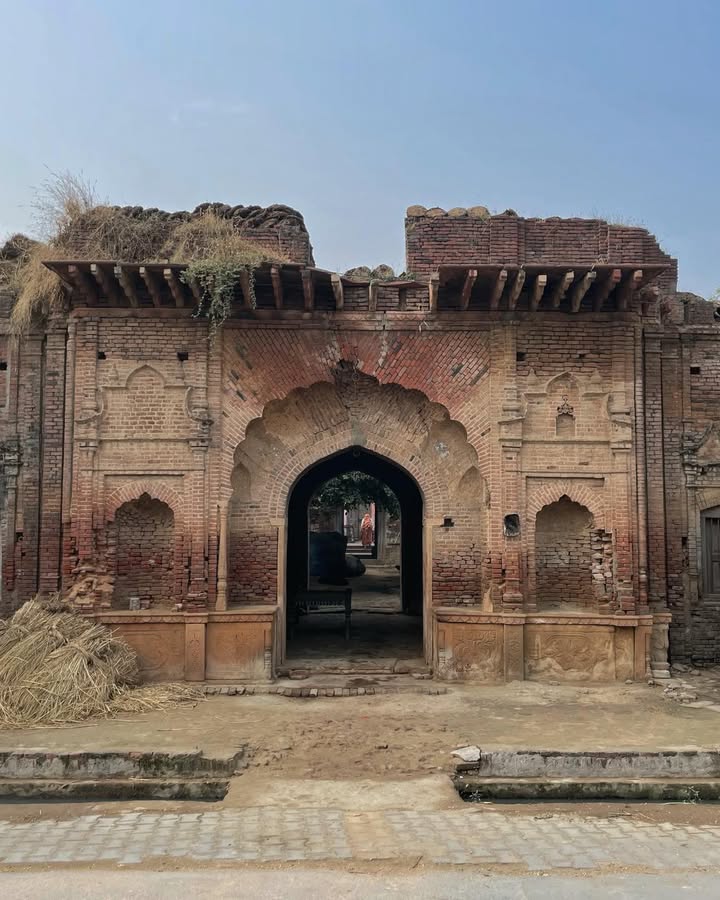
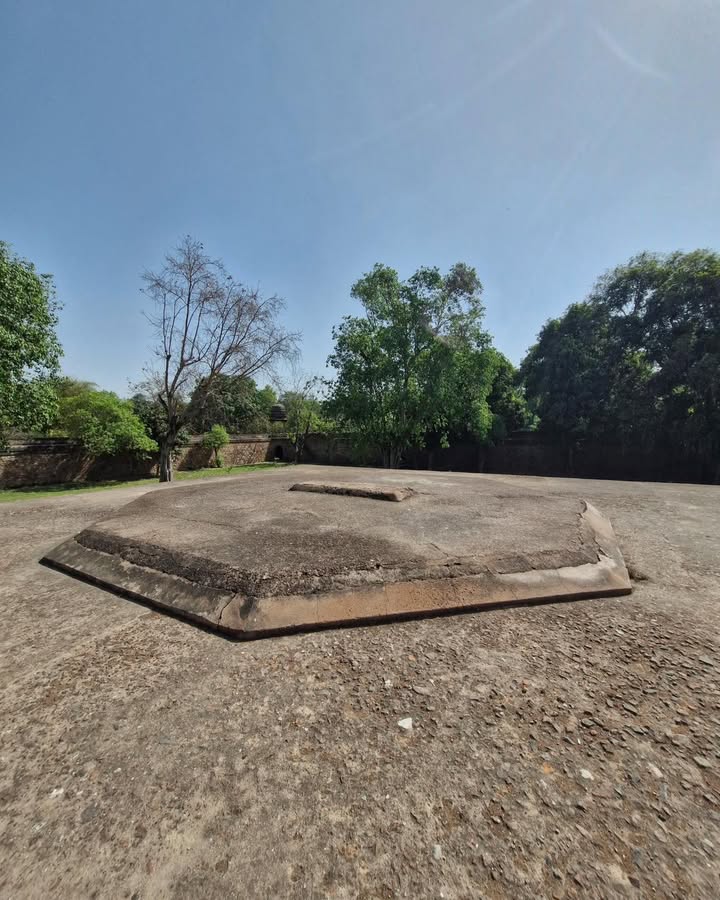
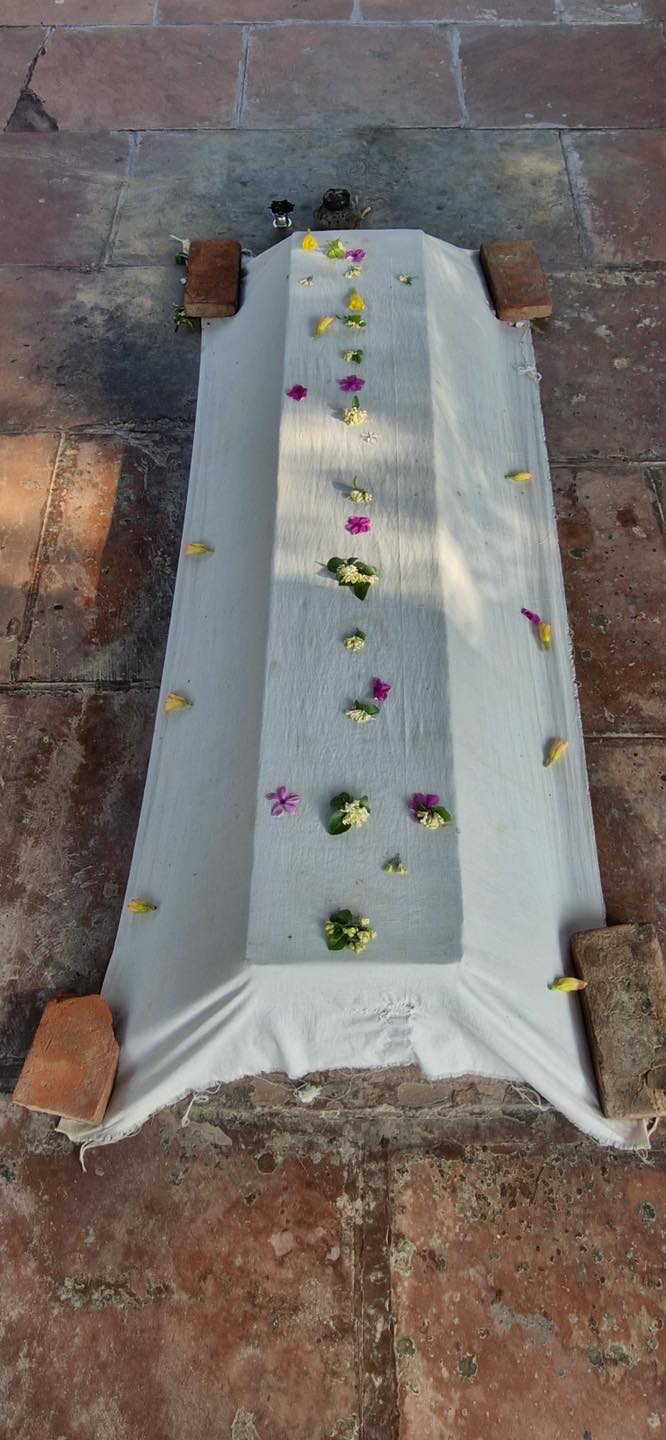
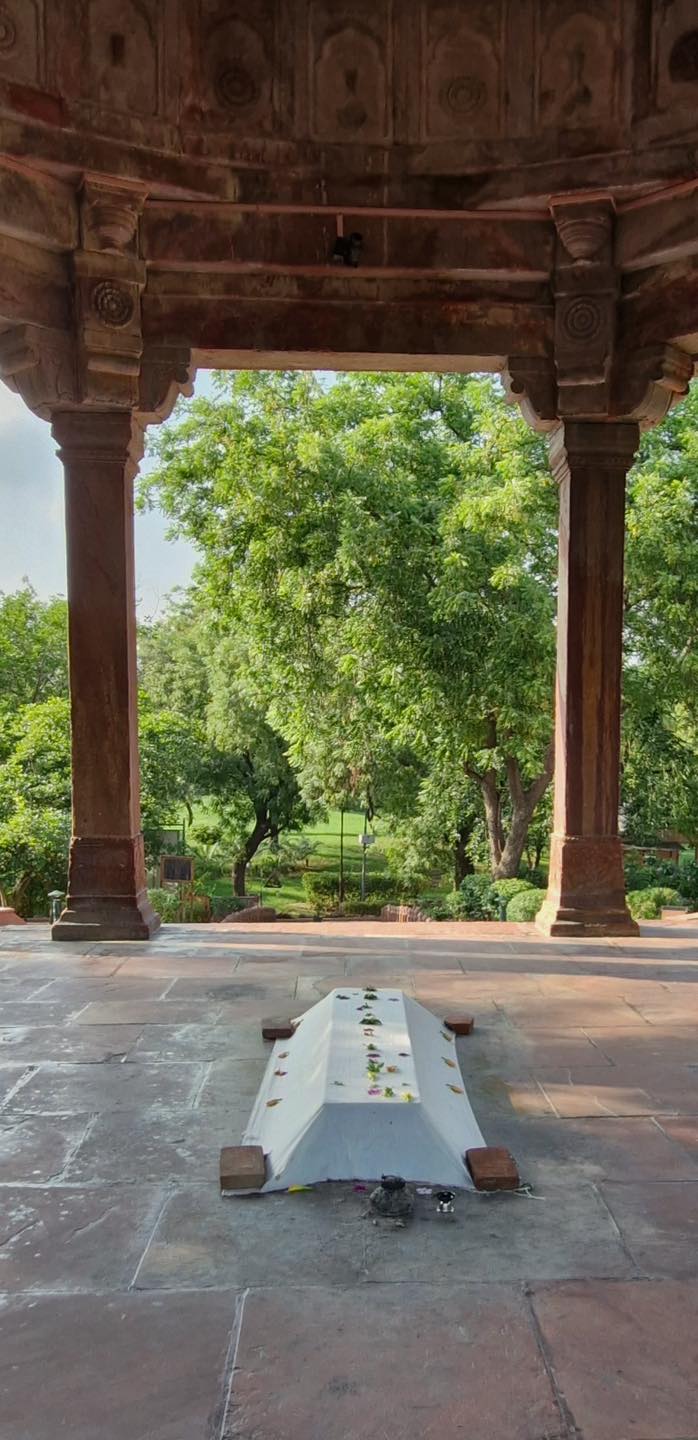
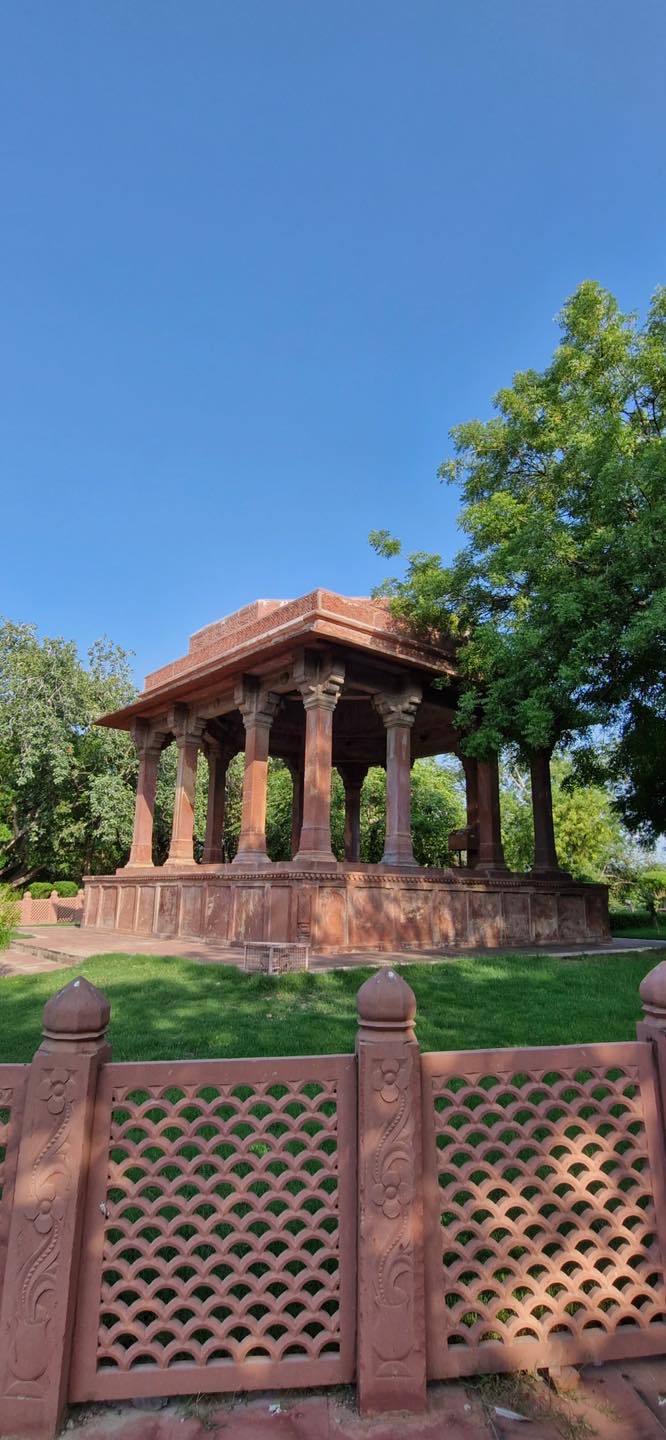
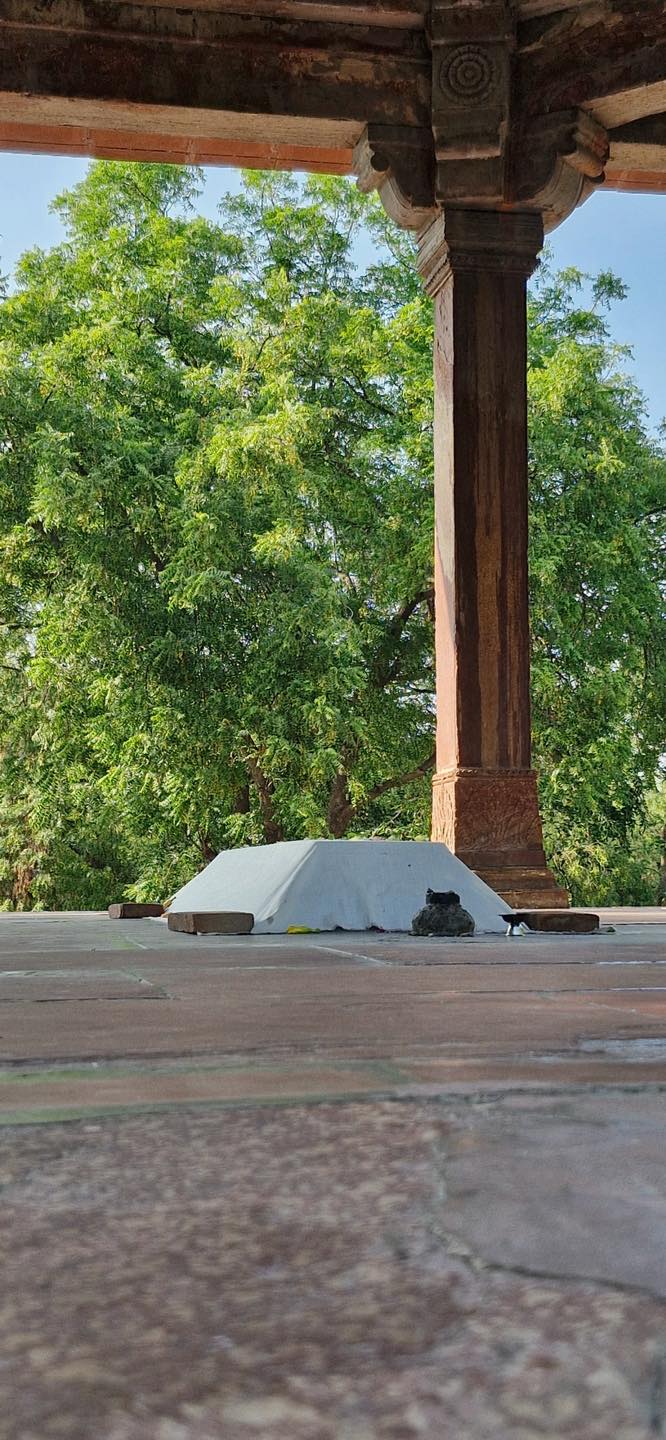
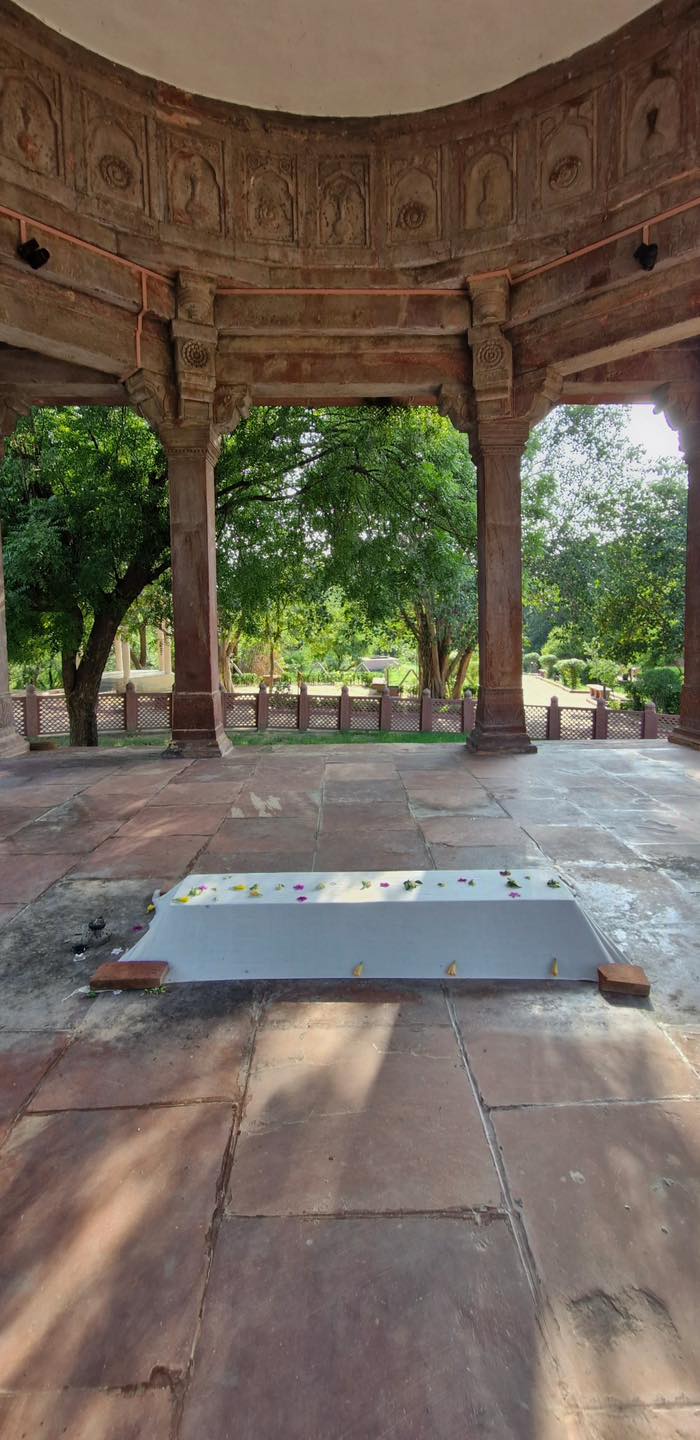
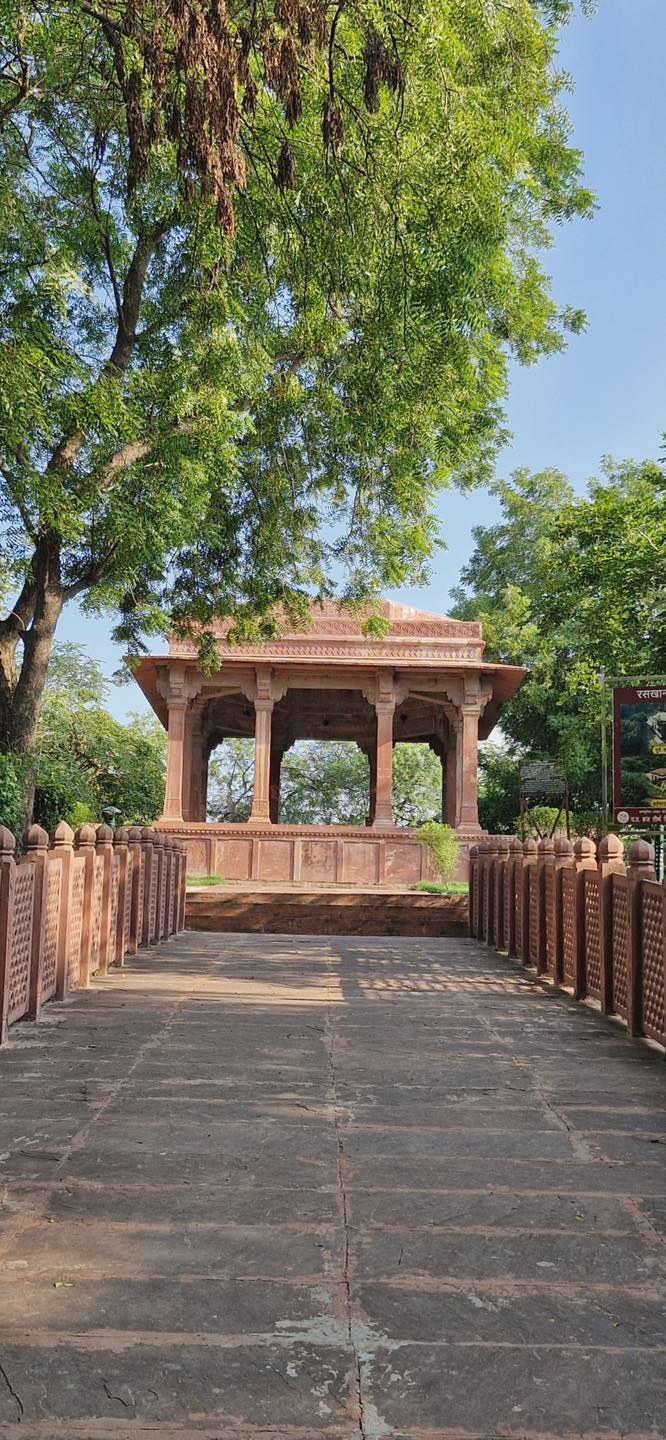
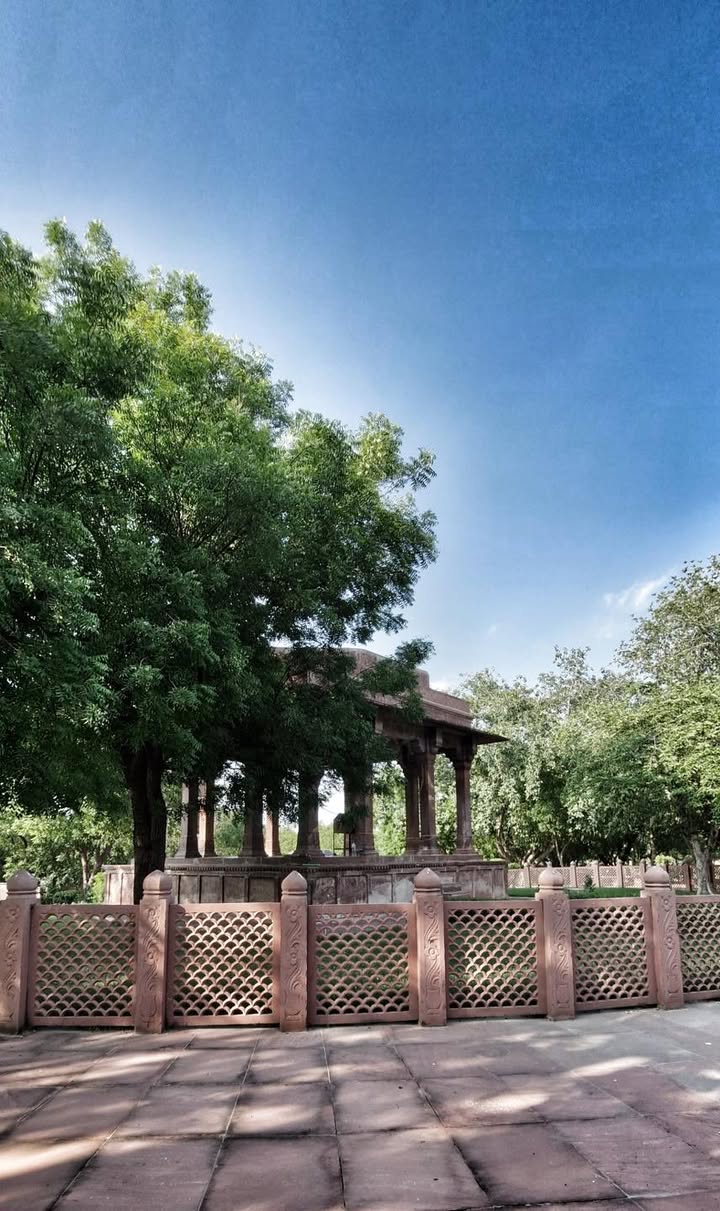
Raskhan spent his final years in Vrindavan, and his samadhi lies between Gokul and Mahavan, across from Ramanreti Ashram. Previously hidden in overgrowth, it has recently been beautified by the Braj Teerth Vikas Parishad. As a result, visitor numbers have grown substantially, especially during Braj festivals. Amenities like swings, lighting, and a grand entrance are being added.
Was Raskhan buried despite adopting Vaishnavism?
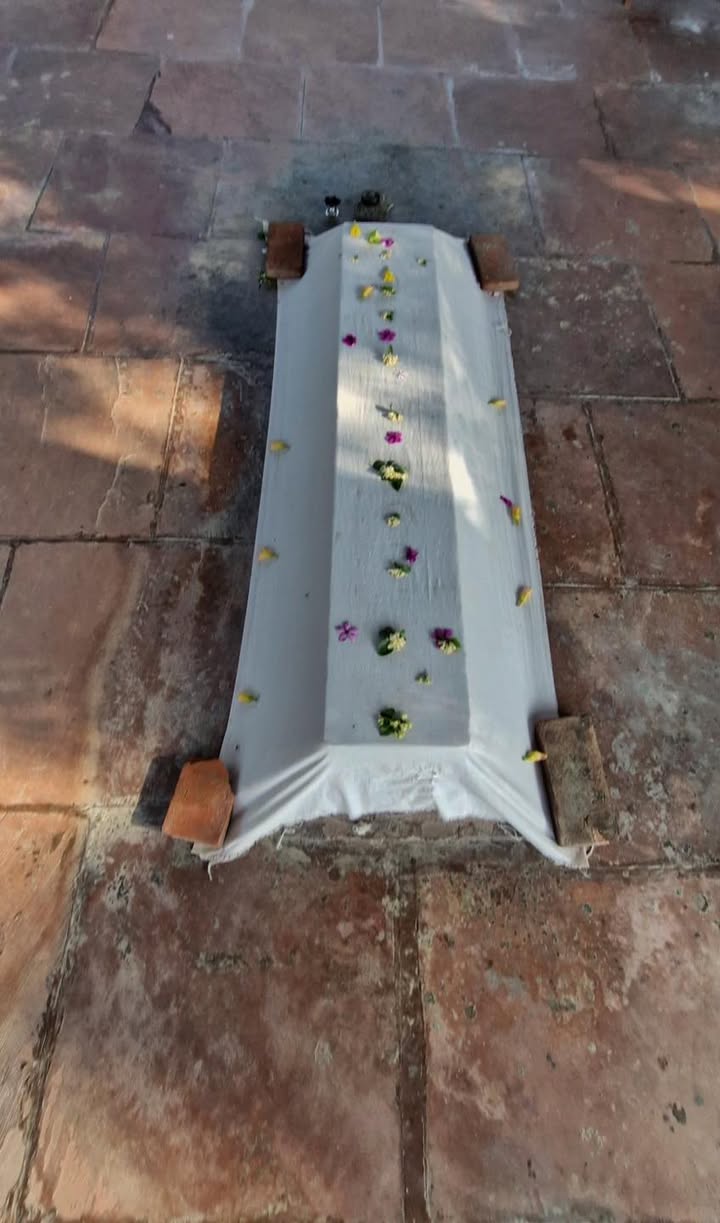
Yes — Raskhan was buried. While he accepted Krishna-bhakti and lived as a Vaishnav, he did not formally renounce Islam. Influenced by Sufi traditions, his burial follows the customary Sufi practice. His samadhi today stands as a symbol of harmony between Bhakti and Sufi traditions, respected by both Hindus and Muslims as a place of spiritual devotion.
Raskhan’s life remains a powerful example of spiritual love that transcends religious boundaries.
रसखान समाधि, गोकुल – कृष्णभक्ति में विलीन एक मुसलमान संत-कवि
रसखान, जिनका मूल नाम सैय्यद इब्राहिम था, 16वीं शताब्दी के महान सूफी कवि थे जो भगवान श्रीकृष्ण के परम भक्त बन गए। उनका जन्म दिल्ली या पीहानी (हरदोई) के एक शाही पठान परिवार में 1533 ई. के आसपास हुआ था।
वर्ष 1570 में रसखान ने गोकुल में गोस्वामी विट्ठलनाथ जी से वैष्णव धर्म की दीक्षा ली, और तीन वर्षों तक वहीं रहकर श्रीकृष्ण की कथा में लीन रहे।
उनकी रचनाएँ बृज भाषा में हैं, जो श्रीकृष्ण के प्रति उनकी गहरी भक्ति और रहस्यवादी प्रेम की साक्षी हैं, जिनमें ब्रज के जीवन और लीलाओं का जीवंत चित्रण मिलता है।
उनकी प्रमुख रचनाओं में प्रेम वाटिका, सुजान रसखान, दानलीला, अष्टायाम, सवैया और पद संग्रह सम्मिलित हैं। अब तक की खोजों में उनके 310 छंद सामने आए हैं – जिनमें 225 सवैया, 66 दोहे, 20 कविता, 5 पद और 4 सौरठा शामिल हैं।
महावन और गोकुल के मध्य रमणरेती के सामने स्थित रसखान की समाधि अब भव्य रूप ले रही है। पहले जहां झाड़ियां थीं, अब ब्रज तीर्थ विकास परिषद द्वारा वहां पेयजल, विश्रामगृह, शौचालय, प्रकाश व्यवस्था जैसी सुविधाएं विकसित की गई हैं।
क्या वैष्णव होने के बाद भी रसखान को दफनाया गया?
हाँ। रसखान को दफनाया गया क्योंकि उन्होंने भले ही वैष्णव जीवन को अपनाया, लेकिन औपचारिक रूप से इस्लाम का त्याग नहीं किया। वे सूफी परंपरा से भी जुड़े रहे, जहाँ समाधि (दफनाने) की परंपरा है। इसलिए, उनकी समाधि आज भक्ति और सूफी परंपराओं के मेल का प्रतीक है, जिसे हिंदू और मुस्लिम दोनों श्रद्धा से मानते हैं।
रसखान का जीवन इस बात का प्रतीक है कि सच्ची भक्ति किसी धर्म, जाति या सीमा की मोहताज नहीं होती।
.1